
Storaxa is a Customizable Remote NAS and Home Cloud Storage System
Arrotrack Technology has announced a new fully customizable remote NAS cloud storage system called Storaxa.
Arrotrack Technology has announced a new fully customizable remote NAS cloud storage system called Storaxa.
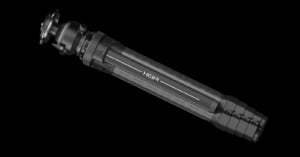
HEIPI raised over $1 million through a successful campaign on Kickstarter earlier this month for its new lightweight 3-in-1 Travel Tripod, but that success doesn't appear to be enough as the company has gone to IndieGoGo in search of more investment.
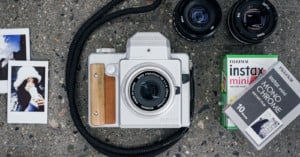
Hong Kong-based camera manufacturer Nons has announced the SL645 camera, a new analog SLR camera that accepts Canon EF lenses and shoots Instax Mini film.

Undeterred by the failure to reach its funding goal on Kickstarter last year, FilmNeverDie has unveiled its redesigned, "streamlined" Compact Processor 800 "take two."
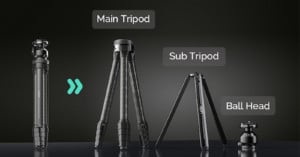
HEIPI has announced a new travel tripod that the company claims is the lightest and most compact 3-in-1 travel tripod on the market.

Switzerland-based Rolling Square has launched the EDGE Pro ecosystem of products that can be combined in multiple configurations to make a workstation setup truly personal.
British LED lighting manufacturer Rotolight has announced a new Indiegogo campaign for Pro Editions of its most successful photo and video LED lights - the NEO 3 and AEOS 2.

Photographer and photography instructor Micahel Andrew has launched a Kickstarter campaign to address what he sees as the common shortcomings of lens filter systems called the Maven Magnetic series.
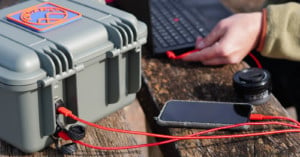
Australian company Yondaway has announced a Kickstarter campaign for the new Powchell Charger, a TSA approved portable 20,000mAH power cell that can protect and charge your gear while on the move.

MIOPS has announced the new Capsule Pro motorized pan and tilt system that can be used for capturing timelapses and motion-controlled video.
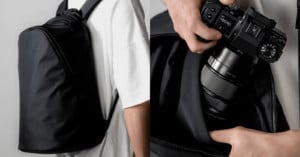
The Kyu Daypack is a new bag that is best described as a minimalist backpack that can safely hold a camera rather than what is typically described as a "camera bag."
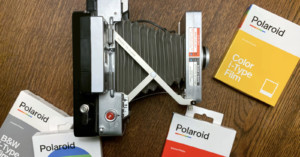
After nearly five years of development, Polaroid lovers in France have developed a new instant print back adapter to fit vintage Type 100-400 Polaroid Land cameras.

The latest vintage pinhole camera from Jollylook is an Instant Print Pinhole Camera crafted out of recyclable wooden materials.

Steve Giralt's The Garage Learning film school raised over $410,000 on Kickstarter in 2020. But now, just under two years later, the business has filed for bankruptcy as the idea "did not work as planned."
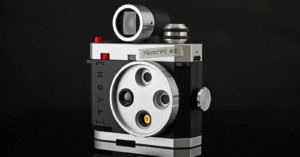
The Alfie TYCH is a new 35mm half-frame film camera that is being developed by a U.K. startup by the same name: Alfie Cameras. The system is currently planned for launch in September, and the company is looking for photographers to help Beta test it.
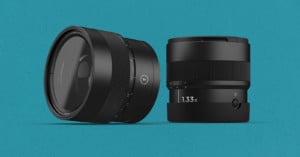
Moment has announced the 1.33x Anamorphic Lens Adapter, which it says can change any optic -- vintage or modern -- into an anamorphic lens.
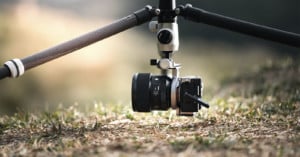
Landscape photographers often come against the frustration of needing to change the angle of their camera when it is mounted on a tripod. Silence Corner believes it has created quick and easy solution to this problem with the ATOLL.

Ever since coming across the pink 17th Street lifeguard tower on Miami Beach a few years ago, photographer Thomas Kwak has captured over 30 of these playful and vibrant beach structures for his "Lifeguard Towers: Miami" photobook.
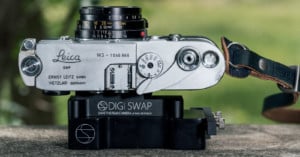
The DiGi Swap is a combination smartphone holster and app that connects to a film camera and is designed to allow photographers to shoot with classic film bodies as if they were digital. Unfortunately, it doesn't appear to live up to expectations.

The Boskarta vintage-style playing cards feature a design inspired by the Rolleiflex camera and come packed in a tuck box that looks like the Brownie.
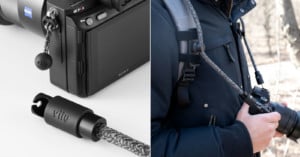
The Viiu Rota-Strap is a new take on the camera strap that is not only highly resistant to "slash and grab" style theft, but the creator has also designed multiple additional functions that make it one of the more versatile options on the market.
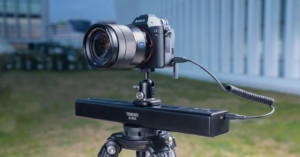
Delaware-based company Trexo Innovation has announced the Trexo Slider, what it claims is the world's most compact camera slider designed with modern-day content creators in mind.
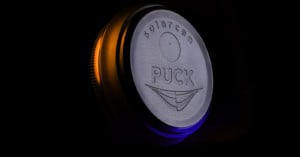
The Solarcan Puck is a reusable time exposure pinhole camera that is designed to capture the path of the Sun as it moves across the sky over the course of a day.

Photographer Lewis Bush has put the dark history of space research under the microscope, revisiting key sites in the history of rocketry and documenting them with the cyanotype process.

Award-winning photojournalist Smita Sharma has launched a photography book project that documents the vulnerability of young girls that are victims of human trafficking between Bangladesh, Nepal, and India.
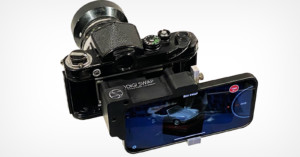
The DiGi Swap, originally teased earlier this year, is planned to come to market later this summer. A combination holster and app, it works with old cameras and allows photographers to shoot with film bodies as if they were digital.
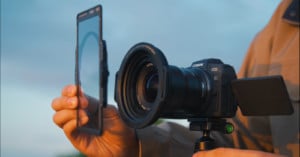
H&Y has announced the Revoring Swift System, what it calls the world's first magnetic modular filter system for photographers and videographers.
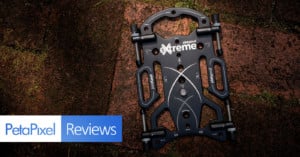
Over the course of several design tweaks, Platypod has made a name for itself as one of the go-to's for portable camera support. With the new Platypod eXtreme, the company has made an even more configurable and versatile product, albeit with the same old limitations.
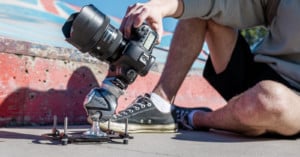
Platypod has announced its new Platypod eXtreme, a tripod alternative that the company says offers greater flexibility and stability on uneven terrain than conventional tabletop or travel tripods.
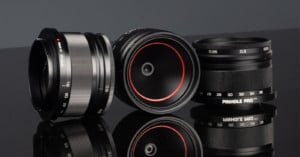
Thingyfy has announced the Pinhole Pro Max, what it claims is the most advanced pinhole lens in the world thanks to its variable 18-36mm focal length and six apertures.

Kuvrd, the company known for making universal waterproof and dustproof lens caps, has launched a new product called the WaterBear. The company claims the tiny washable and reusable square can instantly and safely clean any kind of screen, lens, or display.
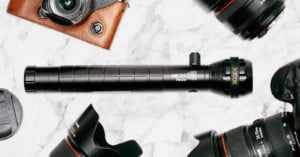
bitLighter is a new continuous and focusable "flashlight"-like light source for photographers and videographers that has managed to reach over $90,000 (over 900%) of its initial $10,000 targetted goal on Kickstarter.
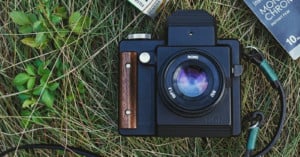
Hong Kong-based camera manufacturer NONS has announced the SL660, an interchangeable lens camera that accepts Canon EF lenses and shoots to Fujifilm Instax square instant film.
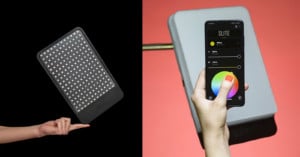
Slite has announced a new portable LED light panel that is incredibly powerful and boasts 16 million colors despite its super-thin form factor.
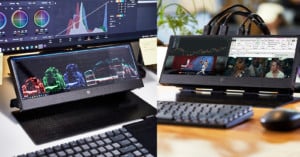
The Lukos 4K monitor is a compact ultra-wide display that looks ideal for acting as a place to hold Photoshop, Lightroom, or other editing toolbars so that editors are free to use their main display to focus on content.
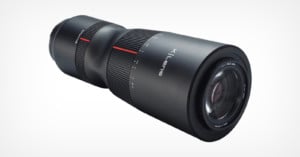
The German-based startup K|Lens, which promised to provide the ability for any camera to shoot light field images, has canceled its Kickstarter that raised $225,422.
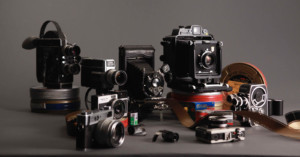
Revival is billed as the film to bring back film. As a photography format that has been largely abandoned due to the rise of digital, it is experiencing a renaissance that Revival's director believes is worth showcasing.
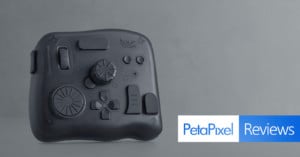
The TourBox Elite has been the subject of a lot of attention since the launch of its Kickstarter and with the crowdfunding campaign coming to a close, we decided to take a closer look at it to see if it's worth your backing.
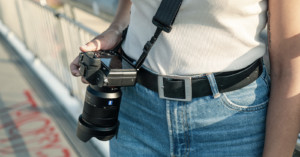
Spinn.Design has launched the Spinn.Design CP.02 camera carrying system on Kickstarter. Made of both a plate and a strap, the company claims it gives photographers a more comfortable way to carry cameras and lets them be ready to shoot at a moment's notice.

ArduCam, a Chinese company known for making open-sourced hardware and software for Arduino and Raspberry Pi systems, has launched a $25 Autofocus Camera for Raspberry Pi boards that offers a resolution 40% higher than the standard 12-megapixel Raspberry Pi HQ camera while maintaining the compact form factor of the 8-megapixel Raspberry Pi V2.