Tutorials

Whether you are a beginning photographer or a seasoned professional, there are always new things to learn and more areas to improve in. PetaPixel regularly publishes in-depth tutorials on a wide range of subjects, from Photoshop tips and post-processing techniques to ideas on building your own cameras and do-it-yourself equipment.

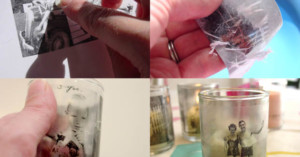
How to Transfer a Photograph Onto Glass Using Contact Paper

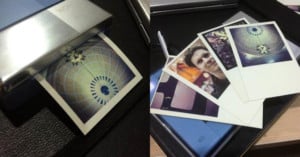
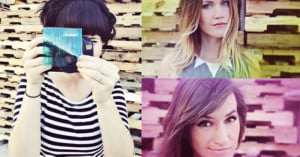
About a year ago, we shared a neat DIY method of transferring black-and-white photos onto blocks of wood. A very similar technique can be used for displaying your photos on glass. Inspired Ideas writes that all you need are a toner-based print of your photo (e.g. using a copier or laser printer) and some clear contact paper.

Primer on Shooting Long-Exposure Night Photos on a Mountain

If you have 20 minutes to spare and would like to learn all about how to shoot long-exposure photos showing landscapes and starry skies, check out this primer by adventure photographer Kamil Tamiola. Titled "Let There Be Light," the video steps through many of the fundamental aspects of long-exposure night photography, from choosing the right environment to choosing the right gear.

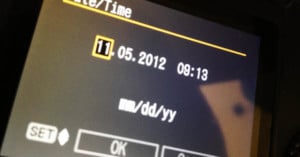
How to Shift the EXIF Timestamps for a Large Batch of Photos

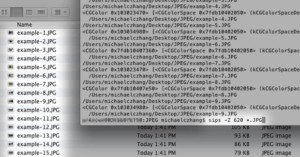
Here's a friendly public service announcement: remember to time on your camera before and after Daylight Savings Time (which just ended yesterday in the United States) -- unlike cell phones, digital cameras generally don't adjust their own time. If you accidentally forgot and now have a bunch of photos with timestamps that are off by an hour, there are some programs out there that can help you set things right.

How to Make a Cheap DIY Rain Guard for Keeping Your DSLR Dry

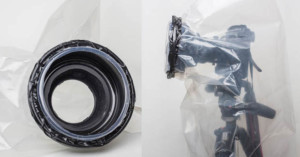
I’ve always been asked how I keep my equipment dry while shooting storms, and I figure with Hurricane Sandy on the way, now would be a good time to share! This is a very simple, inexpensive, easy-to-use, and effective solution to shooting in the rain! It costs less than 5 dollars, but I have never felt the need to purchase anything to replace it.
How to Process Your C-41 Film at Home

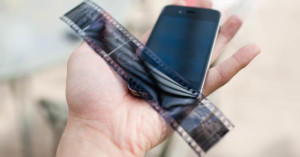
After almost two years of shooting film nonstop and more than $1,000 worth of expenses on processing and prints, I needed to reconsider my budget and find a way of being able to shoot more and pay less. I thus began to process my C-41 rolls at home. It's extremely easy to do and I‘ll show you today how to do it, step by step.

Add a DIY Umbrella Holder to Your Tripod to Keep Gear Dry in the Rain

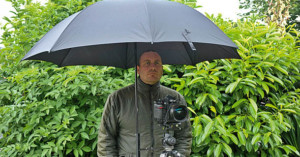
If you find yourself regularly shooting in the rain and in need of a better way to keep yourself and your gear dry, check out the tripod-mounted umbrella holder seen in the photo above. It keeps an umbrella fixed directly above you and your camera, allowing you give your full attention to photo-making. A quick trip to the hardware store will get you the ingredients you'll need: a few brackets, a pipe to serve as the holder, and some nuts and bolts. Most of the components come together quite …

Photograph Otherworldly Environments Using a Fish Tank, Salt Water, and Dyes

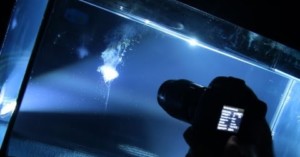
If you want to capture photographs or videos of otherworldly environments without using any computer generated imagery, one way is to create miniature worlds in your garage using a fish tank and salt water (a technique that has been used in numerous Hollywood movies). The video above is a tutorial on this trick by filmmaker and visual effects guru Joey Shanks.

Build Yourself a Cheapo DIY Beauty Dish Using Styrofoam Bowls

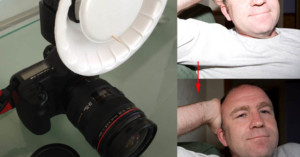
Photographer Kirsty Wiseman didn't want to shell out money for a real beauty dish -- she doesn't really need one -- so she built this funny-looking DIY beauty dish for a few pennies using a couple of Styrofoam bowls, a couple of cocktail sticks, and a piece of aluminum foil. After playing around with it, Wiseman was delightfully surprised to find that her gear hack actually produced decent results.

Create a Custom Pencil Holder by Rolling Up Prints of Your Favorite Photo

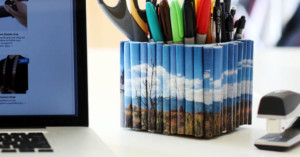
Want a personalized pencil holder for your workspace that features your photography? Check out this neat "photo-roll holder" idea by Tali Schiffer. The basic ingredients are an empty box and a bunch of duplicate prints of the same photograph. If you roll all of your prints to the same diameter (using a pencil or a paintbrush helps), you can line them up side-by-side to recreate your original photo while creating a loopy wall around your box. Depending on the size of your holder and the diameter …

A Simple Explanation of the Metering and AE-Lock Features in Your DSLR

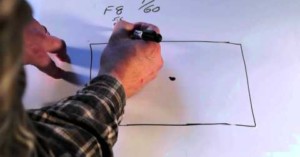
Want a better understanding of how the metering and AE-lock features in your DSLR camera work? YouTube photography tutorial channel PhotoUniverse made this simple explanation that explains the concepts using a whiteboard. He quickly steps through evaluative (which uses a database of many "known" photos) and center-weighted metering before spending a good amount of time explaining spot metering and how you can use it in conjunction with AE-Lock to properly expose photographs.

The Joy of Macro: Thomas Shahan is the Bob Ross of Bug Photography

Bob Ross became a household name a couple of decades ago through his show The Joy of Painting on PBS. His friendly personality, soothing voice, and artistic talent got countless people hooked on oil painting, beating the devil out of paintbrushes, and creating happy little trees and clouds. He's the kind of guy who could (and did) talk about watching paint dry and make it enjoyable.

Make a DIY Camera Insert to Safely Carry Your Gear Inside Any Bag

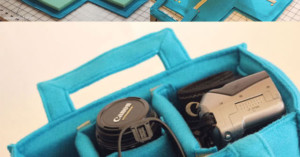
California-based designer Joy Kelley of How Joyful upgraded her camera recently and needed a new bag to carry it around in. Instead of buying or making a single camera bag, she decided to make a flexible padded insert that can be moved around from bag to bag. After creating a very nice looking insert and testing it out for a few months, she writes, …

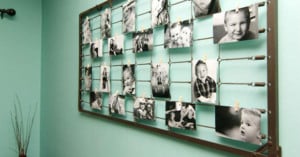
Decorate Your Wall With Pictures Using a DIY Photo Ledge

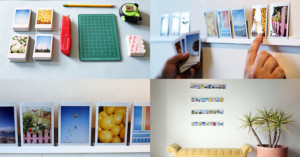
If you want a way to display and rotate through your latest prints and instant photos, you can try making yourself a photo ledge. It's a simple photo holder created using a long piece of plastic u channel molding, available at your local hardware store. Find a way to attach it to a wall -- perhaps using velcro, tape, pins, or adhesive -- and you'll have yourself a convenient little ledge that you can use to show off your images. The photos simply rest inside the gap in the plastic ledge, so you …

Make a DIY Bounce Wall Using Cardboard and a Clothes Hanger

Earlier this week, we shared a funky piece of camera equipment called the Bounce-Wall, which features a large card that serves as a surface to bounce your flash off when you're out and about. While the pricing wasn't available at the time, David Hobby of Strobist has since revealed that it'll carry a $99 when it's released later this month.
Make a DIY Bean Bag Stabilizer Using Old Jeans and Some Lentils

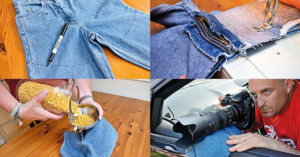
The bean bag is a tool that photographers sometimes use to stabilize their camera. Plop it down on a fixed platform, and the bag can do wonders for achieving sharper shots. Instead of buying a bean bag for a marked up price, you can easily create a do-it-yourself version at home. After all, it's just some beans in a bag... Digital Camera World has a step-by-step tutorial on how you can create one using some lentils and a pair of unwanted jeans.

Great Two-Hour Lectures on How to Use Photoshop and Lightroom

Looking for free lessons on how to get started with using Adobe Photoshop and Lightroom to post-process your photographs? Look no further than the official YouTube channel of New York City camera shop B&H Photo Video. The store often invites well-known professional photographers to hold lectures on subjects they're knowledgable in and passionate about. The collection of videos aren't as shared as other shorter tutorial videos you'll find online due to their great lengths -- they run up to two …

Five Beginner DSLR Focusing Tips for Shooting Tack-Sharp Photos

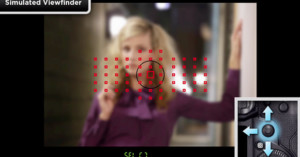
If you recently upgraded from a compact camera to a DSLR, one of the first things you probably noticed was that focusing is done completely differently. Instead of simply pointing your camera at a subject and letting the camera figure out what to do, you now need to think about autofocus points, which often don't seem as "intelligent" as the focus systems in point-and-shoot cameras. The truth is, autofocus points are extremely powerful and give you a great deal more freedom -- you just need to …

Make a Film Roll Bandolier to Make Sure You Never Run Out of Shots

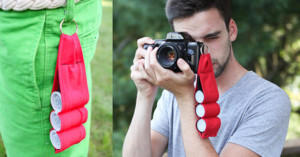
Bandoliers are pocketed belts made for holding ammunition. They're often seen in action and war movies, slung over the chests of tough guys holding big guns. If you'd like to ensure that you never run out of photographic ammo (AKA film) when you're out and about, you can make yourself a nifty DIY film ammo strap. Photojojo says that these are inspired by old school camera straps that come with elastic film loops, but we definitely think you should go the extra mile and turn them into full-blown …

Make a DIY Dashboard Camera Mount for $10 Using a Car Sponge

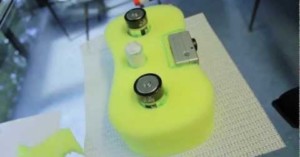
When filmmaker Ben Gill recently needed a way to attach his cameras to a car dashboard for a movie he was making, he decided to go the DIY route and come up with a makeshift solution. His resulting mount costed less than $10, and worked quite well. It was created using a car sponge (the kind that looks like a giant peanut) and some rug pad.

Build a DIY Bluetooth GPS Unit for Your Nikon DSLR

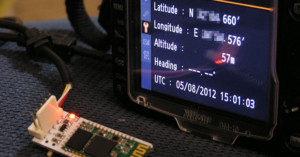
Israeli photographer Ido Nassimi wanted to geotag the photographs shot using his Nikon D90, but didn't want to shell out $200 bucks for Nikon's official GP-1 GPS receiver. Since he had a GPS Bluetooth receiver lying around, he decided to do some research and make it compatible with his DSLR. He ended up successfully building one for around $50.

Make a $2 DIY Motion-Activated Alarm for Your Camera Bag

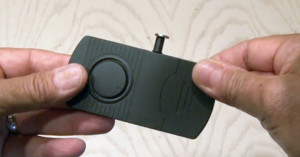
For people looking to protect their belongings from theft in public places, there are bag alarms out there that can alert them (and everyone around them) if someone tries to pick up their stuff. DIY hacker Kip Kedersha (kipkay on YouTube) recently came up with a clever way to make one of these alarms for just $2.

5 Tips to Being a Thrifty Photographer

In this guide, you will find out how you can save money on film photography. I will go over five basic ways on how any film photographer can pursue their artistic dreams and develop their creative outlets without having to spend a fortune.

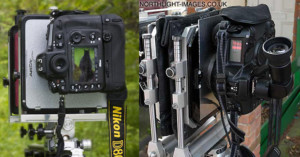
Turn a Monorail View Camera Digital by Attaching a DSLR

Digital view cameras can be quite pricey, but if you have an old analog view camera and a DSLR sitting around, you can combine the two cameras to make a DIY frankencam. Northlight Images has a tutorial for doing this with Canon DSLRs, and Nikon Rumors has a tutorial for Nikon shooters (either tutorial should work for you regardless of which brand you use). The resulting rig allows you to take advantage of the tilt and shift features of view cameras.

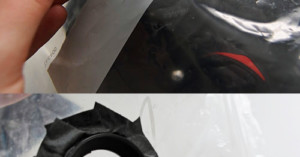
Make a DIY Rain Cover for Your DSLR Using a Ziploc Bag

If you need to do a quick shoot in the rain but don't have a proper rain cover handy, you can quickly put together a makeshift one using a large Ziploc freezer bag. Photographer Kariann Goodkey over at Purple Summit Photography has a step-by-step tutorial on the conversion, which basically involves cutting out a whole and using gaffer tape to secure your lens hood to the "cover". Goodkey writes, …

How to Shoot RAW Time Lapse, A Tutorial Series by Preston Kanak

Over the years we've featured many incredible time lapse videos shot in locations ranging from Disney Land to Paris, but seeing an awesome time lapse and making one from start to finish yourself are worlds apart. This tutorial series, put together by videographer Preston Kanak and introduced in the video above, offers amateurs and professionals alike the opportunity to learn how to shoot amazing RAW time lapse footage absolutely free.

Canon Offers On-Camera Tutorials That You Watch on Your DSLR Screen

Want to learn more about your Canon DSLR without leaving the comfort of its LCD screen? Canon has a series of "on-camera tutorials" that you can load and watch on most of its latest DSLR models. The video tutorials, which cover everything from AF modes to multiple exposure shooting, are meant to be loaded onto memory cards and viewed on-the-go using your camera itself. To find your camera's tutorials, find and click its model on this products page, and then select "On-Camera Tutorials" at the …

How to Make a Cheap Monopod Using a Broom Handle

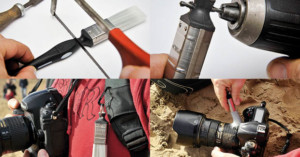
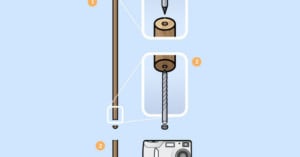
If you're in need of some quick image stabilization but don't want to shell out the $16+ dollars it takes to buy a real one, an old broom handle can do the trick. All you need besides the handle -- or a 1-inch wooden dowel, or a big stick -- are a hex nut and hanger bolt for the tripod mount and a spiral nail for the base. MAKE has the lowdown on how you put the ingredients together to form "the world's cheapest monopod".

How To Shoot Liquid Flow Photographs

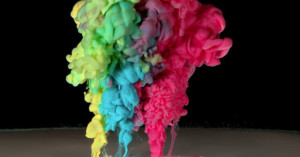
In this tutorial I will share how I shoot "liquid flow" photos -- smoke-like abstracts done by dropping cream colored with food dye into a small tank of water, then rotated 180 degrees.

Get To Know Your Nikon Better With Tips and Techniques from Nikon’s Digitutor

There's a lot of resources out there for people who want to get to know their SLR just that much better -- ranging from books to about a gazillion (that's a technical term) YouTube tutorials -- but not a lot of people seem to know about Nikon's own Digitutor website. The Nikon Digitutor offers helpful flash tutorials about all of the different aspects of your Nikon camera.