Tutorials

Whether you are a beginning photographer or a seasoned professional, there are always new things to learn and more areas to improve in. PetaPixel regularly publishes in-depth tutorials on a wide range of subjects, from Photoshop tips and post-processing techniques to ideas on building your own cameras and do-it-yourself equipment.

The Red Hallway Trick: Using a Colored Gel to Spice Up Your Background

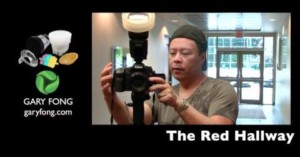
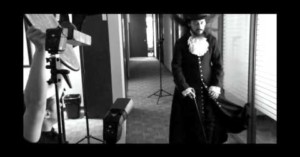
Here's a short and sweet video in which photographer/entrepreneur Gary Fong shares his "red hallway" trick for turning a drab background into something colorful. The basic idea is to trick your camera into thinking the world is a certain color by doing custom white balancing with a colored gel in front of the lens. Once you have the WB set, use the gel over your flash to color balance your subject while the background is transformed.

A Ring Flash Lighting Tutorial Complete With Zombies and Soda

If you've ever wondered when, or how, or why you might use a ring light or ring flash, this short lighting tutorial from The Slanted Lens should help you answer all of those questions. In this case, Jay P. Morgan was shooting for Zombie Juice soda and he took the opportunity to explain why he chose to use a ring flash, some of the disadvantages of ring flashes, and how he supplemented it to get the perfect shot.

How to Simulate Looking Through a DSLR Viewfinder

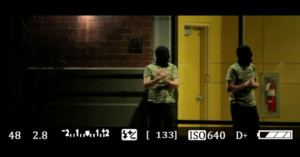
If you're creating a short film that requires a "through the viewfinder" clip, there's an easier way to create it than pointing your camera through an actual viewfinder (does anyone actually do that?). In the short tutorial above, Luke Neumann of Neumann Films shows how you can simulate the look of a viewfinder by overlaying your footage with some focusing screen images. All the necessary image and audio files are available as a free download.

The Care and Feeding of Your Tripod

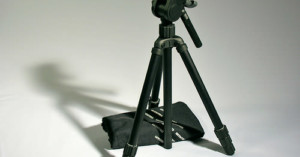
Being a good photographer, you have a tripod. Maybe two tripods. Maybe even a big, heavy duty one for your big lenses, a standard one for everyday use, and one of those small, cool ones that folds up like a roadmap and you can carry it in your back pocket.

The Art of the Headshot: How to Shoot Perfect Portraits

Portrait photographer Peter Hurley gave this talk at the recent Google+ Photography Conference in SF. His training on headshots have made quite a splash in the photo world in the past year, and this free hour-long lecture is a great way to glean some tips for your work.

How to Photograph Complete Strangers

Portland-based photographer Jimmy Hickey made this helpful video in which he shares how he goes about shooting portraits of complete strangers he meets during his travels both overseas and on his local streets. He has some great tips that you can easily apply to your own street/documentary photography.

How to Use a Heavy-Duty Laptop Bag Strap with Your Camera

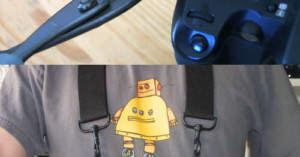
Laptop bag straps make for pretty comfortable camera straps since they're designed for carrying a good amount of weight on your shoulders, but they usually come with clasps that aren't compatible with strap mounts. Nano_Burger has the solution: add clasp-friendly loops to your camera using some thin strapping, staples, and Gorilla glue. The sturdy loops will last the lifetime of the camera, and can be cut off if you ever decide to switch to a different strap.

How to Crush the Composition

Here's a talk Photoshop guru Scott Kelby gave at the recent Google+ Photography Conference on how to "crush the composition". It's a talk that goes beyond the basics of rules of thirds, leading lines, and repeating patterns.

How to Make a 360° Analog Camera Hat

Mike Warren has written up an in-depth tutorial on how you can build a 360° camera hat using 6-8 disposable cameras. The cameras are worn around the head like a crown, and are simultaneously trigger using a single shutter release with the help of servo motors that depress the shutter when triggered. Warren writes, …

Create a Giant Wall Clock Using Picture Frames

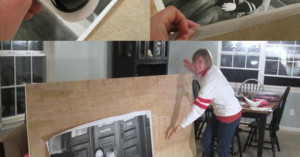
Want to enjoy a glimpse of photographic awesomeness every time you glimpse at the time at home? Create a giant wall clock with picture frames to mark each hour! You'll need a clock kit (or a disassembled clock) and 12 picture frames. You can be more serious by shooting photos of the numbers 1 through 12 for the frames, or go creative by putting in all kinds of random images.

Hack Your Exif Data from the Command Line: Five Fun Uses for Exiftool

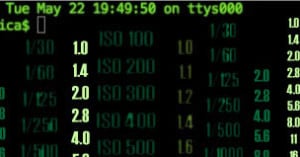
It happens every time you press the shutter. Tiny circuits spring into action and furiously record the information from every sensor pixel onto your memory card. But pixel information is not all that is recorded. With every shutter press, your camera records dozens of interesting details about how the photo was taken. These details are tucked away deep inside the labyrinth of code that comprises your photo file. Photo editing softwares, such as Photoshop or Lightroom, can unlock some of this …

The Five ‘F’s of Street Photography

Here's an interesting video in which street photographer John Free shares a system he's developed to take the confusion and guesswork out of practicing street photography, called "the five Fs". He says that contrary to popular belief, it's not about "seeing": …

How To Make a 150-foot Wireless Remote by Hacking a Garage Door Opener

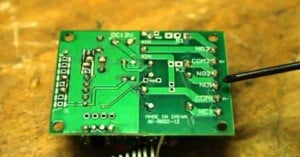
While working on some light painting shots, Sawo from Enlightpaintment was frustrated that he had to keep running back and forth from his camera. Even using an IR remote he was adding seconds of unnecessary exposure during which he wasn't actually doing anything but running. So, in a fit of creativity, he decided to put together his own DIY wireless remote using about $20 worth of equipment from Radio Shack and eBay.
How to Scan Film Negatives with a DSLR

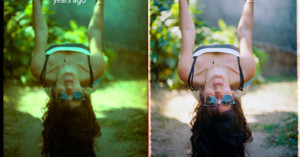
Well, lets just say I've gotten better at this over the last couple of years. The left image was one of the first I've "scanned" with my DSLR, and the one on the right I've just rescanned using the techniques described below (higher resolution available here). Right now I can get higher resolution and better image quality that what street labs give you on CD.

Understanding Octoboxes, A Quick Lighting Tutorial by Jay P. Morgan

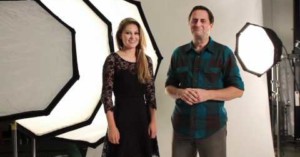
Admittedly, lighting tutorials are pretty common these days; but when it comes to a subject as vast as proper lighting in the studio, more info can't hurt. This 10 minute tutorial from The Slanted Lens by Jay P. Morgan runs you through the differences between octaboxes/octadomes and the traditional softbox, when it might be beneficial to use one over the other, and how to choose the proper octabox lighting setup to fit your needs. All pretty useful info if you ask us.

Upgrade the Look of Black Picture Frames with Spray Paint and Painters Tape

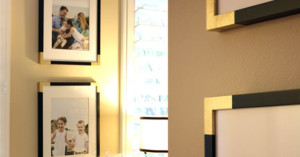
After seeing some elegant black picture frames with brass edges in a designer magazine, Courtney of A Thoughtful Place realized that she could create the same look on the cheap by using some plain painter's tape and a can of brass spray paint. The project takes a couple hours to complete and a few dollars in supplies, and is a thrifty way to add a dash of style to your home if you don't want to shell out money for pricey frames.

DIY Lamp Made Using Vintage Cameras and Slide Film

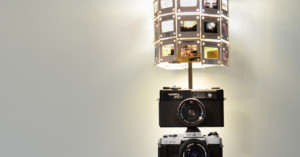
Camera hoarder Stacie Grissom of Stars for Streetlights received a massive collection of old cameras from her uncle a couple years ago. She soon discovered that she wouldn't possibly have time to use all of them, so she took a few of the neglected and worn down ones and made a one-of-a-kind lamp for her home. The cameras were turned into the lamp base using a pipe and some cold weld, and the lamp shade was made using color slide film. If you have some broken cameras lying around and want to …

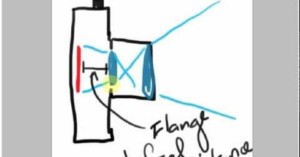
Create Your Own DIY Tilt-Shift Adapter Using a 3D Printer

We really enjoy DIY projects for photographers, and as such we've featured everything from the ultra simple to complex light-painting robots. But what excites us about Instructables' DIY tilt-shift adapter isn't just the durable plunger adapter you end up with, but rather the idea that one could manufacture their own camera accessories with a little bit of design skill and a 3D printer (check out Shapeways if you don't have one sitting around).

HD Video Explained: Why 720p is Better than 1080i

High definition video recording is a standard feature on digital cameras these days. If you've never really understood the terms 1080p, 1080i, and 720p, here's a short and sweet explanation that'll bring you up to speed. Benjamin Higginbotham of Technology Evangelist describes the differences between varieties and why you can consider 720p "better" than 1080i.

How to Properly Light a Black and White Photo Shoot

You may remember photographer Benjamin Von Wong from last week's behind-the-scenes video of his photo shoot with the band The Agonist. In that video he showed you how he put together a very creative, cinematic composite shot that really stood out from other band photos. In this video, Benjamin runs you through the lighting challenges unique to black and white photography, and how he chose to overcome them.

Make a Cheap Shutter Release for a CHDK Canon Camera with a 5V Battery

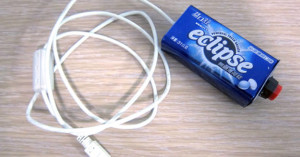
If you have a Canon compact camera running the Canon Hack Development Kit (CHDK) firmware, you can create a simple shutter release cable using some cheap components. The firmware causes the camera to snap a photograph anytime 5V is sent down a USB cable connected to the camera. You can do this using a USB cable (e.g. the one that comes with your camera), 5V battery, simple push button, and some kind of housing (a metal candy tin, for example). Oh, and you'll need to be comfortable cutting up …
An 8-Bit Explanation of the Three Basic Components of Exposure

Matthew Gore of Light & Matter created this beginner-friendly video tutorial on the three basic elements of exposure: aperture, shutter speed, and ISO. It's explained with easy to understand illustrations and examples, and features graphics and sounds that are reminiscent of old 8-bit video games. You can also find a text-based version of the tutorial here.

The Afghan Box Camera: Not-So-Instant Instant Photography

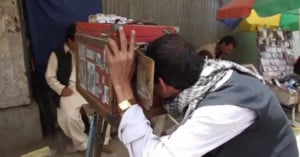
The Afghan box camera, or kamra-e-faoree as it's called in Afghanistan, is a humble creation that has served its purpose well for many years. We say humble because the "camera body" consists of a wooden box, the "focusing apparatus" is a metal shaft attached to a piece of wood, and the "shutter" is controlled by removing and reinserting the "lens cap" manually.

How to Transform a Cheap Foot Candle Meter into a DIY Light Meter

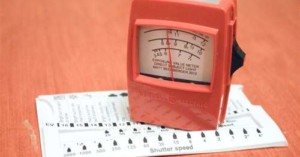
For those of you amateur photographers out there who like shooting film, sometimes old cameras don't have the right light meter for getting the correct exposure. Sometimes they are faulty, inaccurate or have no light meter at all! Photographic light meters can be pretty expensive but analog foot-candle meters are cheap because they don't really have any photography purpose, until now. This guide will show you how to put it to work for photography.

How to Shoot Great Sunrise Photography

In this video from Master Photo Workshops photographer Jim Zuckerman shows you how he creates his iconic sunrise photography, using a beautiful lighthouse as his subject. He begins with the basics of choosing your subject and exposure well and then continues on to explain the need to move quickly, "work the scene," and understand that auto white balance works against you in sunrise and sunset scenes.

Creating a Cloud Fly-Thru Video Using Only Four Still Images

This video tutorial, courtesy of Jeff Farmer of XNCreative.com, is a testament to what someone can do with just four still images, Photoshop, Motion, and a whole lot of creativity. The images were shot using a Canon EOS Rebel T2i, and all of the editing and effects work was done in Adobe Photoshop CS4 Extended and Apple Motion. Although Jeff makes it seem very easy, words like "meticulously" clue you in to the amount of time this must have taken to make.

Make a DIY Grid Spot Using a Gutter Adapter and Drinking Straws

Photography enthusiast Jeff Vier made himself a cheap DIY grid spot using a $5 gutter downspout adapter he purchased from Home Depot and a $0.50 bag of drinking straws. Simply cut all the straws to the same length (the longer the straws, the more focused the light), carefully arrange them inside the adapter, and then use super glue to fix them into place. Vier found that his makeshift adapter fit perfectly over his Speedlight 580 EX II without any adjustments.

Make a Fleece Cozy for Lens Protection

Here's a short video tutorial on how you can make a cozy for lens protection using some fleece and some velcro. It's a simple wrap that allows you to keep your lens safe when transporting it in something other than a camera bag. Simply measure out a piece of fleece that's the appropriate size and sew some velcro onto the ends. The project takes about 30 minutes and costs a buck or two for each cozy.

How to Create a Mind-Bending Camera-less Mirror Self-Portrait

Snapping a self-portrait of oneself in a mirror is something every photographer has probably done before, but have you ever created one in which there isn't a camera in the shot? The images look impossible, but they're not too difficult to create using some careful planning and clever Photoshop trickery. Basically, all you need to do is photograph each arm and your head separately and then stitch the photographs together. Joshua Dunlop over at ExpertPhotography has published a tutorial on the …

Create Anthotype Photos Using the Photosensitive Juices of Plants

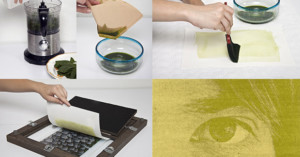
Looking for a weekend project? Try you hand at creating an anthotype, or an image created using photosensitive material from plants. Grind up some plant matter to harvest the juices, paint the juices onto some paper, place a negative over the paper, and then leave the image out under the sun. When it's done exposing, scan the image to preserve it and place the print in a dark place, since light will slowly cause the image to disappear. Photojojo has a step-by-step tutorial on the process here.

A Simple Explanation of F-Stop Numbers

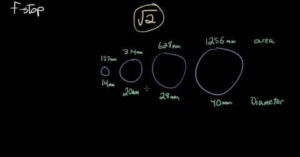
Even if you have a good command of using f-stop numbers and properly exposing photographs, you might not understand the math behind why f-stop numbers are what they are. Here's a simple (albeit math-filled) explanation by Dylan Bennett of what f-stop is, including a simple trick you can use to memorize the f-stop scale.

How to Compose Shots When Shooting Skateboarders

Here's a tutorial by skateboarding photographer Michael Burnett in which he discusses various composition tips and techniques. His area of expertise is in shooting skateboarders, but the tips are very applicable for other types of photography as well.

Photography 101: Using Available Light

Vimeo has partnered up with Nikon for a new educational video series titled Do More With Your DSLR. The first video is about "working with available light", and is geared towards beginners who are just starting to figure out how to use their DSLR camera. You can find a more in-depth discussion of the concepts in the video (e.g. exposure, white balance, ISO) in this article.
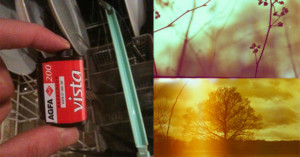
Distress Your Film by Putting It Through a Dishwasher Cycle

There's a subgroup of film photographers who are dedicated to coming up with inventive new ways to distress film in order to achieve unexpected -- and occasionally beautiful -- results. Last year we shared that soaking film in rubbing alcohol does strange things to your images. Here's another crazy idea: put a roll of film through the dishwasher. Photographer Tom Welland did just that and ended up with some vintage-looking photos.

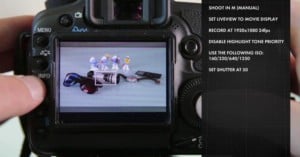
How to Optimize Your Canon DSLR for Filmmaking

Here's a helpful video that shows how you can optimize your Canon DSLR for video recording based on Vincent LaForet's recommendations. It's geared towards the 5D Mark II, but is applicable for other video-capable DSLRs as well (e.g. 5D Mark III and 7D). There's also an article over on LaForet's blog that explains the reasoning behind the various settings.

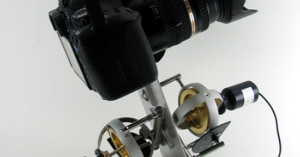
DIY Gyroscopic Camera Stabilizer Made On the Cheap

Physics guru David Prutchi recently came across a line of professional grade gyroscopic camera stabilizers by Kenyon Laboratories. They cost thousands of dollars each, but Prutchi noticed that the designs hadn't changed much since they were first patented in the 1950s. He then set out to create his own DIY version using low-cost gyroscopes from Gyroscope.com. His finished device (shown above) actually helps stabilize his DSLR when shooting video or when photographing with non-image-stabilized …

Personalize a Birthday Party with Picture Perfect Party Hats

If you want an extra personal touch at birthday parties, you can turn portraits of the birthday boy or girl into picture perfect party hats! Simply print out a portrait using a special template, turn it into a cone, add some fringe, and you're done. Eden over at Sugar and Charm has the low down.

How to Visualize Photography Lighting Setups in Blender

Not too long ago I finally got around to picking up a decent manual flash for exploring lighting and speedlight techniques. I picked up a Yongnuo YN-560 Speedlight Flash for Canon and Nikon, and my friend Sean was kind enough to send me his old radio triggers to play with. I was mostly all set to start exploring the world of off-camera lighting...