Tips

Tips for Getting Maximum Performance Out of Adobe Lightroom

Is your Adobe Lightroom running slowly on your computer? Adobe regularly receives questions through social media regarding sluggish photo editing, and recently decided to start compiling the non-traditional solutions that work onto a single helpful page. In the Lightroom Help section of the Adobe website, there's now a page titled "Performance hints".
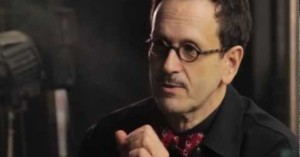
Greg Heisler on Photography Techniques and Drawing Inspiration from Within

A couple of days ago, we featured a BTS video showing how portrait photographer Greg Heisler got a great Time magazine cover shot of Michael Phelps before the 2004 Olympics using some creative techniques and a lot of preparation.

In this video, part of the same Master Series, Heisler discusses photographic techniques and how they can actually mask your vision if you rely too heavily on them.

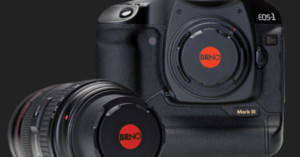
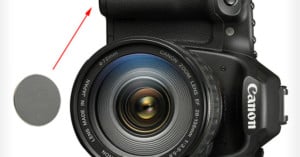
BRNO Dehumidifying Caps Helps Keep Sharpness In and Fungus Out

Fungus is one of the banes of a camera lens' existence. In humid environments, nasty things can begin to happen if some fungus spore-laden dust particles make their way into your lens. To prevent fungus from growing inside a lens, photographers often silica gel packets to control the amount of moisture in and around their glass.

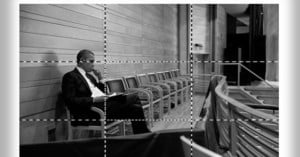
Observing vs. Participating: Behind the Camera

A camera can be many things. A tool, to produce an image. A bridge, to start a conversation. An observer, to record an event, or bear witness to something. A shield, to distance and separate the photographer from the scene he or she is attempting to capture.

There’s a big difference between being part of the action, and just being a witness to the action. Which do you think makes for stronger images? Unquestionably, the former. However, it’s not that simple: photojournalism is like quantum mechanics.

How to Determine the Age of Your Lens Using Canon’s New 10-Digit Serials

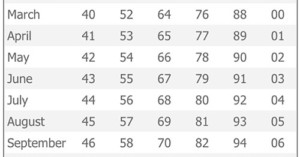
Canon has been putting a date code on its lenses since the 1960's, but ever since 2008 the company has been transitioning to a 10-digit serial system, sans date code. At first this caused quite a stir, as many a conspiracy theory began popping up; but not to worry, the code is there, it's just been incorporated into the new 10-digit system.

Photographer Has $2,000 in Camera Gear Go Missing After a JetBlue Flight

When photographer Jess T. Dugan picked up her luggage after a flight from Chicago to Boston on December 18th, something didn't feel quite right. It felt a bit lighter than it should have. She opened it up, and, lo and behold, several thousand dollars of camera equipment was missing -- oops.

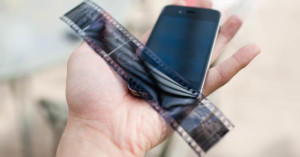
Why You Should Digitize Your Film Using a Camera Instead of a Scanner

If you shoot film and aren't much into chemicals (or don’t have a basement in which to keep a gigantic 5×7″ enlarger), you’ll soon find yourself needing a way to import those beautiful pictures you’ve taken onto your computer. What? Why didn’t I say, “you'll need a scanner”? After all, it’s not 1987 anymore -- scanners are as common as toaster ovens.

The Ethics of Photographing Random Strangers on the Street

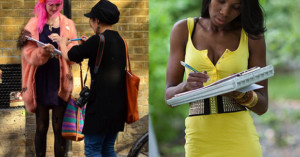
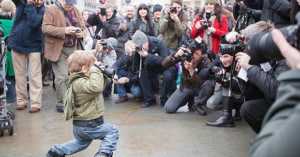
Street photography is a genre that every photographer will try at least once in his or her career. Its broad appeal stems from the fact that you can do it anywhere; there’s a human element to the images that captivate the viewer, and if done well, can make for some extremely arresting images.

However, it also requires balls. You have to get close enough to your subjects; and with people, invading personal space is uncomfortable (and possibly hazardous to health) for both photographer and subject.

Use Science to Become More Productive as a Photographer

Want to learn how to be more productive with your photography? Instead of simply "trying harder" and relying on your willpower, a better way may be to take simple steps that have been shown to be effective by science. The above 3-minute video, created by artists/educators Mitchell Moffit and Gregory Brown, offers some tips that science has taught us about being more efficient at working and spending less time getting our work accomplished.

A Collection of Free Sample Legal Forms for Photographers

If you're looking to make money from your photography, it's important to have the correct legal forms signed by the correct people, whether it's releases by models that pose for you or contracts with gallery owners who will sell your work. To get you started in figuring out what your contract needs to say, legal contract service Docracy offers samples of some of the most common and important legal forms that photographers use.

Beware Counterfeit Memory Cards Being Shipped From Amazon Warehouses

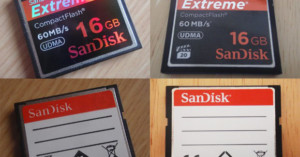
Check out the two memory cards above. One of them is a counterfeit card while the other is a genuine one. Can you tell which is which? If you can't, we don't blame you. Japan-based photography enthusiast Damien Douxchamps couldn't either until he popped the fake card into his camera and began shooting. The card felt a bit sluggish, so he ran some tests on his computer. Turned out the 60MB/s card was actually slower than his old 45MB/s card.

While it's not unusual to come across counterfeit memory cards -- it's estimated that 1/3 of "SanDisk"-labeled cards are -- what's a bit concerning is how Douxchamps purchased his: he ordered the cards off Amazon -- cards that were "fulfilled by Amazon."

Your Breath Contains Harmful Acids That Can Damage Camera Lenses

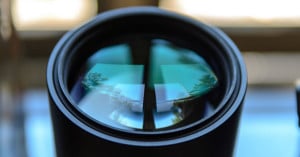
Do you ever clean the front element of your lens by fogging it up with your breath and then wiping it off with a cloth? If so, you might want to stop -- Nikon says the practice could be damaging to your glass. Apparently human breath contains stuff that isn't too friendly toward camera lenses.

How to Quickly Resize Multiple Photos in Mac OS X Using a Terminal Command

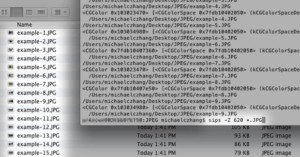
If you use a Mac and regularly need to resize batches of photos, there's actually a tool built into your operating system that lets you do just that without having to open any image editing program. It's called "sips", which stands for scriptable image processing system. It's extremely easy to use, but you'll need to know how to use Terminal to take advantage of it.

Tips for Shooting Killer Silhouette Photos

My wife Tori and I are suckers for a good silhouette. While out photographing, we are always scanning the environment for a good silhouette opportunity. We don’t nail every attempt, but over the past few years, we’ve picked up some simple tips that increase our chances of achieving a killer silhouette shot. If you want to execute a jaw dropping silhouette, put these tips to practice and chances are, you’ll accomplish your goal!

Primer on Shooting Long-Exposure Night Photos on a Mountain

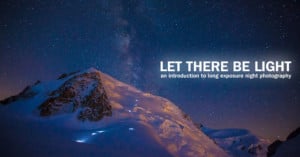
If you have 20 minutes to spare and would like to learn all about how to shoot long-exposure photos showing landscapes and starry skies, check out this primer by adventure photographer Kamil Tamiola. Titled "Let There Be Light," the video steps through many of the fundamental aspects of long-exposure night photography, from choosing the right environment to choosing the right gear.

Snapping Pictures While You Vote Could Get You In Trouble with the Law

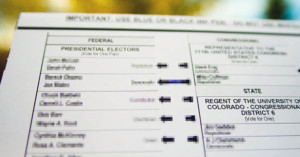
As you make your way to polling places today to cast your votes, you might want to look into your state's laws before pulling out your camera and snapping photographs inside your voting booth. Certain states have pretty strict laws with regard to snapping and sharing photographs of ballots. Earlier this year, Wisconsin election officials specifically warned voters that sharing photos of ballots on Facebook or Twitter is a Class I felony, punishable by up to 18 months in prison and a $10K fine.

How to Shift the EXIF Timestamps for a Large Batch of Photos

Here's a friendly public service announcement: remember to time on your camera before and after Daylight Savings Time (which just ended yesterday in the United States) -- unlike cell phones, digital cameras generally don't adjust their own time. If you accidentally forgot and now have a bunch of photos with timestamps that are off by an hour, there are some programs out there that can help you set things right.

The Benefit of Researching a Subject’s Life Before Shooting a Portrait

Here's a nice little video in which photographer Matthew Jordan Smith tells the story of a portrait session he had years ago with American actor/dancer/singer Gregory Hines. After finding himself in a sticky situation with a subject that wouldn't offer the personality and emotion Smith wanted to capture, he reached deep into the knowledge of Hines that he had accumulated through his research; one particular fact saved the shoot.

18 Facts of Life for Photography Students

Every year, I go to my alma mater and give a lecture for 3rd-year advertising-photography students on the business of photography. At this two-hour lectures, I cover all sorts of points about the ups and downs of being a busy commercial photographer in NYC, and also try to tell them straight facts of what the “real world” is like. Here is a summary of some of the most important words of wisdom I try to pass on to young photographers.

Olympus OM-D EM-5’s Art Filter Works Nicely as a Focus Peaking Feature

For those of you who are desperate for Olympus to release a focus peaking feature for the OM-D EM-5, did you know that there's a trick you can use for "ghetto focus peaking"?

A French photographer named Nicolas recently found that the camera's "Key Line" Art Filter actually works quite well as a focus peaking feature. Simply turn on the filter, set your camera to shoot RAW+JPEG, and focus/shoot away. You can throw away the artsy-filtered JPEG files afterward, but the RAW photographs will be precisely focused thanks to the clever "hack"!

Use an Index or Business Card to Attach a Color Gel to Your Smartphone

Dissatisfied with the way your smartphone photographs are turning out when the built-in flash is fired? When desperate times call for desperate measures, you can make your flash match the ambient light around you with the help of a colored gel. The flash is often just a tiny LED, though, so how do you comfortably "mount" the gel to your smartphone? Reader Todd Glidden has an answer: use an index card.

Inkonomics: Why It Pays to Pay a Little More When Buying a Photo Printer

In the market for a new photo printer and not sure what to buy? Here's a tip: shelling out a little more dough on the printer itself could potentially lead to massive savings over time.

The reason is ink, sometimes called "black gold" (or... "colored gold"?). The general rule of thumb in the printer industry is: the cheaper the printer, the more expensive it is to keep it filled with ink.

Why Photographing Gorillas in the Wild Takes a Huge Amount of Guts

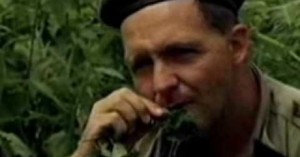
Want to see what it's like to photograph wild gorillas up close and personal? Check out the clip above from the 1974 documentary Gorilla by Dieter Plage. It shows Belgian photographer and conservationist Adrien Deschryver in heart of Kahuzi-Biega National Park in Zaire, snapping pictures of gorillas from a short distance away.

In dramatic scenes the tale of an abandoned baby is shown in heart-stopping detail. Brought into the forest by Deschryver to help it adjust to its natural habitat, it begins to scream when it hears other gorillas, and is subsequently snatched from him by the dominant silverback. Stunning photography captures the sheer force of the silverback’s intimidating demonstration before he grabs the youngster.

Deschryver demonstrates one of the things you learn in Photographing Gorillas 101: don't run when they charge.

Trick: Easily Set Photos to “Private” in iOS by Cropping Them Down

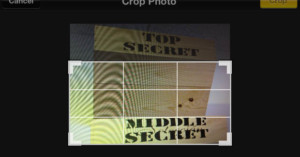
If you own an iOS device, you've probably noticed that the Camera Roll in the native Photos app doesn't come with any way to mark photographs as private. For this reason, the App Store features a large number of apps (both paid and free) designed to offer that feature, allowing you to choose what to show and what not to when someone else is flipping through your photographs. If you want an easy way to "mark photos as private" without having to download a special app (or pay money for a fancy one), Amit Agarwal over at Digital Inspiration offers this simple trick: crop them.

A Handy Guide to Not Sucking So Bad on Instagram

New York City-based filmmaker Casey Neistat has strong opinions on social networks and how they should be used. His favorite one at the moment is Instagram, but he has a message for many of its users: "you're doing it wrong." The video above is his guide on how to "not suck so bad" with the photo sharing app. Don't worry: it's not about filters. (Be warned, though: there's a bit of strong language).

Why You Should Be Extra Careful When Bringing Camera Gear Through Airports

You've probably heard people say that you should keep your camera gear with you at all times when flying, as there are multiple points in the travel process at which your valuable equipment could get stolen or damaged. In case you're not convinced, check out the video above showing an investigative report that ABC News recently did.

To test airports that have a history of theft, Brian Ross of ABC's The Blotter left 10 iPads inside the plastic bins at security checkpoints. At 9 out of 10 airports, the screeners followed protocol and immediately contacted the owner using the contact info prominently displayed on the iPad. In the 10th case, an agent was filmed taking the iPad out of the bin before it vanished.

How to Survive as Quality Photography Becomes Less Scarce

When the web first emerged, web design knowledge was a scarce commodity, and developers were able to charge ridiculous amounts of money to create simple websites. Now that everyone and their mother knows how to do simple HTML, you'll need to learn a lot more and offer something unique to stand a chance in the freelance market.

The exact same thing is happening in the photography industry. As the cost of shooting, printing, and distributing photos goes down, simply knowing how to take "good pictures" is no longer enough.

7 Great Photography Tips by Reuters Photojournalist Damir Sagolj

Here's a great video by Reuters in which Bangkok-based photojournalist Damir Sagolj shares seven things about photography he has learned over the years by working in the field. They are: anticipate, research, reach out, prioritize, practice, interact, and be invisible. Although the tips are geared towards photojournalists trying to document the issues of the world, many of them can be applied to everyday photography as well.

Infographic: How Women Feel About Being in Photos

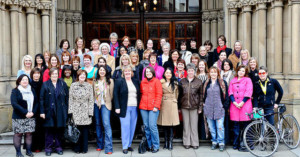
Photo printing company PhotoBox recently conducted a survey of 1,000 women aged 18-65 to find out how they feel about being in photographs. An interesting finding was that the women generally cared much more about how other women view the images than how men view them. Only 10% of women care about what men think of their photogenic-ness. Of the other 9 in 10 women, it's the 36-45 demographic that cares the most about being judged by other women.

Overhead Bin Full? Pull Out Your Camera Prior to Checking In Your Bag

When overhead bins on airplanes fill up, flight attendants will often ask passengers to gate-check their carry-on bags. If this happens to you, be sure you take out your camera gear out of your bag prior to handing it over to the attendant. It's not just for peace of mind in knowing that your gear isn't being thrown around and abused: major airlines generally have provisions in their contracts that keep them from being held responsible for electronics in checked bags. If the camera is damaged or stolen, you might be out of luck.

Protect Your Camera Gear from Burglars by Keeping it In Your Kid’s Room

If you want to protect your pricey camera gear from burglars, one of the safest places in your house (besides a safe, of course) is one that might not be very obvious to you: your kid's room. The Readers Digest published a simple slideshow containing home-proofing tips gleaned from the minds of convicted burglars. One interesting tip is that burglars generally don't go into children's rooms when hunting for valuables to steal.

DSLR Acting Strange? Try Changing the Internal Clock Battery

If your DSLR ever dies in your arms or starts acting funny, here's a simple thing to check before shelling out money to have it examined by professionals: the camera's internal clock battery. Redditor Aero93 writes,

So my camera died out of nowhere. No matter what I did and tested, it wouldn't turn on. Canon quoted $400 to check the cam + labor parts. Independent repair guy was around $250. It was too much for me. I decided to tackle the problem on my own. I got the manual online. Started taking the camera apart. I got stuck on one thing.

After that, I started asking around on a forum. Somebody suggested I check the internal clock battery, I didn't even now it existed and its right next to the regular battery. I went out and bought a new one. Boom, camera fired right up.

The internal clock battery is the one that keeps the clock in your camera running even when the main battery is removed. They usually cost about a buck each.