Tutorials

Whether you are a beginning photographer or a seasoned professional, there are always new things to learn and more areas to improve in. PetaPixel regularly publishes in-depth tutorials on a wide range of subjects, from Photoshop tips and post-processing techniques to ideas on building your own cameras and do-it-yourself equipment.
Tutorial: Creating a Surreal, Conceptual Photo Using ‘Zone Lighting’

In this tutorial I’d like to demonstrate that you don’t need expensive studio flashes to create a complex scene with subtle lighting. I haven’t yet seen anyone else do this quite the same way and there doesn’t seem to be a name for it, so I named the process “zone lighting”, a form of exposure blending by dividing the scene in different zones. But let’s start with a little bit of background about the project and its concept.

Ghetto-Flo: How to Create Your Own DIY Kino-Flo-style Lights for Portraiture

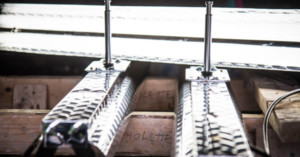
We were introduced to the “Ghetto-Flo” lights after reading the excellent blog of New York-based photographer Brad Trent. He had mounted 4 standard workshop fluorescent light fixtures into light-stand mountable strip lights. “Ghetto-Flo” because they're similar in use to the much more expensive Kino-Flo lights, though there are advantages to the later (variable power and output).

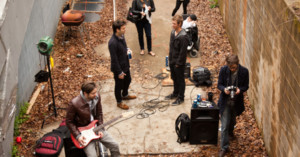
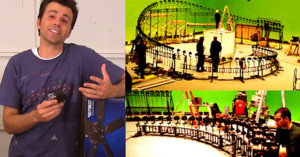
6 Tips for Effectively Shooting Behind The Scenes

In my experience there seems to be a common misconception that shooting production photography and behind the scenes videos/documentaries are an easy task. While it's true that these sometimes don't require the normal spit and polish, photographers are used to, especially in terms of video work, I can assure you they're no walk in the park.

So You Want to Shoot Film?

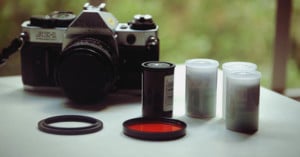
I have been shooting a lot of film lately and enjoy it tremendously, so I thought I'd share some of the experiences I've had in the last year or so, mainly so you can learn from the mistakes I made, avoid them and then make your own.

How to Make Polaroid Emulsion Lifts

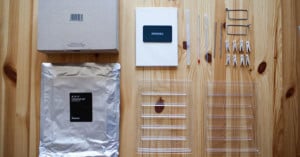
Earlier this year I tried Polaroid emulsion lifts for the first time. An emulsion lift (or emulsion transfer) is when the emulsion layer is removed from a sheet of instant film and then transferred to a different surface.

Film Photography Technique Tips for the Digital Photographer

Film photography is similar in many ways to digital photography, and most of your standard digital photography techniques apply to film too. You just have to understand the peculiarities of film and its limitations and you’re good to go.

How to File a DMCA Takedown to Stop Copyright Infringement

Finding a website using your photographs without your authorization can be a distressing situation. Luckily, the Digital Millennium Copyright Act (DMCA) of 1998 helps to protect individuals who have had their intellectual properties stolen on the web. This article is a guide to detecting and enforcing copyright by filing DMCA takedown notices with hosting providers that harbor copyright infringement.

4 Things to Consider When Making Time-Lapse Photographs

It seems the perfect storm of affordable cameras, constant updates in technology, and adventurous artists has hit us and brought with it a large wave of time lapses. I'm not sure when time lapses really became as popular as they are right now but they show no sign of slowing down anytime soon.

DIY: 35mm Film Slide Business Cards

Want to make some business cards for your photography business that stand out from among traditional cards? Try making some in the style of 35mm film slides. Last week we shared photographer Lars Swanson's beautiful slide cards, and this week we have a step-by-step look at how you can make something similar.

Tutorial: Three Different Ways to Shoot Day-to-Night Time-Lapses

The know-how to properly shoot day-to-night or night-to-day when you're capturing a time-lapse can add a special something to your final product, but the task may seem daunting at first. That's why photographer Preston Kanak has put together this comprehensive and easy-to-follow tutorial that discusses three approaches to shooting the perfect day-to-night time-lapse.

How to Add Dynamic Clipping Warnings to Photoshop

There are two types of clipping you probably try to avoid introducing into your images during post-production: luminosity clipping (when the brightest areas of an image become white, or when the darkest areas become black), and channel clipping (when the data within an individual channel becomes compromised). Both forms – unless you've made a deliberate decision to clip your data – are something to avoid.

Build a DIY Sound Blimp to Silence Your Camera for Less Than $100

Phoenix-based photographer Dan Tabár sometimes shoots on sound stages, sets, and quiet studios -- locations where a loud camera would either cause problems or cause angry glares and murderous thoughts. Needing a way to surpress the shutter sound of his Nikon D800 -- he says the "quiet mode is a joke" -- Tabár decided to create his own DIY sound blimp.

How to Shoot Starry Photos of Fireflies

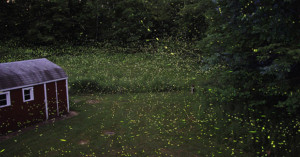
Firefly photographs are commonly shot using long exposures from a tripod. The proper exposure depends on the ratio of the fireflies' luminosity to that of the background. That ratio is constant if we assume (as is usually the case) that the background lighting doesn't change much over the course of a session. We usually would like a rather long exposure because we want to see lots of fireflies in the final image.

Quick and Easy Trick For Adding a Black Background to Your Shots Anywhere

Photographer Glyn Dewis shared this cool little technique that lets you work with a black background even if you don't have an actual backdrop with you. It's a fairly common trick that he refers to as "the invisible black background," and it's a nifty little tip that many photographers may want to keep up their sleeve.

My One-Shot, Zero-Setup, Sure-Fire Guide to Photographing Wedding Cakes

This guide is what I do during wedding days, and I typically photograph the cake right when I enter the reception location. Overall, I take 4 shots of the cake: 1 vertical, 1 horizontal, 1 detail of topper, and 1 detail of the base or whatever is the most interesting on the cake.

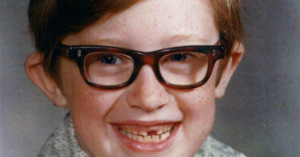
How to Photograph Kids… By a Former Poorly Photographed Kid

I am a former kid. I have lived through the trauma of bad photos taken of me by my father. I was not photogenic, and admittedly he had a cheap camera. He had a knack for catching the incredibly awkward moments of childhood in a way that now makes me cringe. If I could go back in time and give my 1970′s dad a few tips on how to take better pictures of me I would.

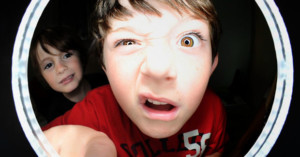
The Jarvie Window: Photographing Faces Through a Ring Flash

Check out the picture above. Pretty cool, huh? Well, to make photos like this you can use a special technique. It wasn’t invented by me, but by a Bay Area photographer named Scott Jarvie. It's a pretty eye catching way to take portrait photos, and here's an introduction to how it's done.

Tutorial: How to Get the Perfect Photo of a Steaming Cup of Coffee

Coffee is a wonderful thing. Early in the morning, there are few things that can put you at ease like a steaming cup of hot coffee warming your hands and firing up your brain. But have you ever wondered how those coffee advertisements manage to get the perfect shot of a coffee cup, steam and all? …

How to Process C-41 Color Negative Film at Home, From Start to Finish

I know there are a few guides out there for home processing, some of which were instrumental in helping me get over my fears. All of these other guides seemed to be a little incomplete and that lack of detail made me wait longer than I should have before taking the plunge. In reality, it’s easy to do your film at home. Let me show you!

How to Create Professional Time-Lapse Videos From Start to Finish

A high-quality time-lapse is a beautiful thing. From the aurora borealis over Norway to the thriving metropolis that is San Diego, we've featured many a gorgeous photographic fast-forward through time, each of them put together by photographers that knew how to pull the most out of the time-lapse medium.

A Photographer’s Guide to Freelensing, The Poor Man’s Tilt-Shift Lens

Freelensing is a relatively inexpensive way of getting the similarly unique effect of an expensive tilt-shift lens, where the focus plane is thrown out of whack with the added bonus of natural light leaks. No, this isnt anything new, and the look that an expensive tilt-shift lens gives has been around for a while, but I wanted to share with you my experience with it and how I did it.

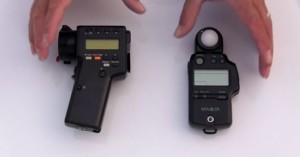
Informative Tutorial on the Types of Light Meters and How to Properly Use Them

Mark Vargo is a big time cinematographer who has worked on too many well-known movies to list. He's credited as a second unit director of photography on everything from Deep Impact and The Green Mile to Rise of the Planet of the Apes and Ted. In other words, knows what he's doing, and now he's chosen to share some of that knowledge with his fellow photographers and videographers.

A Complete Guide to Star Trailing

Ever see those pictures where the stars streak across the sky in a big arc? Or maybe the whole sky looked like it was spinning? What you saw was star trails. The streaks were light left behind on the sensor or film from the star as it traveled across the sky in front of an open camera shutter. In fact, what are being recorded are stationary stars and the rotation of the earth as it spins past them. For me, the images seem to have a certain magic or mystery about them.

Rechip Old Sigma Lens So That It Plays Nicely with Your New Canon DSLR

Older Sigma lenses that were designed for Canon EOS film cameras often don't work correctly when mounted onto a new EOS digital SLR, even though the newer bodies still use Canon's EF mount. If you're an owner of such a lens, you might have heard that you can send it in to Sigma's service center for them to rechip it in order to make it compatible again.

A Beginners Guide to UV Reflectance in Photography

Typical photography exists around the visible spectrum (think of the rainbow), but cameras are also able to pick up other wavelengths of radiation. Ultraviolet radiation, as the name suggests, comes after the violet section of the visible spectrum so is not visible to our eyes. However, some animals (birds, for example) are able to see UV.

Tutorial: Shooting Double Exposures with a Canon 5D Mark III

Cameras today have many extra functions that are often buried in menus and forgotten. Last year, I bought the Canon 5D Mark III and, after a few months, realized that there were some interesting features I had never played with. After figuring out that there was a way to do in-camera double exposures, I immediately started experimenting. At first it was very hit and miss. (I still hadn’t read the manual.)

How to Take Quality Product Shots for an Online Store

There are many niches in photography, but one we don't talk about often is taking product photos. Even though these types of shots don't fall under the professional umbrella -- we're not talking professional product photography, just product shots for an online store -- almost everyone at one time or another has had to sell something on eBay or (not for the faint of heart) Craigslist.

An Introduction to Playing with Ultraviolet Fluorescence in Photographs

Ultraviolet fluorescence is a mechanism in which UV radiation excites chemicals in an object and causes them to release visible light. There are many household objects which fluoresce, such as some washing detergents (anything that ‘makes your whites whiter), soda water (it contains a chemical called quinine which makes it taste bitter, and also causes the fluorescence), the dyes found in highlighters, the bacteria found on the face (which cause spots and acne), bodily fluids (including …