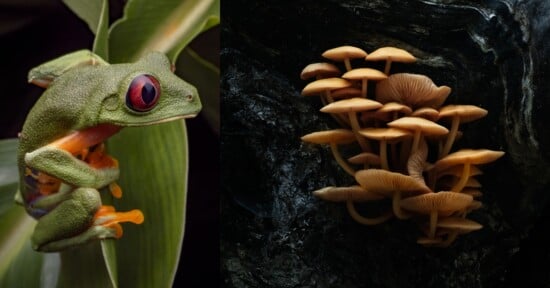
Nat Geo Explorer Bertie Gregory Deeply Cares About the Wolves He Has Followed for Seven Years
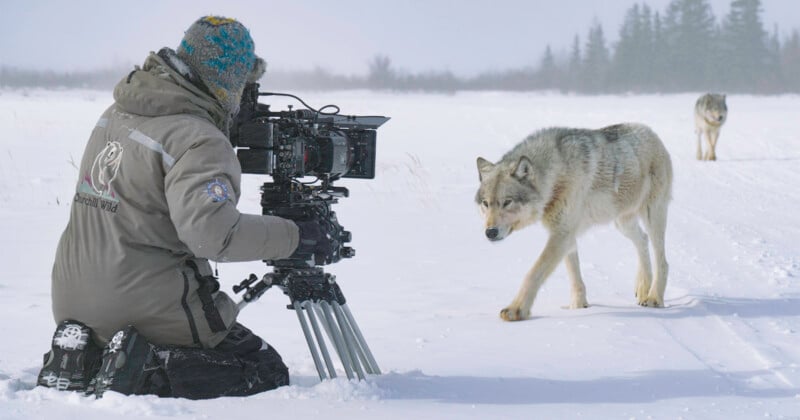
In National Geographic’s newest television program, Wolves Up Close With Bertie Gregory, the eponymous British wildlife filmmaker, acclaimed photographer, and ardent environmentalist heads to Hudson Bay, Canada, to film wolves in their harsh Arctic habitat. Gregory chatted with PetaPixel about filming the new documentary.
While the focus of the new documentary is clearly on wolves, a specific wolf pack in particular that Gregory has followed for seven years, Wolves Up Close is a smorgasbord of Arctic wildlife in general. There are polar bears, red foxes, and moose, each beautifully filmed.
“One of the best parts about filming nature, and also the most annoying part, is that it doesn’t read the script,” Gregory laughs. “I always joke with the production team that we often go out with this make-believe script that we’ve written and then nature on day one is like, ‘Nope.’ And that’s the frustrating part, but on the positive part of it, it means that you never know what’s gonna happen.”
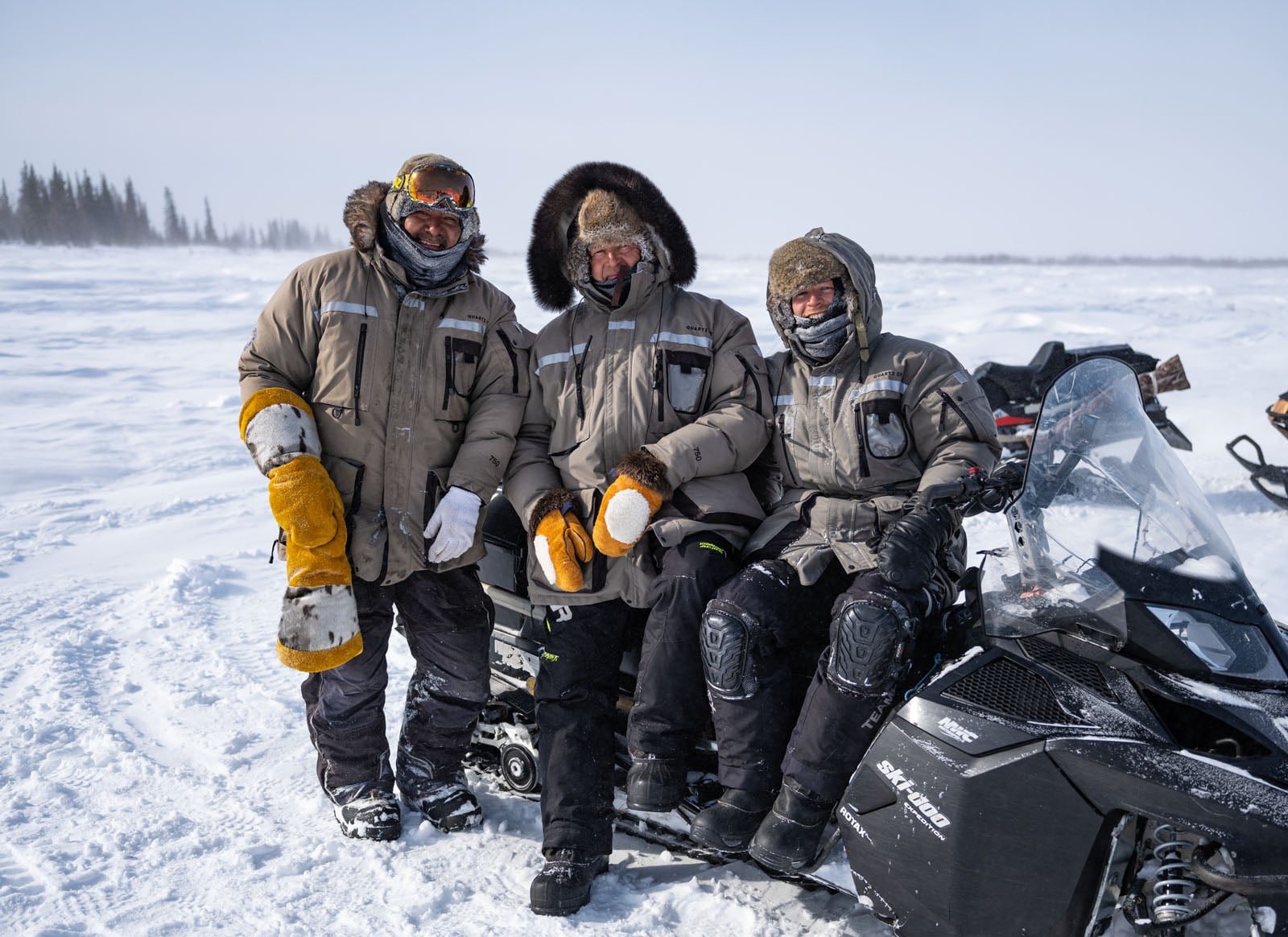
In one sequence, a pair of polar bears gets awfully close to Gregory and the rest of his small crew, which is admittedly a bit nerve-wracking for viewers. Gregory brushes off the dangers of wildlife filmmaking, thanks in large part to the local guides he worked with, including Mike Reimer and Albert “Butch” Saunders.
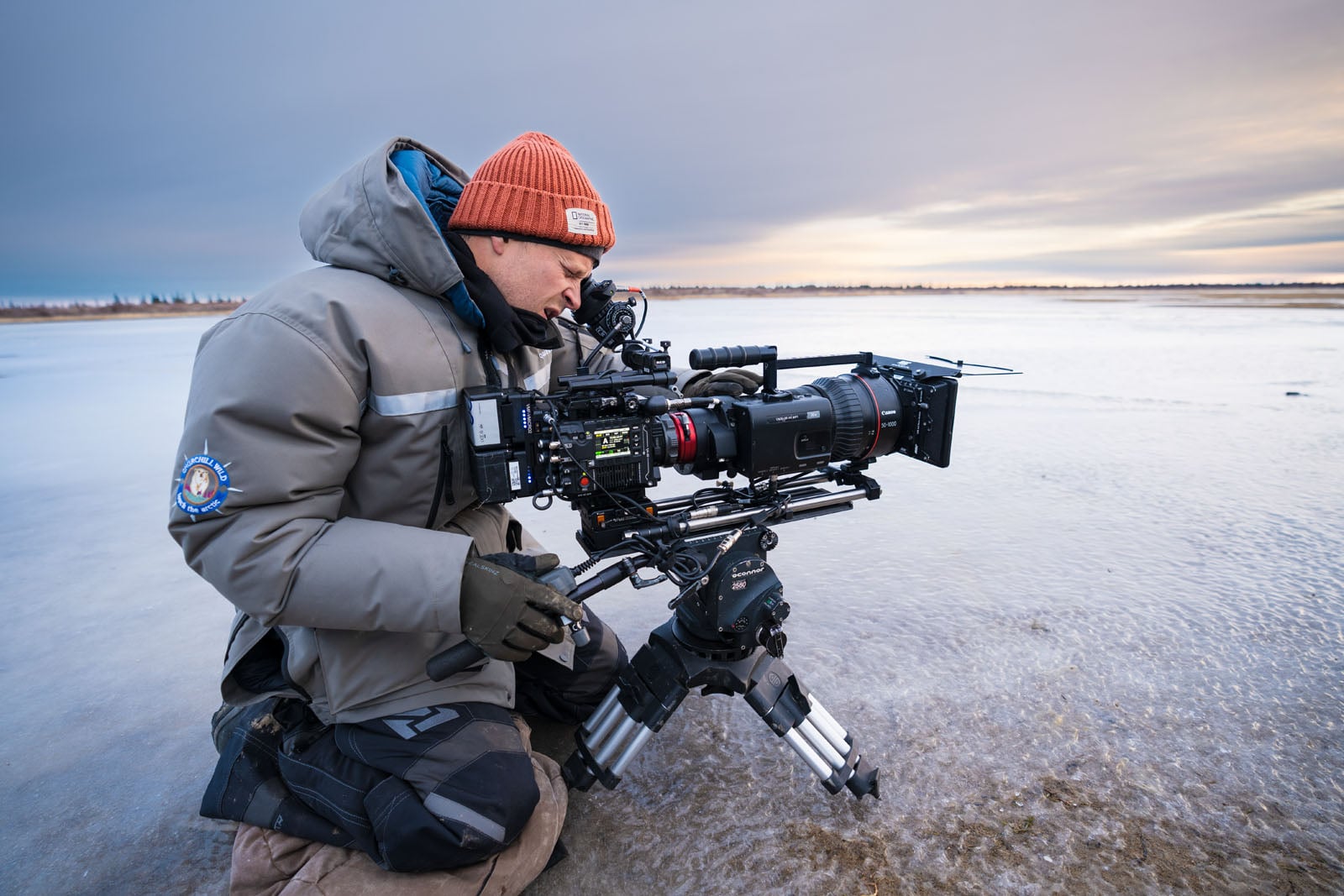
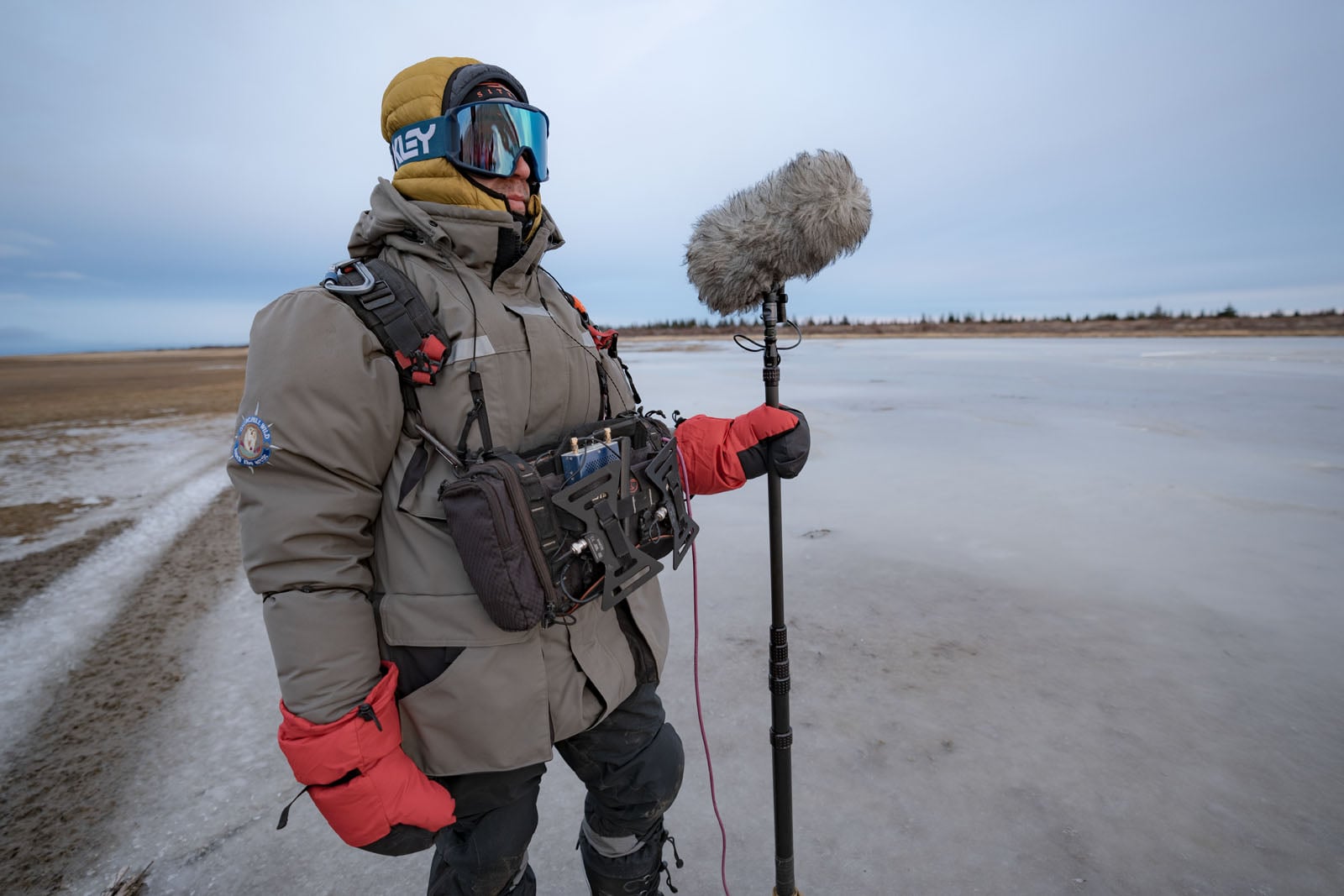
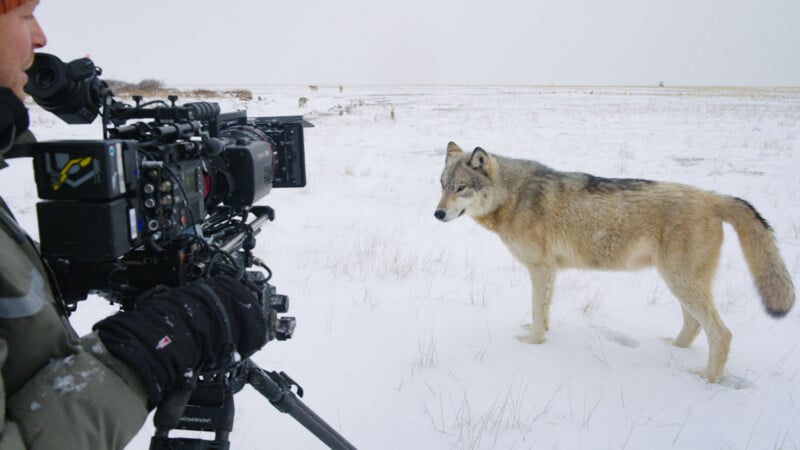
Gregory says he never felt nervous at all about the wolves, which likewise would saunter up to the crew to check things out, but what about the polar bears and moose?
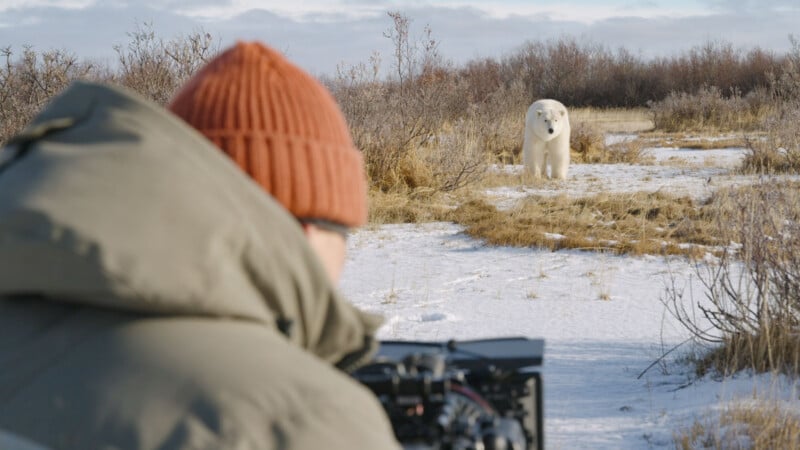
“They’re potentially dangerous animals,” Gregory admits. “But humans are really dangerous animals. You know, statistically much more dangerous than a polar bear or a moose. Just like with humans, you’ve got to read body language to stay safe. But I work with great people, like Butch and Mike, our local guides, and they were really key to keeping everyone safe.”
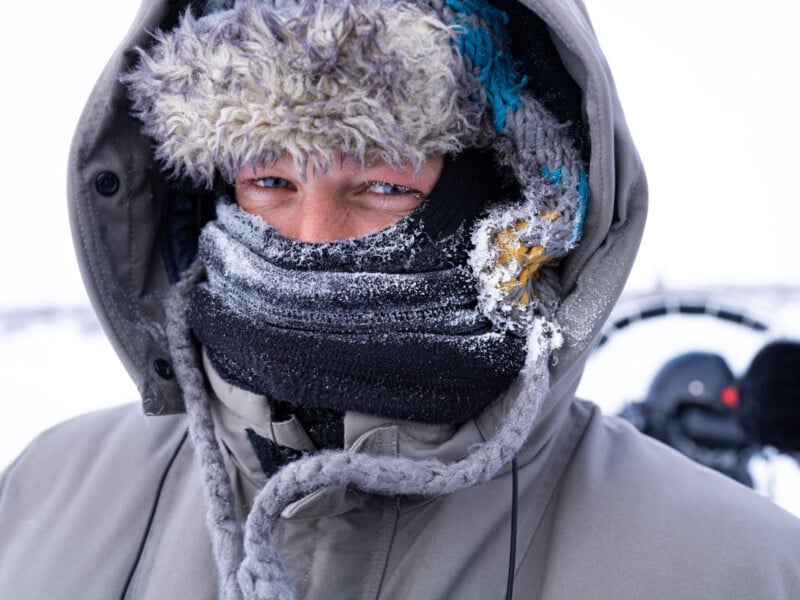
Besides, Gregory might have been too busy feeling cold to feel fear.
“Any time during the episode, I was cold. I was feeling cold.”
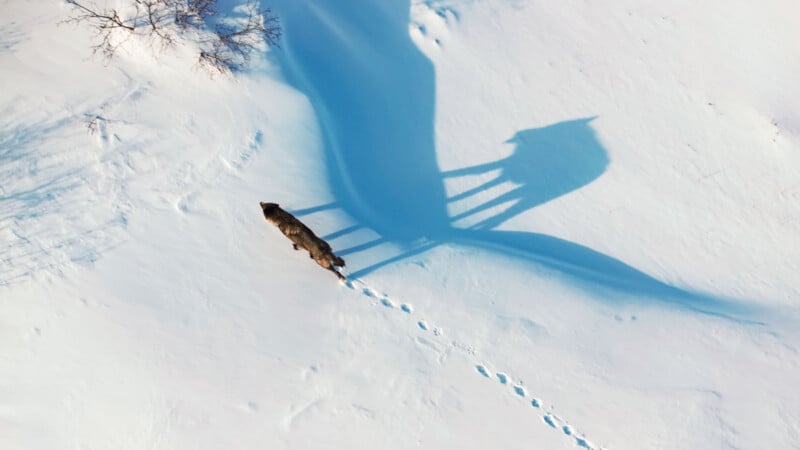
The veteran filmmaker didn’t just experience physical closeness to some of his subjects — again, he’s a trained professional — but also emotional closeness, especially to the wolves. Bertie has followed this same pack of wolves for seven years, and over that time, he argues it’s impossible not to feel a bond.
In contrast to old-school wildlife documentary practices, which effectively demand that filmmakers remain entirely detached from the nature they experience and shoot, Gregory doesn’t fight the natural urge to feel something about his subjects.
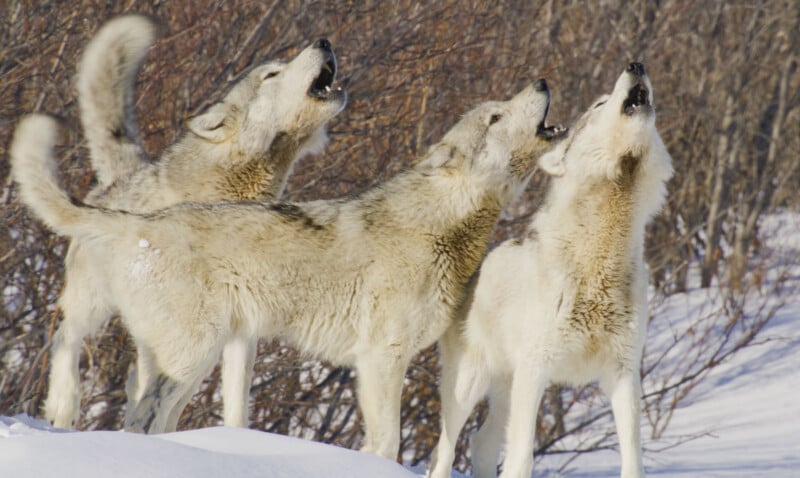
“I mean, we’re trained not to,” he admits. “We’re told not to get attached because you can’t get involved, but I think that’s BS. I think there’s no way you can follow a pack of animals, an animal family, for seven years and not care about them.
“I think if you don’t care about them, you’re pretty weird.”
Gregory says he isn’t actively trying to forge any bond, something he is fully aware would be a one-way street since the wolves “don’t care about us,” but he says, “I care about them.”
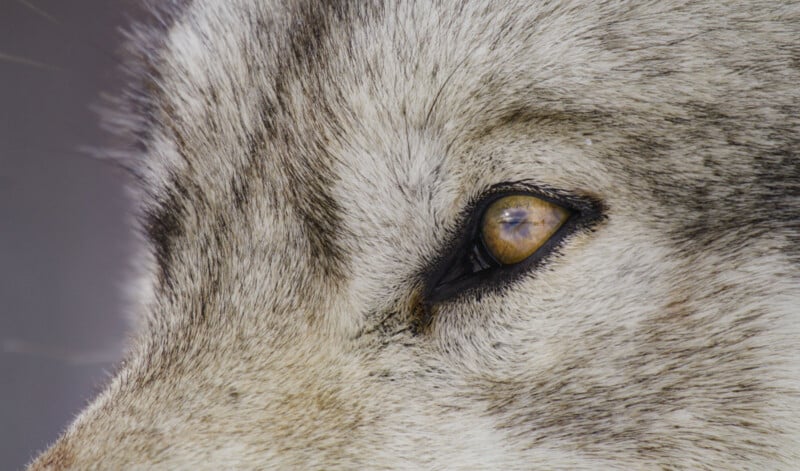
“There are two strategies when filming animals. You can either hide from the animals and they don’t know you’re there, or in the case of these wolves, you can have them know you’re there and be accepting of your presence. That’s an amazing relationship to have. They see us as kind of a part of the landscape.”
Viewers can truly feel through the screen how much Gregory cares about and loves these wolves. It shapes the way he films them, which I think is undeniably a good thing.
“You know when someone makes you like a bowl or a pot, or when you’ve got kids, they draw you a picture? There’s something intangible about the quality of the work and how much you like it when you know it’s been made with love,” Gregory explains.
He believes, rightly, that there’s something special too about wildlife documentaries that have been crafted with “real immense care and admiration for the animal.”
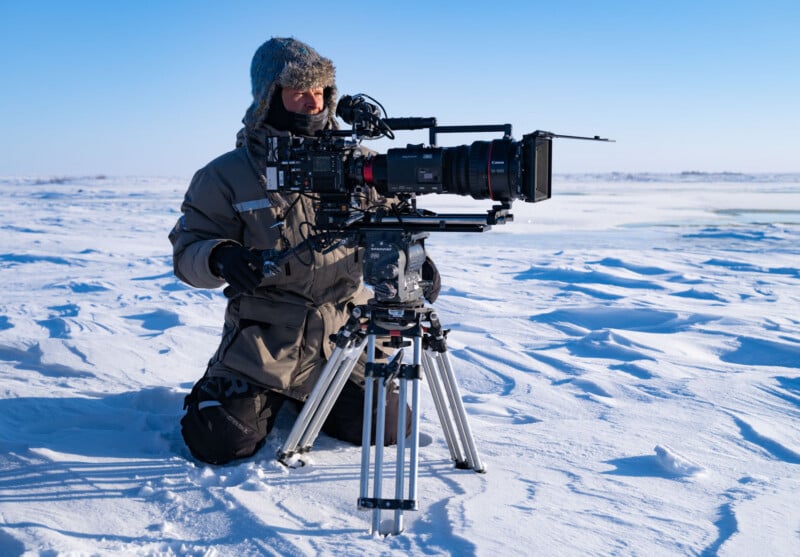
“I don’t think you need to try too hard to illustrate that. It just comes through naturally.”
For Gregory, wolves are easy to care about. He can’t help but wonder why such beautiful, intelligent creatures that are so much like the pet dogs many people love like they’re members of the family are treated so poorly and feared excessively.
As an example, the federal government is weighing a move right now to delist gray wolves and Mexican wolves from the Endangered Species Act, potentially removing the very protections that helped wolves rebound in the United States.
“That’s just so dumb on so many levels,” Gregory says. “So if you care about wolves, make your voice heard. Tell politicians, tell people with influence, tell them to shout about this stuff because it’s important. Not only are wolves important for wild places, but they’re representative of who we are as a species.
“It’s so weird that we value their closest living relative, the domestic dog, in such high regard that we let them come into our houses and sleep in our beds, but yet we’re so horrible to the wild version of them,” Gregory says somberly.
On a much more positive note, Gregory and his crew got to experience something extremely special out in the field, filming a pack of wolves chasing down a moose from their drone. It’s moments like these that inspire wildlife filmmakers like Bertie Gregory.
National Geographic graciously shared a clip from the incredible sequence with PetaPixel.
“I realized I was seeing something very special and something that no human in that area had ever seen before,” Gregory says. “Mike says on camera, he’s been watching wolves for 30 years and never seen that.
“We combined amazing traditional knowledge with new technology. That’s the dream combo. Old school with new school, working together.
“I knew we were seeing something special.”
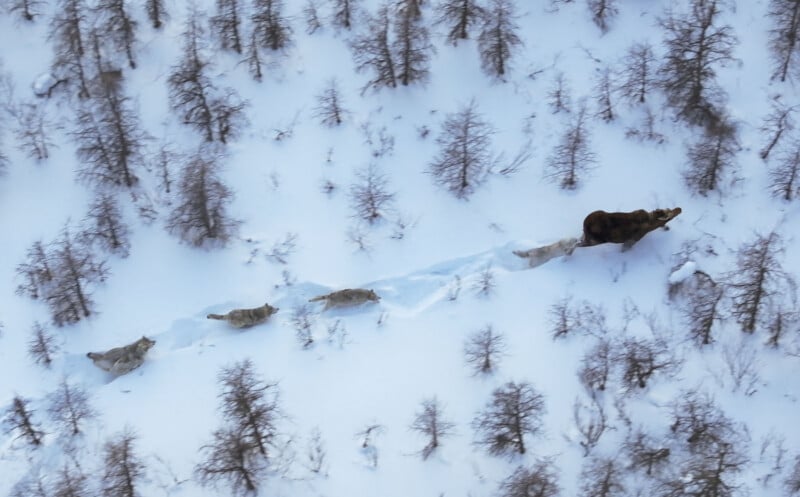
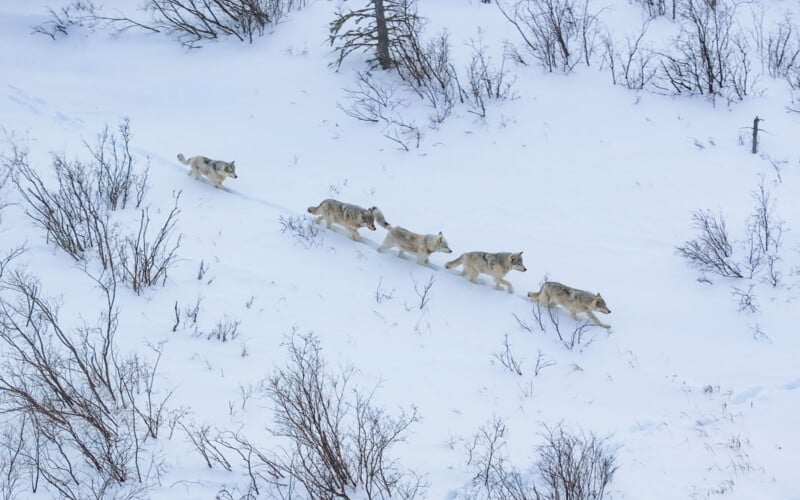
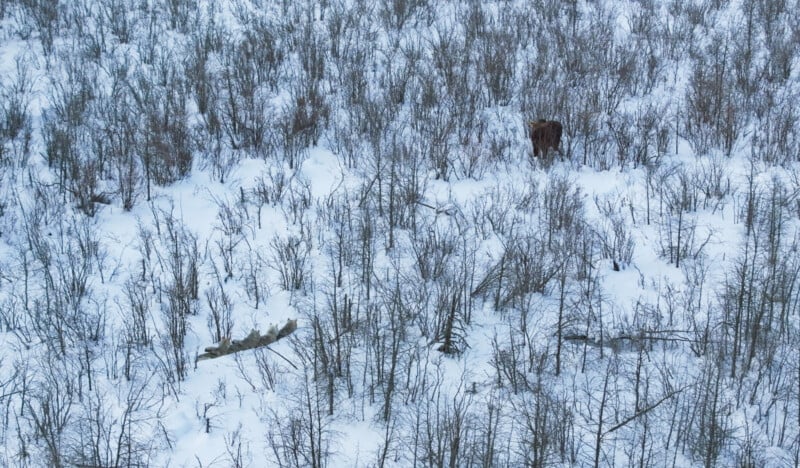
To make it even more special, it was a wolf Gregory has watched grow into a leader over the years, named Kona by “Butch” Saunders, that tried to take down the moose, latching onto one of its rear legs.
“I was like, ‘No one’s ever gonna believe this.’ It’s too good of a story,” Gregory says. “Then it dawned on me that I didn’t think Kona was going to survive it. The toll on his body. It just goes to show how tough these animals are.”
Kona survived the encounter, but there’s a poignant moment during the show when Gregory looks at the aging wolf and reflects on his age. Life in the Arctic is hard, and before you know it, the long, challenging winters have flown by.
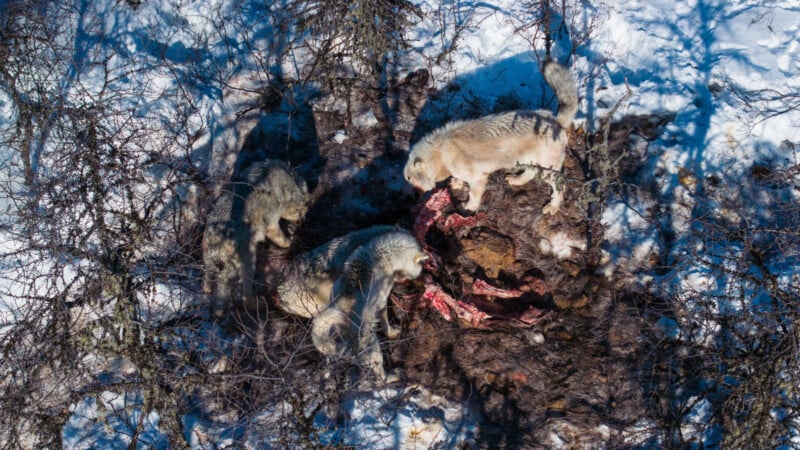
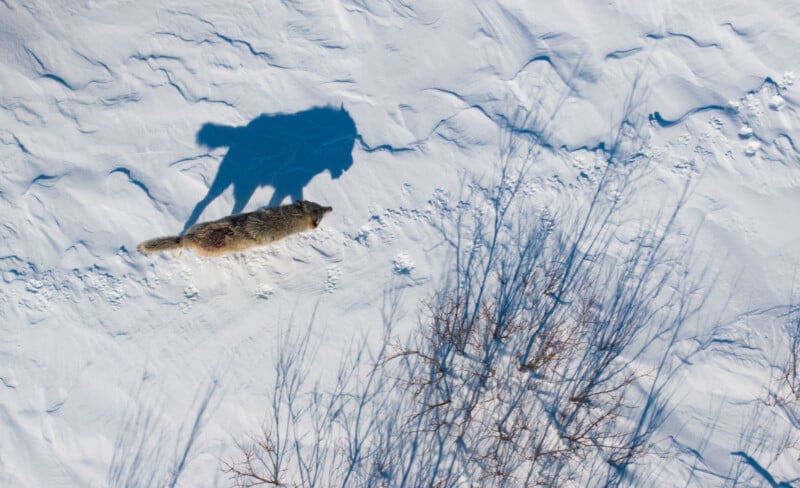
Kona may not have many winters left, certainly not as the leader of the pack. But for a beautiful moment, Kona looked every bit the apex predator.
Wolves Up Close With Bertie Gregory premieres tomorrow, November 6, on National Geographic and will stream the following day on Hulu and Disney+.
Image creditsNational Geographic
Affiliate Disclosure PetaPixel articles may include affiliate links; we may earn a commission if you buy through one.