
The Best Free RAW Photo Editing Programs in 2026
One of the most exciting advancements in digital photography over the last several years has been the rapid increase in the ability to shoot and edit RAW photos.
As cameras have rapidly evolved over the last decade, so have the requirements to get the most out of them. Specifically, what a photographer should care about when it comes to a computer has gone from simple, to somewhat complicated and often nuanced.
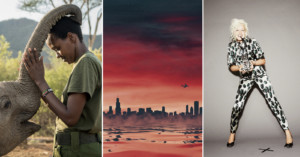
There is no better time than the start of the year to explore talented photographers who all have the power to inspire others. Each one of them with a unique visual voice and creative approach, these are ten female photographers you should know and follow.
Need to buy a gift for a photographer in your life but have no idea what to look for? We have scoured the world of photography to put together this list of best gifts for photographers you can find right now.
From importing, to organizing, to the editing process itself, few tools have the capacity to define a photographer’s workflow like Adobe’s Lightroom. Of the program’s many indispensable features, the ability to create user presets ranks quite high: it offers photographers the ability to lock in preferred looks, adjustments, and settings for rapid implementation across multiple images. Better still, these presets are readily shareable, allowing users easy access to the settings required for virtually any desired result without going through the hassle of creating them themselves.
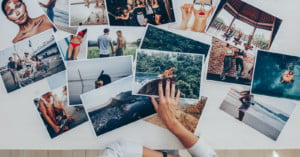
Over the last fifteen years, physical photography has become a rarity, even a luxury, for the everyday citizen. Modern cell phones have provided average folks with all the camera power they could ever need. Social media has rendered the storage and sharing of visual memories a strictly online affair. As with most recent innovations, the price for increased accessibility has been paid for in tangibility. What was once common has become quaint, what was universal is now bespoke.
There’s a lot of technology and terminology involved in photography. So, it’s no wonder that it’s easy to get tripped up when buying presents for photographers. And not just that: There are literally thousands upon thousands of photography products out there. Tyranny of choice, much?
Thanks to the smartphone camera, we can capture any memory we choose, at any time, but they’re more vulnerable -- and temporary -- than ever, but they all feel more temporary than ever. This is the modern paradox.
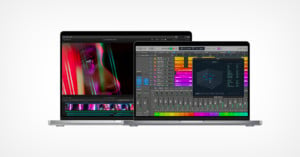
Seasoned photographers know that the search for the right laptop comes down to far more than a list of individually impressive specs. The perfect laptop for photo editing will not always be the one with the most bells and whistles, because perfection here is about so much more: usability, ease, intuition -- all the things that combine to create not just powerful imagery, but a powerful workflow as well.
Given all the choices when it comes to a new camera, it can be quite an ordeal to research and decide on just one. While it mostly depends on what you need as a photographer. If you've been leaning more towards picking up a mirrorless camera, then you're in the right place and we're here to help.
Whether you are a working professional or a weekend hobbyist, the thrill of using truly exquisite gear is unmatched. We all work with what we have while salivating over what we cannot, and no matter how old we get, fancy toys never lose their luster. Do we need them? Probably not. Will we ever purchase them? Not likely. Will we spend hours staring at them? You bet. Nothing is as intoxicating to a photographer as good, outrageously expensive glass.
There's one piece of equipment that the working photographer uses more than any other. No, it's not their camera. Not their favorite lens either. I'm talking about their photo editing monitor.
One of the most important tools in a photographer's toolkit is something many may be surprised by - a color-accurate monitor. But why are they so expensive, and why should a photographer spend so much on one?
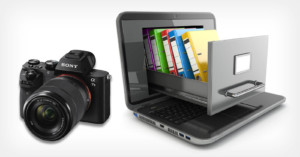
Losing priceless digital photographs is something that all too many people experience these days. If you want to make sure you store your digital files properly, read this guide on the best ways to backup your photos for a lifetime.
Domestic and international travel restrictions have loosened and more photographers are able to travel for leisure. But, besides practicing landscape or wildlife photography, are there ways of creating less predictable holiday photographs that still showcase your vision and creativity?
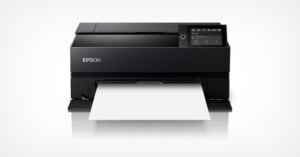
Photographers rarely need to carry a portfolio book of their work to show potential clients these days, but even with constant access to photos online, there will still be moments when every working photographer will need or want a printer.
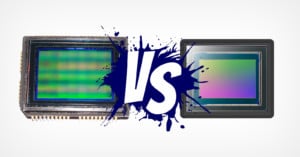
A lot of words have been written and exchanged about the difference between -- and possible advantages or disadvantages of -- CCD (charged-couple device) and CMOS (metal oxide semiconductor + active-pixel sensor) camera sensors. What really is the difference between them?
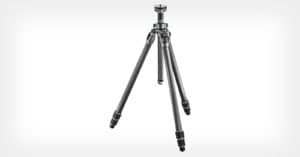
You've probably heard it before: a great tripod is one of the most valuable investments you can make as a photographer. Conversely, one of the worst investments you can make is buying a mediocre or straight-up bad tripod.
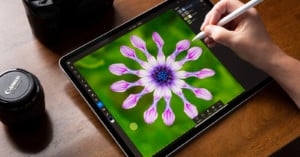
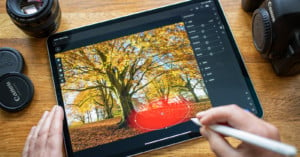
Just as there is hardly a one-size-fits-all best DSLR or best mirrorless camera for any given user, there is certainly not any single best application for everyone. Users’ needs and preferences vary wildly, especially considering the extensive capabilities of today’s iPhones.
Much of the imaging industry has transitioned from DSLRs over to mirrorless during the last few years. For most manufacturers, this shift in technology has resulted in the introduction of new lens mounts along with an ever-growing number of newly designed lenses. With so many options available, finding the right lenses to suit your needs can be a daunting task.
If you are reading this, chances are you’re aware of NFTs -- non-fungible tokens that are bought, sold, and traded on a digital ledger known as the blockchain. But what are their costs, risks, and side effects?
It is all too easy to fall into a trap of signing up for an ever-increasing number of photography and business tools that entice you with the promise of better organization and communication but lay on costly monthly subscriptions. Shed that overhead and consider these free alternatives instead.
The history of photography is over a century old -- in fact, it was 107 years ago that Oskar Barnack created the Ur-Leica, a camera that would later be known as the genesis of the 36x24 “full-frame” format. Since then, hundreds of companies across the world have, to varying degrees of success, produced everything from 35mm to 127 to an assortment of medium format sizes and finally to digital.
Summer is here! For many, this is a time to go road tripping, sunbaking, hiking, holidaying, watching fireworks, and eating ice cream. For some, it’s a time to watch others do the above – from behind a camera. We call those people photographers.
Through the history of camera development, thousands and thousands of different types of lenses have been designed and produced. Some did not advance beyond the prototype stage, some were privately commissioned, and naturally many were mass-produced to one degree or another. Of these, some are particularly rare.
We are all likely familiar with Adobe Lightroom or Photoshop as far as editing applications go and a lot of people love these apps for their versatility and powerful suite of features. But they do come with a price, and paying a fee isn't always what every photographer is looking for.
The NFT craze from earlier this year isn’t going away -- but perhaps has become even more mainstream in the last three months. It’s hard to name a celebrity, artist, or athlete who hasn’t cashed in on the explosive popularity of NFTs.
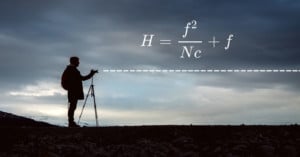
One of the more complex technical topics in photography is something called hyperfocal distance. At first glance, the basic definition of hyperfocal distance seems pretty straightforward: It’s the distance at which you focus your camera lens to get as much of your shot in focus as possible, from the foreground to the horizon.
Industry professionals recommend that photographers backup files locally on an external hard drive as well as with a cloud service. Even the best of us don’t always do this, which means we may delete files we never meant to, or we may lose them if something happens to our devices.
Although Adobe Photoshop has become known as the industry's leading post-processing software with its powerful non-destructive editing tools, it is by far not the only option available out there.
How many times have you come across the perfect evening scene -- camera in hand -- only to be left watching instead of shooting because there was not enough light? What you need is a solid tripod.
While recent years have seen mirrorless cameras growing in popularity, DSLR cameras still hold a place in many photographers’ tools of the trade. They still come with several advantages that make them top-notch choices, especially for pro photographers. These include optical viewfinder benefits, better ergonomics, longer-lasting batteries, and wider lens selection.
Do you have someone in your life who happens to love photography? Perhaps you are looking for a way to make them feel extra special after what’s been a tough year for all of us?
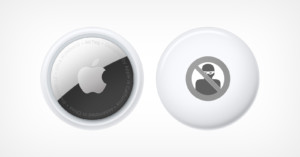
When Apple announced the AirTags last week along with the new iMac and iPad Pro, photographers immediately thought these might be able to help find stolen equipment. However, what is being called an "anti-stalker" privacy feature made it seem like that might not work. Luckily, Apple's design addresses this.
If you're among the list of creative professionals who recently moved to the new Apple M1 Macs, you might have discovered that the latest version of Photoshop is missing something you're used to seeing.
The Ethical Consumer, an alternative consumer organization based in the UK, found that it could not rate any camera manufacturer as ethical, and as a result recommends buying second-hand instead.
As a full-time travel photographer and writer, I could never have imagined I would be taking a 12-month hiatus from air travel. But, of course, that is exactly what Covid-19 has brought to those of us who are fueled by the excitement of travel photography.
As another year of taking photos rolls on, having enough storage is yet another thing on every photographer's checklist. Thanks to the cloud, we can have another layer of security and enjoy the convenience of accessing our photos anywhere as long as we have an Internet connection.
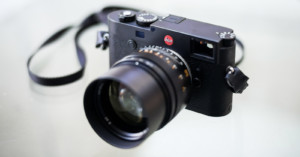
As a professional corporate photographer who completes around 300 professional assignments a year and has done so for many years, I have used a number of modern, ultra-fast lenses made by excellent optical equipment manufacturers, but I keep on coming back to the Noctilux 50mm f/0.95 lens by Leica.
When your finger presses down on a camera's shutter button and captures a photograph, that photo is instantly copyrighted with you as the rightful owner. However, there are benefits to formally registering your work with the United States Copyright Office. Today, we are going to take a look at the process involved in registering your visual artwork, along with the benefits of doing so and why you may want to consider it for photos you value.