
Mars Curiosity Rover Captures Photos of Rocks That Look Like Dragon Scales
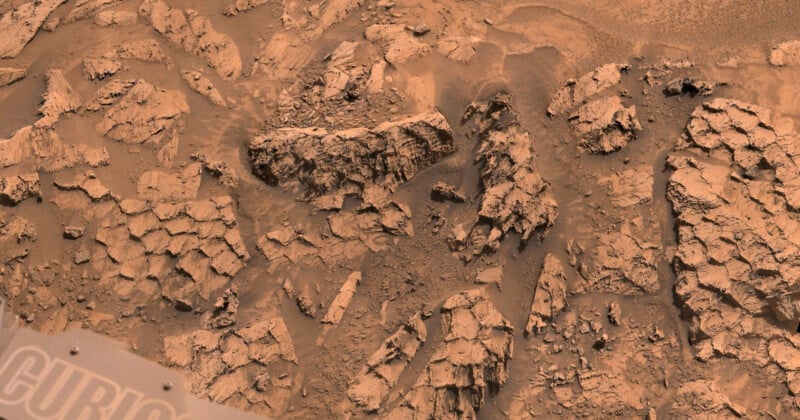
The Curiosity Rover has captured photos of a strange crater on Mars where there is an abundance of rocks that look like dragon scales.
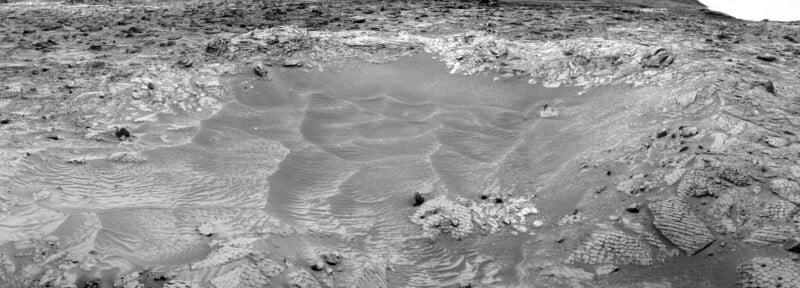
NASA calls them “honeycomb-shaped polygons” that crisscross the surface. They were pictured in the newly-named “Antofagasta” crater on Sol 4859, which is April 13 for the people on Earth.
The Antofagasta crater is quite small, just 10 meters (32 feet) in diameter. But the Curiosity team is, well, curious about the area because they believe it is relatively young on a Martian geologic scale — 50 million years old.
“Craters are very cool for many reasons, one of which is that they act as ‘nature’s drill,’ exposing material to the surface through their walls and ejecta that would have otherwise been buried,” NASA’s Jet Propulsion Laboratory explains.
“Antofagasta looks like it might be a relatively young crater, so there may be material in and around the crater that was only exposed to the harsh, organic-molecule destroying radiation environment on Mars’ surface in the very recent past.”
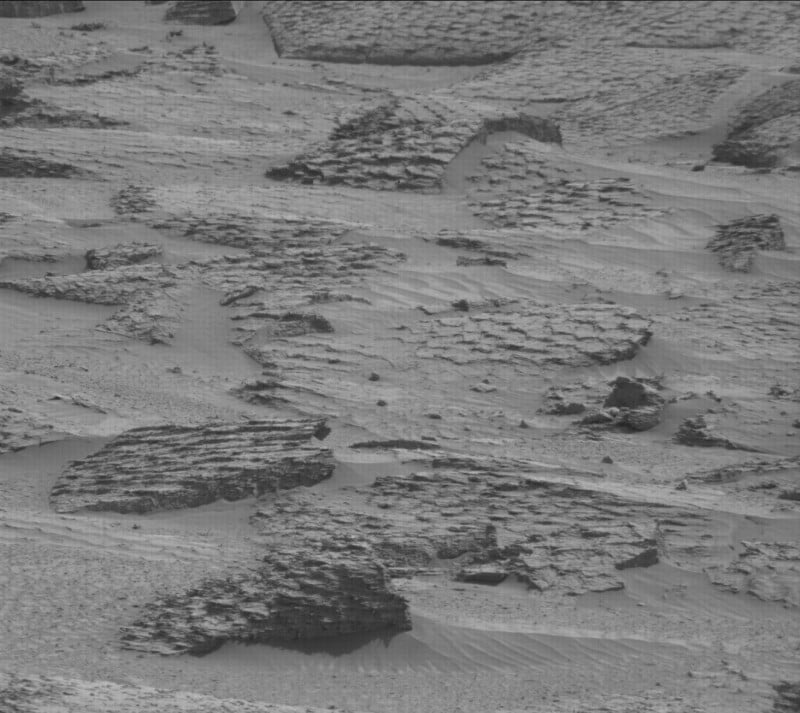
As Science Alert notes, Mars lost its liquid surface water a long time ago. Nevertheless, scientists believe that the dragon scale patterns that Curiosity is looking at could be a sign that the region was once a very wet one.
Lakes on Earth that have been dried out leave behind a similar scaly pattern. And these often occur in areas that have been dried out and rehydrated in multiple cycles. That could be what happened in Antofagasta.
“Many of the rocks we’ve driven over have these incredible textures — thousands of honeycomb-shaped polygons crisscross their surface,” the JPL writes. “We’ve seen polygon-patterned rocks like these before, but they didn’t seem quite this dramatically abundant, stretching across the ground for meters and meters in our Mastcam mosaics.”
“This week we continued to collect lots of images and chemical data that will help us distinguish between different hypotheses for how the honeycomb textures formed,” JPL adds.
The Curiosity Rover continues to take interesting photos as it trundles across the Martian surface. However, its wheels are in terrible shape.
Image creditsNASA/JPL
Affiliate Disclosure PetaPixel articles may include affiliate links; we may earn a commission if you buy through one.