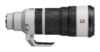
Tamron 12-20mm f/2.8 No score
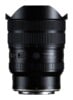
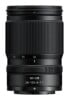
Some optical quirks aside, the Tamron 12-20mm f/2.8 performs extremely well and represents excellent value for the dollar.

Some optical quirks aside, the Tamron 12-20mm f/2.8 performs extremely well and represents excellent value for the dollar.
If you're into bridge cameras, this is the most advanced bridge camera to date and you'll probably love the experience. At the same time, everything that I dislike about bridge cameras is still present here.
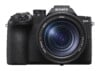
Purely on the value side, the RX10 V’s proposition is attractive. But it feels stuck in the past, making it difficult to recommend for everyone.
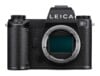
If you choose the Leica SL3-P, that's a choice you're going to be making with your heart, not so much your head.
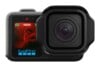
If you need the image quality benefits the new sensor provides, this is the best-looking footage you can currently get from an action camera. But the high price and frustrating minimum focus limitations keep this camera from earning my ultimate recommendation.
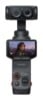
The Insta360 Ultra Luna is convenient, powerful, and capable. It is the best vlogging camera I have ever used.
It’s a testament to just how slowly foldables evolve on the camera side that the Magic V6 is easily one of the best folding phones despite recycling the same camera hardware.
Light Lens Lab has done a great job of recreating the fun and faults of the original Leica double aspherical design, while adding sharpness and chromatic aberration correction for modern sensors.
The Xiaomi 17T Pro succeeds in doing exactly what mobile photography should do: make it easier to capture and share moments without getting in the way.
The Thypoch Simera lenses are sharp, clean, and contrasty. If you are tired of the many character-rich, trendy lenses on the market, the Thypoch is perfect for you.
Thypoch did a good job with this lens and it works well for both photo and video, as Sony E-mount users will expect. There are definitely some optical achievements to be celebrated here, too, even if it's not perfect.
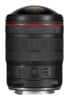
If you shoot closer in and want less to carry around, this is the wildlife lens for you.
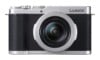
If you are in the market for a stylish and versatile camera that has more muscle than a basic point and shoot camera, the Lumix L10 will blow you away.
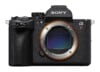
The Sony a7R VI might very well be the last camera many photographers truly need. It won't be the last camera people want, of course, but there is very little this camera cannot do, at least for still photography.
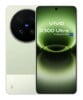
The X300 Ultra doesn’t just feel like a phone camera, it feels like a whole system built on a sprawling foundation.
Tecno’s phone won’t appeal to purists -- that much is obvious. It leans so hard into AI that it stands to hold greater appeal for those who want that kind of creative assist.
It is a starter lens in the truest sense, but to its credit, it will deliver excellent photos that you can be proud of, and it may even stay in your camera bag longer than you think, even if the lens itself does not exactly shout prestige.
The A1 is still too limited for me to really get behind, but I could see its owners modifying the flash with taped-on gels and doing interesting double exposures of their friends.
The Find X9 Ultra is more of a camera that happens to be baked into a phone than the other way around.
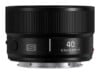
It turns out that the new 40mm f/2 is optically charming while also adding much-needed utility to the S9 platform. This lens is small, with plenty of useful controls, and it only costs $400.
It's never going to be anyone's main lens, but when the job calls for something a little different, it's a useful weapon in the armory.
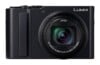
The removal of the EVF is just such a detriment to the entire package, especially when nothing else in the camera has significantly improved. As it is, the ZS300 is a markedly worse product than the camera that came before it, so I’d rather buy the ZS200 used.
Did I enjoy the actual user experience of the Caira? No.
Zeiss sticks to its guns once again by making a beautifully-designed lens that does a great job at correcting optical deficiencies the old-fashioned way.