Sony 100-400mm f/4.5 GM OSS Review: Zoom Zoom
Sony photographers have a lot of great choices available when it comes to the serious telephoto lens. Whether you are into sports or wildlife, the Sony E-mount has you covered. However, many of these excellent lenses come with big physical dimensions and even higher prices.
If you shoot closer in and want less to carry around, this is the wildlife lens for you.
Pros
- Excellent sharpness across the frame
- Lightweight and manageable design
- Fast and predictable autofocus
- Minimal focus breathing for video
- Good close-up and macro capability
Cons
- Tripod collar is not Arca-Swiss compatible
- Lacks reach for some bird photography
- Expensive price point
- Corners slightly weaker at 400mm
What about the enthusiast photographer who wants a decent range along with manageable logistics? Sony’s new 100-400mm f/4.5 GM OSS offers a new lens that might be perfect for you.
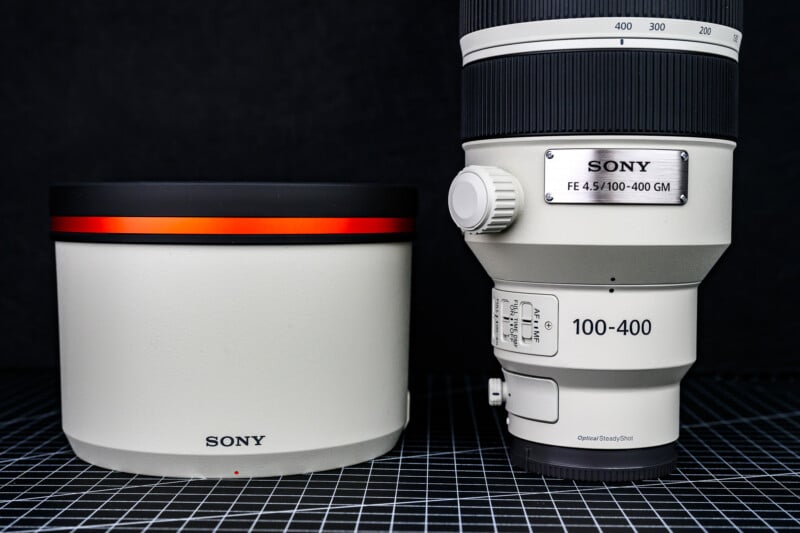
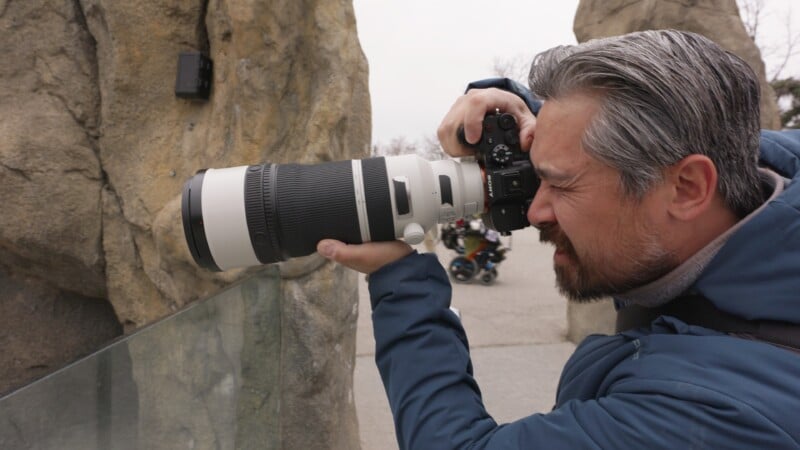
Up to this point, an obvious choice would be the Sony 100-400mm f/4.5-5.6, which brings compactness and affordability to the table. However, slow apertures can be a hefty penalty when it comes to demanding wildlife and sporting situations, and the latest zoom lens from Sony features a tempting compromise. The new 100-400mm G Master has a constant f/4.5 aperture all the way through the range, and although it is a fairly expensive lens at $4,299, it is a substantially better optic than some of the other alternatives that are both cheaper and more expensive.
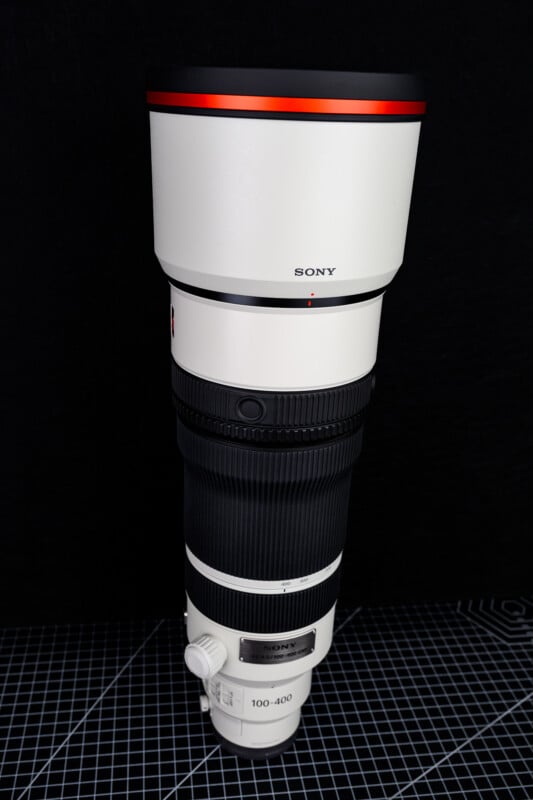
Sony 100-400mm f/4.5 GM OSS Lens Review: How It Feels
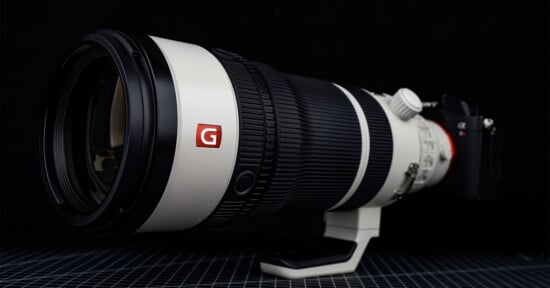
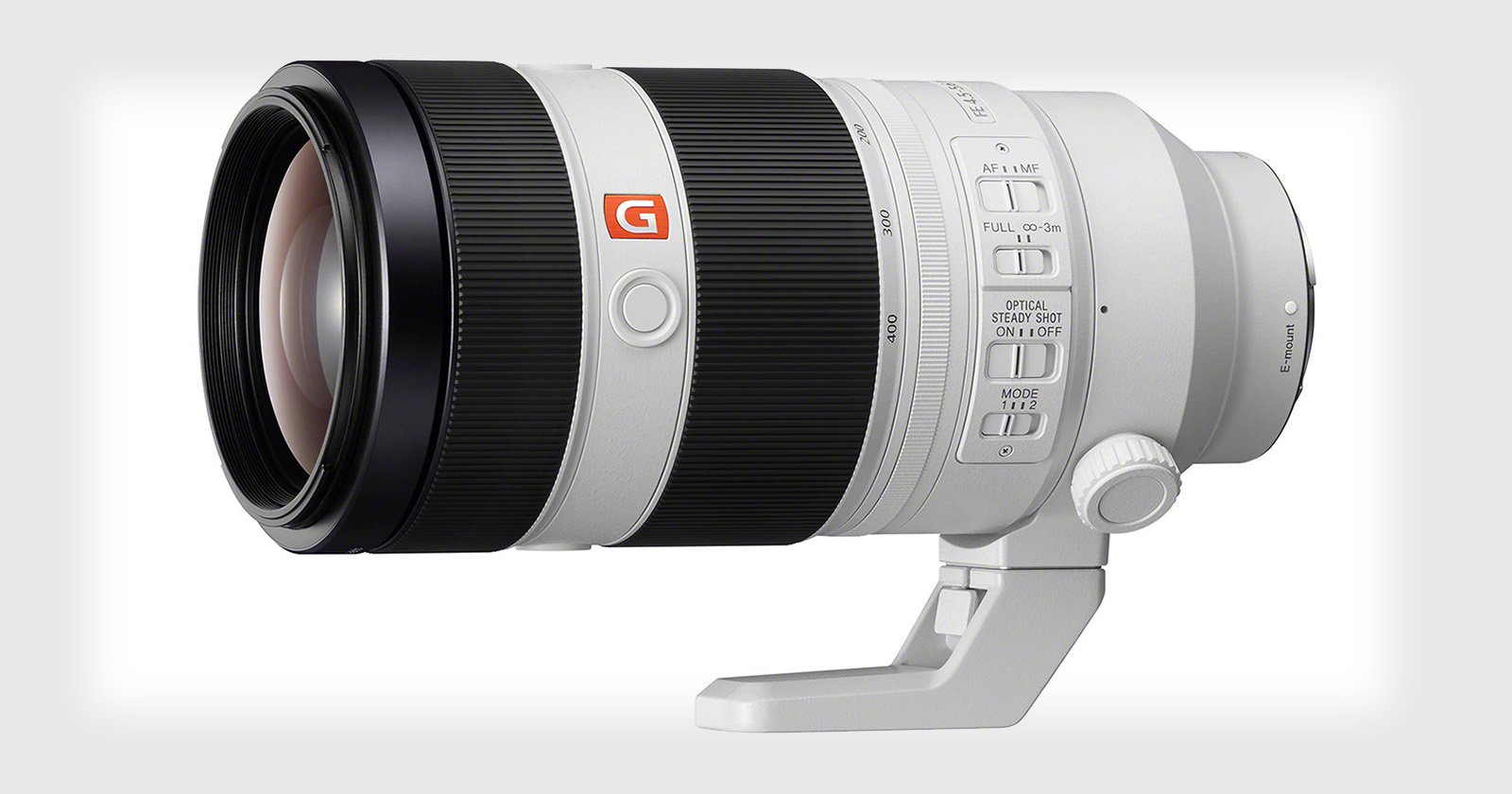
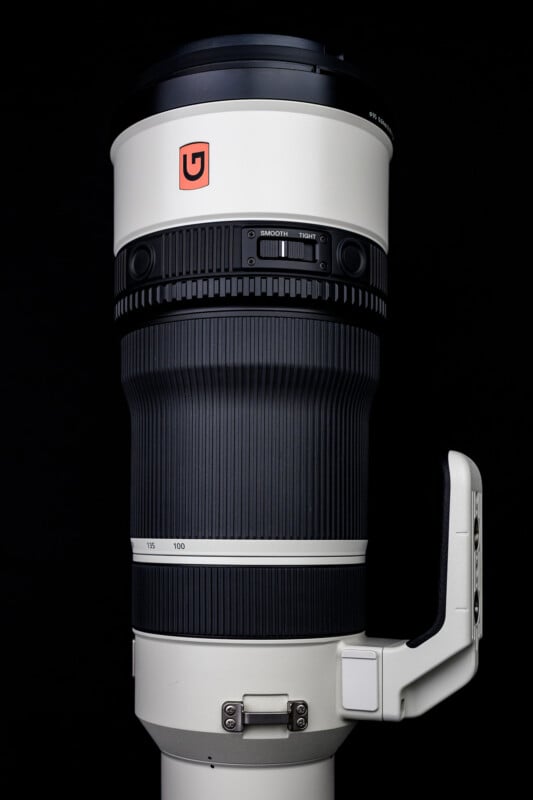
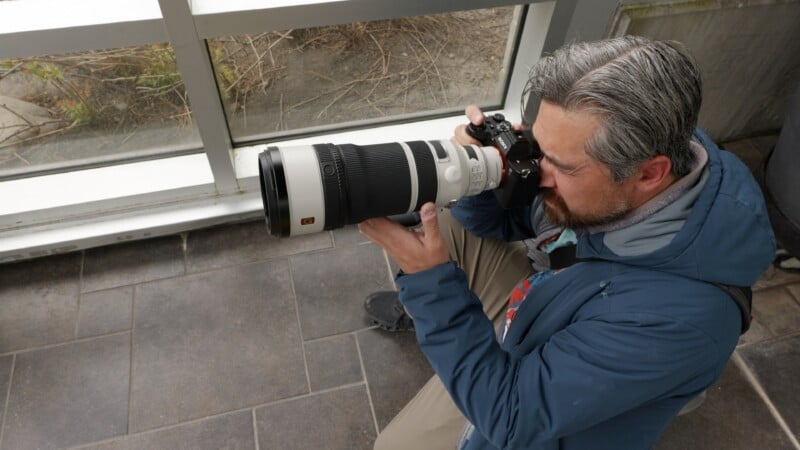
I was first surprised by just how lightweight this lens is. At a weight of 65 ounces (1,840 grams), the 100-400mm is about the same size as the 200-600mm lens and only slightly heavier than the 100-400mm f/4.5-5.6. You can mount 95mm filters to the front of the lens, and the hood that comes with does a great job of protecting the front element. G Master lenses are always made to handle rough weather and dirty conditions, so this lens can tackle any serious shooting situations.
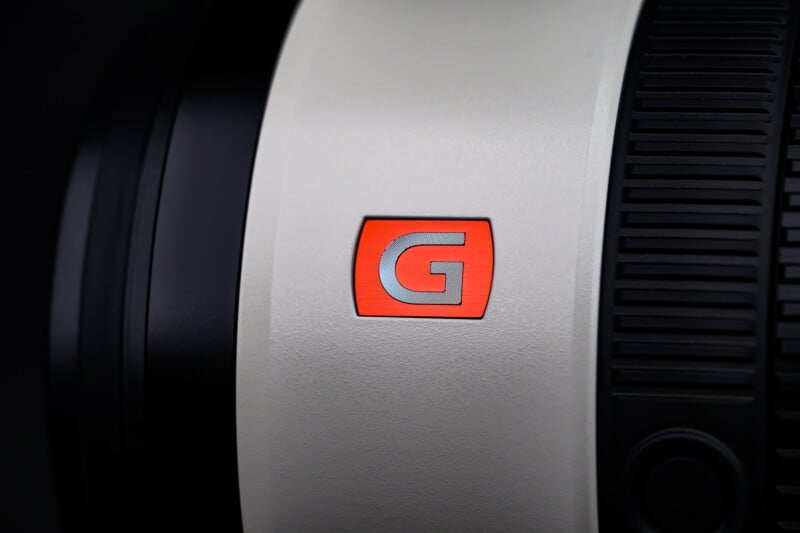
The 100-400mm lens has a tapered zoom ring, so your hand will naturally find it without the need to look. Right above the ring is a customizable rocker-ring and customizable buttons, too. There is also a switch to set the resistance of the zoom ring to either smooth or tight functionality.
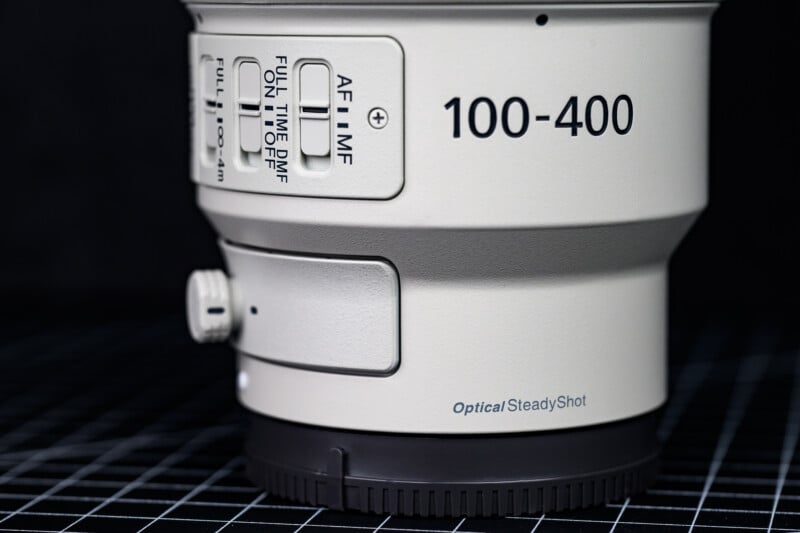
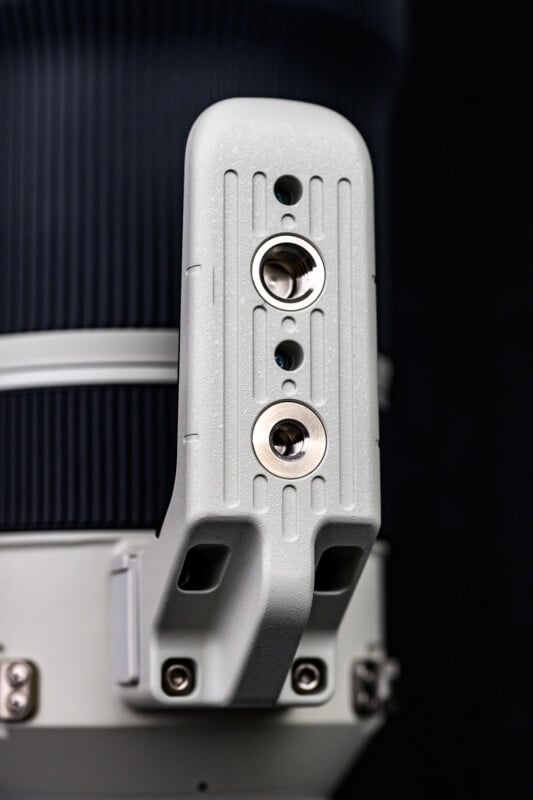
You have the usual assortment of switches to change engage manual focusing, focus limiters, and the image stabilization settings. There is also a drop in the filter near the lens mount, if you don’t want to use the aforementioned front filter ring. The tripod collar is not removable, but you can have it click at every 90-degree position or not. It is unfortunately not cut for Arca-Swiss tripod mounts, which is a shame.
Sony 100-400mm f/4.5 GM OSS Lens Review: How It Shoots
Focus needs to be fast on a wildlife lens, and I had zero issues with the four XD linear motors driving each optical group. As usual, the focus tracking and acquisition were predictable and effective. Holding the lens handheld was also fairly comfortable due to the relatively low weight and even balance of the lens.
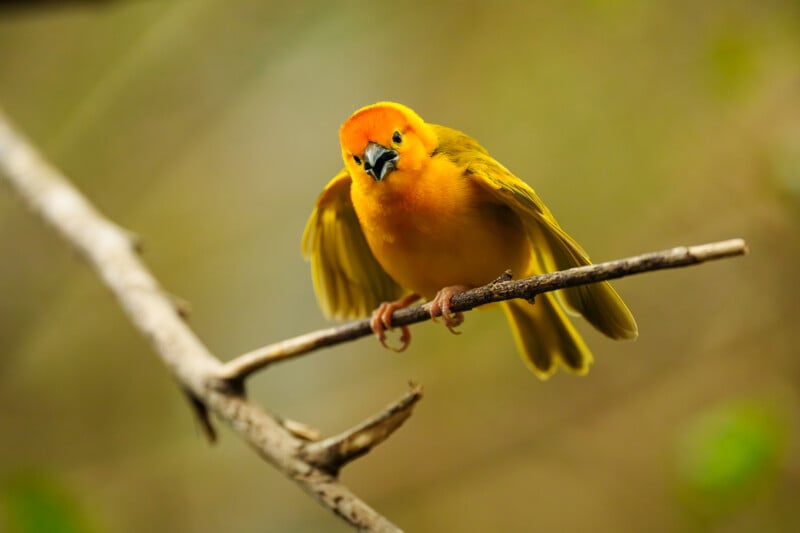
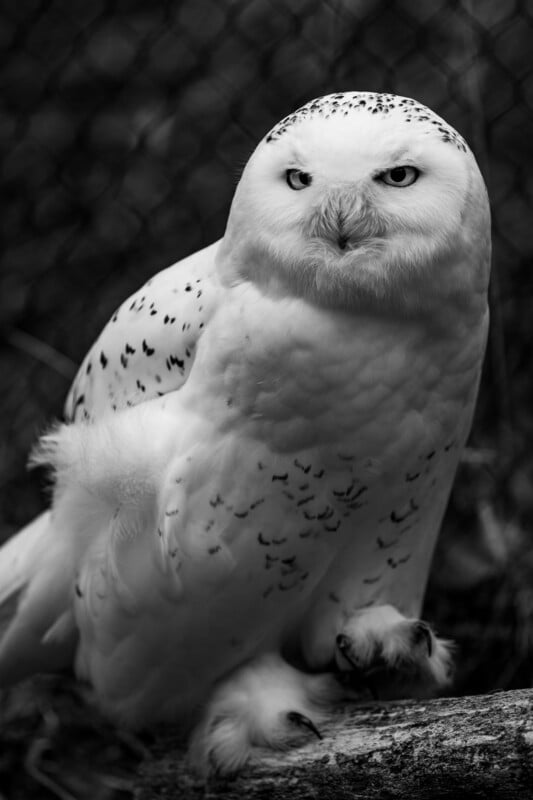
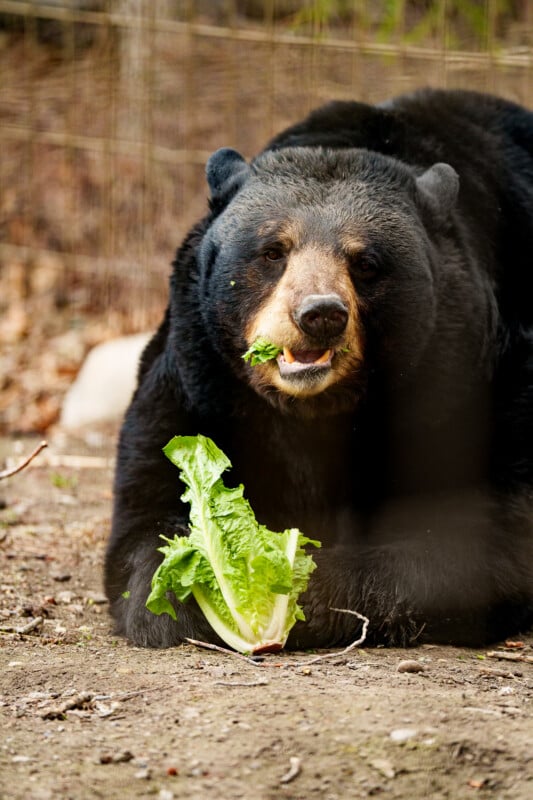
The 100mm to 400mm range is always useful for closer animals and many sporting events, but it does lack somewhat for common wildlife situations. We found that it just doesn’t have the length for bird photography either.
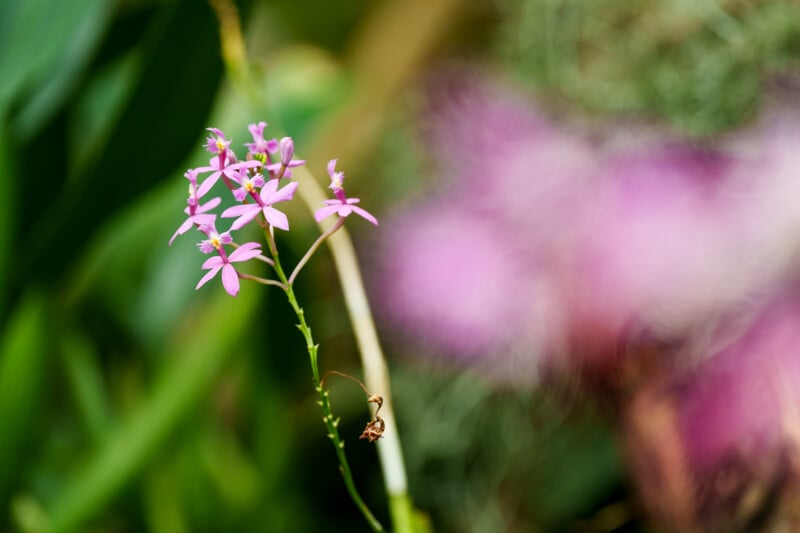
You can absolutely place teleconverters on the Sony 100-400mm f/4.5 lens, but you will deal with the usual loss of light as a result. The lens is able to do surprisingly good close-up shots with plenty of working distance, and I had a lot of fun taking photos at the 400mm end. The lens will give you roughly a 1:3 life-size reproduction ratio, which makes it work well for flowers and larger insects.
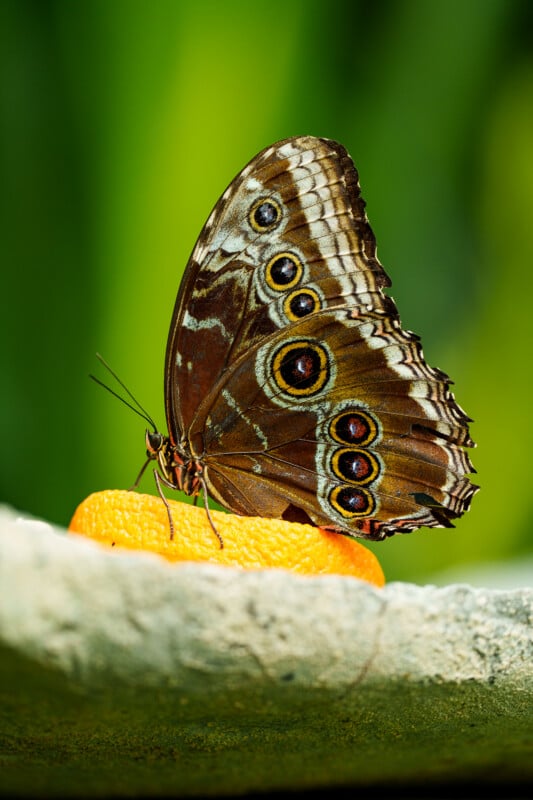


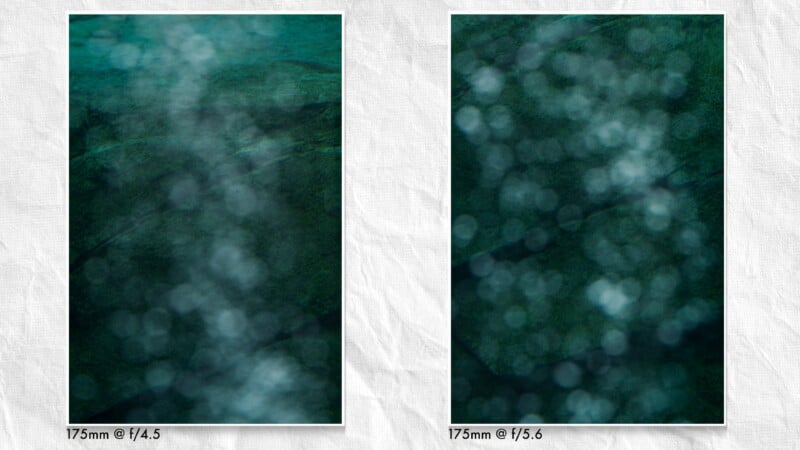
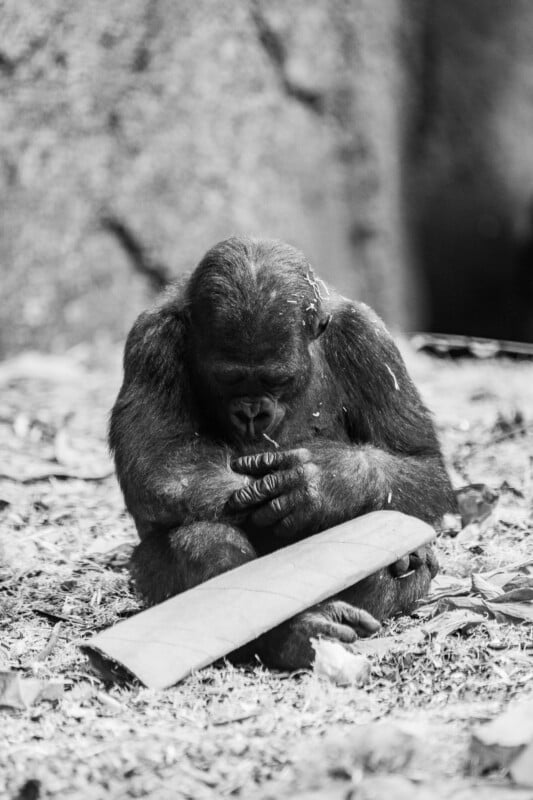
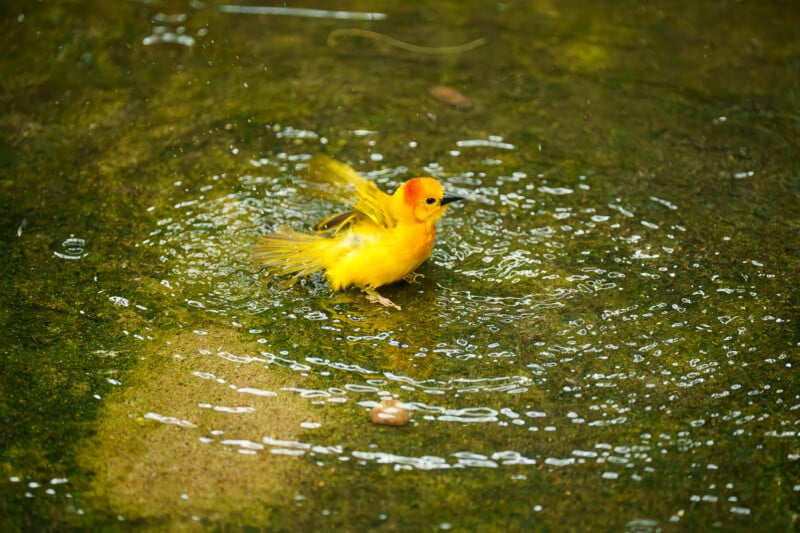
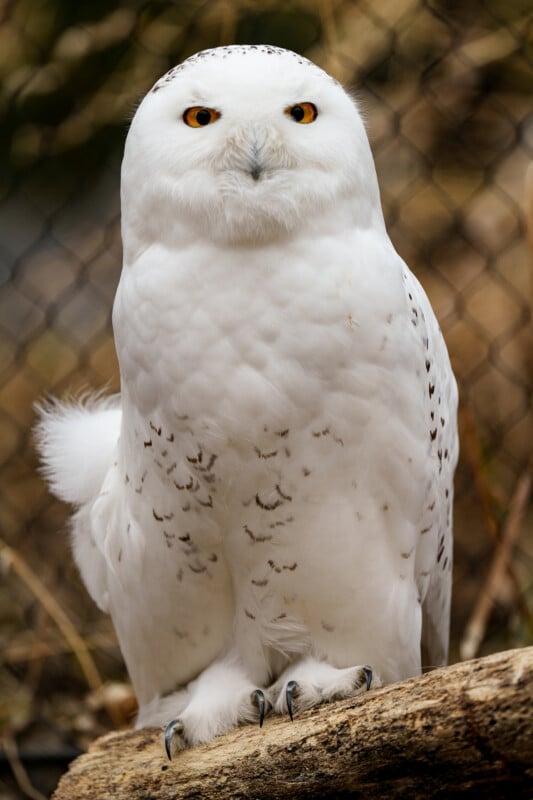
Bokeh is nice on this lens with soft-looking backgrounds and clean highlights. I didn’t see any onion rings or harshness in the specular highlights either. The f/4.5 aperture still gives a very shallow look to depth of field, and any animals I took photos of were well-separated from busy backgrounds. There is an exquisiteness to the bokeh of more expensive lenses that is not present here, however, although most users will probably still be very pleased with the results.
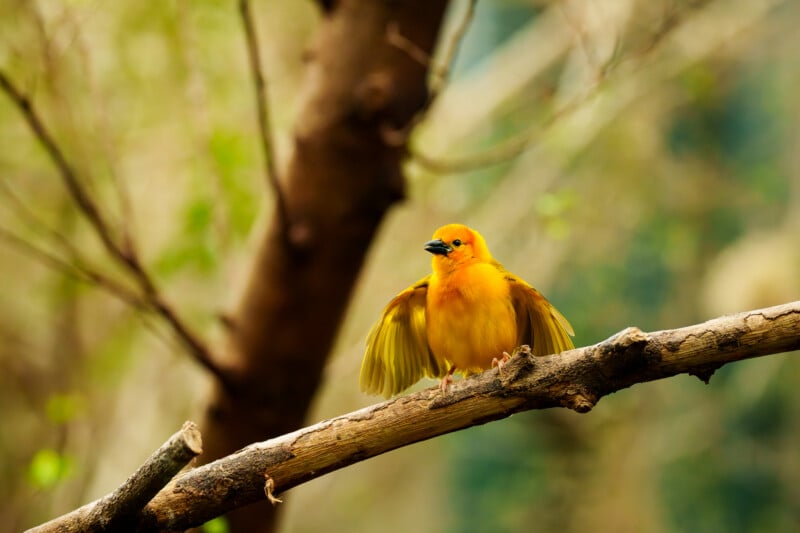

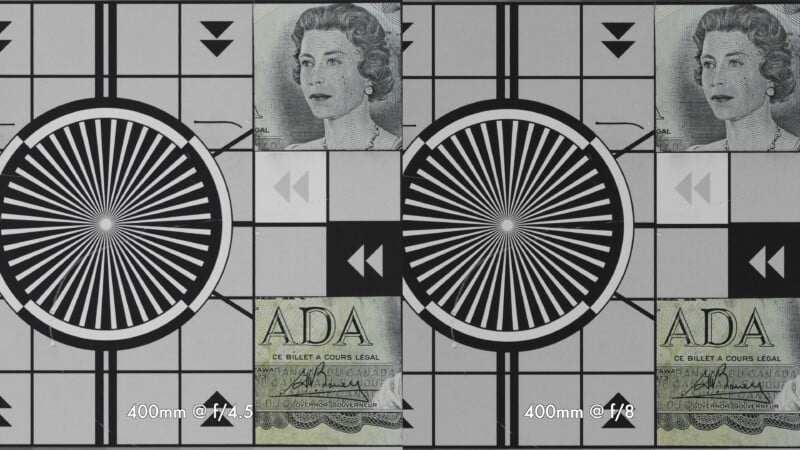
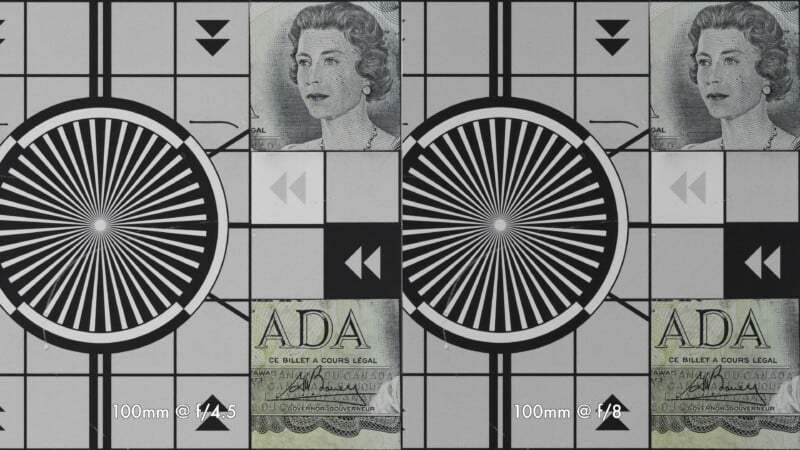
Sharpness is very high, as expected. At the 100mm range, the center of the image is excellent at f/4.5 with plenty of detail, and the corners are also in focus sharply without needing to stop down. Going to f/8 will add a small amount of overall consistency to the shots, but most people will want to shoot at the widest aperture. 400mm is the same story with the lens, about as good as it gets at f/4.5. The corners are a little weaker at the 400mm range, but this is usually a non-issue when taking wildlife and sports shots.
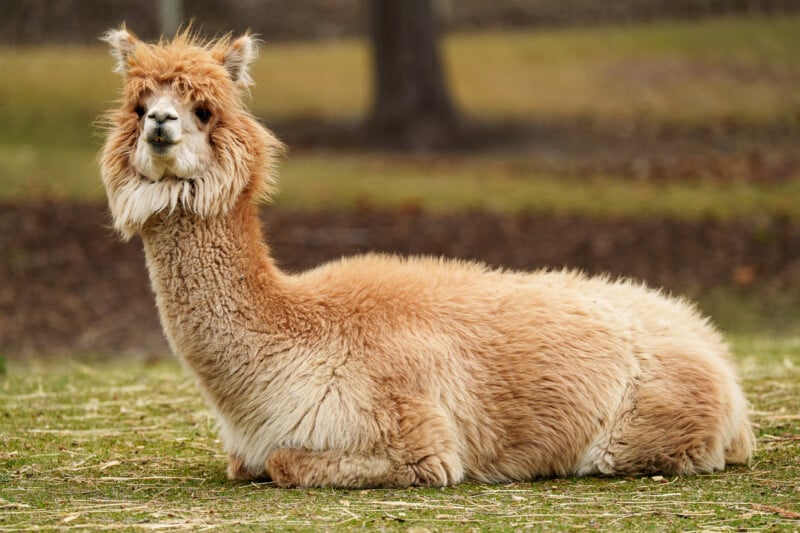
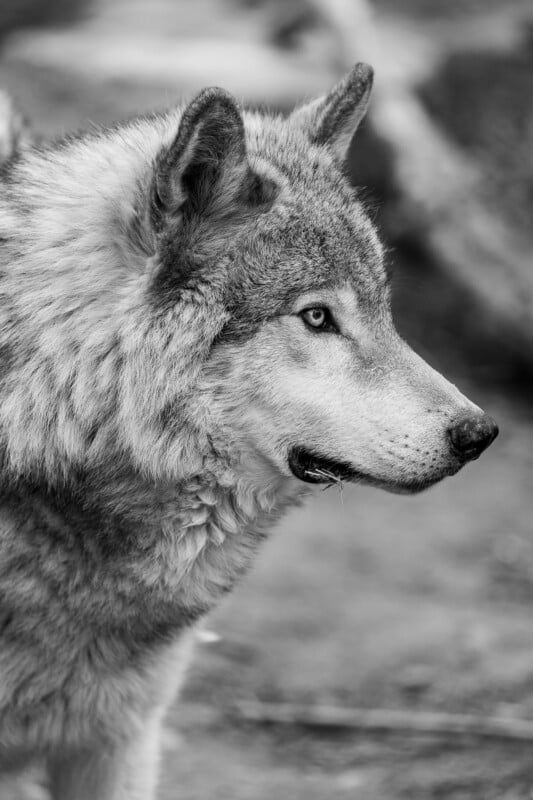
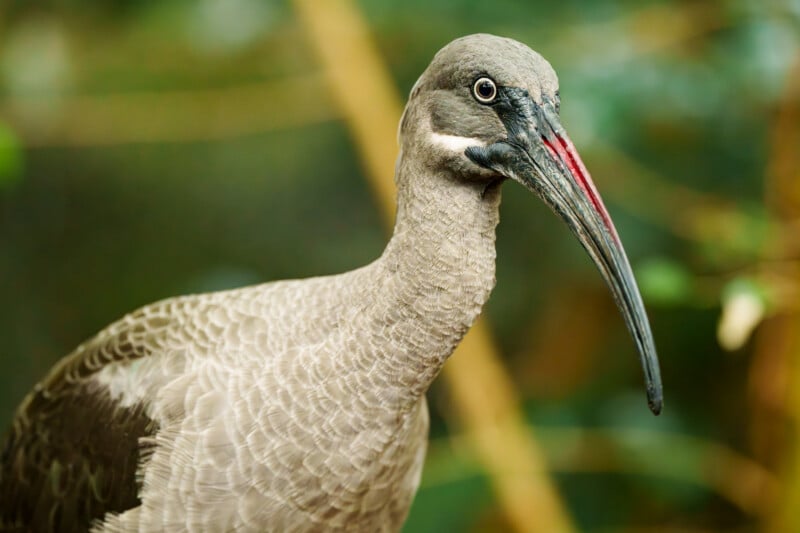
Video shooters will definitely like this lens for any cinematic telephoto applications. There is almost zero breathing when focusing the lens from near to far. This new 100-400mm seems to persevere when faced with any challenges.

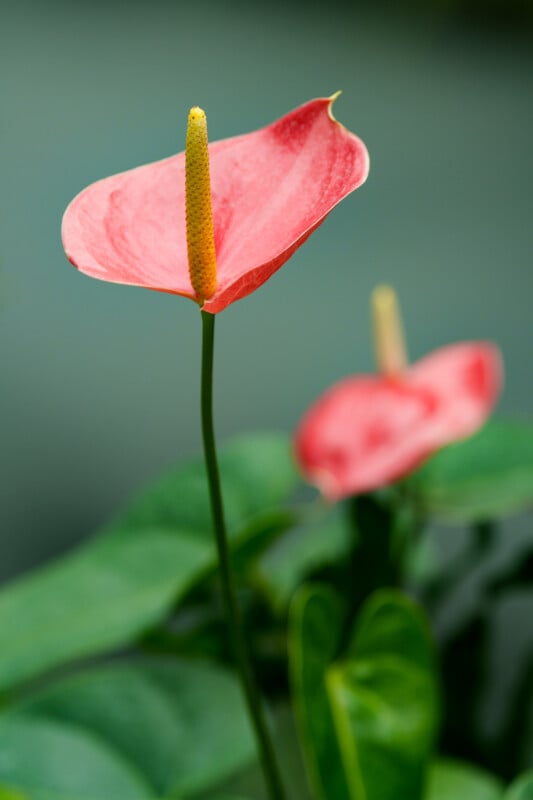
Attainable Acuteness
This new lens represents a substantial upgrade in the 100-400mm range over the slower variable-aperture alternative. The $4,299 price is not affordable, but it is reasonable given that many professional lenses at similar ranges will only be a third-stop faster for almost three times the price. You would have to buy teleconverters separately to compete with these other optics, but the price would still be far more affordable. The real deciding factor will be if the 400mm maximum range is enough for your style of photography, but the image quality results would please even the most stubborn photographers.
Are There Alternatives?
The more affordable Sony 100-400mm f/4.5-5.6 is an excellent optic but it will suffer from a slower aperture and takes up about the same amount of space in a camera bag.
I would argue that the Sigma 300-600mm f/4 is a better wildlife lens for the money given it’s excellent price and optical results. Having more range is almost always more important, but if you don’t need the reach and don’t want the bulk, Sony’s new G-Master fits the bill.
Should You Buy It?
Yes. It all comes down to being okay with the 100-400m focal range. If you shoot closer in and want less to carry around, this is the wildlife lens for you.
Affiliate Disclosure PetaPixel articles may include affiliate links; we may earn a commission if you buy through one.