
Kodak Snapic A1 Review: Charming, Simple, Fun
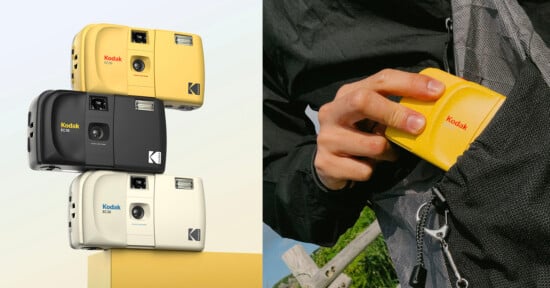
The Reto company, which is behind the insanely popular Charmera camera, are at it again with a charming 35mm analog camera. They clearly took a design cue from the Ricoh GR series of cameras while heaping on a generous pile of Kodak nostalgia, but the end result promises to be a stylish and simple analog experience for potential buyers.
The A1 is still too limited for me to really get behind, but I could see its owners modifying the flash with taped-on gels and doing interesting double exposures of their friends.
Pros
- Stylish and retro design
- Lightweight and pocketable
- Includes multiple exposure mode
- Affordable price point
- Well-built for its class
Cons
- Mode button is easily pressed accidentally
- Stiff and flimsy on/off switch
- Fixed aperture and shutter speed limit exposure control
- Zone focusing requires practice
- Flash is only effective at close range
Kodak Snapic A1 Review: How It Feels
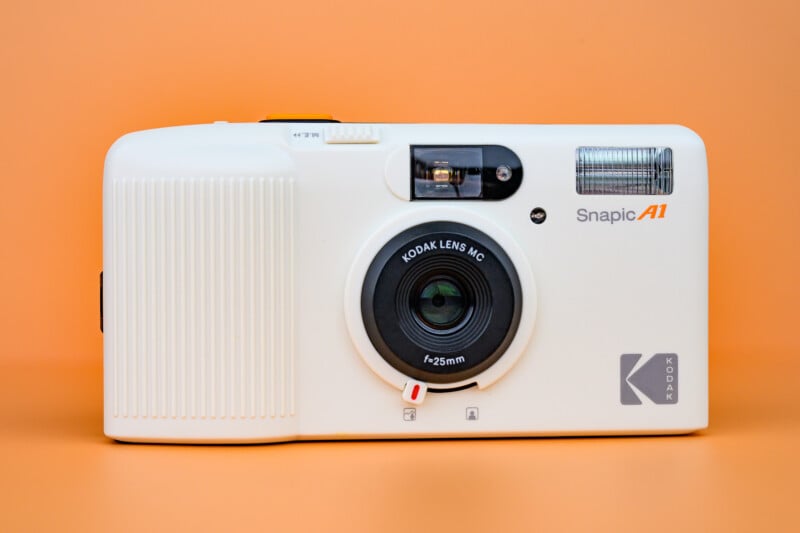
The Kodak Snapic A1 is a compact camera that is easily pocketable, although you might want to change out the shoulder-length strap to something more manageable as it is almost comically long. That said, if you do decide to sling it over a shoulder, the Snapic A1 looks very smart and stylish with its two-tone look. This is a camera that captures a little retro vibe while still maintaining a modern aesthetic.
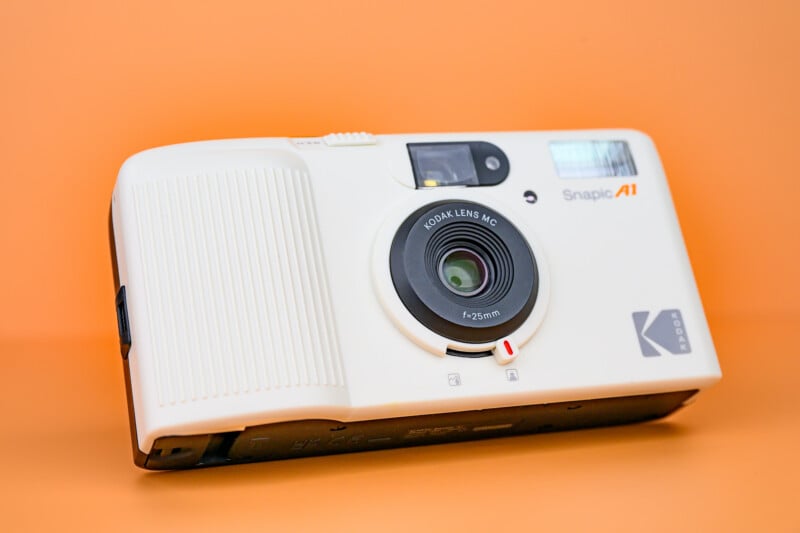
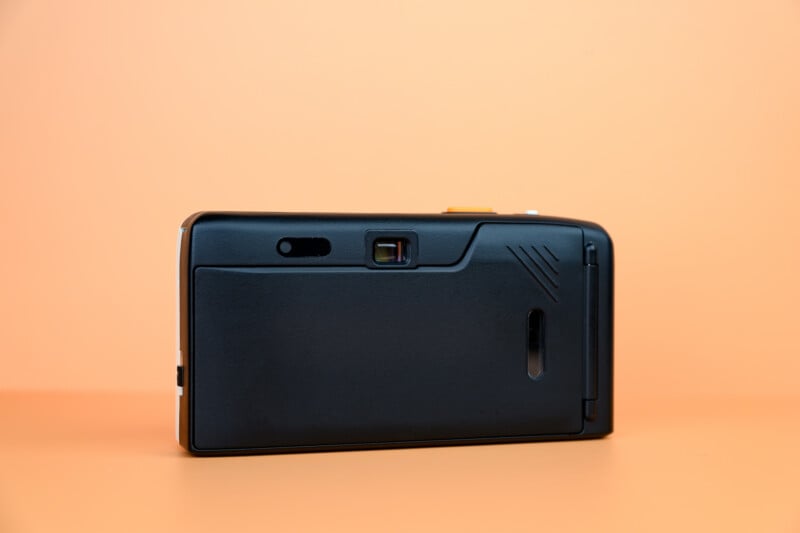
The Snapic A1 only weighs four ounces (117 grams), so you might even forget that it’s there. Throw a couple of AAA batteries inside, and you are ready to go for about ten rolls of film. This lightweight design is made possible by the almost entire camera being made of plastic, but to its credit, the light seals and door lock seem to be functional. The Snapic A1 will automatically advance your film and rewind it when things are done.
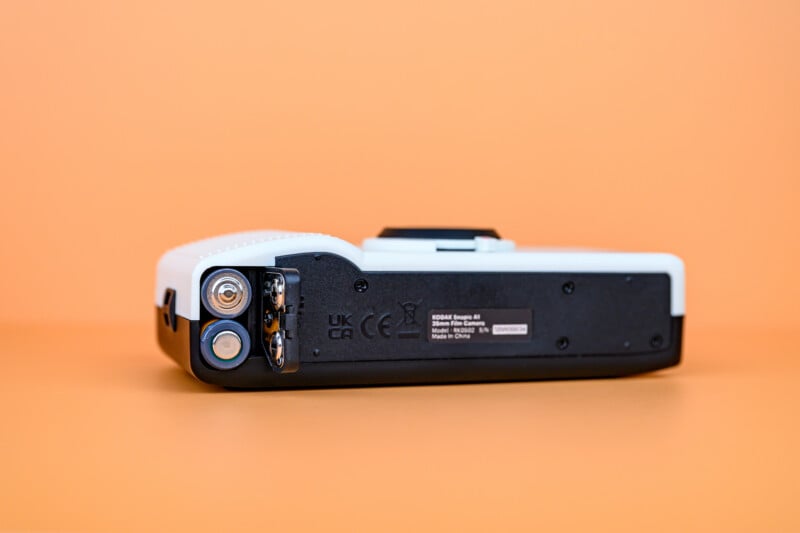
It has some nice refinements, such as a window to see your film roll and how it leaves the tab slightly out of the film when you are done. There is a true electronic flash built into the camera and even a multiple exposure option. There is a mode button on the far left to change flash settings, and an LCD screen to keep you informed. I like the placement visually, but the button is easy to press accidentally just by holding the camera. This means I’m often unintentionally in a different flash mode or multiple exposure setting.
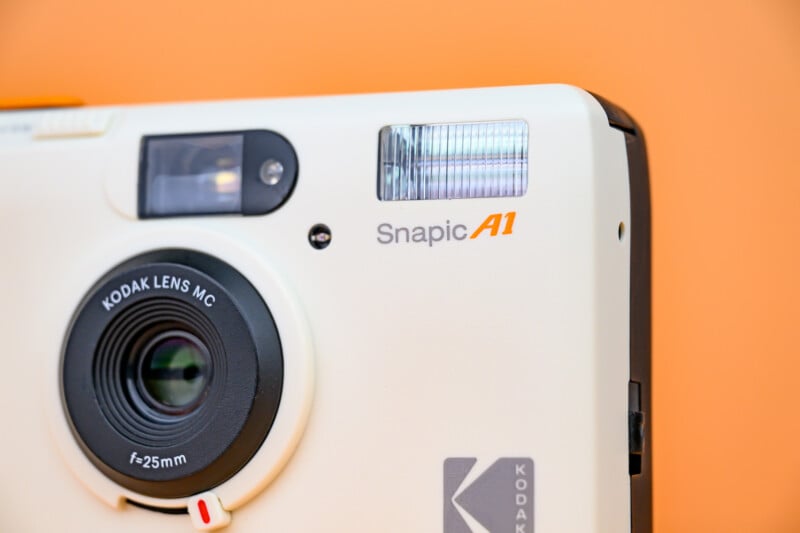
I don’t love the on/off switch as it is a little stiff to engage and feels flimsy. I would prefer it if it were a push to the left to turn off and a pull to the right to turn on, so that it would be easier to engage one-handed.
One of the most common fixed lenses that you will find on compact cameras is some sort of pedestrian 35mm option. In stark contrast, I love that the Kodak Snapic A1 sports a 25mm f/9.5. Now this is a slow lens to be sure, but the added depth of field will help cover any focusing issues, and the wider 25mm field-of-view will feel more natural to smartphone users.
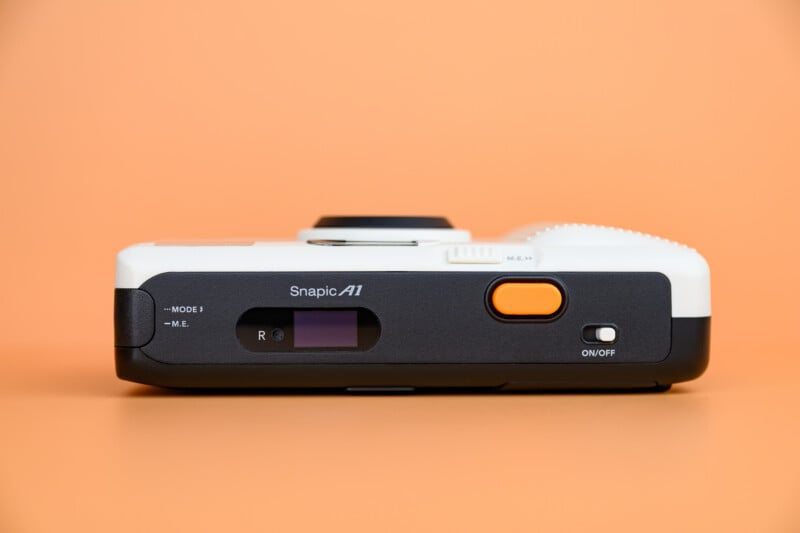
However, this lens does not autofocus and instead relies on two selectable zones of focus, which generally go from a close subject within 1.5 meters to anything beyond that. I have forgotten to set this properly a fair amount of times in the heat of the moment, but some practice should make this second nature.
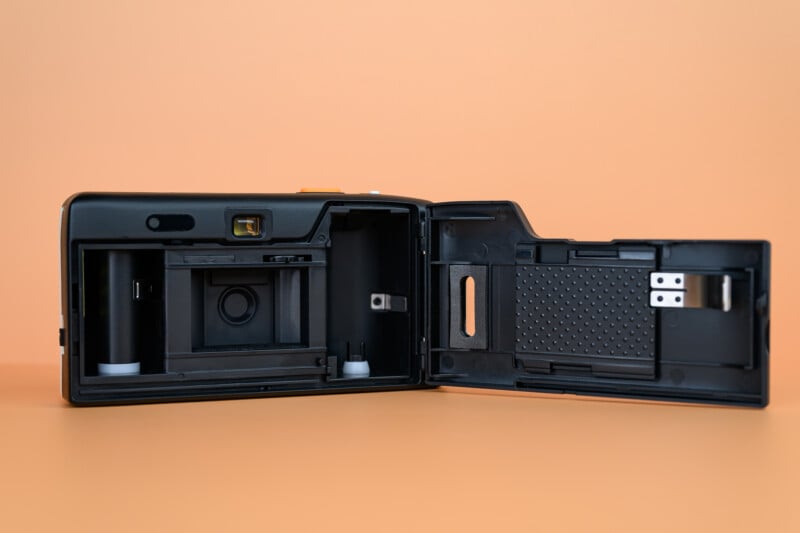
It feels like a refined camera rather than one step above a disposable camera. From a design standpoint, all of this seems great, and frankly, the camera looks more expensive than it is, but there have to be some compromises to such a simple and affordable product.
Kodak Snapic A1 Review: How It Shoots
So the 25mm lens is a triplet design and seems well multi-coated. I did notice some flare when the sun was just outside of frame, and shielding the lens with your hand could be a good practice. It’s also sharp enough, given that the goal of this camera is to capture more of a feeling rather than technical precision. However, there is no way to adjust the aperture or control the light coming into the camera with filters.
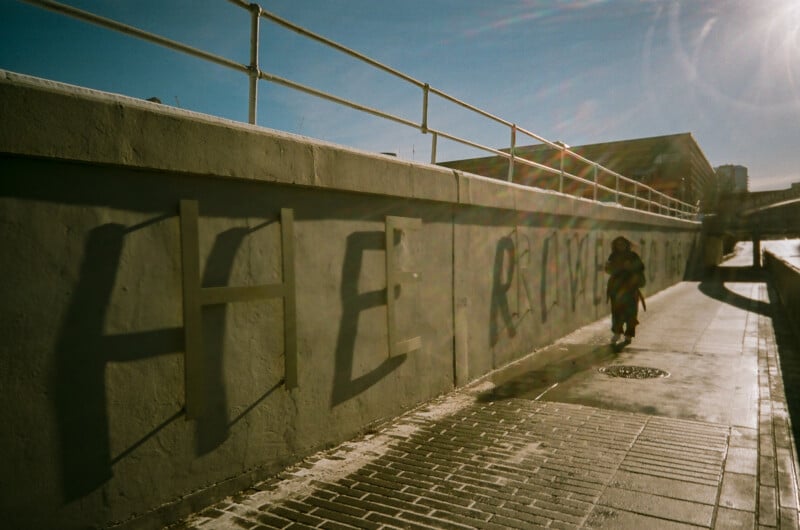


The camera also has only one shutter speed available, which is 1/100 of a second, and the lens only offers f/9.5. What this means is that the camera can only allow a singular amount of light in, unless you resort to the flash. The Snapic A1 is relying on the inherent dynamic range present within 35mm negative film to cover any exposure issues, but this does mean that the film ISO you choose is very important for the situation.

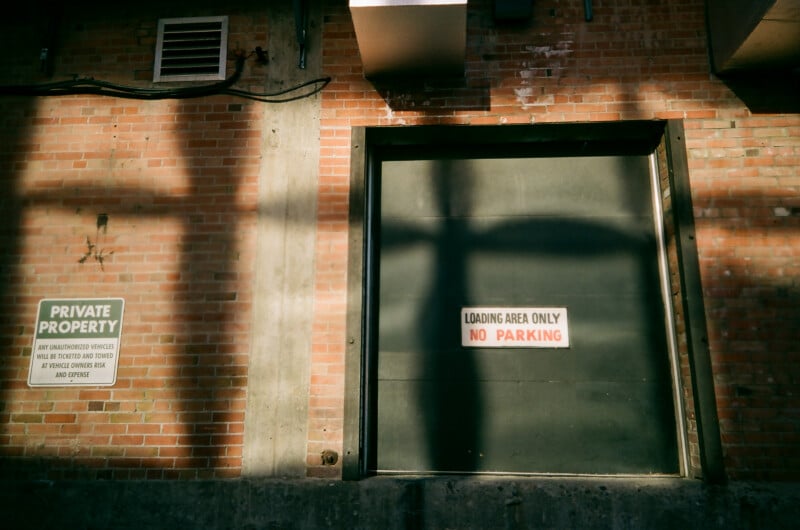

On bright sunny days, the camera would happily use 100 ISO film and deliver solid exposure with good color saturation. It will struggle in shade and interiors, though, so the flash will be important in these situations. The flash does have an auto setting to turn it off in bright conditions and fire it when the light drops, and this can be a good automatic option to resort to.
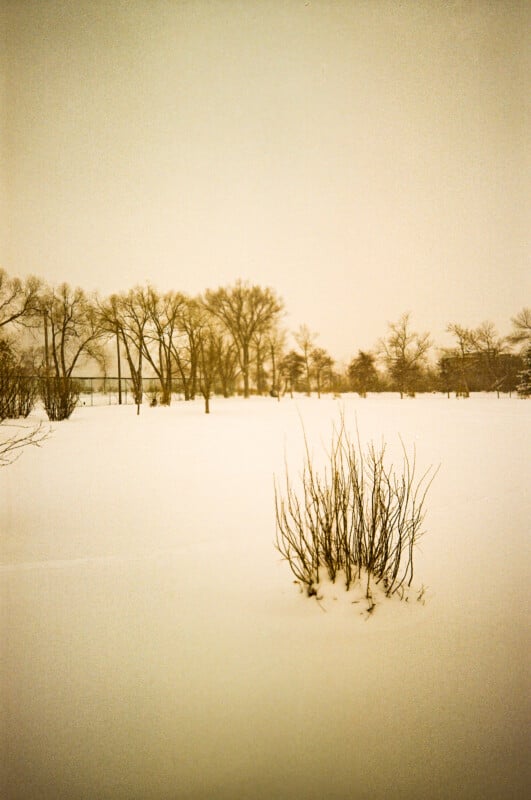
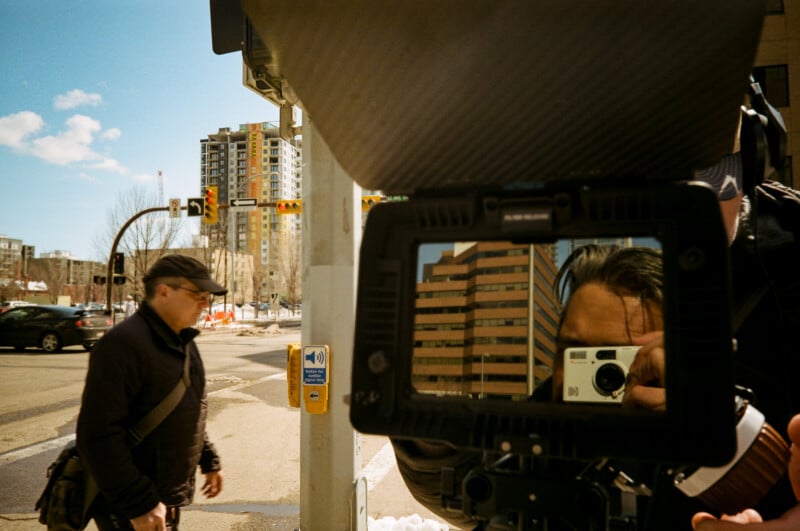
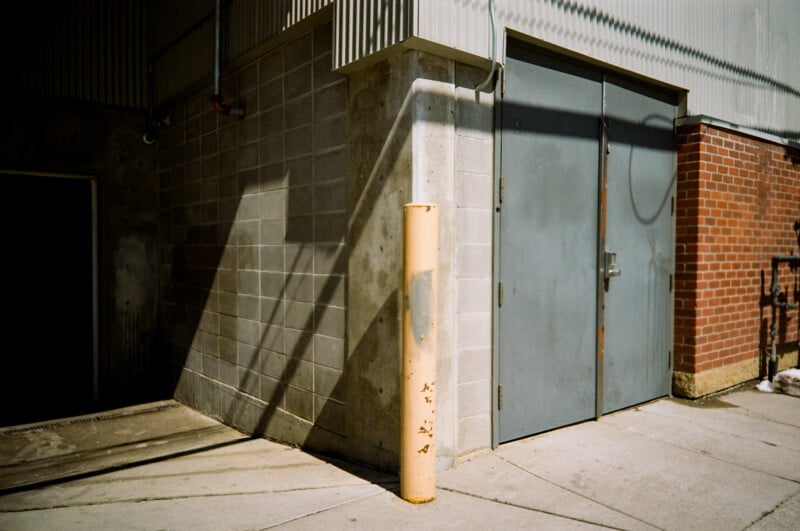
I used ISO 200 Fujicolor film myself, and I think this combo makes sense for a variety of scenarios. It will work ok in bright conditions, awesome on overcast days, and still help with shady exposures. I would absolutely use the flash in darker conditions as a rule, but don’t expect it to light up subjects much beyond the closest focusing range. ISO 400 film is going to overexpose too much for my liking on this camera, and colors will often come out soft and pastel-looking. Skin tones will also tend to overexpose in some cases, and I would only use fast films in specific, darker situations.



I also played around with the multiple exposure setting and found this to be a simple and fun feature. You use the mode button with a long press, which engages the ME setting, and then take your first shot. Pull the ME toggle near the shutter, and the camera is ready to fire a second frame. It’s impressive to see these fun features on such a simple camera.

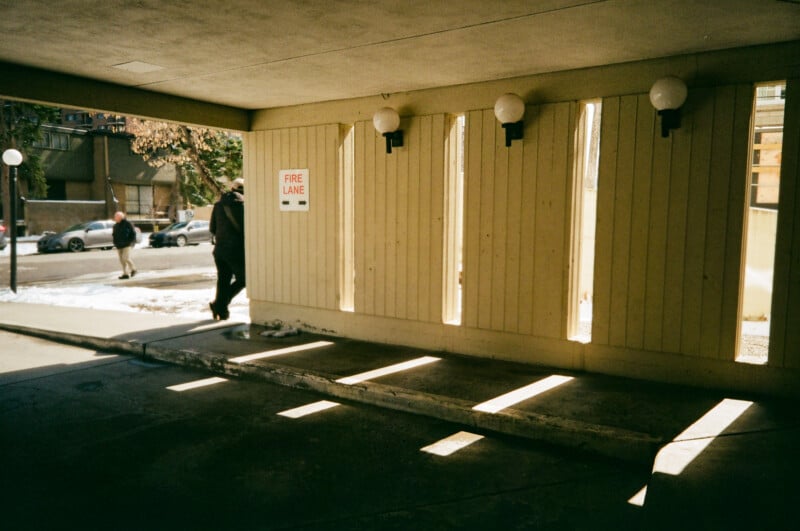

The final image quality is what I expected. Not precise at all, but still fun to shoot with. Images in bright sun looked a little washed-out and shadows looked a little muddy, but the color and softness had a charming vintage feel, with a warm overall look. The flash will give the classic harshness that we old-timers worked so hard to avoid for so many years.


Kodak Snapic A1 Review: Simple Fun
I was left with the feeling that Reto has done it again, making an affordable product that isn’t about image quality, but is about fun.
The A1 is still too limited for me to really get behind, but I could see its owners modifying the flash with taped-on gels and doing interesting double exposures of their friends. This would make for a fun first-time foray into the world of analog, but I could also see plenty of experienced shooters carrying one around when simple is the goal and stylish is the game. Reto have created the Kodak Snapic A1 to bring a little fun into every photographer’s life.

Are There Alternatives?
Short of buying something used to get into 35mm film or picking up a disposable camera, the Snapic stands fairly alone with its high-quality build and better than average options. The TBC Camera is a viable alternative as is Reto’s Pano camera, but the former has slightly fewer options while the latter has significantly fewer and is much more cheap toy feeling (with a gimmick as the main selling point).
You could look at the more creatively capable Pentax 17 but the price goes way up. You could also look at a digital Campsnap camera, which is obviously not an analog camera, but does give a similar cheap-and-cheerful design, with that one step above a disposable experience.
Should You Buy It?
Yes. As long as you understand that the Snapic A1 is quite basic, or perhaps because you want it for that very reason, the latest camera from Reto is well-built and fun to carry. This camera does not feel as cheap as you’d expect or full of compromises, while providing an ideal start into basic analog photography.
Affiliate Disclosure PetaPixel articles may include affiliate links; we may earn a commission if you buy through one.