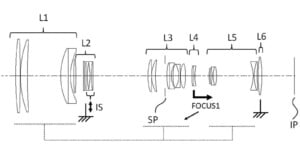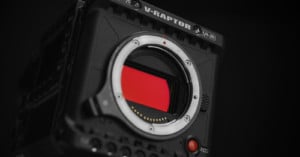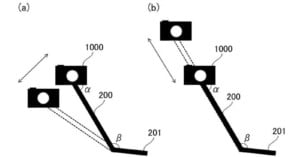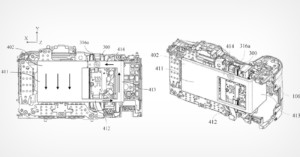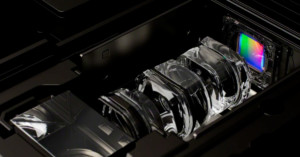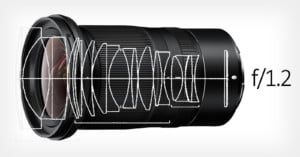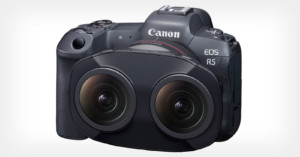
A few weeks ago, we reported that Sony may be in the process of dropping its unique pellicle mirror SLT technology. The rumor claimed that the company would be saying goodbye to the translucent mirror in favor a fully mirrorless A-Mount line. Well, if patents are to be trusted, that rumor has been confirmed just as another exciting Sony rumor hits the mill. Read more…

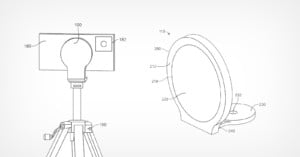
A rather interesting submission by Apple to the United States Patent and Trademark office shows potential plans for a synchronized flash system by connecting iOS devices, which will allow a primary camera to snap an image of a subject whilst being lit by another iPhone, as an example.
Read more…

Having your camera stolen is not a fun experience. If you’re not fortunate enough to have a camera that catches its own theft in progress, your recovery options are limited to services like Stolen Camera Finder, CameraTrace and, the most likely fix, a good insurance policy.
According to a recent patent, however, Nikon may have another method in the works that will try to prevent and deter theft. Nikon Rumors reports that the camera giant has filed a new patent in Japan (number 2013-61508) that locks certain lens/body combinations using a password. Read more…

Google takes photos pretty seriously. In addition to schmoozing the photography community earlier this week by releasing the entire Nik collection of plugins for only $150, the company also promised to make the cameras in their phones “insanely great.” And a recent patent shows one of the ways Google may go about doing that. Read more…

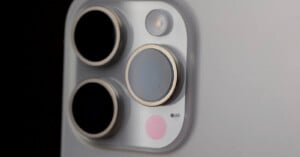
The “flash units” found on the backs of smartphones may be getting more powerful, but the general idea has largely remained the same: use a powerful LED light that can illuminate a scene when you need a little extra light. The power output doesn’t really stack up to the flashes found on compact cameras, but Google has one solution for making the flash a bit brighter.
In a recently published patent, the company outlines the idea of placing multiple LED flashes on smartphones, perhaps in a ring around the camera unit.
Read more…

The folks over at Chipworks have come out with an interesting infographic that shows the top U.S. patent holders in 2012, and compares them to the same list from 2000. Beyond just gawking at the increase in the sheer number of patents held by each company, we were pleased to see camera manufacturers making a strong showing. Read more…

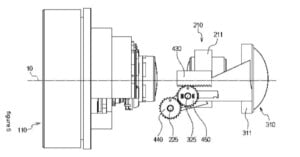
Google has been working some time now on a camera-equipped device that’s worn over (or above) the eye. Olympus has something similar going on, but instead of a full-fledged camera, their device only serves as an external viewfinder for a separate digital camera.
Read more…

When consumer electronic products have photographs leaked to the world prior to their official announcements, they’re often blurry shots that appear to have been taken with a quick snap of a smartphone camera by some not-so-loyal employee or factory worker. Blackberry maker RIM wants to help companies who value privacy plug up these leaks, and has created a smartphone feature that is meant to make snapping stealthy shots a much more difficult thing to do.
Read more…

Electronic viewfinders have become all the rage as of late through the rise of the mirrorless camera, but many photographers still prefer optical viewfinders due to certain weaknesses of EVFs. One major drawback is the fact that the scene is often laggy, especially in low-light situations, making it difficult to track a moving subject.
Nikon is apparently trying to combine the best of the OVF and EVF worlds by developing a new giant viewfinder that’s see-through.
Read more…

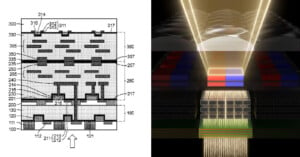
High dynamic range (HDR) mode is becoming a standard feature in newer digital cameras and smartphones. By snapping multiple photographs at different exposure levels, the camera can automatically generate an image that captures a greater range of light and dark areas than a standard photograph. However, the technique does have its weaknesses. Artifacts appear if any changes occur in the scene between the different shots, which limits the scenarios in which the technique can be used.
Apple wants to overcome this issue by implementing an HDR mode that only requires a single exposure. A recently published patent shows that Apple is well on its way to doing so.
Read more…