


Photographer’s Dog Show Pictures Pose the Question: What Is a Proper Dog?
Photographer Jasper Cable Alexander has spent the past three years turning up to British dog shows in search of humorous images.
Photographer Jasper Cable Alexander has spent the past three years turning up to British dog shows in search of humorous images.
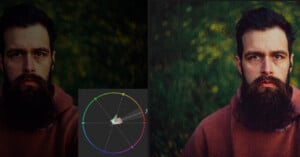
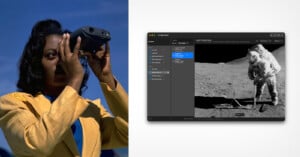
The vectorscope has finally arrived in Lightroom, and it is one of the most useful color tools a photographer can add to their editing workflow. The vectorscope showed up in Adobe Camera Raw a few months ago, and the examples below were shot there. So, in the video, I was still using a third-party solution called Scopes3 for my edits, but now that it has finally arrived in Lightroom as well, it’s time to talk about it.
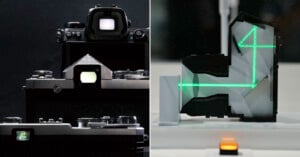
The Nikon Museum in Tokyo is hosting a special exhibit that celebrates the viewfinder, one of a camera's most integral and enduring components, from the analog era through today's mirrorless models.
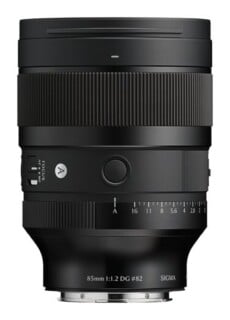 95 Certified Keeper Sigma 85mm f/1.2 DG Art 16 reviews
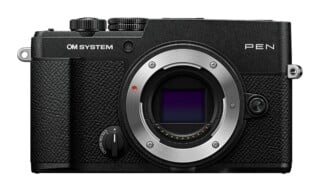 84 OM System PEN 23 reviews
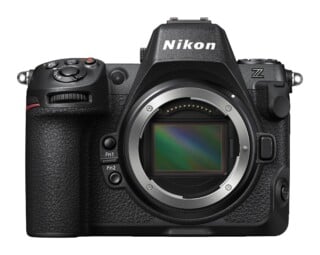 93 Certified Keeper Nikon Z8 47 reviews
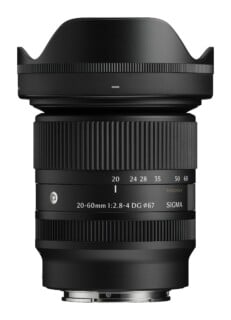 86 Certified Keeper Sigma 20-60mm f/2.8-4 DG Contemporary 10 reviews
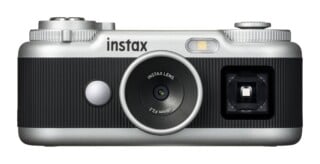 69 Fujifilm Instax Pal 2 5 reviews
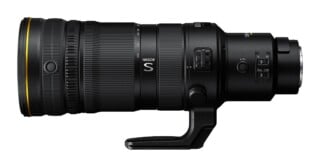 New 89 Certified Keeper Nikon Nikkor Z 120-300mm f/2.8 TC VR S 9 reviews
 84 Apple iPhone 18 Pro / Pro Max 61 reviews
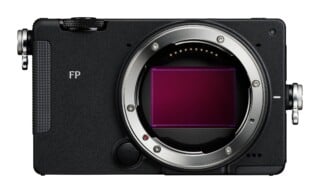 82 Sigma FP2 13 reviews
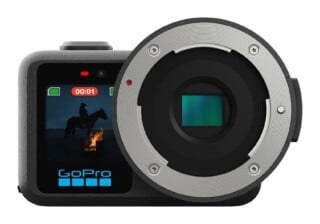 74 GoPro Mission 1 Pro ILS 13 reviews
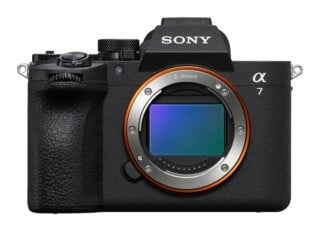 89 Certified Keeper Sony a7 V 28 reviews
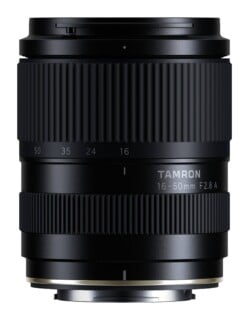 89 Tamron 16-50mm f/2.8 A 6 reviews
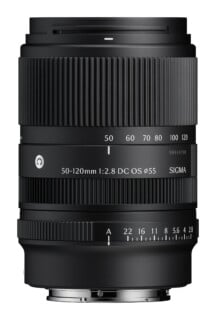 94 Certified Keeper Sigma 50-120mm f/2.8 DC OS Contemporary 6 reviews
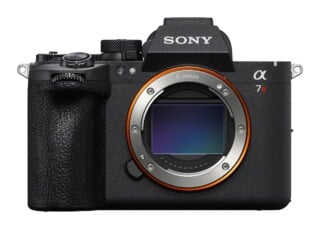 89 Certified Keeper Sony a7R VI 29 reviews
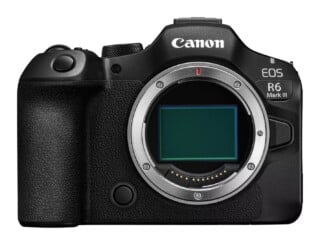 90 Certified Keeper Canon EOS R6 Mark III 31 reviews
 89 Certified Keeper Oppo Find X10 Pro Max 40 reviews
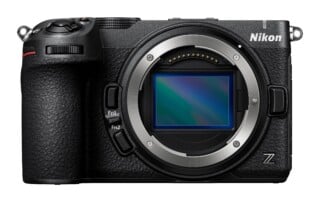 74 Nikon Z5 IIC 9 reviews
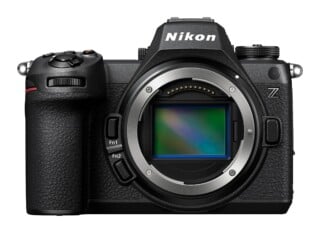 89 Certified Keeper Nikon Z6 III 58 reviews
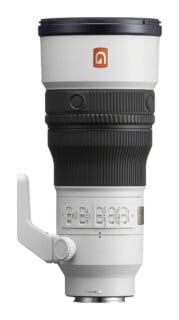 93 Certified Keeper Sony FE 400mm f/4.5 GM OSS 7 reviews
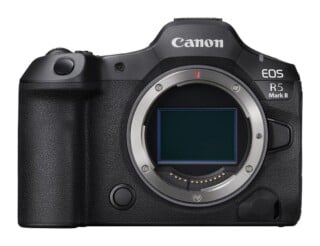 91 Certified Keeper Canon EOS R5 Mark II 24 reviews
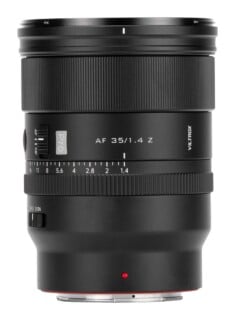 New 83 Viltrox AF 35mm f/1.4 Pro 13 reviews 89 Certified Keeper Nikon Nikkor Z 120-300mm f/2.8 TC VR S 9 reviews 83 Viltrox AF 35mm f/1.4 Pro 13 reviews 82 Sigma FP2 13 reviews 89 Tamron 16-50mm f/2.8 A 6 reviews 94 Certified Keeper Sigma 50-120mm f/2.8 DC OS Contemporary 6 reviews 89 Certified Keeper Oppo Find X10 Pro Max 40 reviews 74 Nikon Z5 IIC 9 reviews
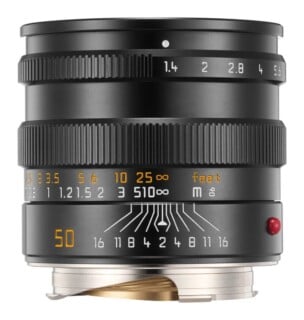 80 Mandler 50mm f/1.4 Pre-A 5 reviews 69 Fujifilm Instax Pal 2 5 reviews 93 Certified Keeper Sony FE 400mm f/4.5 GM OSS 7 reviews
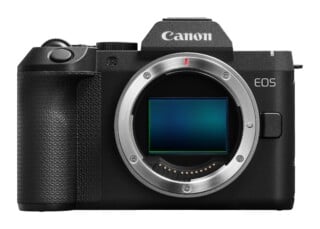 80 Canon EOS R8 Mark II 17 reviews
 79 Apple iPhone Duo 31 reviews 84 Apple iPhone 18 Pro / Pro Max 61 reviews 84 OM System PEN 23 reviews 86 Certified Keeper Sigma 20-60mm f/2.8-4 DG Contemporary 10 reviews 95 Certified Keeper Sigma 85mm f/1.2 DG Art 16 reviews
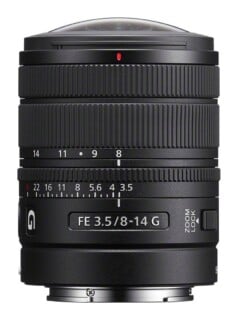 87 Sony FE 8-14mm f/3.5 Fisheye 10 reviews
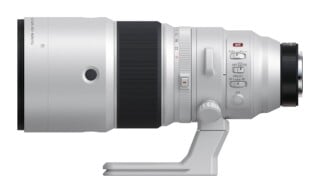 89 Fujifilm XF 400mm f/4.5 R LM OIS WR 9 reviews
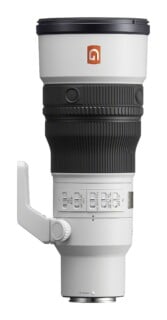 92 Certified Keeper Sony FE 600mm f/6.3 GM OSS 8 reviews
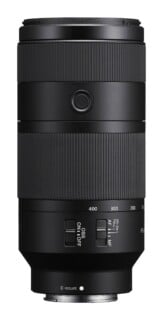 81 Sony FE 100-400mm f/5.6-8 OSS 8 reviews
Recognized as the world’s most lucrative photography competition, the 15th annual HIPA awards celebrated its winners on November 10, 2026, with Family as this year’s theme. The awards were presented at the Museum of the Future, the torus-shaped architectural landmark in Dubai's financial district in the United Arab Emirates.
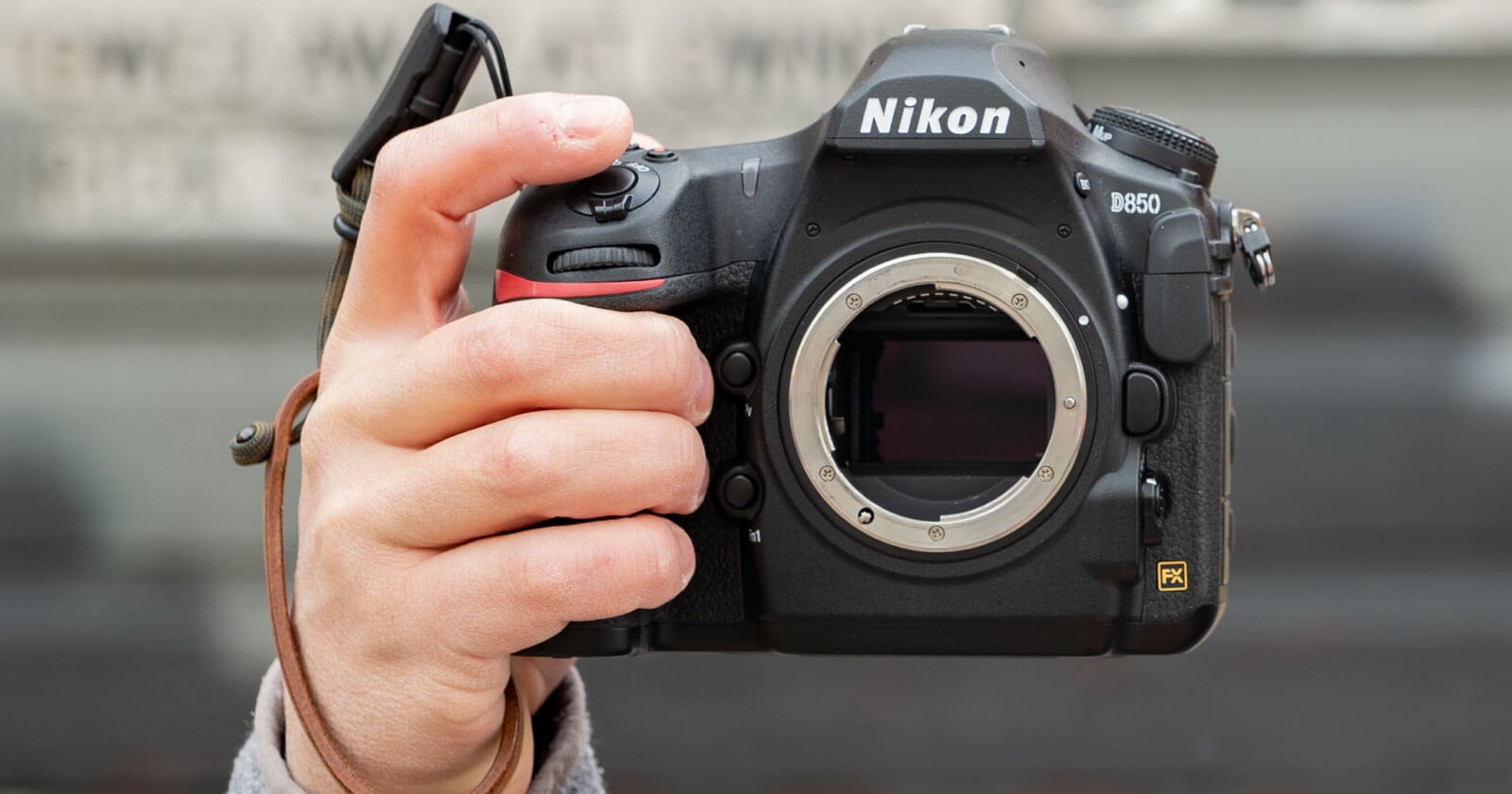
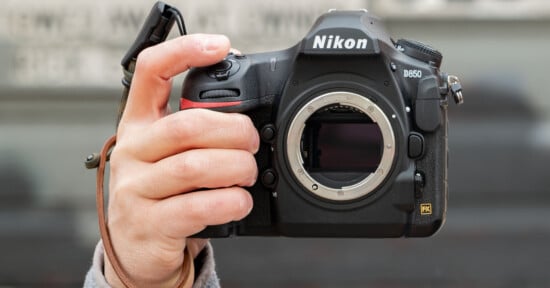
I never owned a Nikon D850, although I put some miles on my D700 over the years. I did get a chance to review the D850, though, on one of my first major press trips to Bend, Oregon. This was back in the TCS TV days, and it was there that I met many of the industry professionals who I now consider good friends.
An upcoming exhibition will feature photographs of Marilyn Monroe taken by Lawrence Schiller, the last living professional photographer to have worked with the Hollywood icon.
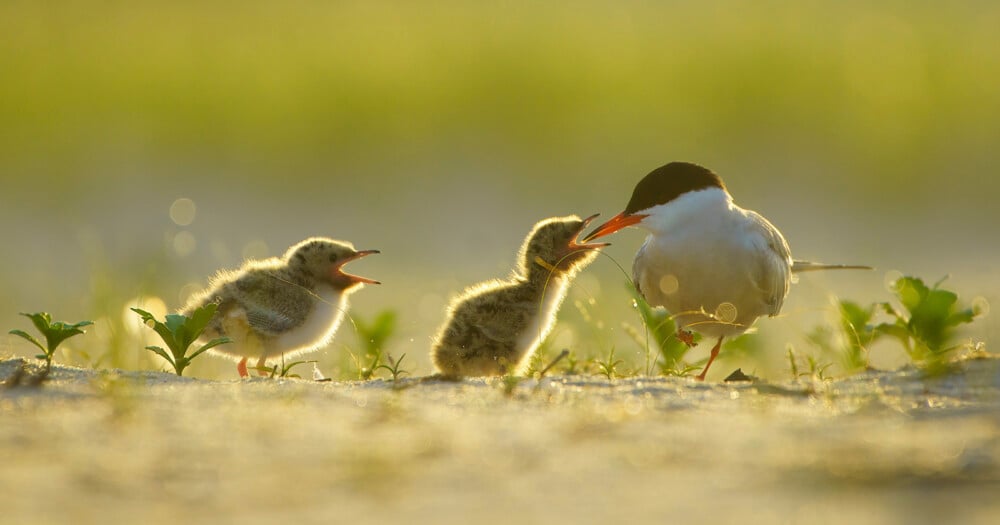
Wildlife photography is about more than finding an animal and capturing a sharp image. Understanding animal behavior helps photographers anticipate movement, recognize meaningful interactions, and capture moments that reveal more about a subject than its appearance alone—they tell a story.
Oh Tap! just announced Vault, a photo and video storage platform that features simple sharing and private galleries designed for event photographers.
"A photographer drops in a whole wedding or event, picks the best shots and sends the client one private link with the studio's logo and colors. The client opens it on any phone with no app or sign-in, hearts favorites, approves photos and videos, and can comment on a moment in a video," Oh Tap! founder Prash Prabagaran says. "Every account starts with 5 GB for photos and videos and no card, there's no paid tier, and pros can ask for up to 100 GB."
You can see an example client gallery here and look at Oh Tap!'s terms of use and privacy policy here.
Yesterday, Adobe announced a bunch of updates across its ecosystem and while many of them are really great, the overwhelming sentiment online is negative due to the company's focus on AI. This might be a good time to resurface a story I wrote back in April, because it seems just as relevant now as it was then.
We are continuing to build PixelMeter in direct response to your requests, which last week led to the addition of a comparison tool and now, today, we've opened up user reviews. Consider this a first pass, so only PetaPixel Members will be able to leave reviews. We hope this cuts down on review bombing and we'll look at possibly opening this up to non-Members in the future.
You can find the option to add a User Review on any product page under critic reviews. Let us know what you think!

RØDE Capture, the compay's all-in-one mobile content production app, is now available on Android. It is designed to simplify mobile production by bringing microphone configuration and video recording controls together within one interface. Depending on the connected microphone, available audio controls include gain adjustment, Gain Assist, Noise Reduction, split or merged recording modes and high-pass filtering. The app supports a broad selection of RØDE microphones, including products across its Wireless range, compact on-camera microphones and USB desktop microphones.
"A key feature for Android users is Direct Connect, which enables compatible RØDE wireless transmitters to connect directly to a smartphone without requiring a separate receiver," RØDE says. The app is available to download now from Google Play.

Tamron has announced the return of its annual Photo and Video contest. Entries are accepted across seven categories (Landscape, Wildlife, Portrait, Macro, Video, Legacy, and Fast Action) and winners will receive $1,000 cash as well as a choice of a Tamron lens worth up to $1,299.
"Entries must be captured using current Di and Di III Tamron lenses, as listed on the company’s website for qualifying categories, apart from submissions entered in the Legacy category. The Legacy category is open exclusively to work created with discontinued Di, Di II, and Di III lenses," Tamron says.
Each category winner is eligible for the first-place prize along with seven more each second and third place prizes worth $500 and $300. Full contest rules can be seen on Tamron's website. Submissions will be accepted until November 30.
Last month, CineStill partnered with NBC to photograph the Emmy's red carpet event entirely on film, but didn't stop there: it also processed and scanned the film on location.
"For the 78th Primetime Emmy Awards, we partnered with NBC to celebrate their 100th year by photographing the entire event — from the red carpet, to the awards show, to backstage BTS — all on film. But we even took it a step further by processing and scanning the film live on-site during the awards. Select photos on film were then published the next day by VanityFair as an exclusive behind the scenes look at the Emmy’s on film," Cinestill explains.
"All of the images were photographed by Ashley Osborn and Brian Wright, entirely on 800T, both in 35mm and 120 Medium Format film."
In addition to the short video above, CineStill just published a blog detailing the whole experience.
The writers behind Saturday Night Live have turned their wicked pens toward wedding photographers, mocking them for being overly enthusiastic.
It's true that the pressure of nailing all of the shots on a bride and groom's big day can make a photographer frantic, but drones inside the church is definitely OTT.
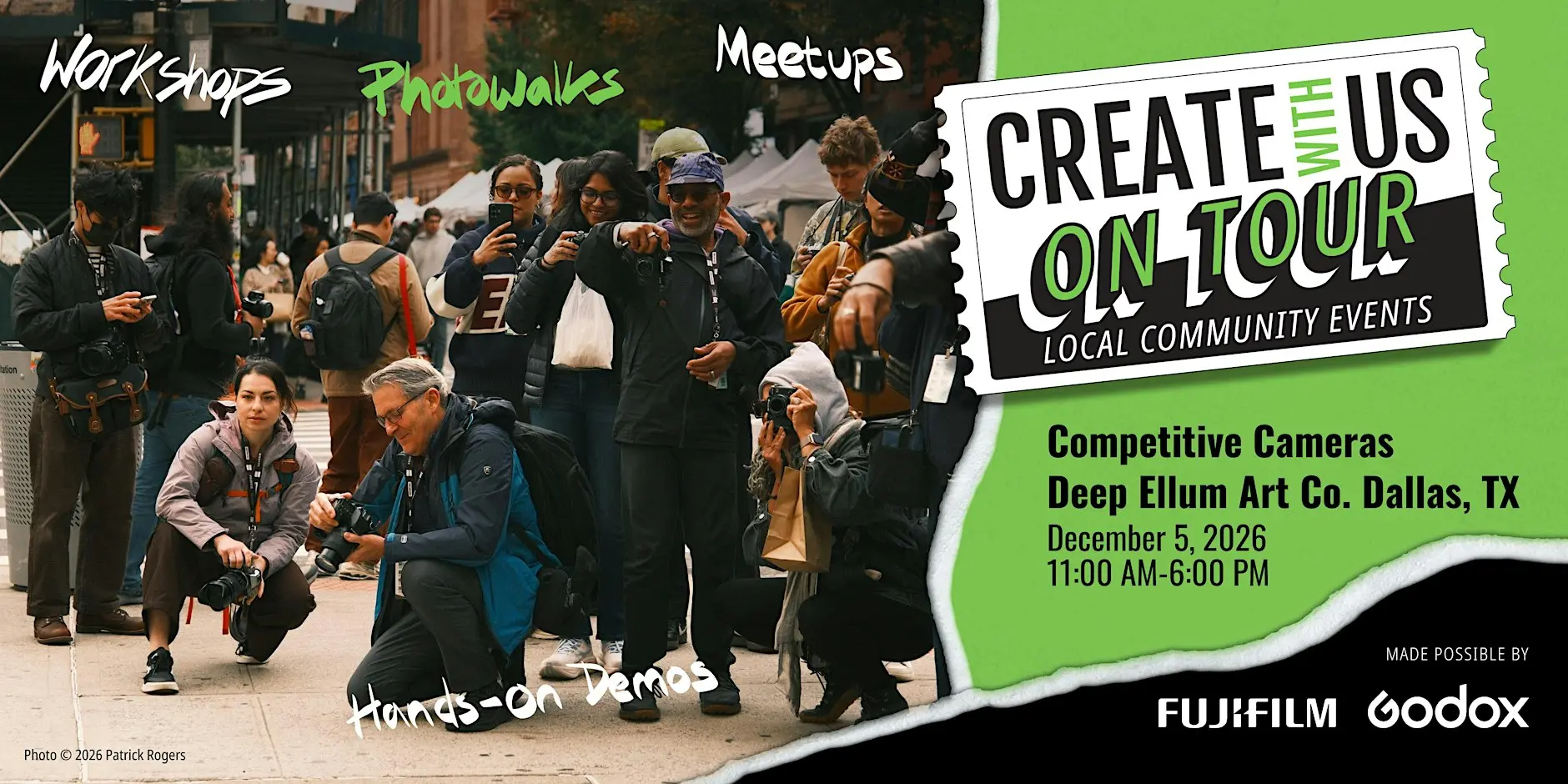
Fujifilm has announced the return of its Create With Us tour that originally started with a Seattle event in 2023. The event continued in Austin for 2024, followed by Minneapolis the following year. Now the event is going nationwide and kicking off first in Dallas on December 5, 2026 and Miami on January 16, 2027.
"Each stop on the tour will offer something a little different, shaped by the local creative community. Planned activations include Hands-On Demo stations, where attendees can explore Fujifilm cameras and lenses, guided photowalks, sponsor-led product demos, workshops led by experienced industry professionals, and a networking meetup to finish out the day," Fujifilm says.
Admission to these events is free. Fujifilm says these two events mark the beginning of a wider schedule, with more destinations to be announced in the future. To see what each event is offering and to register to attend, visit Fujifilm's website.
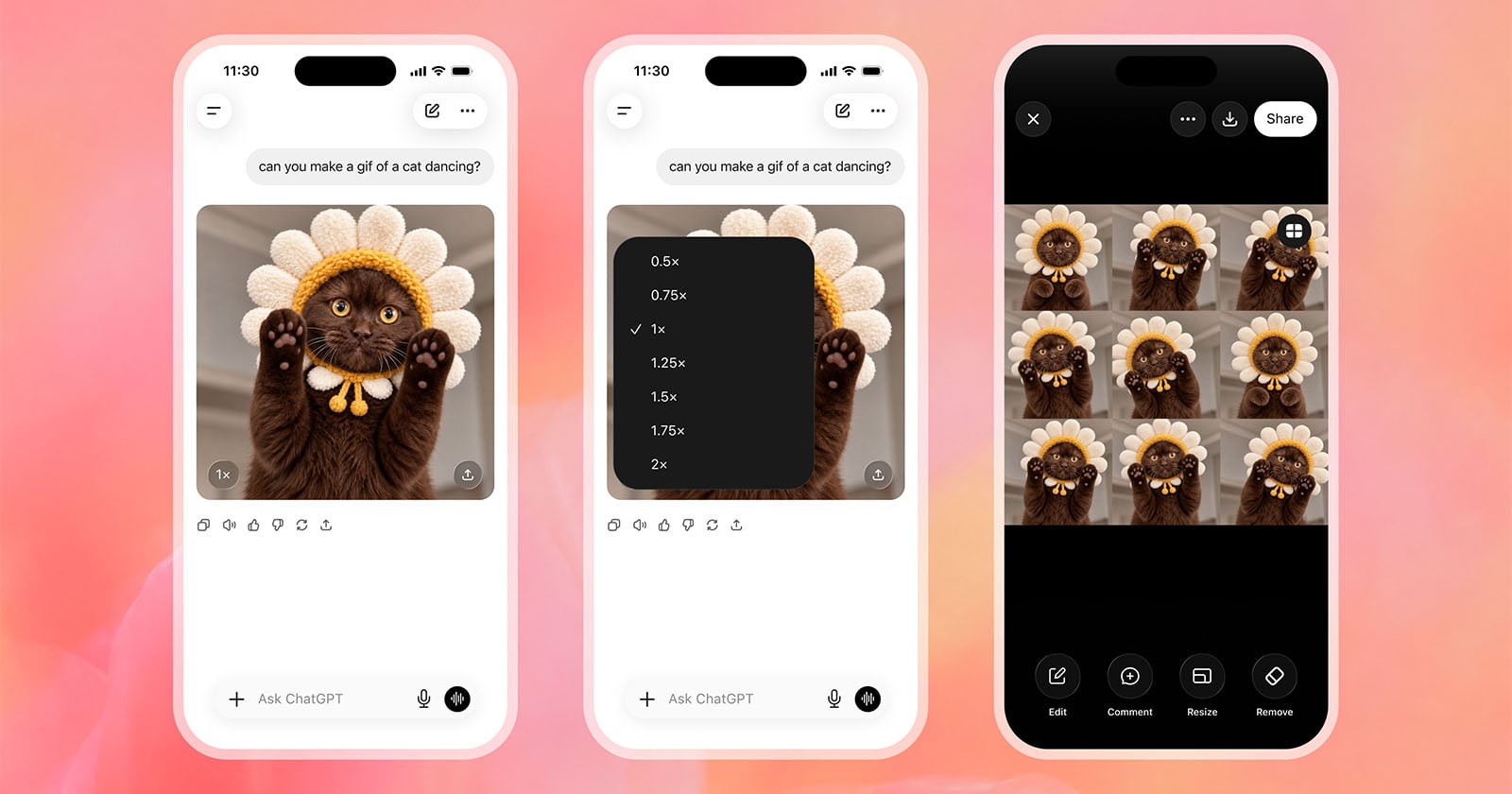
Images 2.6 has arrived in ChatGPT. Beyond expected improvements like faster image generation, Images 2.6 can also turn a prompt or photo into an editable animated GIF. The memes will go wild.
"People now generate more than four billion images per week across ChatGPT and the API, up from more than three billion per week that we shared eight weeks ago during the launch of Images 2.5," ChatGPT says. "On average, that's more than 500 million images per day."
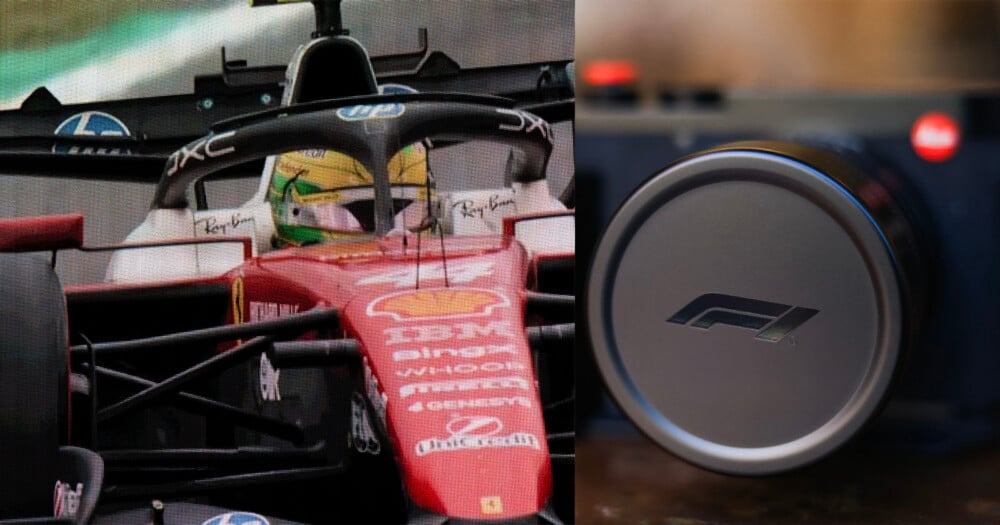
Formula One has changed a lot since I’ve been watching. People used to look at me strangely when I said I enjoyed watching race cars drive around in circles on a Sunday. Now, the sport is swamped by new fans drawn to the sport via Netflix’s Drive to Survive and Charles Leclerc’s boyish good looks.
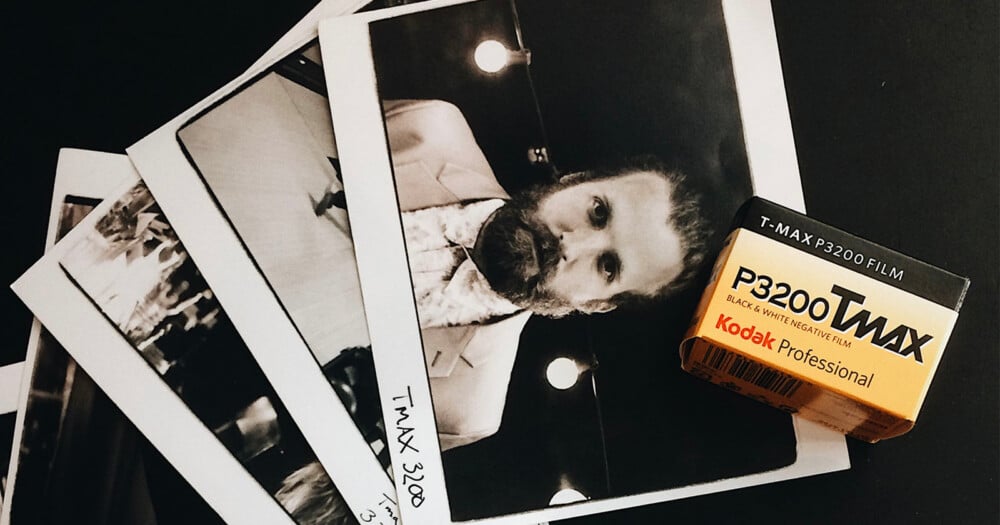
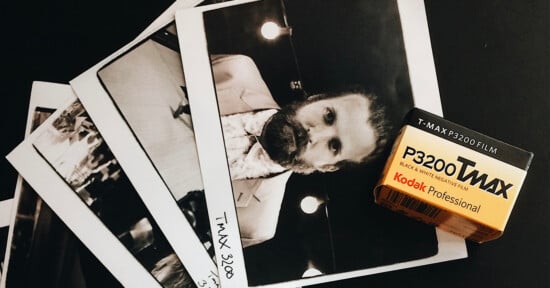
This Film Friday is featuring our favorite low-light film: Kodak T-Max P3200. T-Max P3200 is one of the fastest films you can load into your favorite 35mm camera and is perfect for a night out if the flash has to stay home or for just scratching that itch you have for superb contrast and graininess.
A photographer can proceed with his copyright infringement lawsuit against a Canadian puzzle-maker that allegedly used his images on its jigsaw puzzles.
Gabriel Moses -- the photographer behind some of the most influential fashion campaigns in recent years -- will receive the Trailblazer Award at The Fashion Awards 2026.
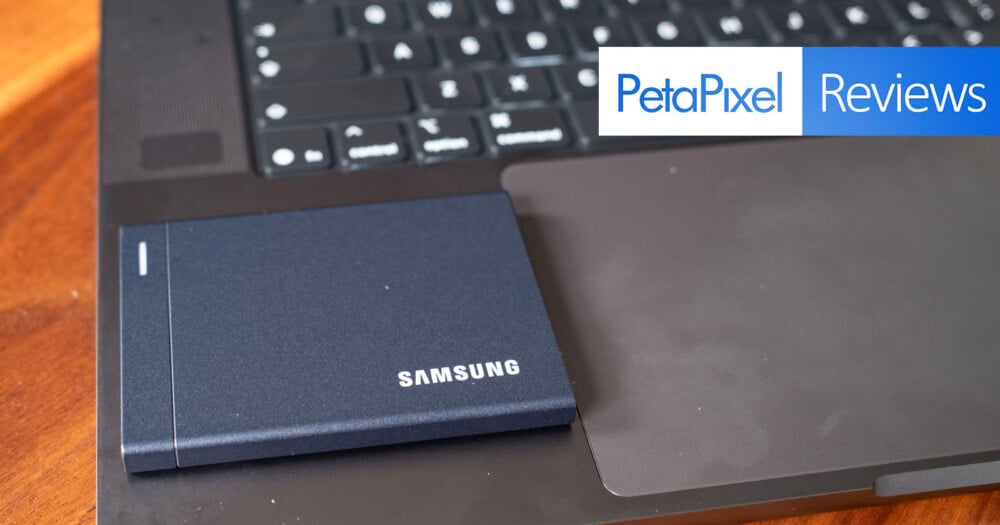
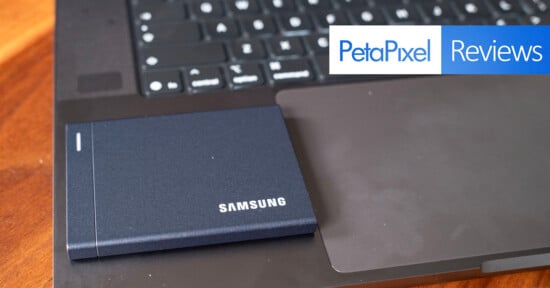
I have been very hard on Samsung SSDs over the last few years. The T-series SSDs have been hugely popular among photographers because of their compact size, but I have never liked them because of their atrocious transfer speeds. For what they cost, they just aren't worth it. But Samsung finally has me changing my tune.
With the holidays just around the corner, the deals are coming in full force. This week, we're focused on Canon gear, including discounts on DSLR and mirrorless cameras, lenses, and more.
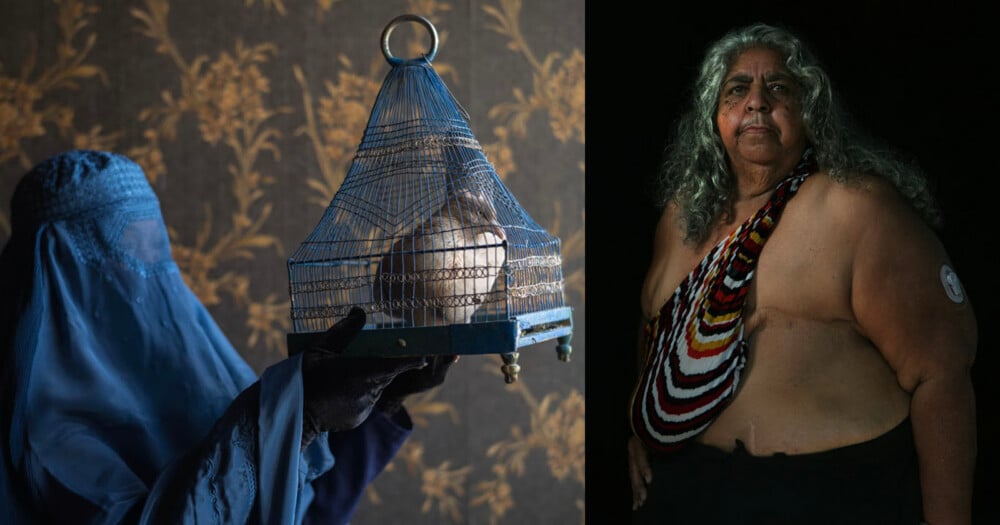
A portrait of a First Nations Elder, a burning gas crater in the Turkmenistan desert, and an image exploring the environmental impact of plastic have taken out the top honors at the 2026 Head On Photo Awards, announced as the Head On Photo Festival opens in Sydney, Australia.
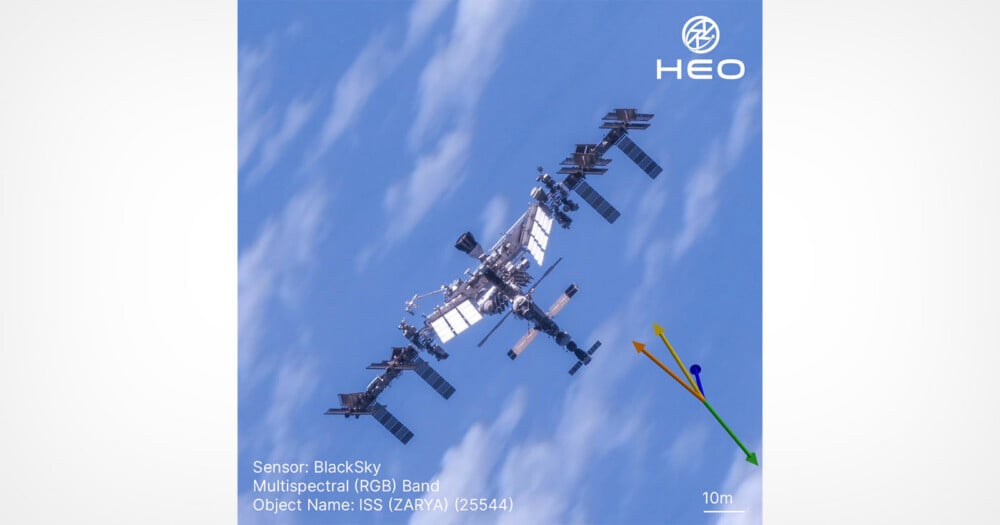
A satellite has captured a sublime image of the International Space Station (ISS) as the two objects sailed past one another in the sky.
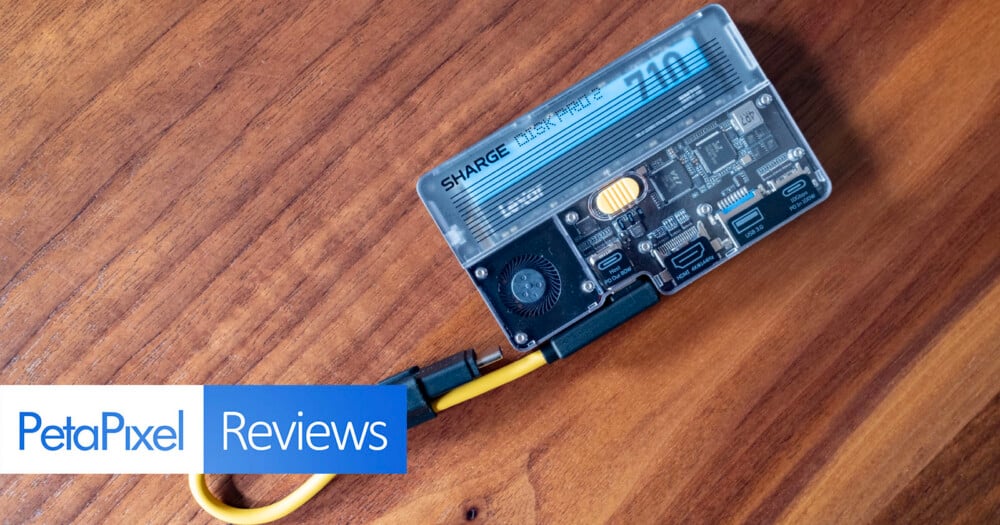
In April, I reviewed the Sharge Disk Pro, the industry's first actively cooled hub with a built-in SSD. I liked it, but found that big selling point to be the worst feature: the fan was just the right level of pitch to be noticeably annoying. Just a few months later, Sharge released the follow-up, and it might just be the most impressive example I've ever seen of a company taking user complaints to heart.
A new species of howler monkey has been discovered in Brazil and has already been spied crossing life-saving rope bridges built by conservationists.
Director Rian Johnson and cinematographer Steve Yedlin are used to teaming up to make films and TV shows like Looper and Knives Out. But the two recently collaborated on a smaller screen: a camera app for iPhone.
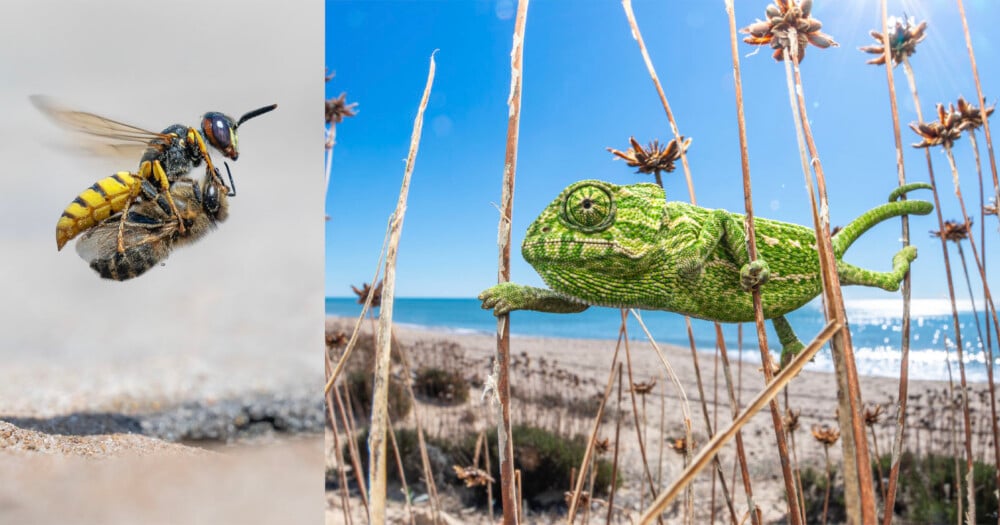
Photographer Dara Ojo began his macro journey while living in China during the pandemic. Initially, it was a way to explore the natural world during lockdowns, but it became a bigger obsession for the Nigerian-born photographer.
NVIDIA's longtime CEO, Jensen Huang, has resigned following multiple affairs, including one with an alleged spy and a second with an executive who reported directly to him.
A photographer who has covered a Los Angeles high school football team for free over the past 28 years says she was abruptly told she could no longer take photos, despite meeting all the required qualifications.
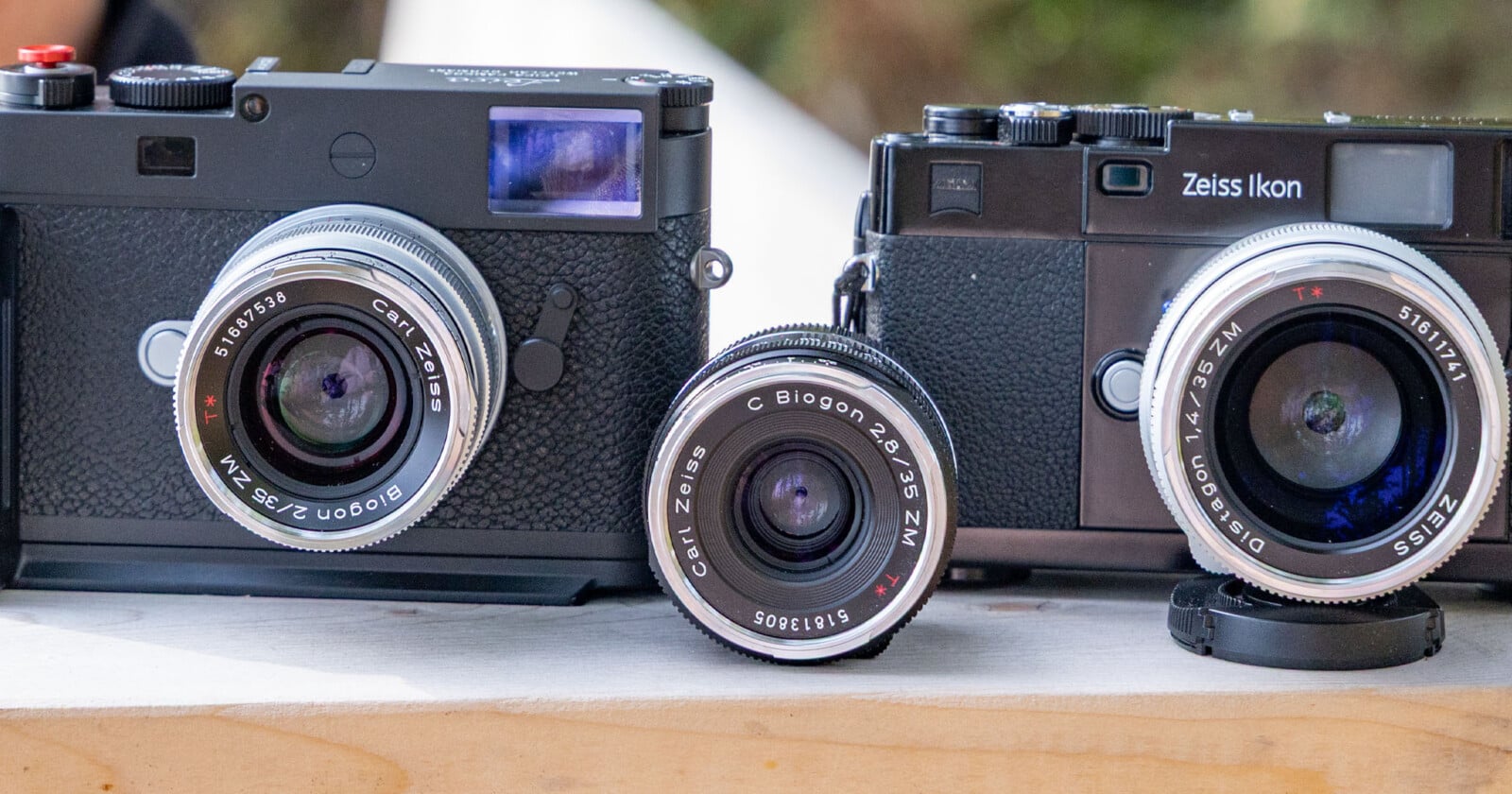
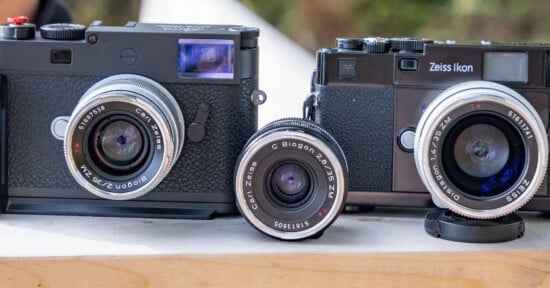
The 35mm focal length is the most popular prime lens on the planet, and for part two of our look at the Zeiss ZM lenses, I’m not just going to talk about one lens; I’m showing you three!
A leading South Korean politician is facing fierce backlash from the country's media after referring to photojournalists as a “pack of hyenas” in an online chatroom -- an insult that has prompted a formal police complaint from press photographers.
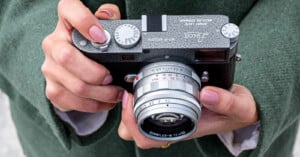
Leica has announced a new special edition version of both the M-A and M11-P cameras that brings what the company describes as a classic design that it also rarely uses: hammertone.
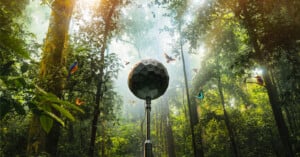
Blackmagic Design has announced the Ambisonic Microphone, a new professional mic designed to capture spatial audio for immersive video productions.
A photographer has sued Sony, accusing the company of posting his "iconic" 1974 portrait of Stevie Wonder on Instagram without permission.
A pizza shop customer used AI to edit a photo of their pizza in a bid to get a refund -- but it ultimately failed.
Annie Leibovitz has teamed up with Hollywood star Florence Pugh and British carmaker Jaguar.
What makes a great photography adventure? People travel with their cameras for different reasons. For some, travel itself is the main attraction, with photography opening the door to longer, richer experiences. For others, it is the chance to develop new skills by photographing new landscapes, wildlife, or cultures around the world.
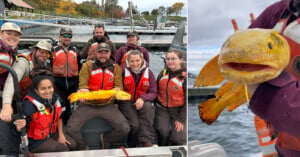
U.S. Fish and Wildlife Service (USFWS) biologists caught a one-in-a-million fish in Oswego, New York, and it sure is a looker.
A new retro-inspired digital camera with a waist-level viewfinder has quickly raised nearly $270,000 on Kickstarter, absolutely shattering its meager $4,996 funding target.
This week on the PetaPixel Podcast, the team discusses the updates coming to Canon's EOS Cinema line as well as Nikon's ZR, Wandrd tried to reinvent the camera strap, an Jordan Drake sits down with Jared Raab, cinematographer of BlackBerry and Nirvana the Band the Show the Movie.
Metalenz has acquired Israeli startup PxE Imaging. PxE's claim to fame is its Holocoder technology, a replacement for the Bayer color filter found on traditional image sensors.
The 1839 Awards has announced the winners of its annual Photographer of the Year contest, celebrating exceptional, creative photography across multiple categories. Photographers from nearly 80 different countries entered the 2026 edition.
Academy Award-winning filmmaker Ron Howard's new documentary about Richard Avedon, succinctly titled just Avedon, has arrived on Netflix, and is being lauded by critics. Early indications suggest it's a must-watch, especially for photography fans.
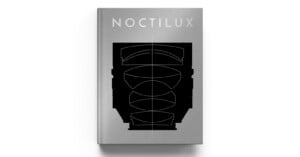
Leica is celebrating the 60th anniversary of the Noctilux lens family with the launch of a book that is centered on the optical achievement over the years. "From the first series-produced Leica lens with aspherical surfaces to the newest wide-angle variant, this book tells the story of how an audacious idea became a legend," Leica says.
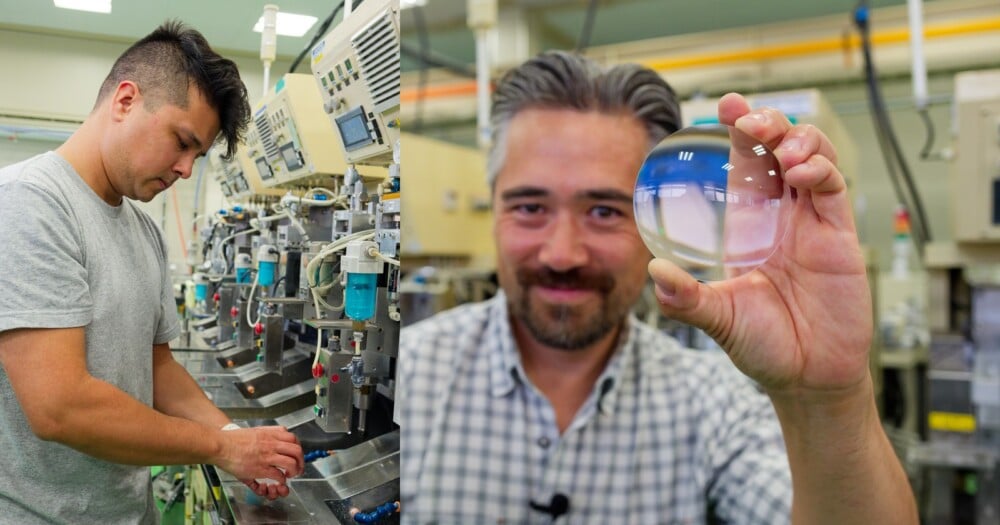
I know how to take pictures, but ask me how the lens on my camera is made and I have a lot less to say. A visit to the Okaya Manufacturing Site in Japan, followed by some research afterward, gave me a lesson in a subject I’d never understood particularly well. I wanted to understand how the glass inside a lens is crafted, how the tools used in that process are prepared, and how people learn to do that work.
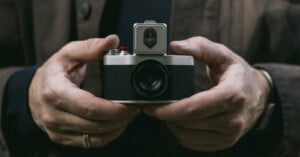
Canadian photographer and inventor Peter Modzelewski has launched Forma on Kickstarter via his independent photo gear studio, Oramod. It is a pocket-sized optical viewfinder designed for a wide range of film and digital cameras.
In May, VSCO came under scrutiny for wording in its Terms of Use that seemed to give the company permission to use certain user content to develop, train, and improve generative AI or machine learning models. It has now taken the extra step to clarify that it doesn't do that, and won't.
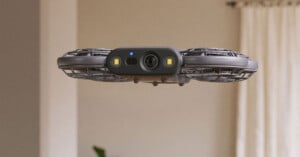
Home security can now fly. Amazon-owned Ring has announced the Ring Drone Cam, a $250 indoor flying security camera designed to automatically patrol a home's interior.
The good news keeps coming for photographers using Adobe's software. Alongside big Lightroom Classic updates, Adobe Camera Raw (ACR) has been updated today to version 19.0, ushering in a wide range of tweaks, some of which are major.
Adobe's MAX press kit focused on just a few updates to Lightroom and gave Lightroom Classic no specific attention, but that doesn't mean that the popular RAW editing and organization app hasn't received big changes. Lightroom Classic 16.0 is here, and it includes a ton of meaningful improvements.
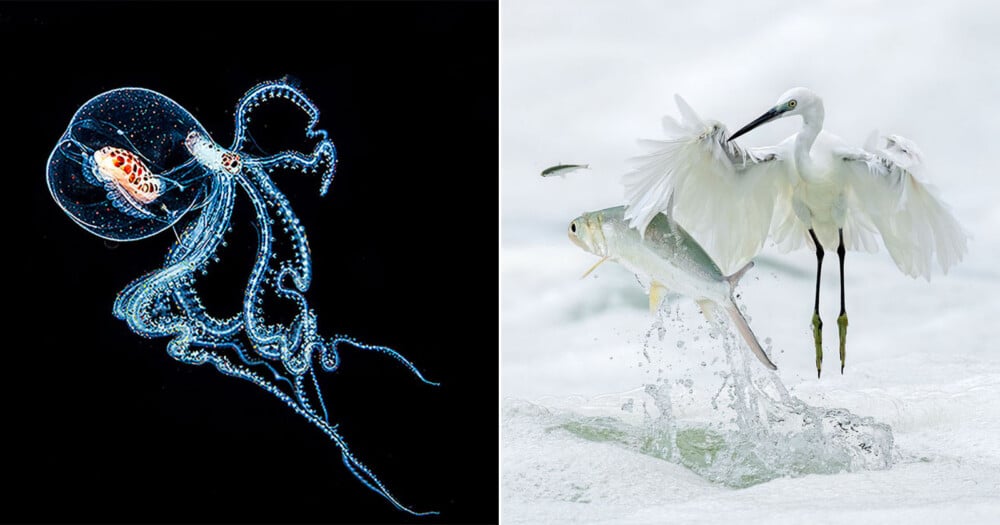
The finalists for this year's Close-up Photographer of the Year (CUPOTY) have been announced -- a competition showcasing the very best of close-up, macro and micro photography.
Beni, the adorable rolling robot which made waves with tech YouTubers when its beta version was first shown off last July, is now a finished product. Mondo Robotics has announced the robot cameraman is available to purchase today for $799.
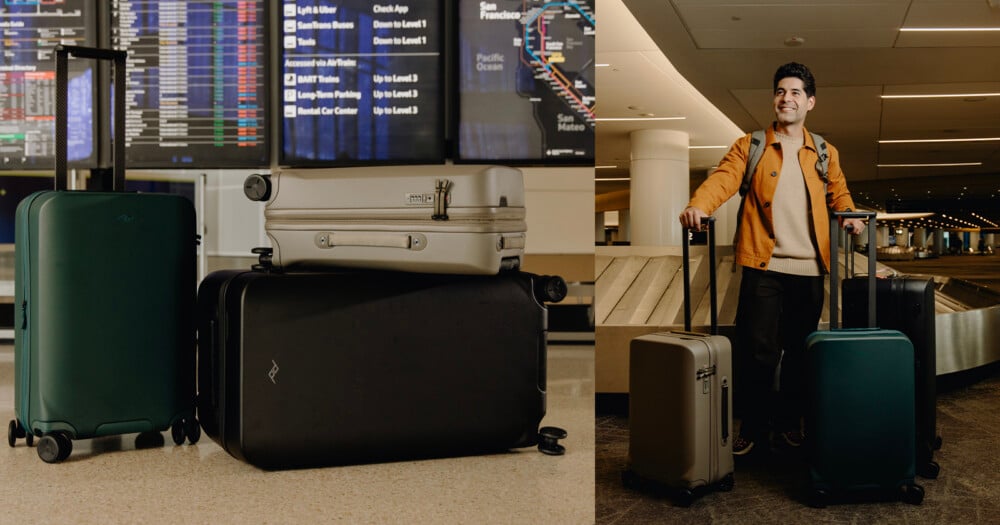
Peak Design has expanded its line of Roller Pro rolling luggage to include three new hardshell suitcases called Roller Lite, which appears to be a play on the design's ability to retain hardshell exteriors but with lighter construction than what the style is known for.
Just over a year ago, Aura unveiled its first cord-free e-paper digital picture frame, the 13.3-inch Aura Ink. The company has now introduced the Aura Ink 10", a smaller e-ink digital frame that builds upon the success and technology of the original Aura Ink 13".
Adobe has been developing agentic AI for years, and at this year's Adobe MAX in Miami, it looks like it has finally been fully unleashed. Adobe is ushering in significant expansions to the Adobe Creative Agent, which users can direct using text across not only Adobe's Firefly AI platform but also Creative Cloud apps like Photoshop and Premiere.
Adobe is updating Premiere with a ton of AI-based tools and assistance as well as promising a new, wholly revamped approach to color grading.
Today at Adobe MAX 2026 in Miami Beach, Adobe announced a wide range of updates to its core applications and technologies, including Photoshop and Lightroom.
Leica has announced the Cine Play 1 Plus, an upgraded version of its compact 4K smart projector that increases brightness and contrast compared with its predecessor.