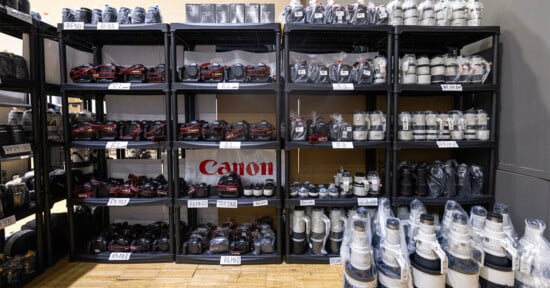
The Best New Photo Gear Announced at CP+ 2026
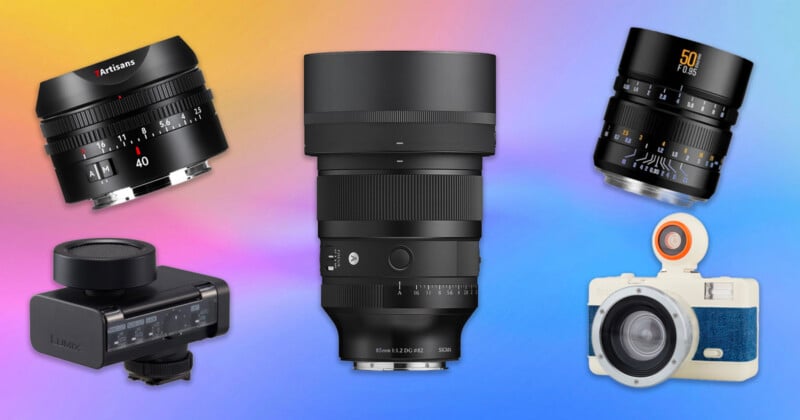
CP+ 2026 offered a wide-ranging glimpse at the current state of photography gear, showcasing experimental cameras, innovative lenses, hybrid accessories, and playful film releases. Unlike some previous years, no single flagship camera dominated the conversation. Instead, the show emphasized creative differentiation, workflow flexibility, and character-driven design across both mainstream and third-party products. Photographers attending the event were treated to a mix of high-end prototypes, practical tools, and fun, engaging releases that underscored the breadth of today’s industry.
Cameras and Concepts
Canon drew attention with a prototype SLR-style camera featuring a waist-level viewfinder. The design combines a traditional pentaprism silhouette with a top-mounted viewing hood reminiscent of medium format systems. This approach encourages photographers to slow down, rethink framing, and rely on eye-level perspectives rather than the rear LCD. The prototype was accompanied by a separate retro-inspired concept camera, signaling Canon’s interest in experimenting with alternative form factors and ergonomics. Together, these models suggest a subtle shift toward tactile, thoughtfully designed tools rather than purely maximizing speed or resolution.

Third-Party Lenses
Brightin Star introduced a 35mm f/1.7 lens for Leica M mount, delivering a compact, affordable option for digital M users. The lens maintains classic manual focus mechanics while offering modern optical performance, making it ideal for street and travel photography. At the same time, the company unveiled the 50mm f/2 Tri Sight lens, which incorporates three interchangeable front elements to produce different rendering styles within a single body. This design allows photographers to explore multiple creative aesthetics without changing lenses, reflecting a broader trend toward character-driven optics.
Cosina, under the Voigtländer brand, unveiled a pair of impressively compact M-mount lenses. These lenses emphasize portability and precise manual operation, appealing to photographers who value tactile control. Their small size makes them ideal for street photography or travel without sacrificing optical performance, reinforcing the continued relevance of manual-focus rangefinder systems.
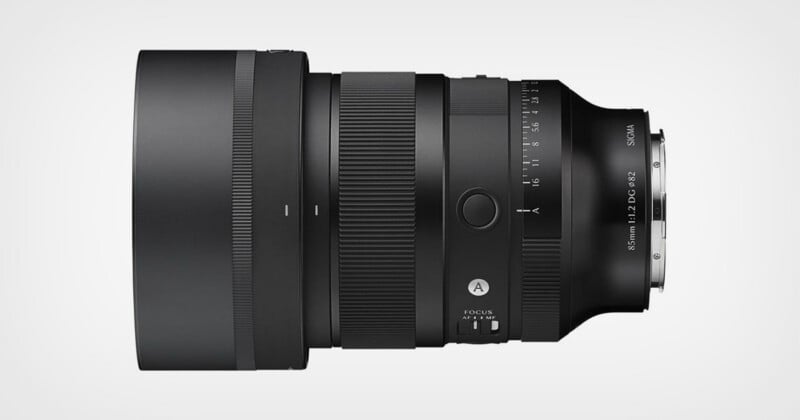
Sigma expanded its lens lineup with several announcements. The company confirmed development of an 85mm f/1.2 DG Art lens for full-frame cameras, adding to its high-end Art series aimed at portrait and fashion photographers. Its 15mm f/1.4 DC Contemporary lens for APS-C systems drew attention for its bright aperture and ultra-wide field of view, making it ideal for landscapes, astrophotography, and architecture.
Sigma also unveiled a new 35mm f/1.4 DG II Art lens, 20% lighter than its predecessor, improving handling and portability while maintaining optical performance. Cine shooters were reminded to mark April 16 for the AF Cine 28-105mm T3 FF lens, offering smooth focus and aperture control for professional video work.

In a surprising non-optics announcement, Sigma also announced the launch of a farm company to grow rice, highlighting the brand’s diverse interests.
Schneider-Kreuznach partnered with Samyang again to release the AF 60-180mm f/2.8 telephoto zoom. The lens is designed to provide fast performance and excellent sharpness across multiple mounts. Its versatile focal range makes it suitable for wildlife, sports, and event photographers, while its bright aperture allows greater control over depth of field.
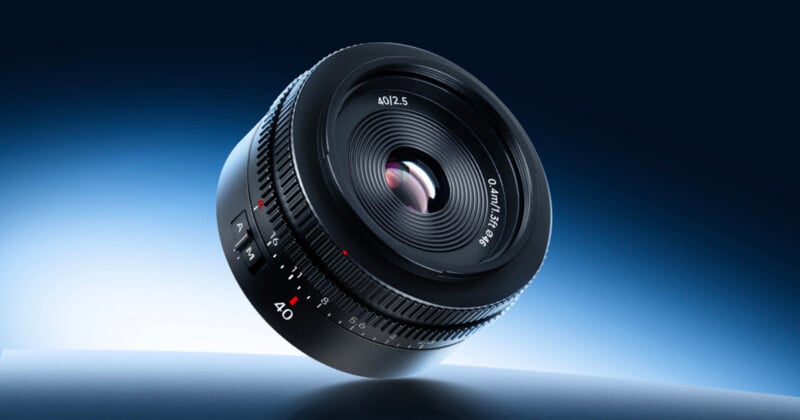
7Artisans continued its push into accessible autofocus lenses with the full-frame 40mm f/2.5, priced at just $159. The lens delivers a compact, lightweight solution for full-frame shooters who want autofocus at a low cost, making it a practical choice for everyday photography.
Megadap unveiled the world’s first Leica M to Canon RF autofocus adapter. This device enables electronic focusing for manual M lenses on Canon RF mirrorless cameras. It could significantly expand creative possibilities for photographers invested in legacy glass, reflecting the growing importance of cross-system compatibility.
Accessories and Hybrid Tools
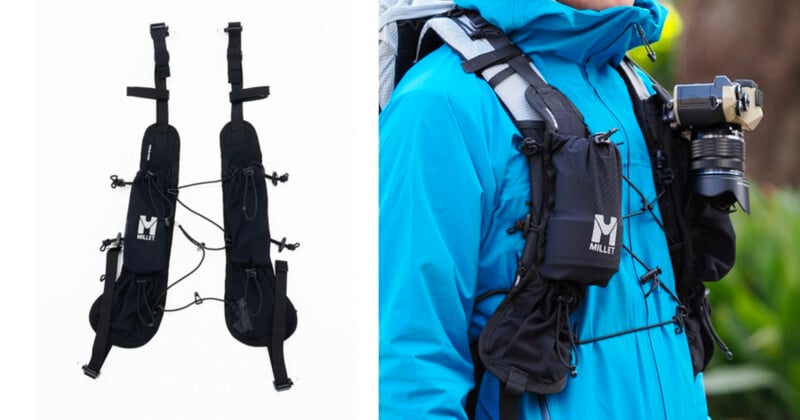
OM System collaborated with Millet to release the wearable Photo Pocket, a small chest-mounted pouch designed to keep cameras accessible during outdoor adventures. The design prioritizes comfort and portability, allowing photographers to shoot efficiently while hiking, climbing, or exploring. The collaboration underscores the increasing integration of lifestyle and function in accessory design.
Panasonic introduced a new on-camera microphone with 32-bit float recording and six selectable directional modes. It allows hybrid shooters to capture high-quality audio without external recorders, making it ideal for vlogging, interviews, and professional video projects. The microphone’s versatility highlights the increasing prominence of audio in modern photography and video workflows.
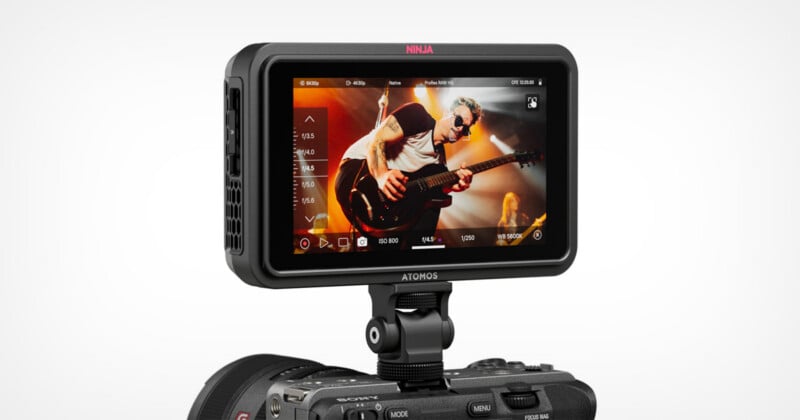
Atomos debuted the Ninja RAW monitor, which supports ProRes RAW recording while providing camera control functionality. The integrated design streamlines high-quality capture and monitoring, appealing to videographers and hybrid content creators who need efficiency without sacrificing image fidelity.
Fun Film Gear and Interesting Collabs
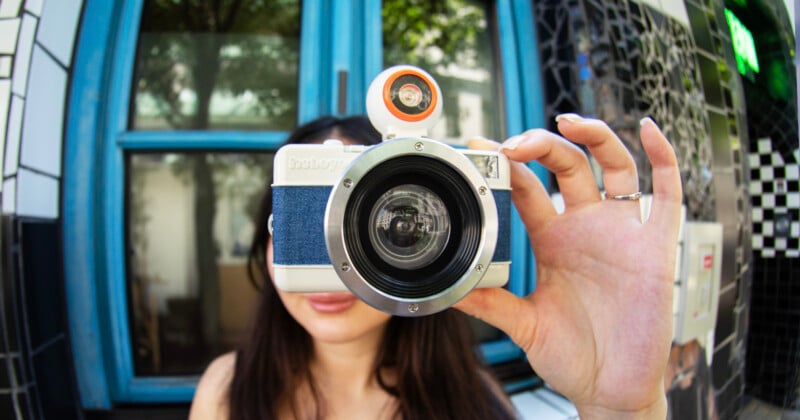
Lomography revealed the Lomo Fisheye No. 2 Rodeo Denim, a playful 35mm fisheye camera wrapped in a Western-inspired denim finish. This whimsical design demonstrates that analog photography remains culturally relevant, offering a tactile, expressive alternative to digital.
Valoi introduced the Easy35 v2 film scanner, which promises an intuitive and fast method to digitize negatives at home. By simplifying the scanning process, it caters to hobbyists and professionals alike, bridging the gap between analog and digital workflows.
SG-Image released an ultra-thin pancake lens with an Ultraman theme. Combining practical optics with collectible design, the lens appeals to fans of both photography and pop culture. It illustrates how creativity and marketing can intersect to create visually distinctive products.
Tamron attracted attention with its Back to the Future-themed booth at CP+. The installation combined nostalgia and engagement, allowing visitors to explore the company’s latest lenses through an interactive, playful experience.

The Takeaway
CP+ 2026 highlighted diversity and creativity across the photography industry rather than emphasizing a single dominant camera. Ambitious and affordable third-party lenses, experimental camera ergonomics, hybrid accessories, and playful analog releases all took center stage. The show reinforced the importance of character, flexibility, and workflow adaptability, giving photographers a broader range of tools to shape their craft. Overall, the event signaled a shift toward thoughtful design and creative differentiation over headline technical specs.
Image credits: Canon, Brightin Star, Cosina, Voigtländer, Sigma, Samyang, Schneider-Kreuznach, 7Artisans, Megadap, OM System, Millet, Panasonic, Atomos, Lomography, Valoi, SG-Image, Tamron. Header photo created using an asset licensed via Depositphotos.com.