
16 Iconic Ansel Adams Photos to Be Featured in Set of USPS Stamps
The United States Postal Service (USPS) is set to release a series of 16 Forever Stamps that feature the timeless work of photographer Ansel Adams this spring.
The United States Postal Service (USPS) is set to release a series of 16 Forever Stamps that feature the timeless work of photographer Ansel Adams this spring.
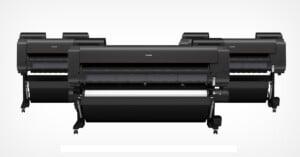
Canon is expanding its large-format imagePROGRAF printer line with the addition of three new 11-color plus chroma optimizer inkjet models: the imagePROGRAF 60-inch PRO-6600, 44-inch PRO-4600, and 24-inch PRO-2600.
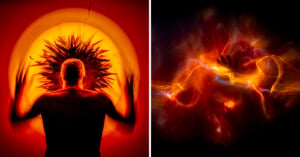
Australia-based photographer Denis Smith uses light painting techniques to create incredible, dynamic works of art. His latest project, DUALITY, is still built upon light painting but it represents a marked stylistic departure for Smith.
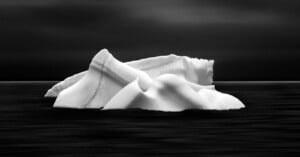
The Melting Giants project came about by happenstance. I overheard two men talking about the icebergs that come along the Newfoundland coast. That was enough to pique my interest, so off I went.
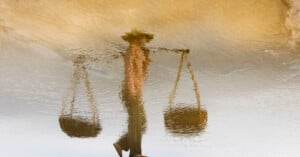
French fine art photographer Réhahn is well known for his excellent documentary and travel photography. However, he has embarked on a new project with an incredible style, Impressionist Photography.
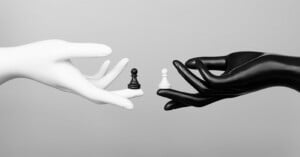
Spanish photographer García de Marina's work blurs the line between the camera and the subject. Marina's photographic style is minimalist, and his subjects are fascinating objects. His fine art begs the question, where does the photography end and the subject itself begin?
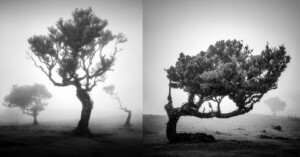
The Fanal area is one of Madeira's largest laurel forests, known for its mysterious and unusual landscape with trees said to be up to 600 years old.
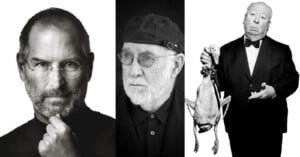
Albert Watson is a fashion, celebrity, and art photographer with over 100 Vogue covers and iconic images of celebrities and champions of business captured for over five decades. His subjects have included Mick Jagger, Steve Jobs, Jack Nicholson, Kate Moss, Christy Turlington, David Bowie, Tupac Shakur, and Andy Warhol.
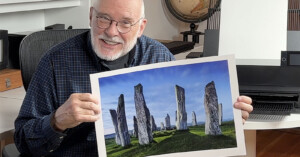
Epson has introduced the newest addition to its Legacy Papers portfolio: the Legacy Baryta II.
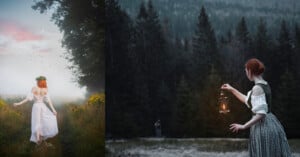
Journeying through misty mountains and deep forestry, photographer Erinthul takes refuge in capturing her dark and cryptic self-portraits that serve as an invitation into folklore and the arcane wildernesses of Poland.
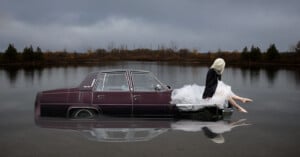
Photographer Patty Maher's new award-winning photo series, "The Salvage Mission," focuses on a car graveyard near Maher's home. She was instantly enchanted by the rusty old vehicles, the stories the cars might tell if only they could speak, and how best to visually represent them before they fully decayed and became lost to time.
Sigma has launched a new three-part photography mini-series on YouTube that is similar to the format of Gone Fishing, but features Joe Cornish and Colin Prior, what the company says are considered two of the great British landscape photographers of all time.
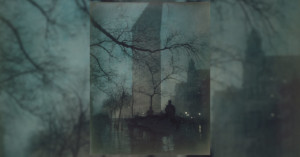
Experts believe a rare Edward Steichen image could break the record for the most expensive photograph sold at auction.
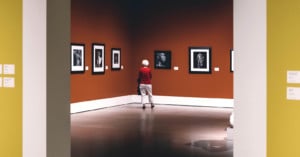
At some point in their career, an artist will be approached by a gallery or will approach galleries looking for representation or to have an exhibition. You’ve had some success at local art shows and fairs and have made some inroads selling your photography online, but now you want to get your work out there and start looking for galleries to show your work or represent you.
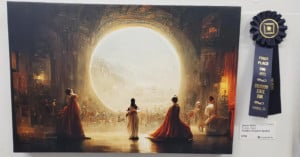
A man who won a fine art competition using an image he created with an artificially intelligent (AI) text-to-image generator has shown no remorse about his triumph despite criticism.
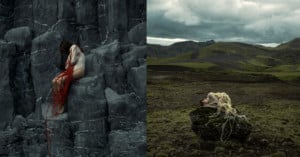
Visual artist and photographer Felicia Simion found a trip to Iceland and a self-portrait project were exactly what she needed to reconnect with nature and feel alive once again.
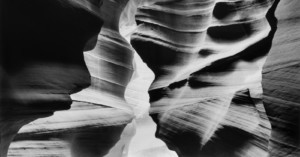
Photographers, from beginners to the most experienced, search for ways to improve their compositions. To be successful in your search, you have to compose an image based on two things above all else: light, and the relationships of forms.
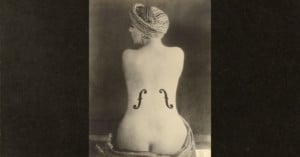
Man Ray's Le Violon d’Ingres, an iconic photo of a nude woman, has sold for $12.4 million, making it the most expensive photograph ever sold at auction.
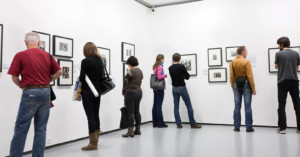
Fine art photography has become all the rage over the past decade, and it is a moniker many photographers use to try and elevate their output to try and sell it via galleries and print sales. But what is fine art photography after all?
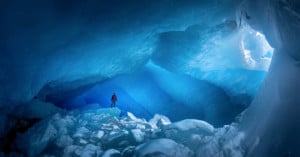
The cool, blue tones of the ice combined with otherworldly features, shapes, and light can lead to portfolio-worthy photos. How to find and photograph remote ice caves safely, however, is often the most challenging aspect of ice cave photography.
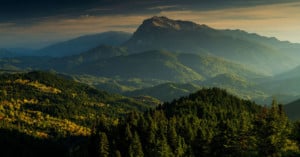
Greek photographer and filmmaker Christophe Anagnostopoulos is determined to show the world the side of his home country that most don't see.
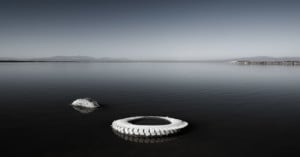
One of the reasons we pursue landscape photography is to connect with nature. Many photographers cite calmness, a sense of peace, and inspiration when they are surrounded by stunning scenery. I am one of them. Unfortunately, it is increasingly common that the encounter is modified by some human-made element.
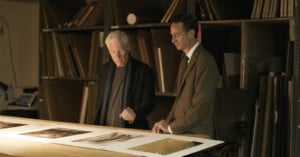
A selection of photos from actor Richard Gere's personal collection is being offered at auction through Christie's and the value of the collection carries a low estimate of nearly $2 million.
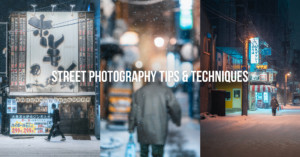
Street photography is a category of photography that is dear to my heart. It’s the first category of photography that I tried to learn and master and over the many years, I’ve learned many skills and techniques.
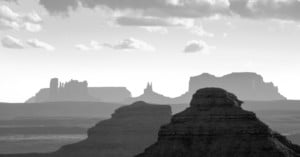
I’ve often been asked that question and it’s relevant, so let’s examine it for a while. Let’s start at the very beginning -- the actual exposure of a negative.
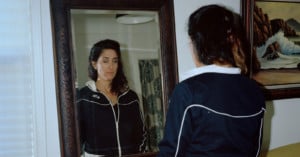
Two photos from a series that was minted as NFTs in 2021 twice set the record for the most expensive photography NFT ever sold. If one of those works sells for its current asking price, it can do so again.
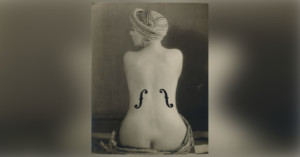
An iconic photo of a nude woman by artist and photographer Man Ray is poised to become the most expensive photo in the world. It will be auctioned by Christie's with an asking price of at least $5 million, a new recording asking price in the history of photo auctions.
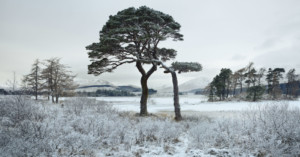
In December 2012, I made my first trip to the Bridge of Orchy. It’s a beautiful area just an hour and a half drive north of the hustle and bustle of Glasgow. It was a last-minute decision to head north from my home as there was the prospect of snow.
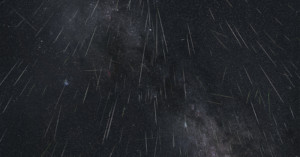
In December of 2020, scientist and photographer Nathan Myhrvold captured over 100 meteors from the Geminids along with five other showers with a custom-designed, four-camera panoramic system. Afterward, they were animated together to show how they fill the night sky.
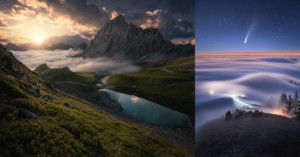
The eighth annual International Landscape Photographer of the Year has announced the winners of its 2021 competition, which awards both an individual photo as well as names an overall winning photographer.
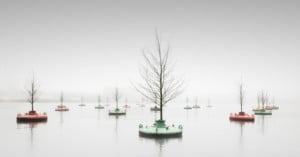
Back when I started photographing nearly a decade ago, my main subject was nature and landscapes. Over the years I continued to broaden my motifs to cityscapes, architecture, abstracts, and street photography. I still love to do them all, but there is one theme that has continued to evolve with me over the years, and that is trees.
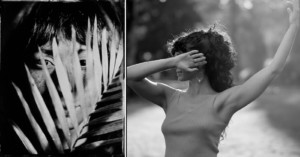
Photography as an art isn't easy, but running a successful photography business is even more challenging. Despite this, Noyel Gallimore managed to build a business focused around the oft-forgotten art of large format and tintype photography.
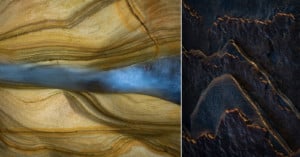
Northumberland is called the secret kingdom for good reason. Until fairly recently this sparsely populated English county with Scotland to the north and a long stretch of North Sea coastline to the east remained undiscovered by the majority of holidaymakers.
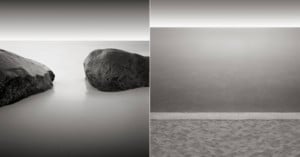
I set out for the beach before dawn. It’s not always easy getting up when it’s still dark outside, but I always return home thinking I should do this more often.
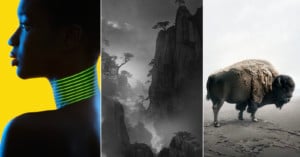
Hasselblad has announced the winners of the 2021 Masters photography competition across 12 categories. The winning photographers gain the title of "Hasselblad Master" and receive a medium format mirrorless Hasselblad camera.
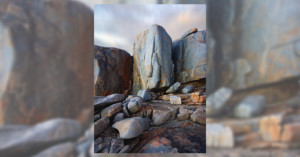
The year was 2014. I was seven years younger and because of that, it was a very good year. Do you remember the time when it didn’t hurt to get out of bed?
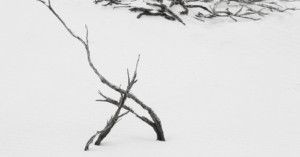
Freeman Patterson is a storied photographer, teacher, and author. After teaching seminars for groups as large as 4,000 and putting together a number of photography books, he shares some insights into the process he has been intimately close to for years.
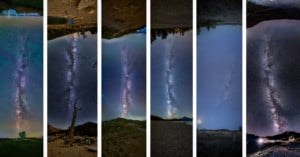
Photographer Geoff Decker has spent the last two years creating what he calls Nexus Panoramas: vertical photos that use the Milky Way to link two landscape foregrounds in a single image.
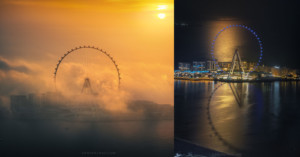
Dubai, the city that is always present when you need urban and architectural wonders. The tallest building in the world, man-made islands with the shape of a palm, a stunning museum dedicated for the future. And now, the largest ferries wheel in the world: Ain Dubai, which means Dubai Eye in Arabic.
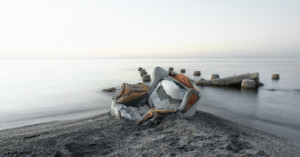
The “purple mountain majesties” which Katharine Lee Bates reflected on when writing the words of America the Beautiful, would likely be unrecognizable to her today.