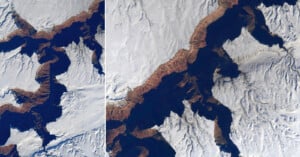
Astronaut Captures Unusual Photos of a Snow-Covered Grand Canyon
An astronaut has captured a snow-covered Grand Canyon from space while passing over the iconic landmark onboard the International Space Station traveling at 17,500 miles per hour.
An astronaut has captured a snow-covered Grand Canyon from space while passing over the iconic landmark onboard the International Space Station traveling at 17,500 miles per hour.
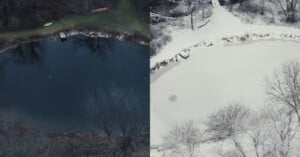
A photographer's beautiful timelapse showing the onset of winter took him five years to shoot.
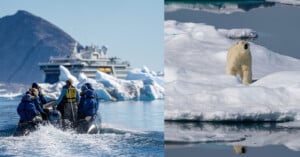
Not only is Greenland one of the most remote places in the world, …
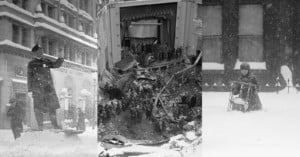
2022 has brought a deadly snowstorm across parts of North America, leaving at least 62 dead. 100 years ago, in 1922, another terrible blizzard ravaged the United States.
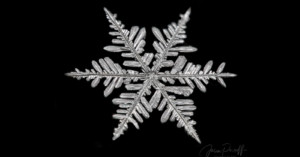
A photographer who has spent six years capturing magical photos of snowflakes seeks out the best-looking ice crystals, including rare 12-sided ones.
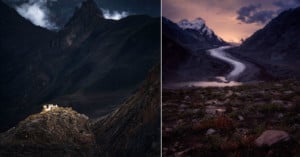
Tucked deep inside the Himalayas resides the transcendent and picturesque Zanskar Valley. Photographer Venki Ramachandran captured portions of this epic landscape on a recent journey where witnessed firsthand its enticing vistas.
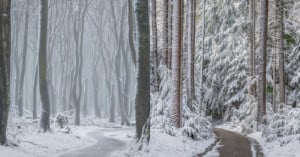
In Dutch we always say “April does whatever it wants” and last Friday couldn’t be a better fit for this saying. A nice amount of snow covered the country, especially the forests of the Veluwe.
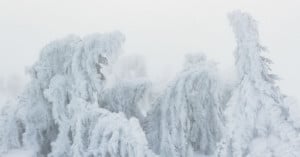
Jan Erik Waider, a fine art photographer from Hamburg, has captured monster-like formations created by snow and ice blanketing the evergreen vegetation in the upper reaches of the Harz Mountains in northern Germany.
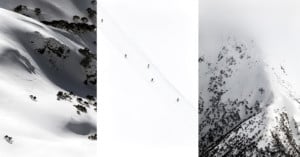
A Melbourne-based landscape photographer has revealed Australia's unique and often-unseen side by capturing aerial shots of the brief winter season that brings snow and ski enthusiasts together in a country rarely associated with winter scenes.
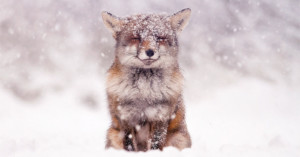
Photographer Roeselien Raimond is particularly fond of foxes, and during a winter day when the weather was uncharacteristically rough, she came across and photographed a fox adorably covered in snow.
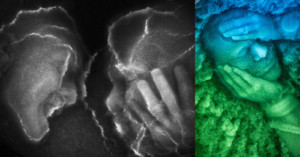
My Snow Portrait series consists of photos taken using a technique I "invented" 8 years ago that utilizes the "hollow mask" 3D optical illusion. All the shots in this article are imprints of my face in fairly deep snow lit from underneath, almost like a lithophane. No Photoshop. No filters.
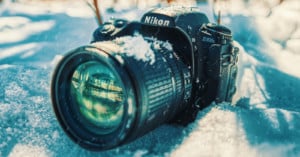
Winter photography can be difficult and even dangerous if you don’t take the proper precautions to protect yourself and your gear. In this post I’ll show you how to take better snow photos and have a more enjoyable time in the cold while doing it.
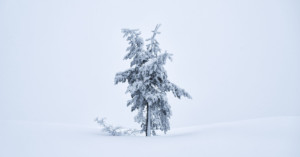
As someone who’s born and raised amongst the tree-covered hills in the east of Norway, it’s no secret that I’ve grown to miss these scenes after moving to the mountainous landscapes north of the Arctic Circle.
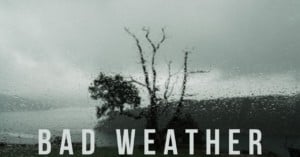
Spanish-American Photographer and YouTuber Aows has published this 9.5-minute video that discusses a topic most photographers avoid: taking photos in bad weather conditions. Aows explains how he does it and why he thinks it's worth it.
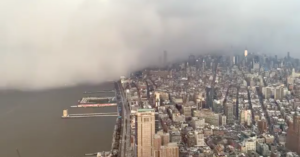
Earlier today, a "snow squall" quickly engulfed the island of Manhattan in dramatic fashion. Fortunately, there are plenty of cameras set up around NYC, ready to capture something like this when it comes along.

Last week was extremely cold in my country, the Netherlands. February 28th was the coldest 28th of February in history, breaking the record set in 1904. It’s crazy to experience this kind of weather here while some of my friends in Norway and Iceland are having warmer weather.
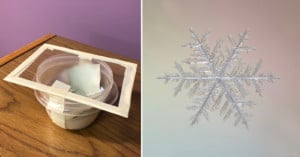
This is my account of how I’ve fallen in love with snowflake photography… I’ve spent the better part of my life photographing nature’s smallest details. My early years of shooting botanicals eventually evolved into my current obsession with macro insect and spider photography. I’ve spent that same time running from the cold.
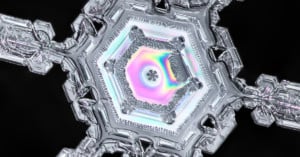
Having photographed snowflakes for nearly a decade as a large component to my career as a photographer, I’ve had the joy of encountering mysteries in the snow and the enthusiasm to sort out the physics behind it. No mystery captivated me more than the first time I saw a ring of color in the center of a snowflake.
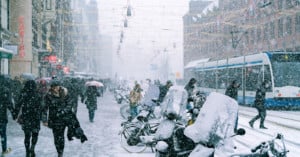
I can't remember seeing so much snow in our Dutch capital city of Amsterdam before. Yesterday afternoon, snow started falling out of the sky for hours and hours without stopping. Since I was already in Amsterdam, I took the opportunity of trying to document the atmosphere. The scene lasted for only a few hours before it started to rain in the evening.
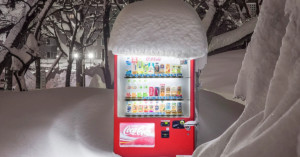
Photographer Eiji Ohashi has captured a unique collection of images that feature Japanese vending machines at night, covered in snow. The eerily beautiful photos are part of a project titled Time to Shine.
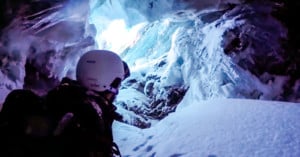
“Yeah, I’m in a crevasse”, Jamie Mullner radios to his friends after tumbling 60 feet to the depths of a glacier in the Swiss Alps. “I had the GoPro recording; how epic is that!?”
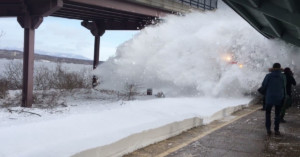
Here's a slow-motion video that's going viral: Nick Colvin captured an Amtrak train arriving at a station where the tracks were covered with a thick layer of snow. What results is a beautiful (and scary) white explosion.
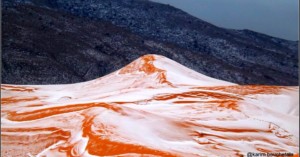
The Sahara is a dry and hot desert that's roughly the size of the United States, making it the largest hot desert in the world. On December 19th, snow fell near the Algerian town of Ain Sefra -- it was the first snow fall in that area in 37 years.
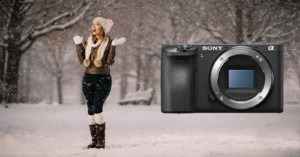
Tag along with photographer Manuel 'Manny' Ortiz on a recent trip to a snowy park with his favorite portrait subject (his wife), favorite portrait lens (the Sony 85mm f/1.4 GM), two speedlights, and the new a6500 mirrorless camera to see what this pint-sized shooter (the camera, not Ortiz) can do!
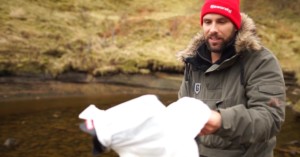
Forget buying a professional rain cover or carting a shower cap with you, if you want to protect your camera from rain and snow on the cheap, this creative quick-and-easy DIY solution will cost you less than $1.
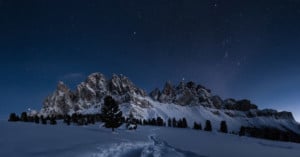
My name is Chris König, a 23-years-old self-taught photographer based in The Netherlands. This story is about my one week adventure in the Italian Dolomites, in which I tried to challenge myself, not only on a photography level, but on a personal level as well.
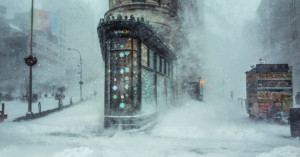
As a blizzard ripped into New York City this past weekend, street photographer …
A major winter storm has been ripping through the East Coast of the United States, and many meteorologists warned of a "potentially historic blizzard" that can paralyze 1/3rd of the country.
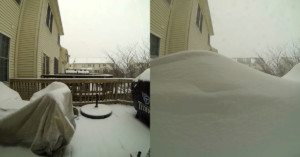
A guy named Ryan captured this eye-opening GoPro time-lapse video that shows just how much snow was dumped on Purcellville, Virginia, during an intense period of snowfall between dusk and dawn.
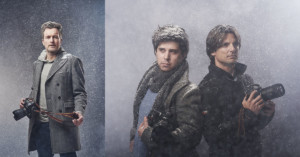
I recently shot a series of snowy portraits... inside my studio. This shoot was originally just intended to be for my own Christmas card, The idea was to do something fun, dreamy, and Christmas-related (with a Santa hat and fun poses) that I could send to friends, family and clients. As the year was coming to an end, a fun photo shoot was very welcomed. And, ironically, we didn't have snow at this point in Brussels, which is very unusual.
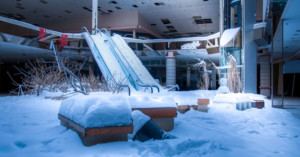
Last year, photographer Seph Lawless published a project called "Black Friday" showing abandoned malls across the US -- widely-published photos that documented the victims of the recession and the online shopping revolution.
Lawless recently revisited one of the malls and found that it had become filled with snow. The broken roofs and skylights had turned the indoor mall into a winter wonderland.