President Biden Signs Bill Forcing TikTok to Sell or Face Ban
Wednesday morning, President Joe Biden signed into law a bill forcing TikTok to divest from its parent company or face a ban.
Wednesday morning, President Joe Biden signed into law a bill forcing TikTok to divest from its parent company or face a ban.

World-class chipmaker NVIDIA became the first company in its industry to reach a market cap above $2 trillion. This remarkable high water mark capped off an incredible week for NVIDIA, which posted record revenue last week.
Vice President Kamala Harris and top government officials will meet with chief executives from Google, Microsoft, OpenAI, and Anthropic at the White House later this week to discuss artificial intelligence (AI) technology.
It's not a situation many would likely have seen coming, but the White House has briefed a group of 30 TikTok influencers on the United State's approach to Russia's War on Ukraine.
Apple has quietly removed all references to its highly controversial plan to scan iPhone photo libraries for child sexual abuse material (CSAM). The company previously postponed its plans in response to backlash but may abandon them entirely now.
Facebook, now Meta thanks to a recent restructure, is facing a lawsuit by the now-defunct photo app Phhhoto, which claims Mark Zuckerberg and his team downloaded the app and pushed it out of business by copying its main feature.
Apple's controversial plan to scan iPhone photo libraries in order to protect children -- a technology that was widely criticized by tech and privacy experts -- has been delayed for at least a few months.
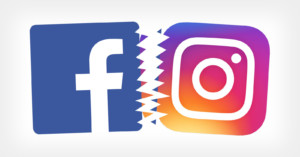
The US Federal Trade Commission has renewed its antitrust legal case against Facebook, arguing that the social media giant is an illegal monopoly and that it should be forced to sell Instagram and WhatsApp.
Is Apple actually snooping on your photos? Jefferson Graham wrote an article last week warning this based on the company's child safety announcement. An attention-grabbing headline? Certainly. Accurate? It’s complicated.
Just one day after Apple confirmed that it plans to roll out new software that will detect child abuse imagery on iPhones, WhatsApp's head took to Twitter to call out the move as a "surveillance system" that could be abused.
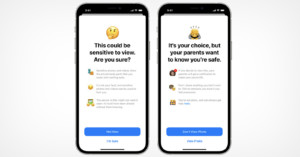
The photos on your iPhone will no longer be private to just you in the fall. The photos are still yours, but Apple’s artificial intelligence is going to be looking through them constantly.
Following a report earlier today, Apple has published a full post that details how it plans to introduce child safety features across three areas: in new tools available to parents, through scanning iPhone and iCloud photos, and in updates to Siri and Search.
Apple is reportedly planning to scan photos that are stored both on iPhones and in its iCloud service for child abuse imagery, which could help law enforcement but also may result in increased government demands for access to user data.

A US intelligence agency is being mocked on social media for obviously "Photoshopping" the cover photo of its latest annual demographic report, which presents "efforts addressing diversity and inclusion."
The United States government just announced that the video-sharing social app TikTok and the social app WeChat will be banned in the US starting on Sunday "to protect the national security of the United States."
In years past, major agencies that managed federal land weren't consistent in charging fees for commercial photography and filming on those lands. In 2000, a new law directed the government to develop a consistent fee structure for all federal lands, and the government is still working to iron out what those fees will be.
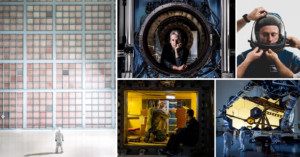
NASA photographers don't get a lot of love. Since they work for a government agency, their images are released into the public domain and are often only credited as "Photo by NASA." The agency's internal Photographer of the Year contest aims to provide some well-deserved recognition.
In the US, small businesses have been struggling to access the COVID relief funds set aside for them in the original coronavirus stimulus package. And while additional funding is on the way, one Alabama photographer says that "hope is dwindling" she'll receive anything at all.
Stock photo giant Shutterstock has found itself in some ethical hot water. In a recording obtained by the media, an executive is heard dismissing employees' concerns about the censorship of search results in China, telling them that they are free "to pursue other opportunities" if they're unhappy with the company's decision.
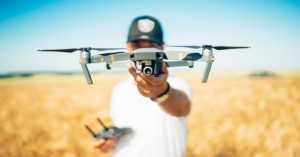
Drone photographers have one more weekend to submit their comments to the FAA regarding the agency's highly controversial Remote ID proposal. If you're still not sure what it is, or how to help change it before it's too late, this guide from Pilot Institute will explain everything you need to know.
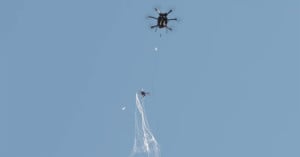
The US Department of Defense is reportedly spending millions on a special "Drone Hunter" system that uses an AI-enabled interceptor drone to catch other, illegal drones by chasing them down and shooting them with a large net... Spider-Man style.
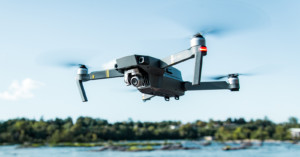
Yesterday, the U.S. Secretary of the Interior officially signed an order temporarily grounding all Chinese-made drones in the government's fleet, solidifying a 'pause' that was first announced in October and drawing a heated response from market leader DJI.
Adobe has been granted a license by the US government to keep serving creatives in Venezuela, allowing the company to overturn a very controversial decision from earlier this month.
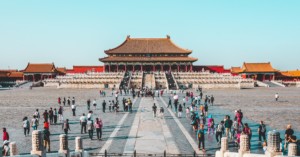
Scientists at the Fudan University and Changchun Institute of Optics, Fine Mechanics and Physics in China have developed a 500MP cloud-connected 'super camera' that can reportedly pick out facial details of an individual person among thousands in a crowded stadium. The new tech is raising serious concerns about privacy and government monitoring.
The US State Department is now requiring that virtually everyone applying for US visas submit their social media usernames, including those for the photo-sharing services Instagram and Flickr.
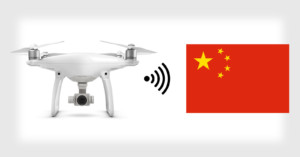
The US government is warning that Chinese-made consumer drones could pose a data theft threat, sending data back to company headquarters in China that could then be accessed by the Chinese government.
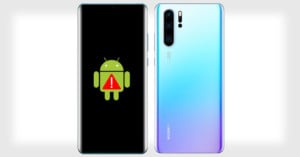
If you've been eyeing Huawei's latest P30 Pro smartphone and its ISO 409600 low-light capabilities, you should know that there's major trouble brewing for the brand due to a the US government blacklisting it. Google has reportedly suspended its business with Huawei, including dropping Android support.

Back in 2017, the CASE Act ("Copyright Alternative in Small-Claims Enforcement Act of 2017") was introduced to establish a copyright small claims system for pursuing infringements on a smaller scale in the US. That bill expired without being passed, new and revised CASE Act bills were just introduced in both the House and Senate this week to revive the effort.
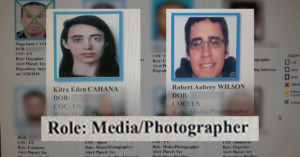
The US government has a secret database through which it's tracking people tied to the migrant caravan, according to newly leaked documents, and found on the list are a number of photojournalists.
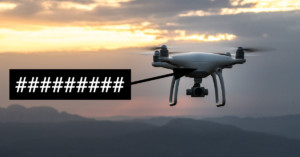
The US government is ordering that all drone owners in the US add external markings to their drones, displaying registration numbers to make it easier to trace the drone back to its owner.
DJI now has the US government's permission to authorize drone flights in controlled airspace near airports.
During the Cold War, the US enlisted the help of Kodak to create a satellite camera for spying on the Soviet Union. This 4-minute video by CNN is a look at the program and the former Kodak employees who "helped prevent World War III."
This post is about a photo print purchase that sounded like just like a scam, and I blame "Nigerian Prince" 419 scammers for almost having missed a real sale. But my photos now hang in a US embassy.
The U.S. Department of Homeland Security (DHS) is asking Congress to pass a law that would allow DHS to surveil, research, and destroy drones that are flying in US airspace.
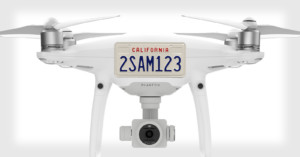
Heads up if you're a drone-flying photographer in the United States: the government may soon require a physical license plate on the outside of your drone.
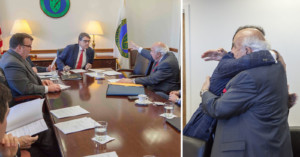
A former US Department of Energy photographer is accusing the US government of firing him for leaking photos of a private meeting between energy secretary Rick Perry and a big coal CEO.
Miss out on that $100,000 a year job working for the government in the same role Ansel Adams had? Another lucrative US government photography job opening has opened up: the Department of Homeland Security is now looking for a photographer for its Secretary.
DJI camera drones are likely spying on the United States for China. At least, that's what a newly uncovered US government memo claims. DJI has responded by calling the allegations "insane."
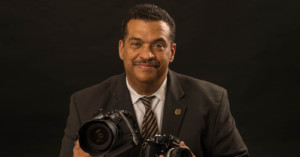
Here's a short video released by the U.S. Department of Health and Human Services last month on the work of photographer Chris Smith, who has served as the Secretary's photographer in the department for 27 years now.
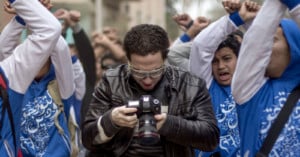
When I returned to Egypt in August 2014 after studying civic engagement in the US, I found a country of failed revolution and lost aspirations; a country polarized and torn apart following three years of protests and clashes.