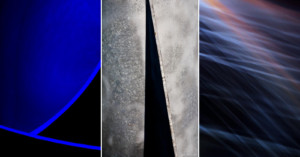
The Library of Congress has an extensive collection of daguerreotype photographs captured over the past two centuries. In addition to browsing the technically perfect ones that document history and people, it’s also interesting to look at metal plates that are flawed.
Read more…

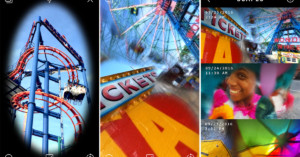
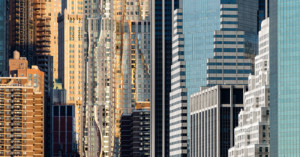
One method for capturing “multiple exposure” photographs is to shoot a long exposure photograph of a scene with your camera pointed in different directions while the shutter is open. Photographer Nicolas Ruel uses this concept in an ambitious project that has taken him around the world. Titled 8 Seconds, the series features famous cities around the world (e.g. New York City, Tokyo, Beijing, Barcelona) captured in surreal multi-exposure photographs.
Read more…

When photographer Mark Meyer wakes up every morning in Alaska, the first thing he notices is the view through his room’s windows. Over time, he began to notice that this view took on a wide range of appearances across different times and seasons (mostly cold weather). He then started capturing a casual series of photographs that show the abstract, minimalist views that appear due to the rain, snow, and fog. The project is called An Alaska Window.
Read more…

For his project titled “Game Over,” Brooklyn-based photographer Henry Hargreaves took a number of popular and instantly-recognizable children’s games (and toys) and painted over all the colorful designs and branding with single pastel colors. He then photographed the games on backgrounds of the same color.
Read more…

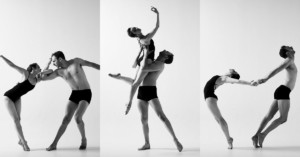
Japanese photographer Shinichi Maruyama has an interesting series of photos simply titled, “Nude.” Each image shows an abstract flesh-colored shape that’s created by a nude subject dancing in front of the camera.
Read more…

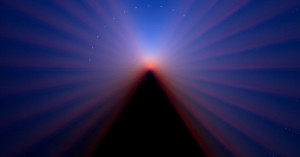
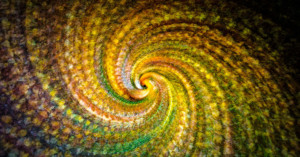
Based in San Francisco, Kim Pimmel is a photographer, a user interface designer, a DJ, and a “maker.” Take a look at his experimental light painting photographs, and you’ll see each of these interests shining through. Pimmel has spent years experimenting with long exposure photographs that show different light sources as brushes. His beautiful images are created using custom rigs and common objects — things like turntables, ping pong balls, fiber optic cables, pendulums, iPhone screens, and more.
Read more…

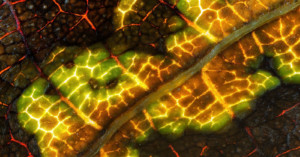
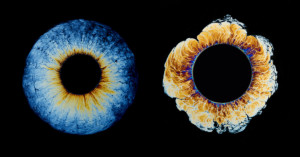
Most photographers and artists will never have the opportunity to make the kind of images that Andy Ellison does. As an MRI technologist at Boston University Medical School, Ellison has access to extremely expensive imaging machines. More specifically, he runs a research-only Philips 3 Tesla MRI machine. When he’s not using it for official purposes, he experiments with it by placing various fruits, vegetables, and flowers inside. The resulting still images and animations are beautiful and abstract, and form a project that he calls “Inside Insides.” The images above show a pineapple and an artichoke.
Read more…

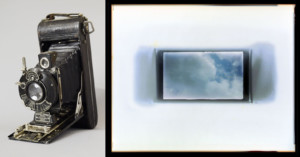
Using expired film is pretty common among analog photographers, but have you heard of anyone using expired photo paper… from over a century ago? That’s what artist Alison Rossiter does. For her project “Lost and Found”, she collected hundreds of sheets of expired photo paper from decades past — some more than 100 years older than the expiration date found on their packages — and then developed them to uncover abstract images.
Read more…

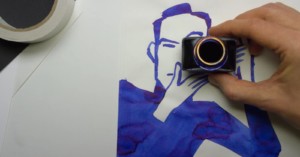
Screen Series is a project by New York City-based photographer Matthew Tischler, featuring portraits of people shot through window screens, netting, and scrims, with the window screens being in sharp focus rather than the subjects.
Read more…

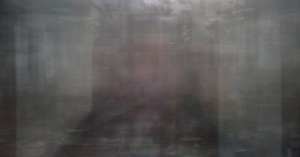
Photography enthusiast Sterling Parker created this abstract image by averaging all the photographs he shot in 2007. He tells us,
I have my photos arranged by month, and starting in January 2007, I imported all those photos into GIMP (the freeware image editor) as layers, adjusted the whole canvas to be as big as the largest dimension, then used a custom script to “average” all the layers so each one is an equal relative percentage of the whole. The white background is empty space around photos obviously, and you can see that I took more pictures in landscape than portrait.
After doing that for each month, I averaged all the months together (about 8 months total because I didn’t take pictures some months of that year) and then averaged all the months together. Overall, I’d say this is an average of about 350 photos.
It’s interesting how the image reveals both his preferences for portrait/landscape orientation and also his different camera resolutions.
Image credit: Photograph by Sterling Parker and used with permission