Inspiration

Perfect Imperfections: Using a Flawed Camera Lens for Creative Photos

If you were to ask a photographer whether it’s better to invest in a camera or a lens, most would answer lens. After all, no amount of megapixels or camera features can save blurry or ill-rendered images. The lens is the eye of the camera, which is why photographers spend thousands of dollars on them. However, this doesn’t mean that you need an expensive lens to make compelling images.

Light Formulation: Statement of an Artist

I always resisted writing artist statements and bios. In school, that part of every assignment or exhibition was the most agonizing. It felt overly simplistic to just describe what the viewer was about to encounter, or why objects or abstract shapes, making my specific image or groups of images, were presented in this way or another.

Street Photography Compositions with the Ricoh GR III

At first glance, all we see is a dinky point-n-shoot camera; not much to it. It slips inside my front pocket, I mean, how powerful can it be? Well, photographers shouldn’t be fooled by its size and minimalism; like many of our subjects in the street. The Ricoh GR III is called a “wolf in sheep’s clothing” for a reason.

Slow-Shutter High-Speed Action Photography

With so many ways to be creative in photography, I get really excited with many ideas for a photograph. One area I find very interesting is sports action photography, but with a twist. It's great to capture that split-second moment and have that frame frozen, but I wanted to explore capturing the motion and freezing the action all in one go.

Wide Angle Lens Fundamentals: The Good and The Bad

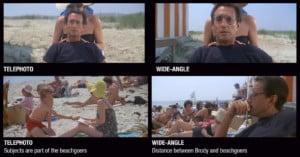
Wide angle lenses aren’t as easy to use as a lot of photographers think. They shrink the background and give the foreground strange proportions. They include all sorts of distractions from the scene in front of you, plus a lot of negative space. And yet… used right, wide angle lenses are incredible tools. This 7.5-minute video and article explain the ins and outs of using your wide angle for maximum effect.

Capturing Rare Yosemite Moonbows in Real-Time Video

As an astrophotographer, I had this dream of seeing the moonbow (AKA the lunar rainbow) one day in Yosemite, my favorite National Park in California. Every year, either water flow or cloud conditions prevented me from catching it. But this year, my dream came true.

My Journey in Photographing the Northern Lights

In December 2014, I decided that I wanted to practice shooting the night sky in order to expand my photography skills. Of course, I made every possible mistake. My compositions were completely off, I severely underexposed or blew out the sky and the images were not sharp.

7 More Composition Tips to Improve Your Landscape Photos

Composition is so important in creating an image and it's a cornerstone of the four key elements that make up a photo: subject, light, timing, and composition. However, one of the hardest things to learn in landscape photography is seeing that image and putting the elements together in the most pleasing arrangement.

Lens Filters and Landscape Photos

In this article, I'll discuss how I use lens filters in my landscape photography. Chiefly I use filters when I want to smooth the water in a waterfall, shoot long exposures, or balance the light in a scene.

How to Create In-Camera Effects with a Bride’s Wedding Veil

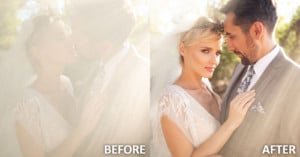
In this video and article, we’ll show you how you can use a bridal veil to create interesting flares and light leaks in-camera. It can be hard to get the right amount of flare in an image, especially when the sun is overpowering the frame. Here is a simple trick we like to use to block just enough sun to get the perfect shot.

Shooting the Milky Way in Missouri

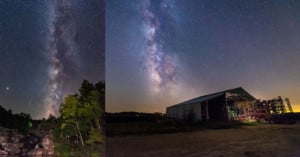
Living in St. Louis almost my entire life, I was lead to believe the lights of the bustling city were too bright to make seeing stars anywhere nearby impossible. As I grew older and started getting serious about photography, I realized that was correct... kinda.

Using Slow Shutter Speeds for Street Photography

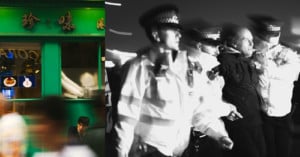
As with any genre of photography, there is no "one size fits all" solution for exposure in any given situation. There are as many different means of achieving a "look" as there are photographers practicing those methods, and any can be adapted to fit into the kind of photography you want to be doing.

On the Value of a 365-Day Photography Project

Easter Sunday in Saint Louis was the ideal day for a 365 project. The sky was dialed to maximum blue, and the cirrus and cumulus clouds danced together in celestial harmony, floating lazily above our park’s decked out crabapple, cherry, redbud, dogwood, and other flowering trees.

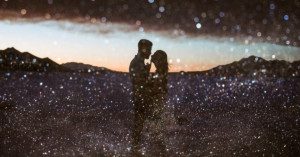
These Photos Show Why We Need to Preserve the Night Sky

Due to the rapid growth in population, an increasing percentage of the human population lives in cities and suburbs where the night sky is completely obscured by the artificial lights. Skylines littered with lit skyscrapers reach sky high. An endless river of traffic flashing high beams. And the cities are ever-expanding. It is conceivable that most people have lived without having seen the true natural night sky.

An Ode to 35mm Film

I took some of the best photos of my life on 35mm film. It will always have a special place in my heart, even though I haven't shot on film in years.

Six Years of McWay Falls

McWay Falls has been a tourist destination for longer than many of us even heard of the place, but it wasn't until 2012 that photographer Steven Christenson really "discovered" the potential of the site at night. Nestled in the rugged and gorgeous part of the California coast better known as Big Sur, McWay Falls enjoys extremely dark skies.

How to Bring Something New to Film Photography

A very common piece of advice for photographers looking to take their work to the “next level” is that they must invest time in themselves in the process of developing a “style.” A photographic style can mean many things; a theme within the subject matter, a specific color palette, a certain compositional approach, and anything else that leaves the artist's work with a distinct "fingerprint."

Getting Creative With One Light

So you have just picked up your first light or you have had one light for a while now, and you are wondering what more you can create with just that one light. Well, you can create loads.

I’m a Wrong-Way Photographer

My name is Brian Carey, and I'm a photographer in St John's Newfoundland Canada. I'm like a lot of photographers in that I like to complement my professional work with something personal, something I can connect with.

Creating Your Own Assignments in Street Photography

Street photography is one of the best ways to exercise and train your eye for application to photojournalism projects. I've written before about the way I apply the techniques and style from my street photography to my set stills and BTS as well as my long term fashion BTS project and I think that practicing some form of street photography every single day is an incredible way to keep your eye active and your mind constantly searching for new possibilities.

3 Essential Tips for Landscape Photography

Before a presentation we did during a bad-weather day on a photography workshop I co-guided in Northern Norway, I was asked to give my best advice for landscape photographers. I wanted to talk about some slightly different topics rather than repeating standard tips such as "straighten the horizon," "use f/11," and "photograph during golden hour."

How Shooting from Eye Level (or Not) Makes a Difference

A very slight and easy change one could implement to an otherwise straightforward approach in street photography (as well as other genres) is to play with shooting from angles other than eye-level. It may an unconscious choice by some people that their perspective doesn't shift much from their own, so I think it's important to discuss how even a minor alteration in angle can improve, or at least change, the image.

7 Truths of Modern Photography

The state of photography is chaotic and rapidly changing. The definition of photographer is evolving, the barrier of entry is at its lowest yet, and imposter syndrome is taking hold. Let’s review the mental gear needed to shoot in this new landscape.

Focusing the Lens on a Clean Drinking Water Project in Kenya

In 2018, the NYC camera superstore Adorama sponsored 8 water tanks in collaboration with the non-profit Ubuntu Life to bring easier access to clean water to the Maasai tribe of Kenya. Photographer, Sony ambassador, and travel guide Erin Sullivan visited the country to capture the human stories of the effort and to discuss ethical travel photography.

Why Do I Hate My Portrait Photography?

Portraiture has never been a genre that resonated with me as a creator, which is odd because there are many examples of portraiture that I enjoy, and I’d absolutely love to be able to create meaningful portraits of people in the same way that I feel I’m able to create meaningful images in other genres.

Why Lens Focal Length Matters

Thinking about which lens to buy next? You might want to take a look at this 9-minute video first. In it, photographer Jamie Windsor argues that choosing the right focal length is more than a technical decision based on what type of photography you want to do -- your choice affects the dynamic and meaning of your photos.

The Art of Seeing as a Photographer

When I look back at my journey as a wildlife photographer especially as I scroll through my images on my editing screen a few things become apparent. Firstly, most of my pictures were either action or close up portrait, and secondly, the editing was awful.

Behind the Scenes of a Travel Assignment for the New York Times

What is it like to shoot a travel assignment for a major publication? What’s the process from start to finish? Every publication is a little different but I’ll speak from my experience shooting dozens of assignments for The New York Times travel section throughout Southeast Asia for over a decade.