In Photos: NASA Tests its Next Mars and Moon Rover in a California Desert
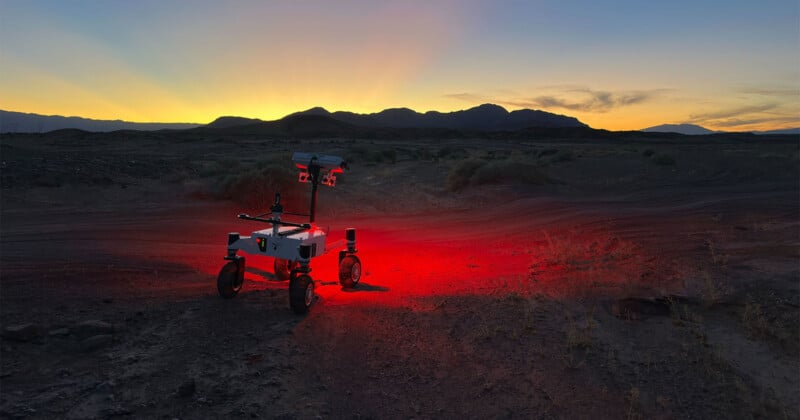
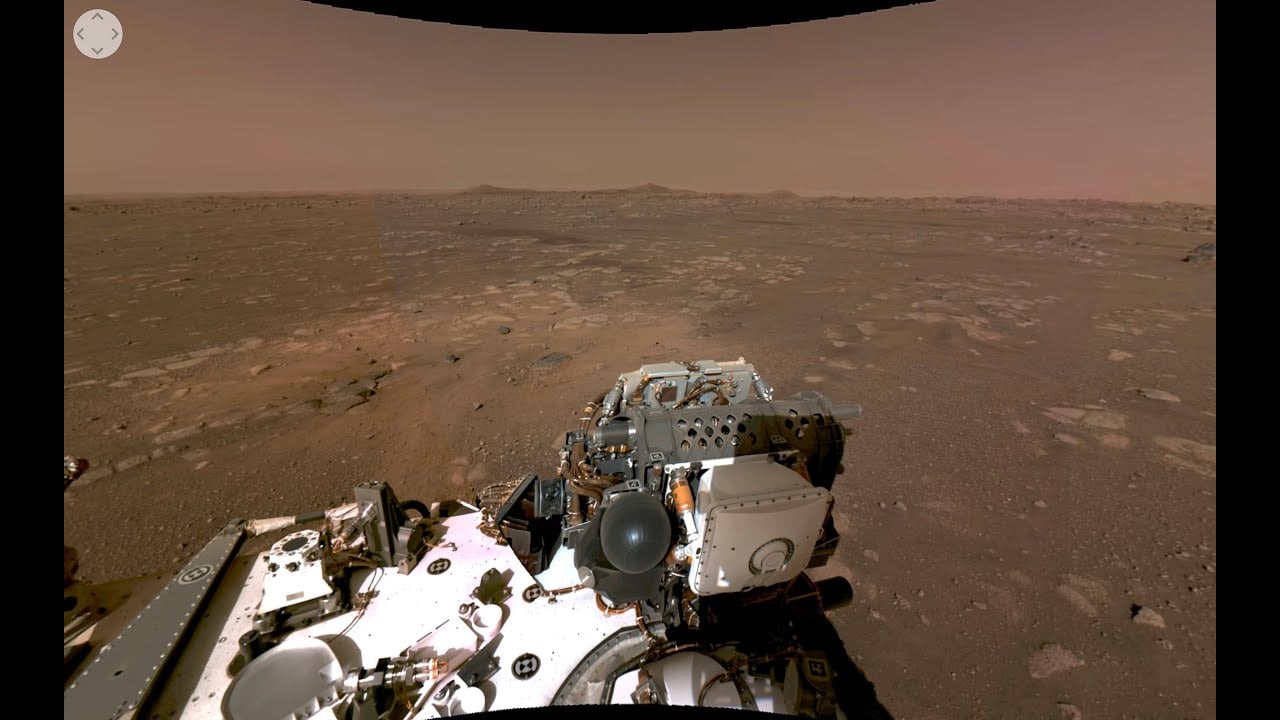
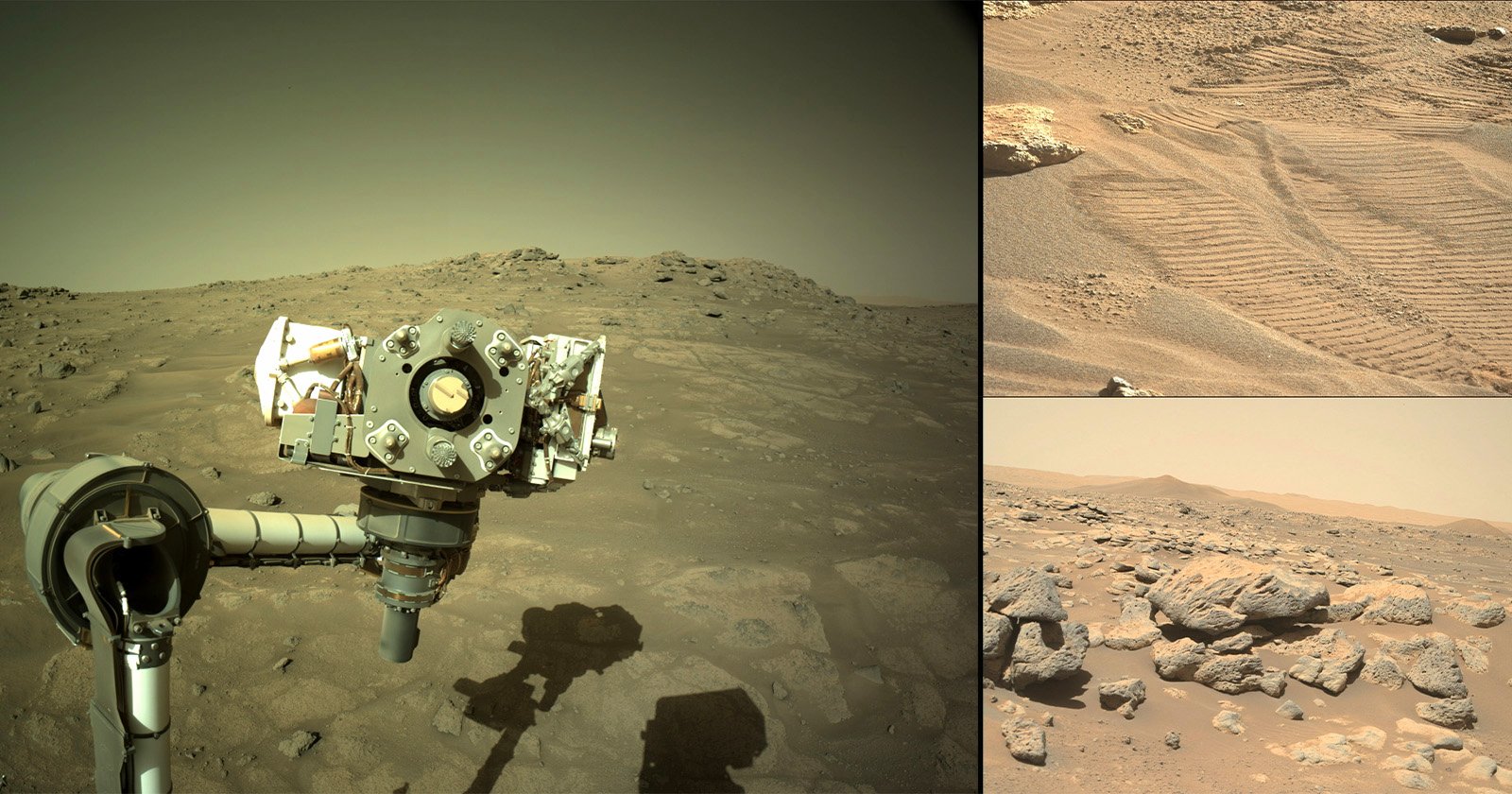
While NASA’s Perseverance and Curiosity rovers continue to do incredible work on Mars, NASA is in advanced testing of its next rover, ERNEST.
As Space.com reports, NASA’s Jet Propulsion Laboratory (JPL) recently tested its next-generation rover in the Californian desert, putting the rover through the paces in a wide variety of conditions. The photos of the tests are fantastic, providing what may ultimately be the highest-quality look ever of the future space-bound rover.
And unlike Perseverance and Curiosity, ERNEST is not only being prepared and tested for exploration on Mars. ERNEST could also be headed to the Moon.
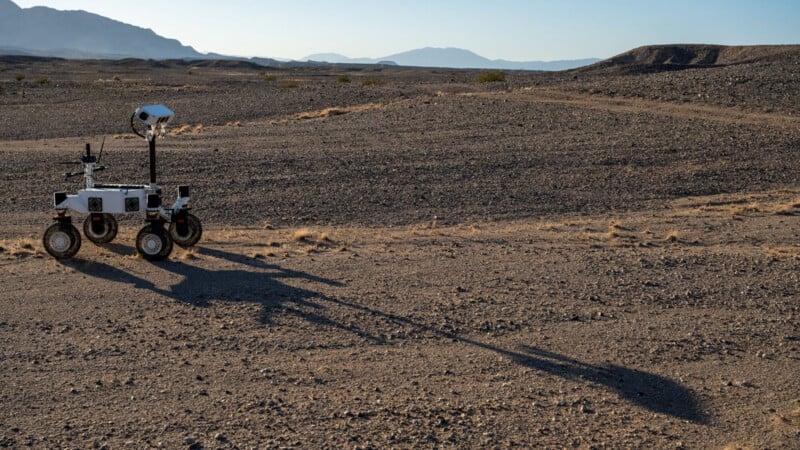
ERNEST, which stands for Exploration Rover for Navigating Extreme Sloped Terrain, is currently in the prototype stage and has some very impressive autonomous capabilities in development. ERNEST was recently set loose in the Colorado Desert in Southern California, and “trundled about 16 miles,” or 26 kilometers, through the desert with “minimal intervention” from NASA JPL engineers.
It took ERNEST 37 hours to achieve this feat. While that sounds like a long time, NASA notes that the new rover is “orders of magnitude” faster than its current Mars rovers.
ERNEST is four feet (1.2 meters) long and can lift each of its wheels independently to traverse challenging obstacles that would “stymie Curiosity and Perseverance,” NASA’s six-wheeled rovers currently performing key science on the Red Planet. ERNEST instead has just four wheels, which, in this case, is a power rather than a limitation.
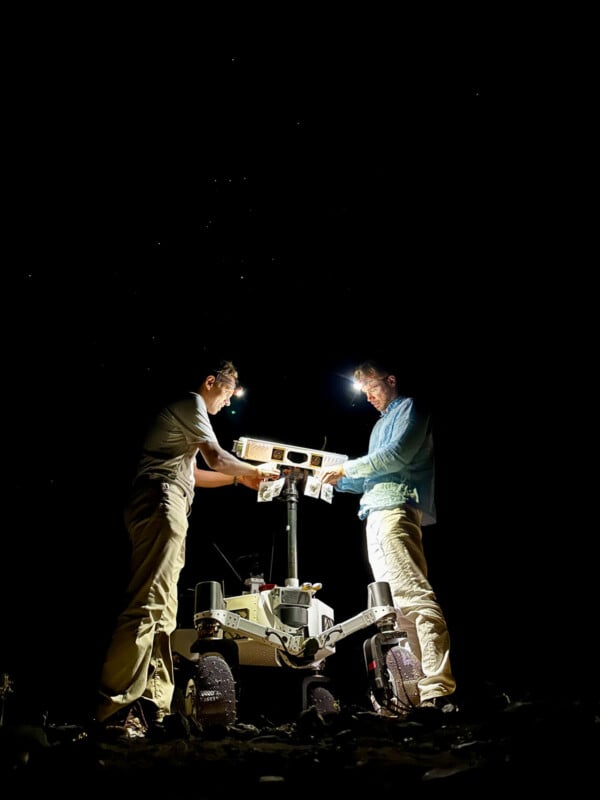
“This testing is helping us refine the mobility hardware and autonomy software to navigate extreme distances across a wide range of terrain and lighting conditions anticipated on the Moon,” says Issa Nesnas, a principal technologist at JPL. Nesnas led the recent field testing of ERNEST and is the head of autonomy for NASA’s mission concept for a next-gen, long-range lunar rover.
“You could do a science road trip across the Moon — or Mars — with this vehicle,” adds James Keane, a JPL planetary scientist working on lunar missions.
ERNEST has been in the works since 2022, and the team has gone through many different designs for every aspect of the rover, including extensive virtual testing and prototyping. The move to a real-world field test is a massive step for the team. While ERNEST may still be years away from going to space, the early signs are extremely promising. Who knows, perhaps the next great discovery on the Moon or on Mars will be thanks to ERNEST.
Image creditsNASA/JPL-Caltech
Affiliate Disclosure PetaPixel articles may include affiliate links; we may earn a commission if you buy through one.