
Fisherman’s Mysterious Photographs Capture Essence of Selkie Folklore
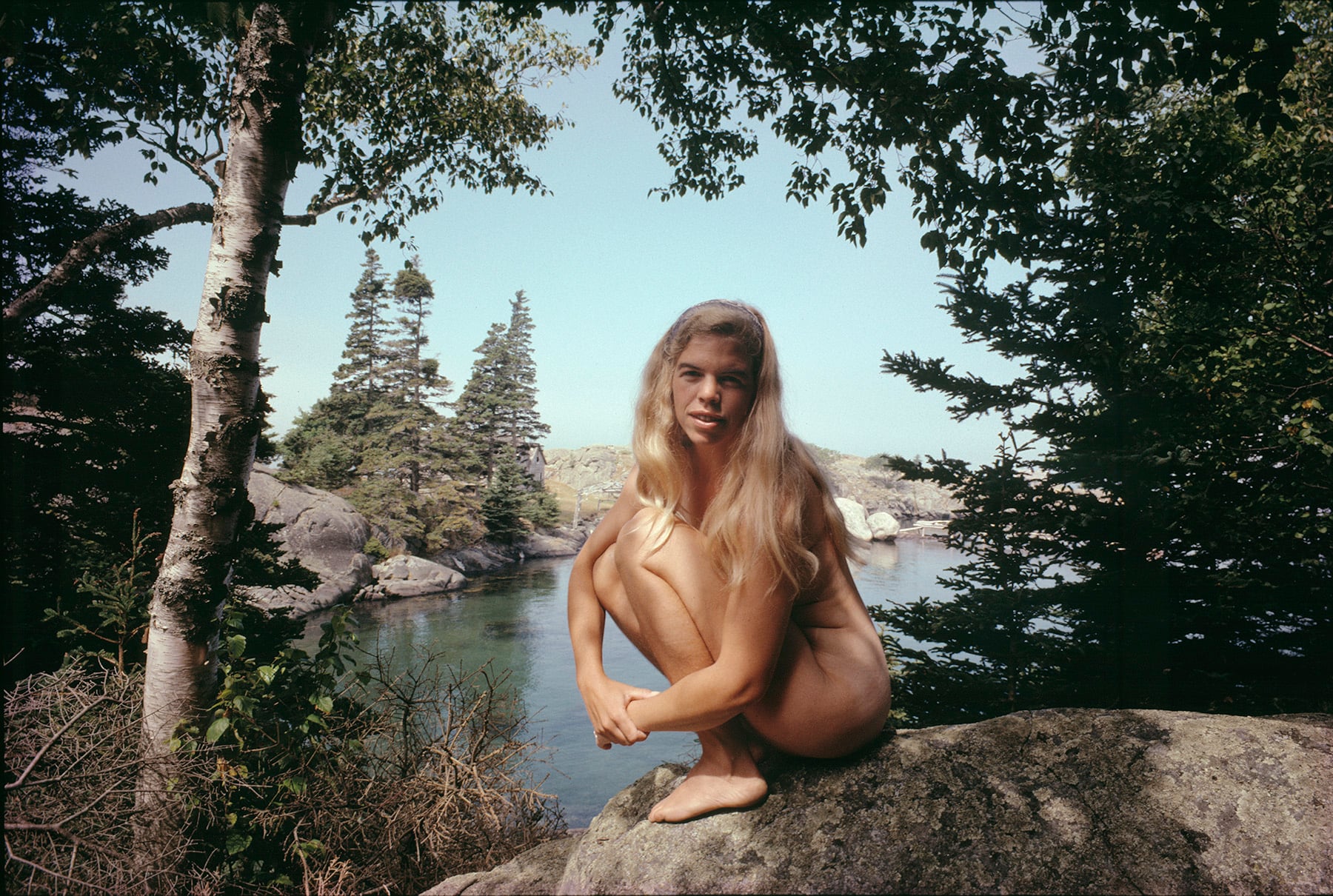
Jeff Dworsky dropped out of school at 14, bought a Leica at 15, and moved to a small island in Maine at 16 to become a fisherman.
“Dworsky embodies my ideal of an artist: someone obsessed with living their life and making pictures as the byproduct,” writes photographer Jesse Lenz.
Ten years ago, Lenz had a chance encounter with Dworsky inside a small coffee shop on a remote Maine island in Penobscot Bay.
“He turned, saw my Leica and said, ‘I used to shoot with a Leica’, and that was the beginning of our friendship,” Lenz explains.
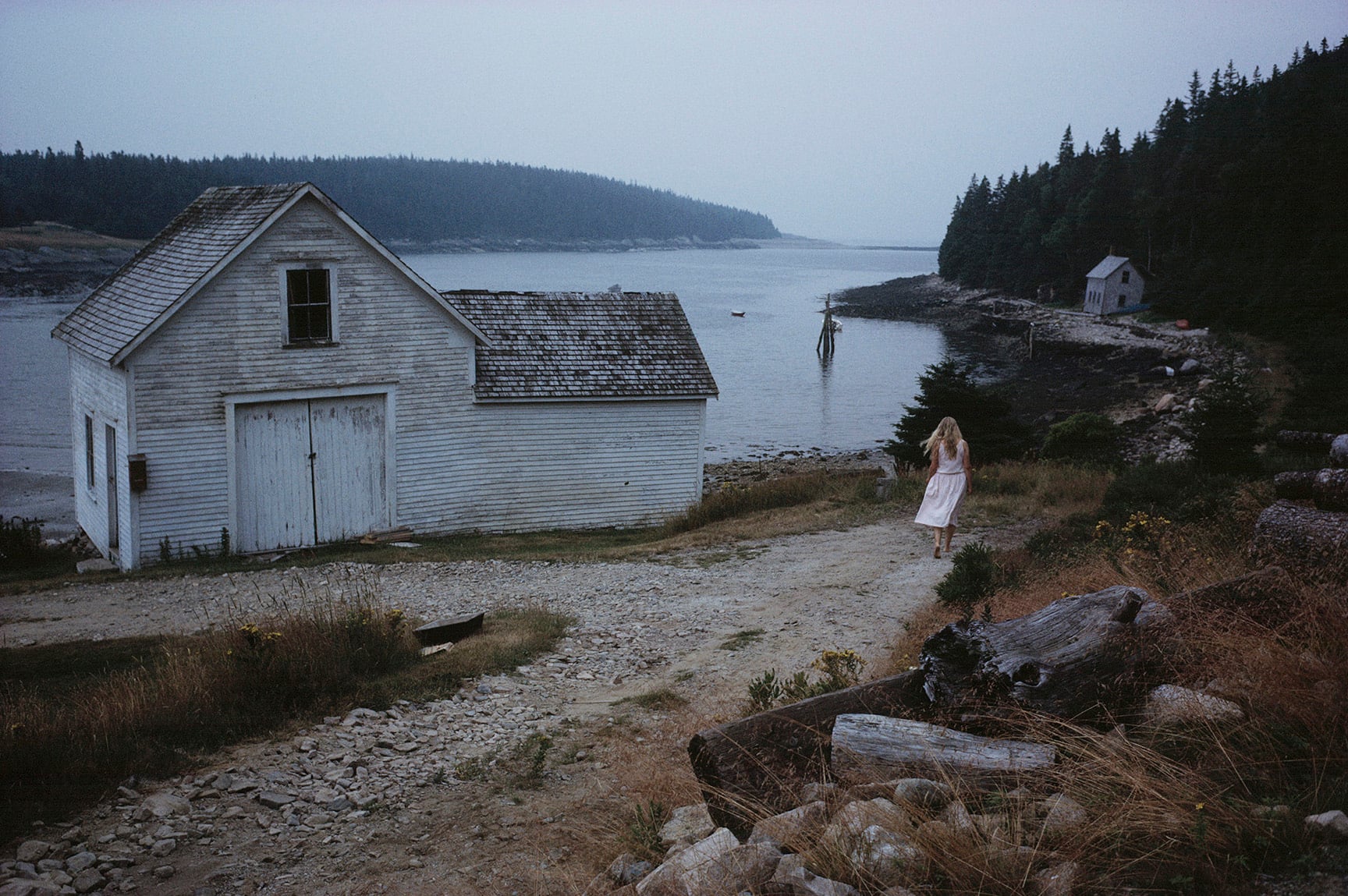
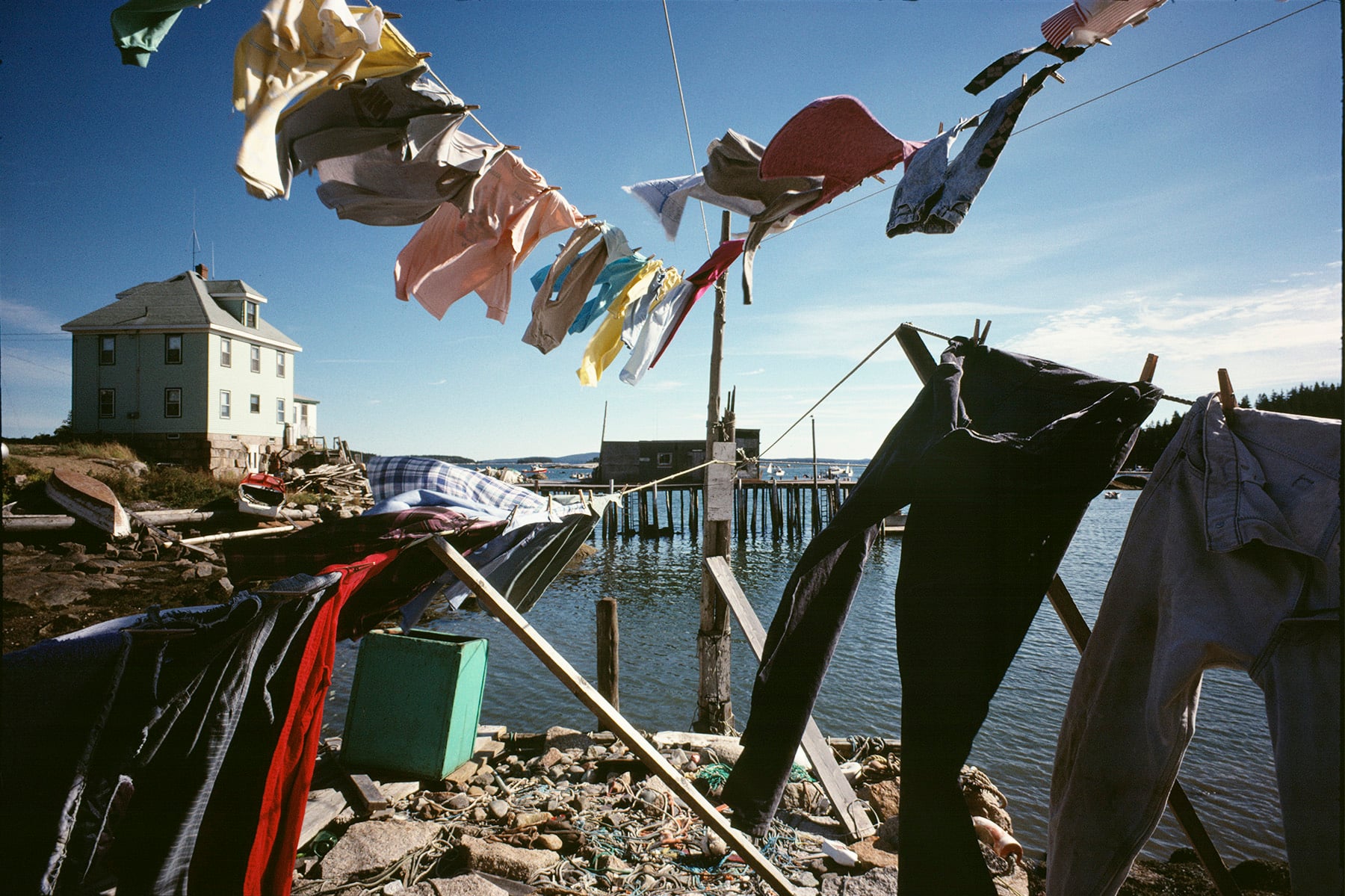
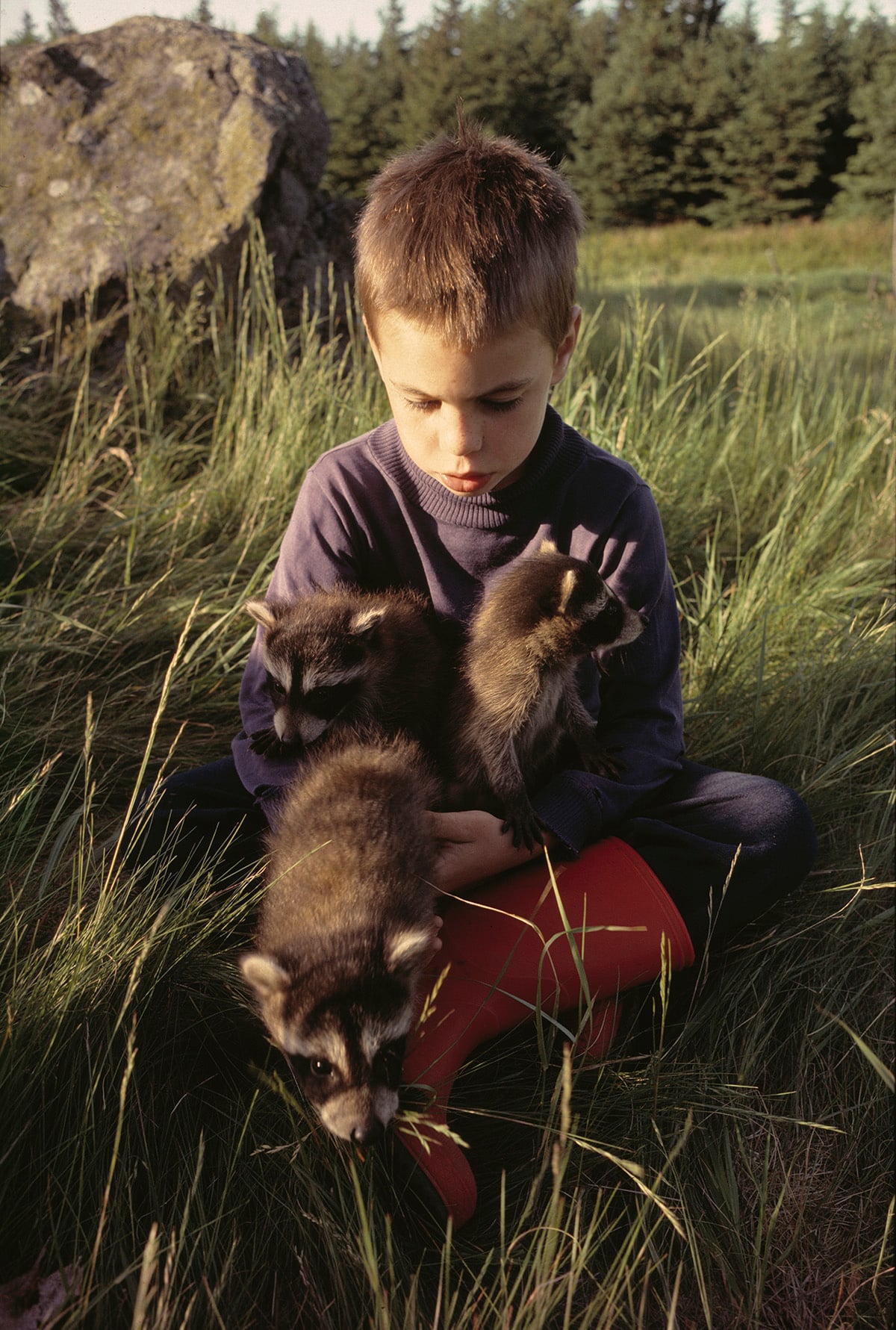
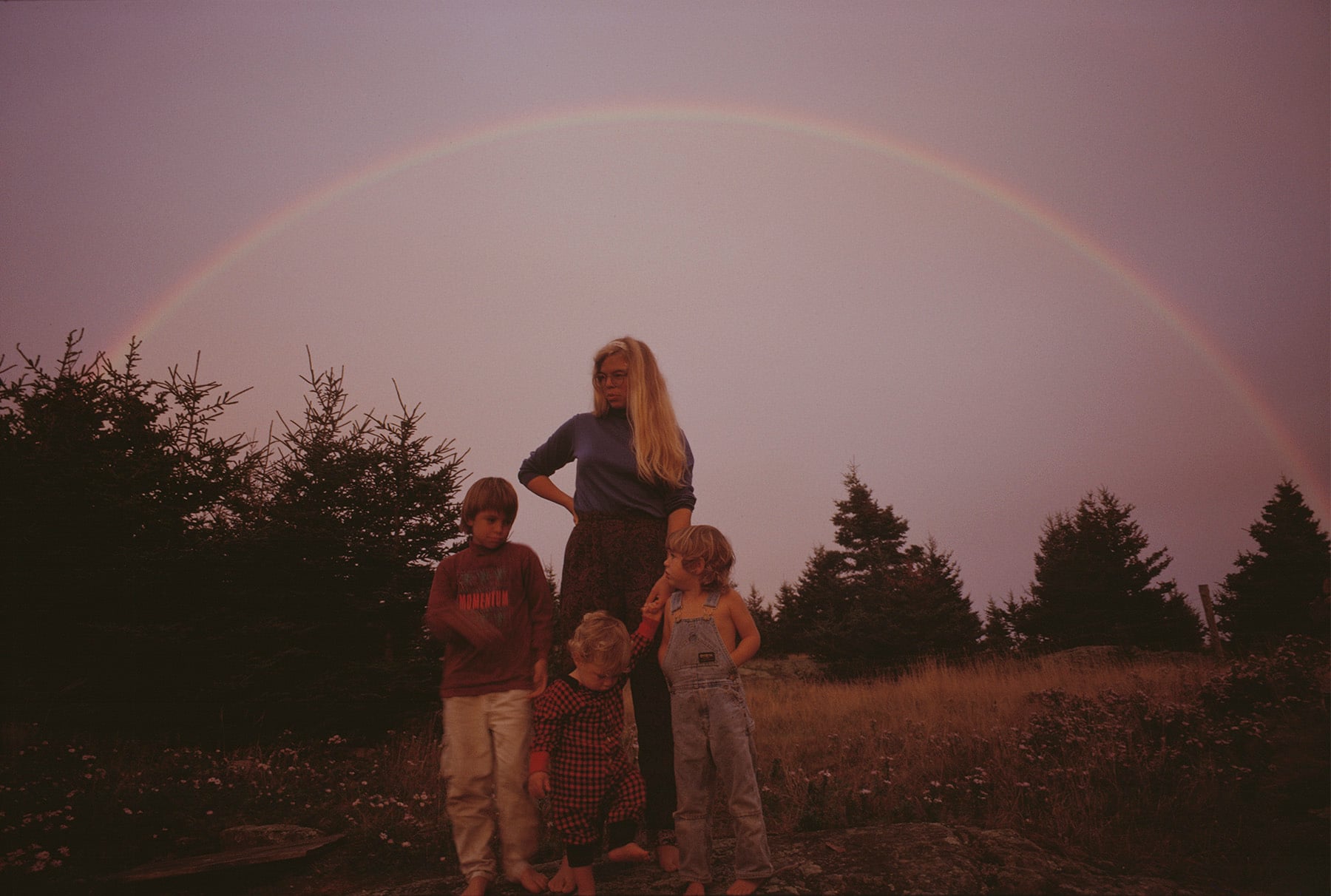
It turns out Dworsky had been artfully capturing his life on the island using his Leica and Kodachrome film since the 1970s. Lenz began trawling Dwosky’s archive and found both mystery and beauty in his photos, which focus on his muses: his wife and young children.
“There was a striking sense of mystery in the way he depicted his wife—planting a garden, birthing a child, walking through foggy fields, or naked at the edge of the ocean,” Lenz says.
“Seeing her pictured at the edge of the water, I couldn’t help but think of the statue of Kópakonan, the legendary selkie on the island of Kalsoy [Faroe Islands]. Over time, her presence faded from the images, marking a clear shift in his work. When I asked him about it, his response was direct, ‘My ex-wife left the island. We stayed’.”
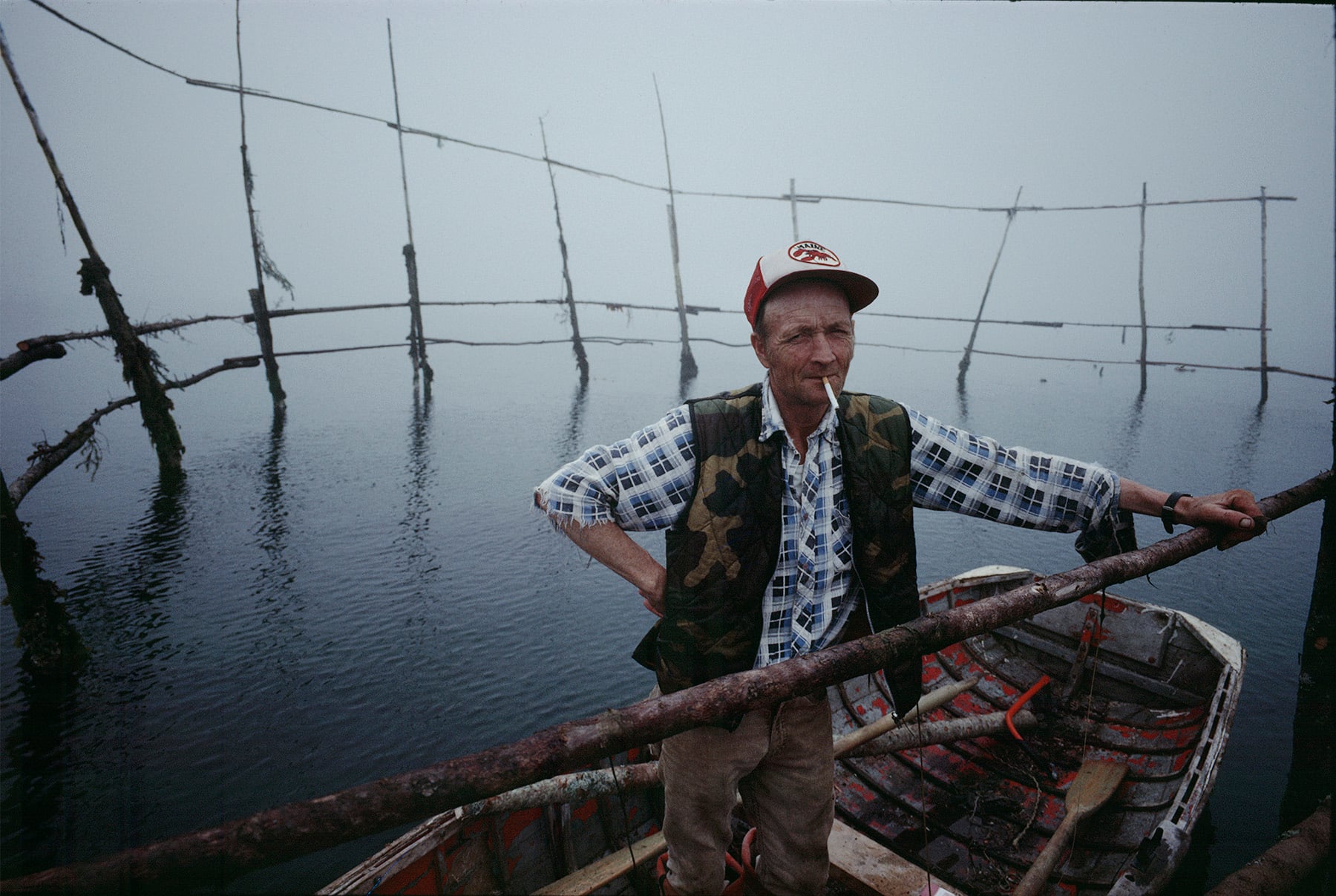
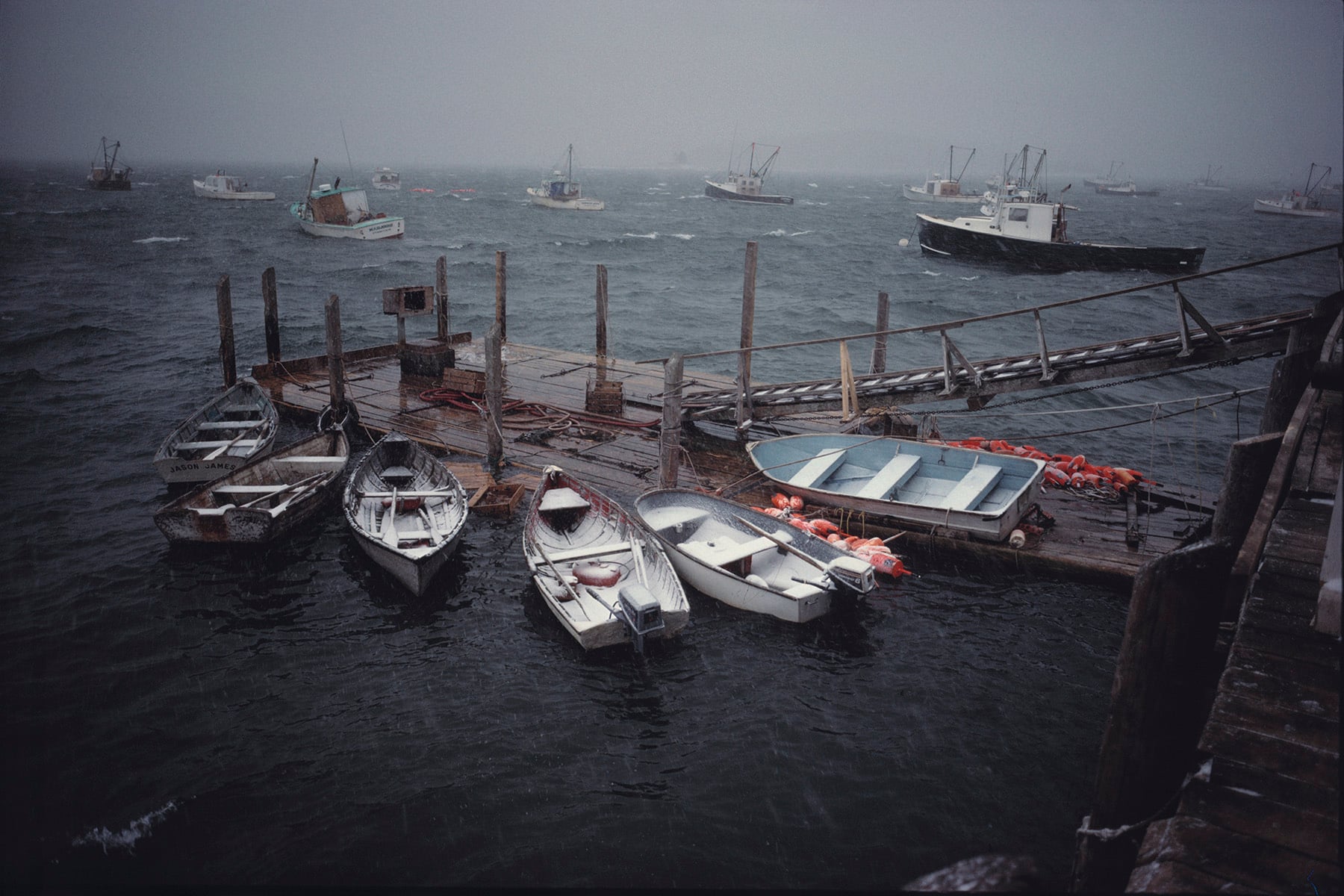
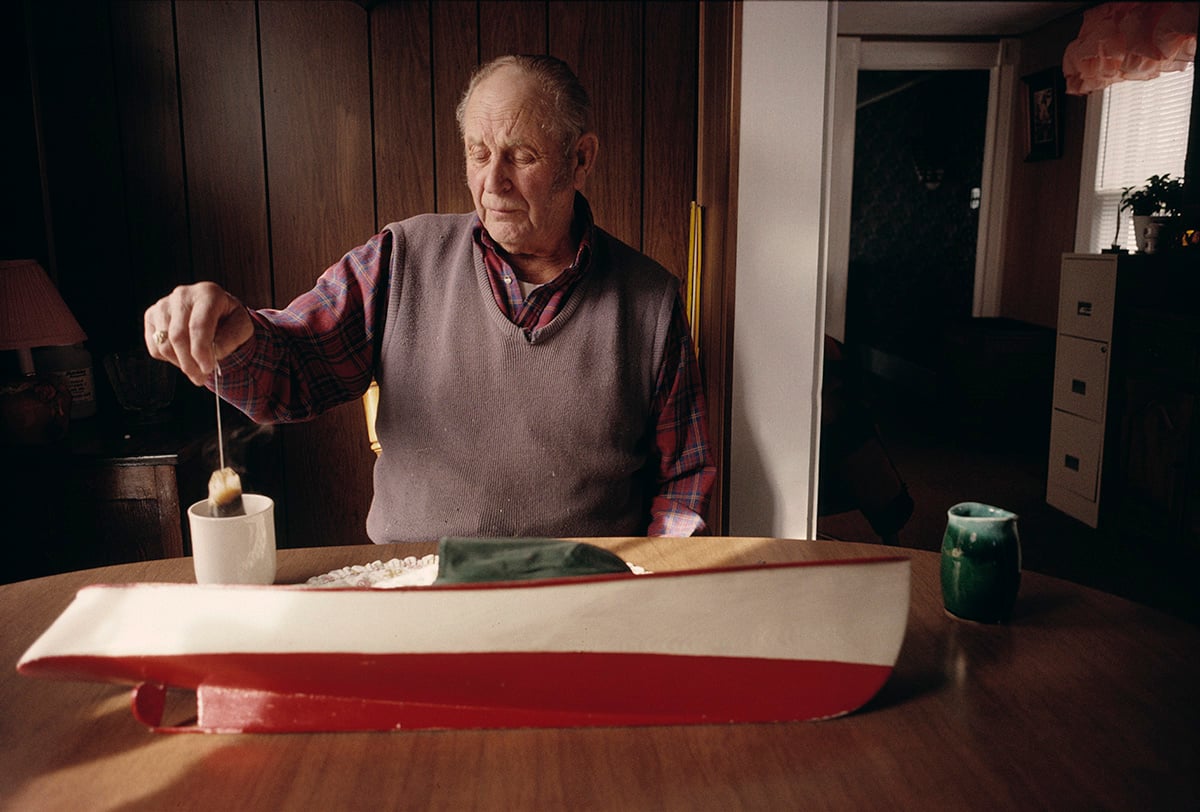
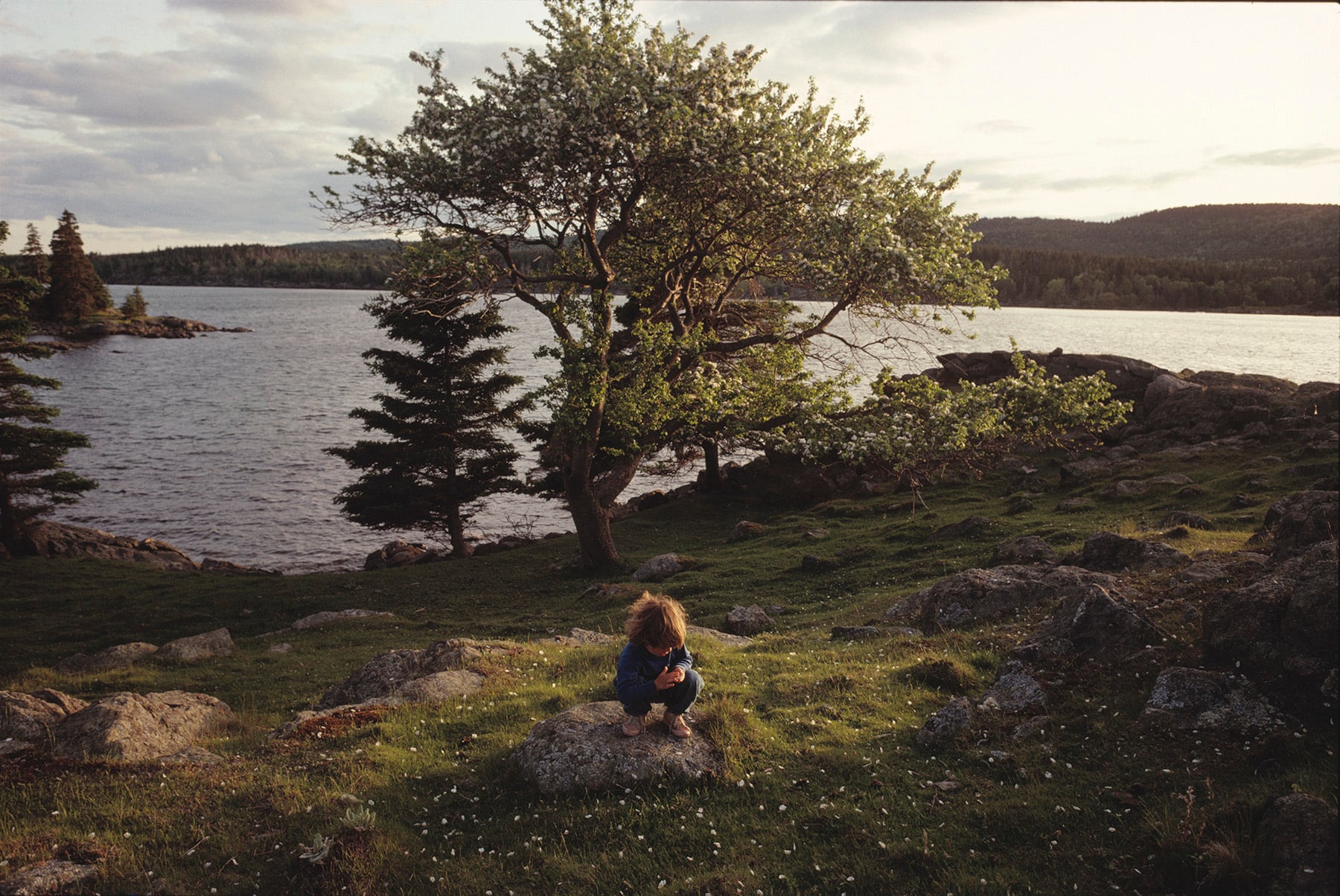
Selkies are mythological creatures that can shapeshift between seal and human forms by arriving on land and removing their sealskin. Once in human form, there are many tales of selkies becoming romantically involved with humans, sometimes resulting in children. However, selkies are then torn between the life they once had at sea and their new life — sometimes seeking an escape.
“These folktales embodied not only the emotional tone of the work I had felt from the first time I saw it, but was eerily similar to Jeff’s own life,” adds Lenz. “His story reminds us that folklore and myths might be more real than we’d like to believe.”
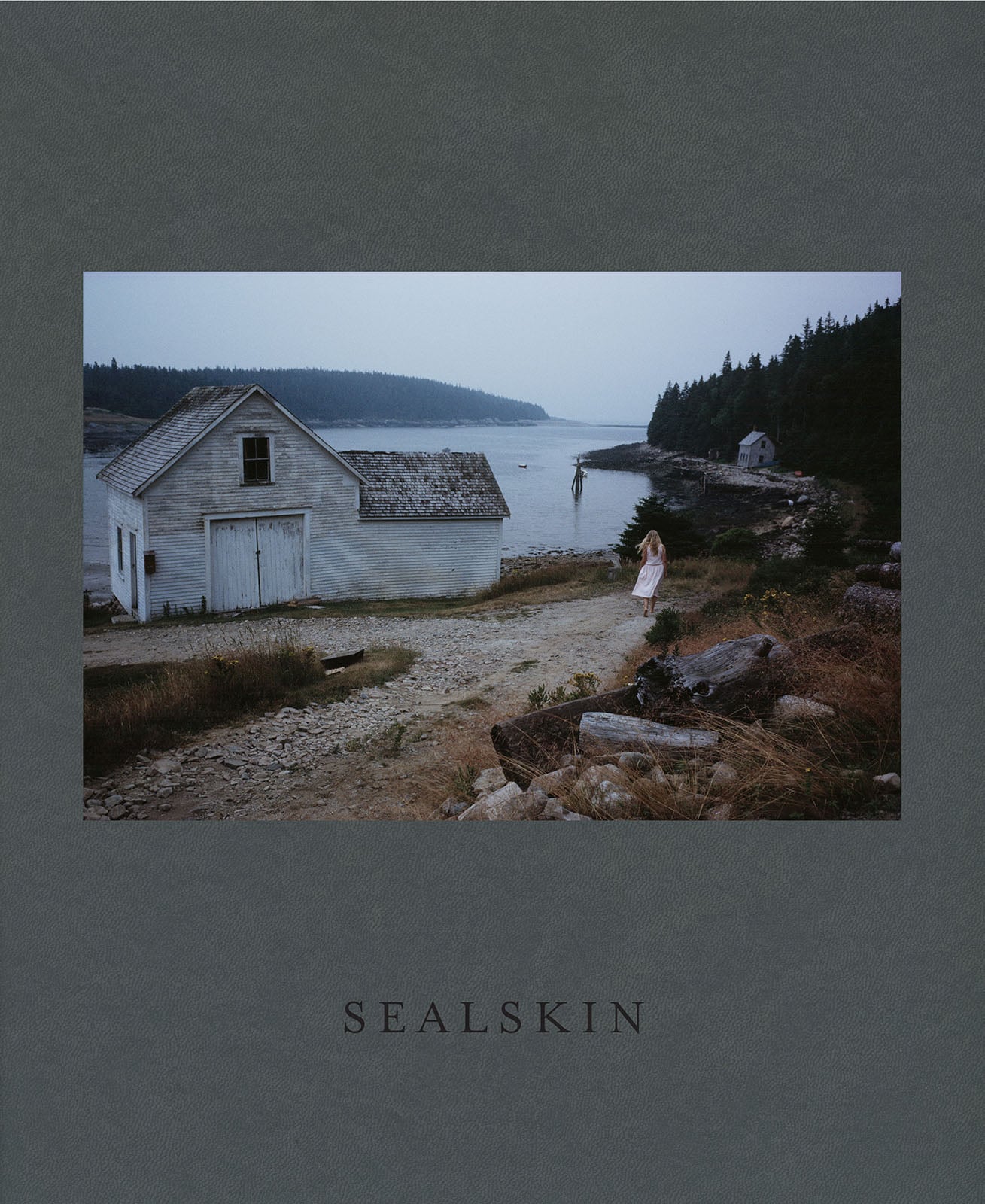
This second printing of Dworsky’s popular debut photobook Sealskin brings back into print his chronicle of family life and the fishing community of a small Maine village during the 1970s and 1980s.
Using Kodachrome film, Dworsky documented daily life, work on the water, and intimate moments at home, capturing a close-knit coastal world that no longer exists.
Sealskin by Jeff Dworsky is published by Charcoal.
Affiliate Disclosure PetaPixel articles may include affiliate links; we may earn a commission if you buy through one.