ShiftCam’s New Lenses Promise to Improve Your Smartphone Photos
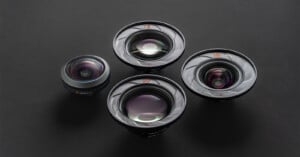
ShiftCam Gear's new mobile lenses, which the company promised would set a new standard in mobile optics in April, have officially arrived.
ShiftCam Gear's new mobile lenses, which the company promised would set a new standard in mobile optics in April, have officially arrived.
When researching the best deals on cameras, PetaPixel noticed an unusual "New Arrival" Nikon camera on B&H's site: the Nikon Z6 III (No Wireless Connectivity).
The Milky Way that arched over the Tetons looked nothing like the RAW file that came home. At two in the morning, on Matt Suess' camera, it glowed. On his computer the next day it was flat and gray, the core buried in noise, the color drained out. Every photographer who has pointed a camera at the night sky knows that gap between the glow on the camera and the flat file the next morning. Getting that glow back is the real work.
This week, the PetaPixel Podcast team is joined by its newest team member, Dmitry Koshutin! He and Jordan debate the efficacy of action and gimbal cameras for professionals. Also, VSCO's new One pricing model is super confusing, Sony showcased its first LOFIC sensor, Fujifilm tipped its hat to its fall plans, and so much more!
News broke this week that the Canon EOS RP was discontinued, and that is certainly true in some markets, but not others. Canon USA, for example, claims that the EOS RP is not discontinued, although it is likely just a matter of time.
A court ruled that a fashion blogger’s use of a copyrighted photograph on her blog constituted fair use because she paired it with a question-and-answer section.
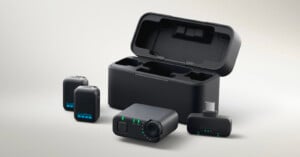
GoPro has announced the Wireless Mic Complete Kit, a compact wireless audio solution designed for creators who shoot across multiple devices, including action cameras, mirrorless cameras, smartphones, and traditional video rigs.
For just over a single day, the European Space Agency's (ESA) cutting-edge Euclid Space Telescope pointed its lens toward the relatively close and extremely bright inner region of the Milky Way galaxy, known as the galactic bulge. The space telescope made good use of its time, capturing the largest and most detailed photo ever of the Milky Way's galactic center.
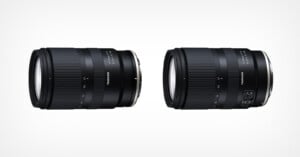
Tamron is bringing its 17-70mm f/2.8 Di III-A VC RXD APS-C zoom lens to Canon RF- and Nikon Z-mount mirrorless cameras.
Models are reportedly accusing fashion retailer Rainbow Shops of using AI to create lookalike images of them around the same time that their work with the company dried up.
Trail camera footage has captured one of the most elusive mammals in the Pacific Northwest region of the U.S. -- the ringtail.
U.S. agencies have seized hundreds of drones near FIFA World Cup venues since the tournament began less than two weeks ago.