How to Turn a Flat, Noisy RAW Into a Finished Milky Way Photograph
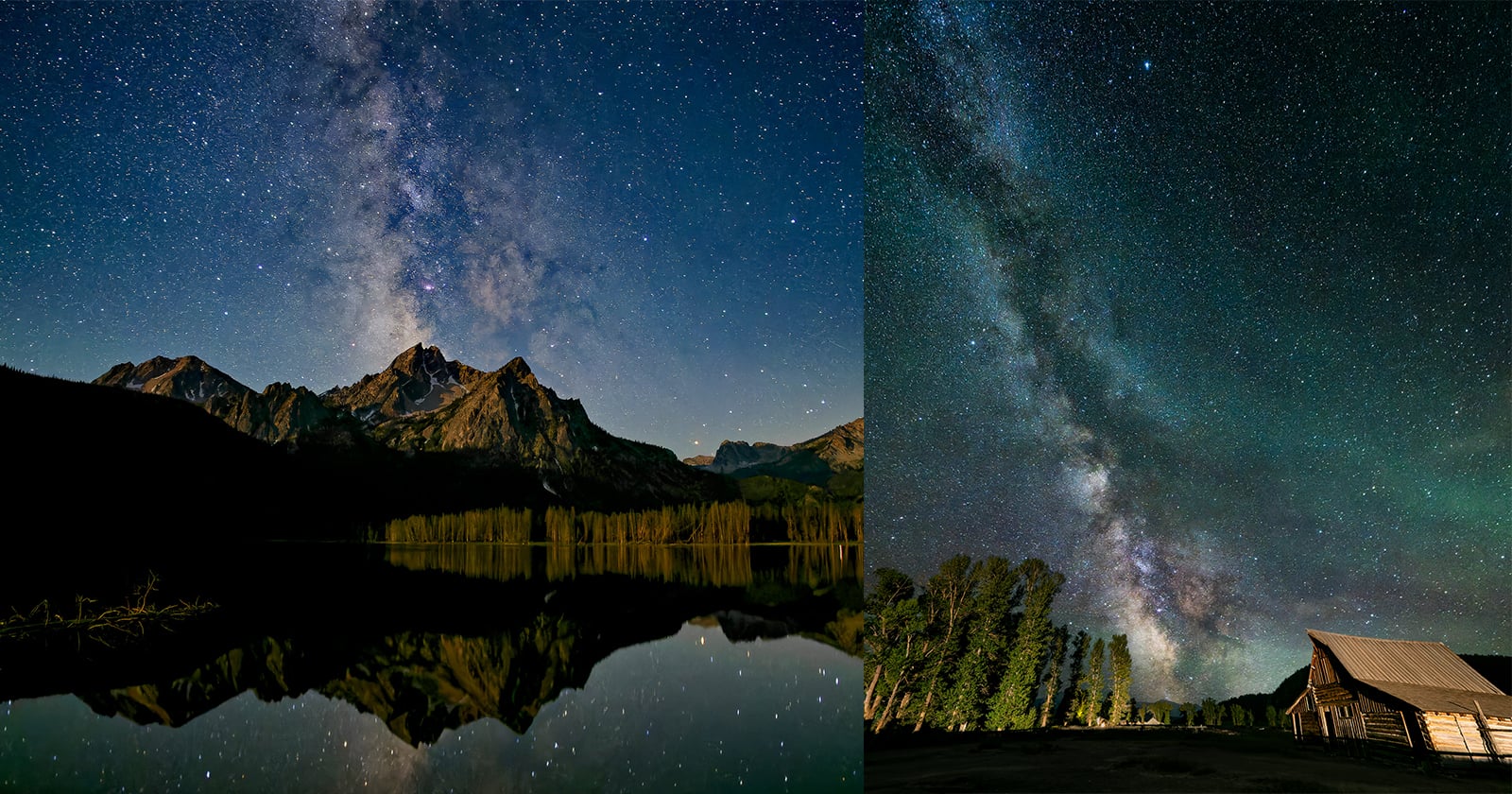
The Milky Way that arched over the Tetons looked nothing like the RAW file that came home. At two in the morning, on Matt Suess’ camera, it glowed. On his computer the next day it was flat and gray, the core buried in noise, the color drained out. Every photographer who has pointed a camera at the night sky knows that gap between the glow on the camera and the flat file the next morning. Getting that glow back is the real work.
Full disclosureThis article was brought to you by DxO. Use the code PetaPixelSummer2026 at check out to get 20% off of any DxO product, including Nik Collection 9 and PureRAW 6
until July 10th (valid for new customers only).Read The Ultimate Beginner’s Guide to Color Efex.
Read Matt Suess’ 8 Astrophotography Lessons the Beginner Guides Leave Out.
At a Glance
The Picture Isn’t in the File Yet
Noisy RAW files are a problem almost every astrophotographer faces after a night chasing the Milky Way. The quick fix is to run a night-sky file through an auto edit in a program like Adobe Lightroom, which leaves you with an overexposed, grainy mess. OM SYSTEM ambassador Matt Suess doesn’t work that way.
“A night-sky RAW always comes home flat and full of noise,” Suess says. “That’s just what the sensor hands you at two in the morning. The picture isn’t in the file yet, you build it in the edit, and the whole game is doing that without overcooking it.”
Suess has photographed dark skies for decades and now leads astrophotography workshops in places like Grand Teton National Park. One of the most challenging files he has had to edit came from a test of DxO PureRAW, the noise-reduction software he runs before he edits, when he pushed his ISO far past his usual limit.
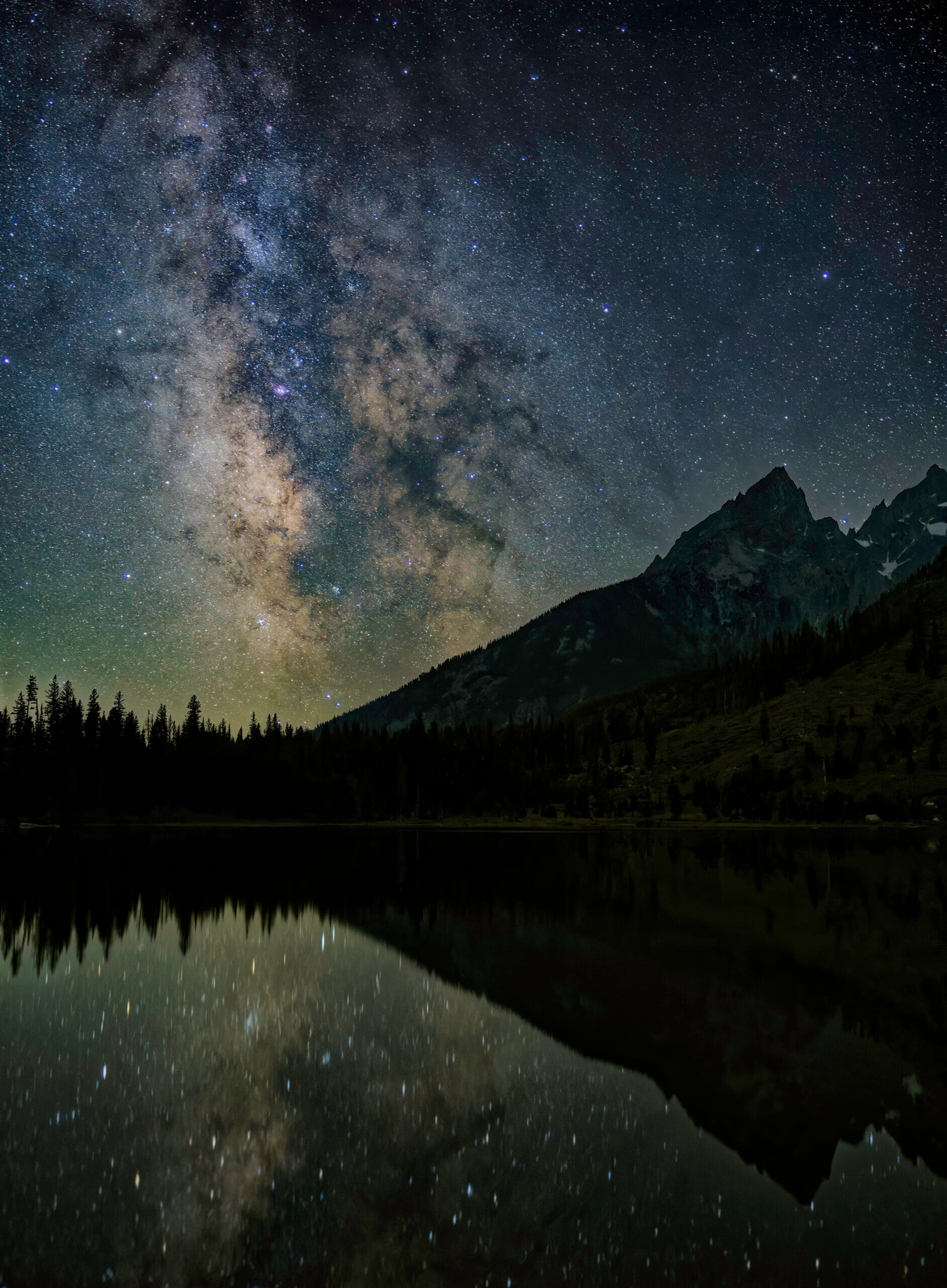
“I normally cap my Milky Way shots at ISO 6400, but I shot one at 12,800 just to see how far I could push it,” he recalls. “I wanted to know how good a job the noise reduction could really do on a file that noisy.”
Most people chase the missing color while also lowering noise by stacking more frames and pulling harder on the data. Suess doesn’t.
“My whole approach to a night sky is ‘don’t go too crazy’,” he stresses. “I don’t mind a little bit of noise in the shot. This is a night-sky photo after all, and the second you start pulling too hard, it stops looking like the sky you stood under.”
He works the rest of the edit the same way, a repeatable path from a disappointing RAW to a finished frame.
Clean the File Before You Color It
A high-ISO night frame comes off the sensor full of noise, the grainy color specks a camera builds up in the dark.
“The trouble with cleaning a night file the usual way is that the noise reduction smears the stars while it’s killing the grain,” Suess points out. “The stars are the most fragile thing in the frame. I want the noise gone and the star detail still sharp, and that’s the job I hand to PureRAW.”
PureRAW is a dedicated noise-reduction tool, built to clean those specks out before the rest of the edit begins.
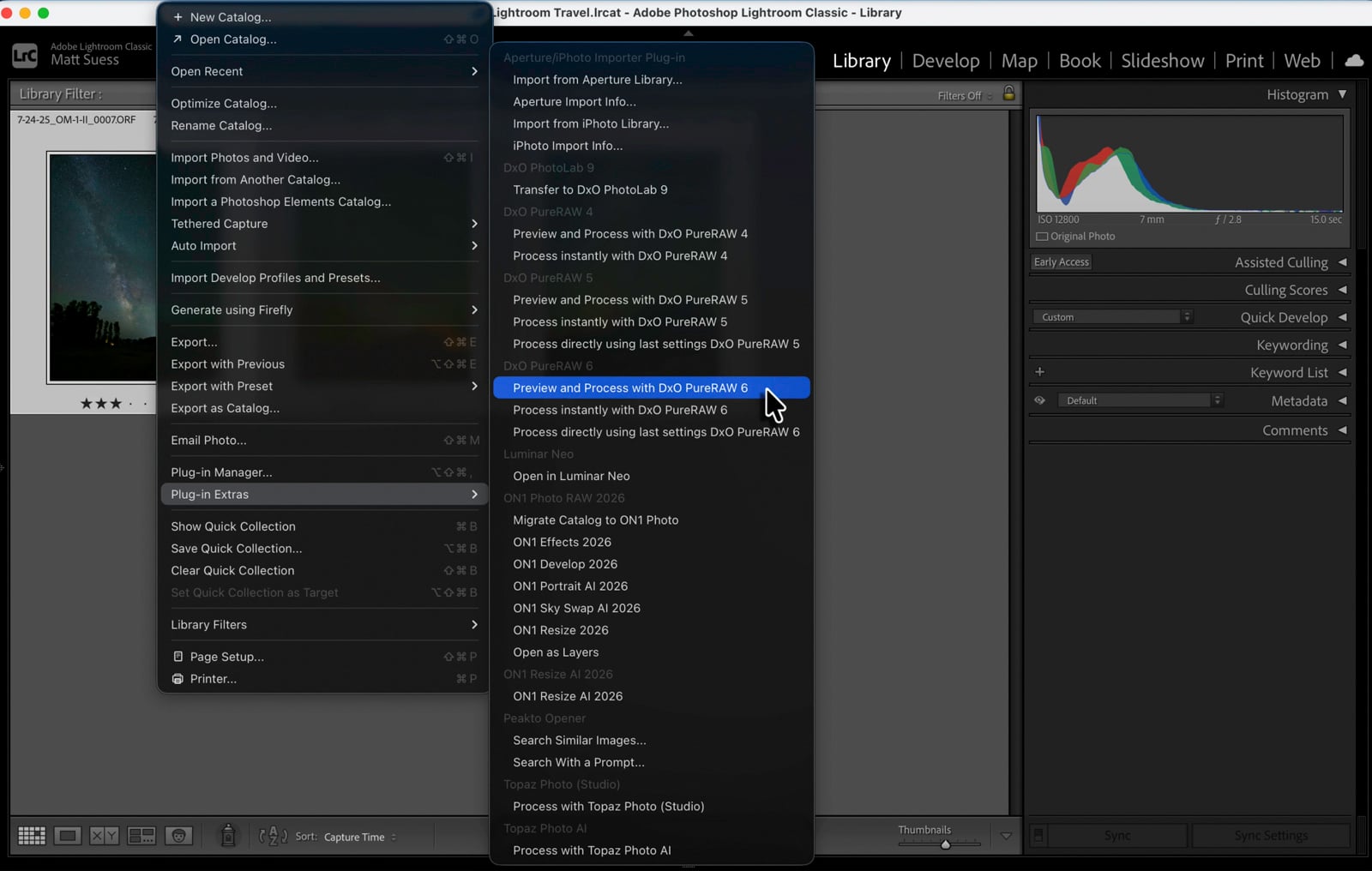
It gives you three ways in from Lightroom: process instantly on its defaults, reprocess with your last settings, or Preview and Process, which opens the controls first. Suess uses Preview and Process, because a night sky is exactly where he wants to make those calls himself.
DeepPRIME XD3 is the strongest mode, and the noisiest files are the obvious place for it. On a star field, Suess does the opposite.
“DeepPRIME XD3 really smooths things out, which is exactly what you want on most files,” he notes. “On a delicate star field, though, that much power can start to soften the stars themselves. I’d rather keep a touch of grain than lose that detail, so for my Milky Way photos, I often go with the slightly less powerful mode, DeepPRIME 3.”
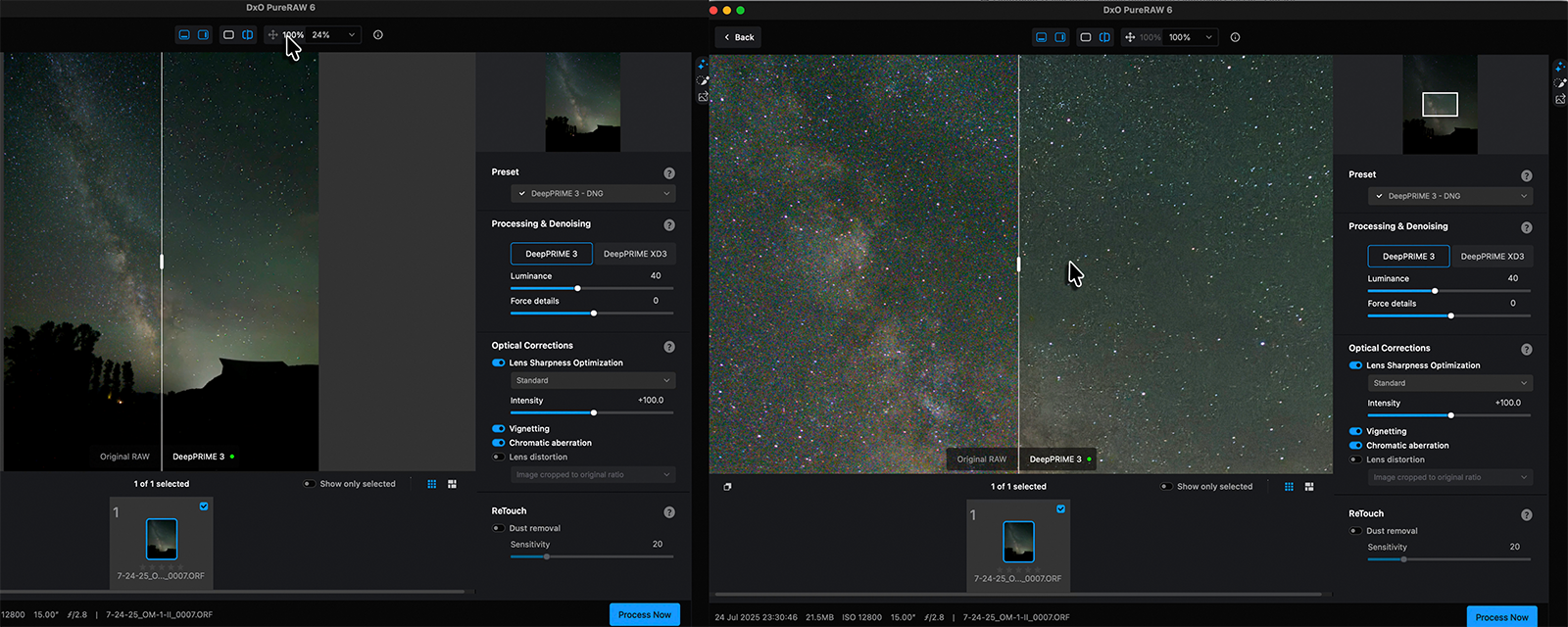
It is a per-image call. The same tool also demosaics the file, building a full-color image from the single color each pixel on the sensor actually records.
“PureRAW demosaics the RAW file and puts its own little color spin on it,” Suess describes. “I like the color it hands back.”
“I don’t ever develop the RAW before I run the noise reduction,” he explains. “If you sharpen or add contrast to a noisy night file before you clean it, you just bake the grit right in. Clean it first, then you can color it.”
Every lens is a little soft, so PureRAW sharpens to correct for it, using DxO’s lab measurements of the exact camera and lens that took the photo. That control, Lens Sharpness, climbs through four levels: Soft, Standard, Strong, and Hard.
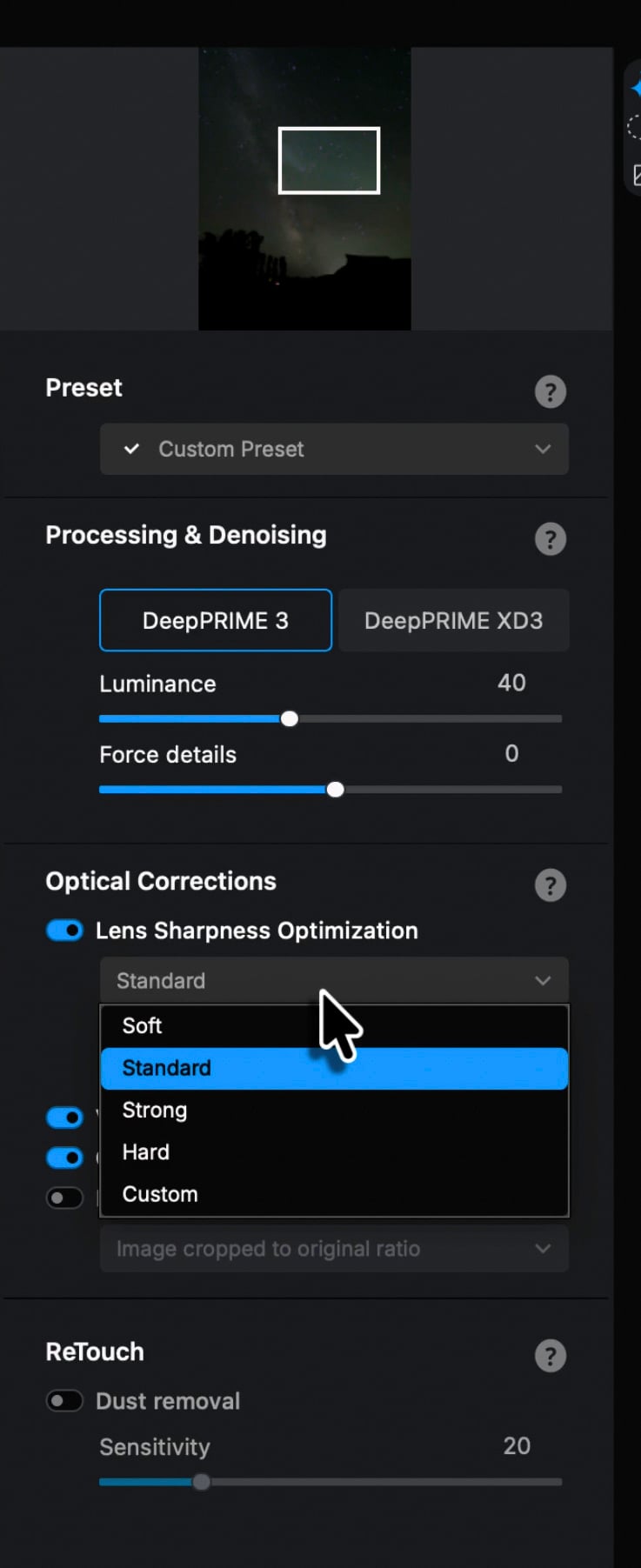
“I keep the lens sharpness on Standard for a night sky,” Suess advises. “If I push it to Hard, it brings up way too much detail and just looks fake, and it starts sharpening the noise right along with everything else. Standard looks much better for my Milky Way shots.”
Where you run that cleanup depends on where you already edit. PhotoLab is DxO’s all-in-one editor, a full Lightroom alternative, so which DxO tool you reach for comes down to your existing workflow.
“If you already work in PhotoLab, everything from PureRAW is built right in,” Suess says. “PureRAW is really for people who’d rather stay in Lightroom. Either way, I finish in Nik Color Efex.”
Develop for the Sky, Protect the Color
With the noise cleaned out of the night-sky RAW, the file opens in Lightroom’s Develop module for the first real color decisions. A sky this dark often shows a faint green or magenta tint, and the first instinct is to correct it out like a stray color cast. Suess sees it differently.
“You’ll see green and a little magenta in the sky, and that’s not the aurora, it’s air glow. It happens on these deep dark-sky nights, especially in the Tetons, and I love having it in my photo, so I’m careful not to wipe it out.”
Suess switches to the Adobe Landscape profile, which renders color the way a landscape photographer expects rather than the flatter default.
“In the develop module I’m only setting a clean, honest base,” Suess emphasizes. “I’ll give it a little contrast and clarity, but I hold back on moving the sliders too much because I’ve still got the creative steps coming in Nik Color Efex. The develop pass is where you protect the real color, not where you finish the picture.”
White balance is the first hand adjustment, and Suess tunes it for the Milky Way core.
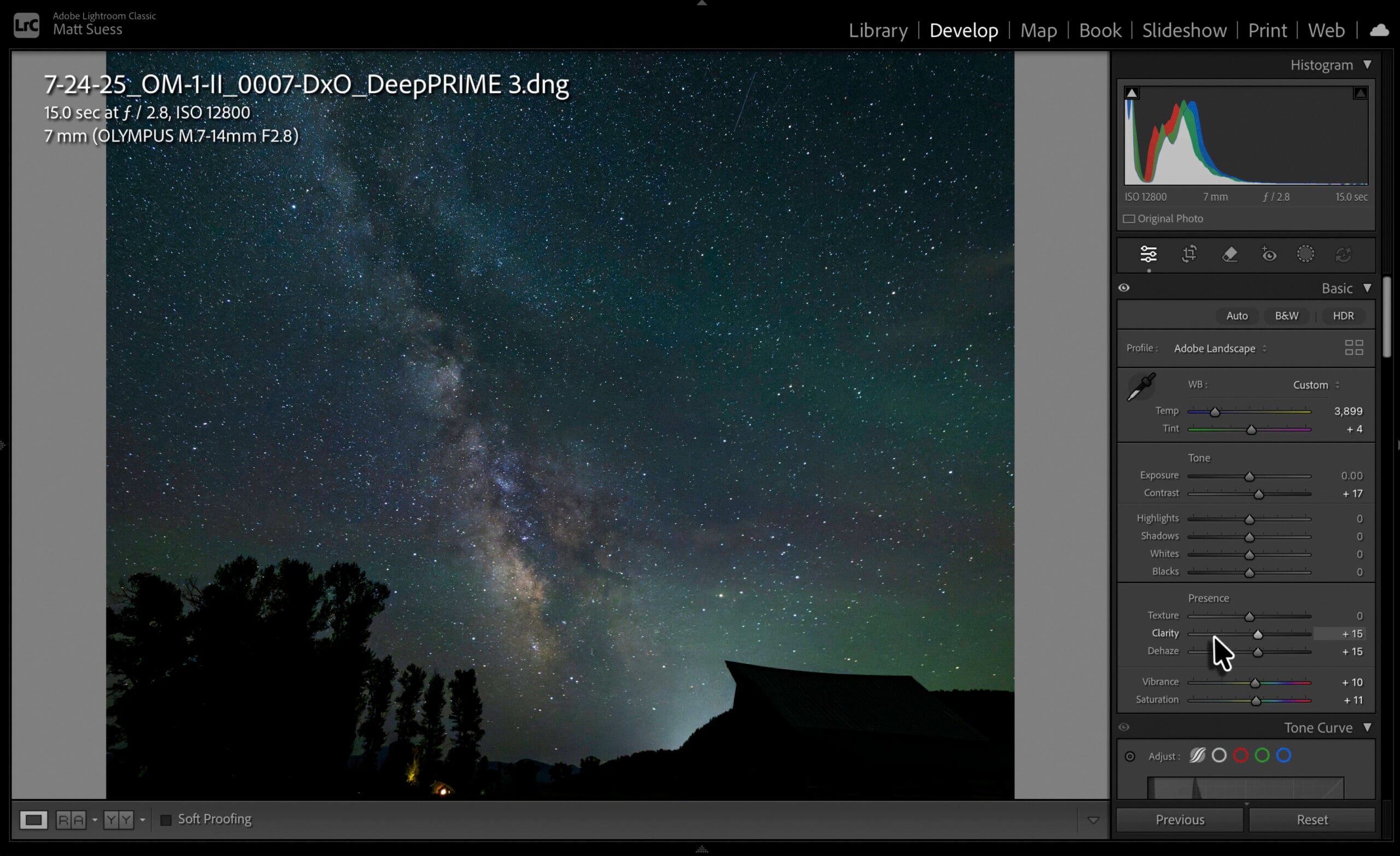
“I want a little yellowish magenta in there,” he continues. “Push the tint one way and it goes too green, push the other and it’s too purple, so you’re hunting for the spot right in the middle where the core color reads true.”
After white balance comes the moves that add punch, including a touch of the dehaze slider, and each one carries the risk of adding noise back into the file.
“I’ll bump the clarity up to make the Milky Way pop off the sky, but knowing it recreates noise, I add it conservatively,” Suess cautions. “Then I’ll actually knock the saturation back down a little. I’m judging every move by eye, watching what each slider gives me against what it costs in noise.”
A bright spot in the frame gets handled with a targeted mask rather than a global slider.
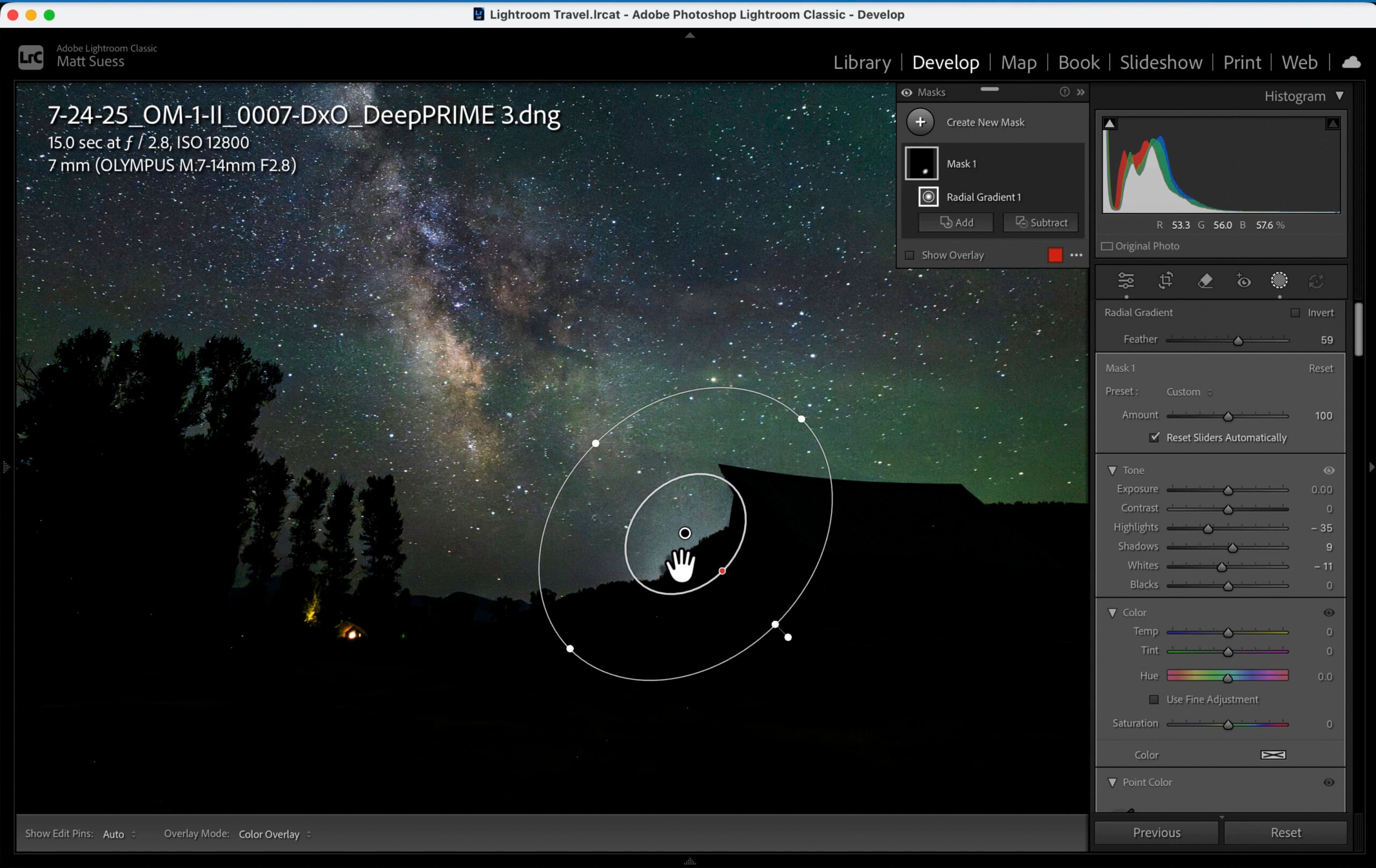
“In some of my Milky Way photos from the Tetons, I’ll sometimes get a glow that is the town of Jackson,” he demonstrates. “Light pollution is common in a lot of astrophotography these days, so I’ll drop a radial gradient on it just to knock those highlights down so it’s not so noticeable. Then I’ll bring a linear gradient down from the top to darken the upper sky, because a dark sky up there leads your eye into the foreground and the core of the Milky Way behind it.”
The Creative Finish, Suess’ Recipe
A clean RAW comes off the noise-reduction pass clean but flat, the contrast pulled out of it along with the grit. Turning that file into the photograph the camera actually captured happens in one place: Nik Color Efex. He uses a stack of filters that handles the creative finish on nearly every Milky Way photo.
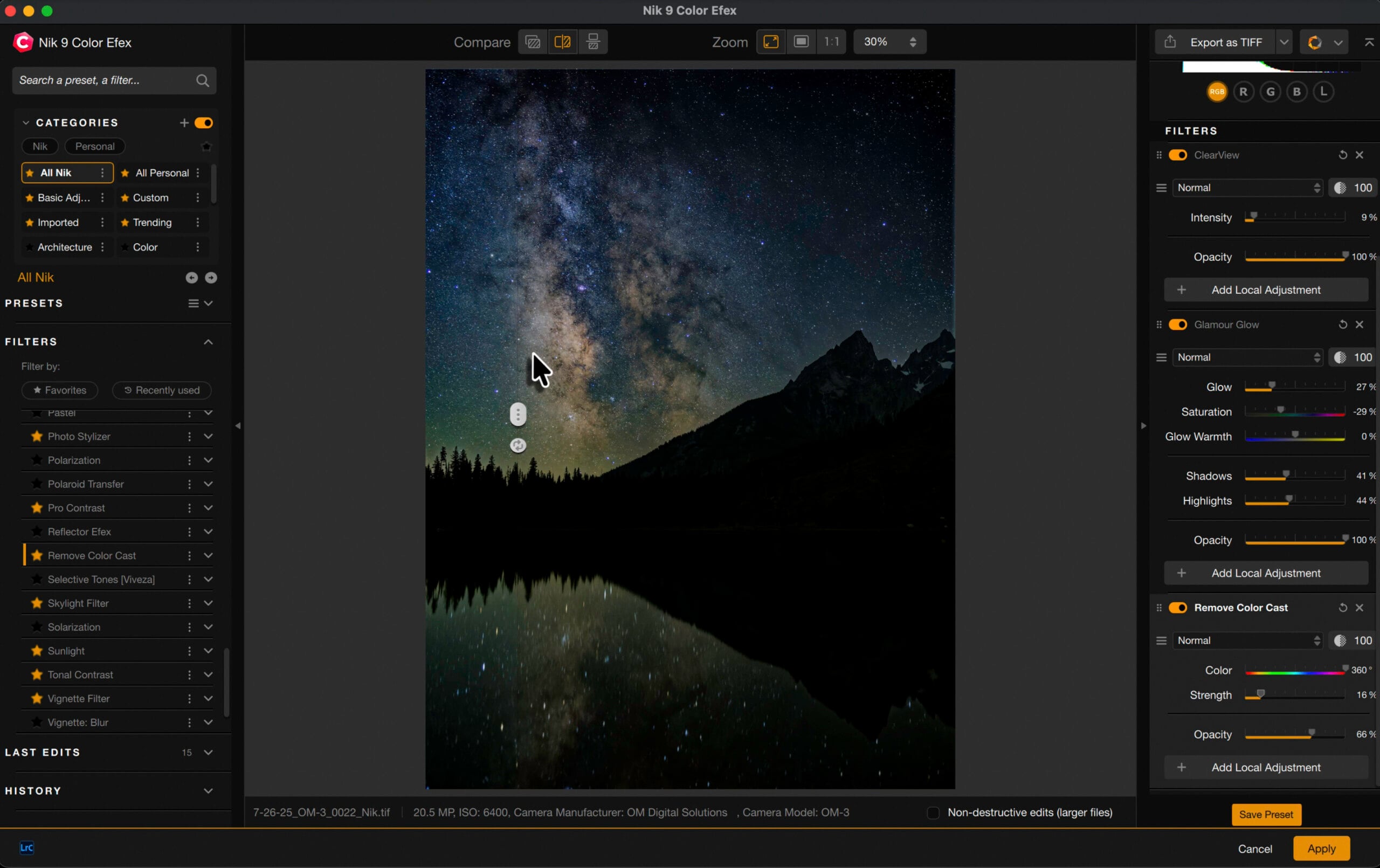
The first filter in the stack goes after the haze. The ClearView filter lifts the faint gray haze that settles over a night photo and dulls the whole frame. With it gone, the fine structure in the Milky Way comes back.
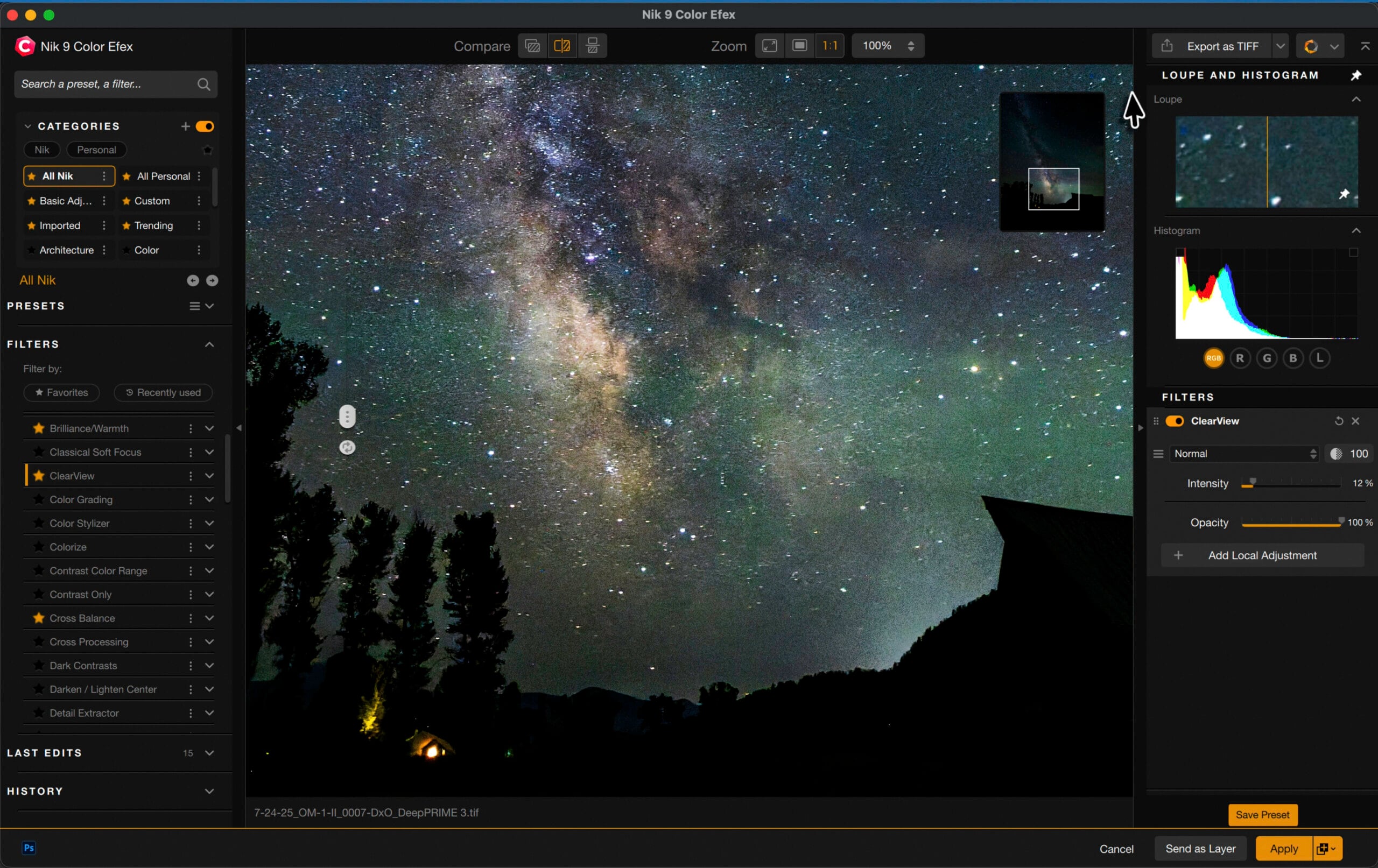
“Of everything in the stack, ClearView is the one I reach for first, and the one I have to stop myself from overdoing,” Suess emphasizes. “I keep the slider around plus 12, because it builds contrast fast, and any more than that starts outlining the stars. I’d rather underdo it and keep the stars clean.”
The next filter is Glamour Glow, which spreads a soft bloom of light from the brightest points. On most photos it flatters skin and highlights; on a night sky, it settles onto the stars.
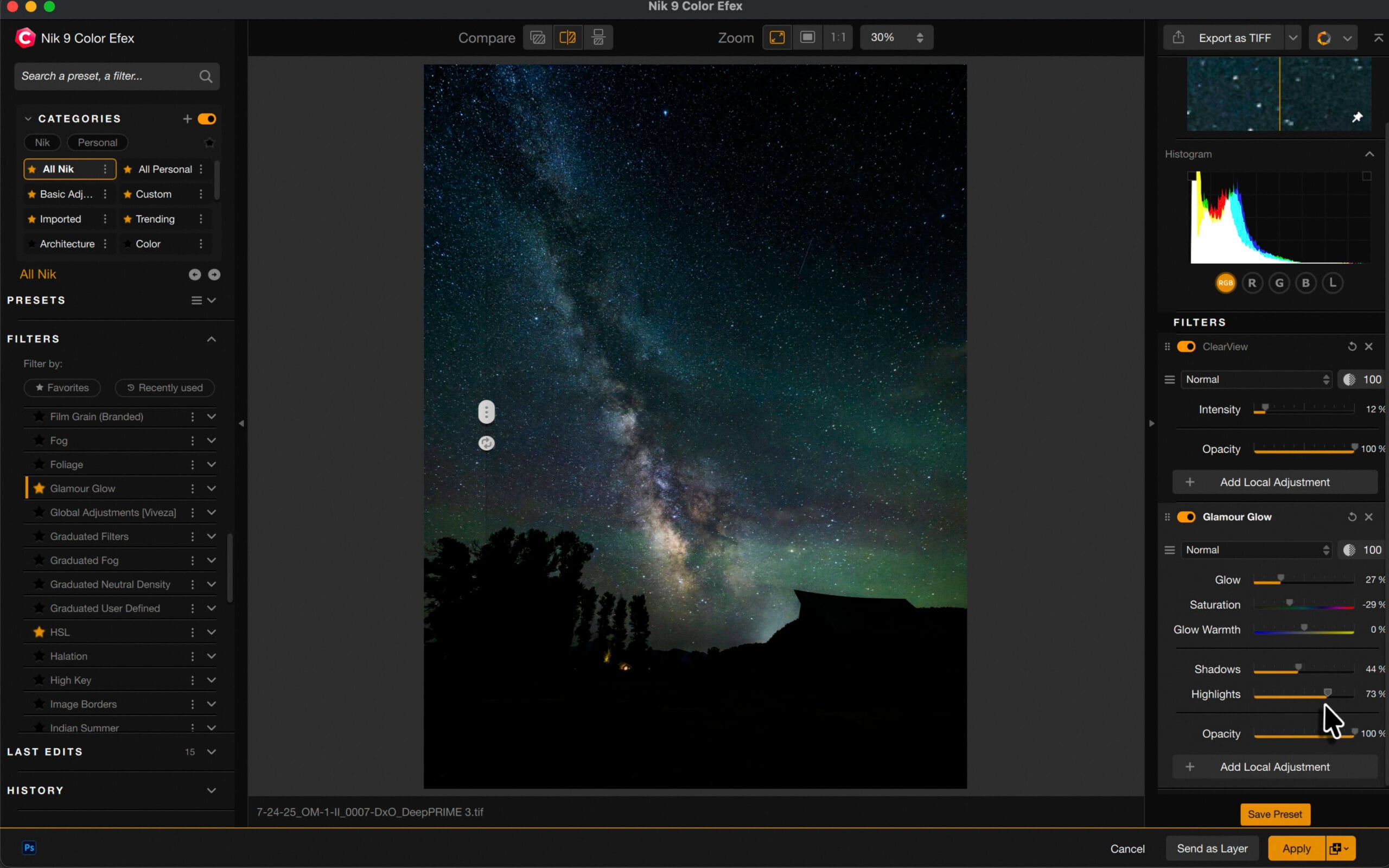
“Every so often I’ll add a little Glamour Glow,” he adds. “It softens the stars and quietly hides any noise you’ve still got hanging around. I keep it gentle, just enough to take the edge off without smearing them.”
Even a careful develop pass in Lightroom can leave a faint tint behind in the core. Color Efex’s Remove Color Cast filter pulls one unwanted color out of the frame, the stray orange or blue that can survive the earlier edits, while leaving the colors you meant to keep alone.
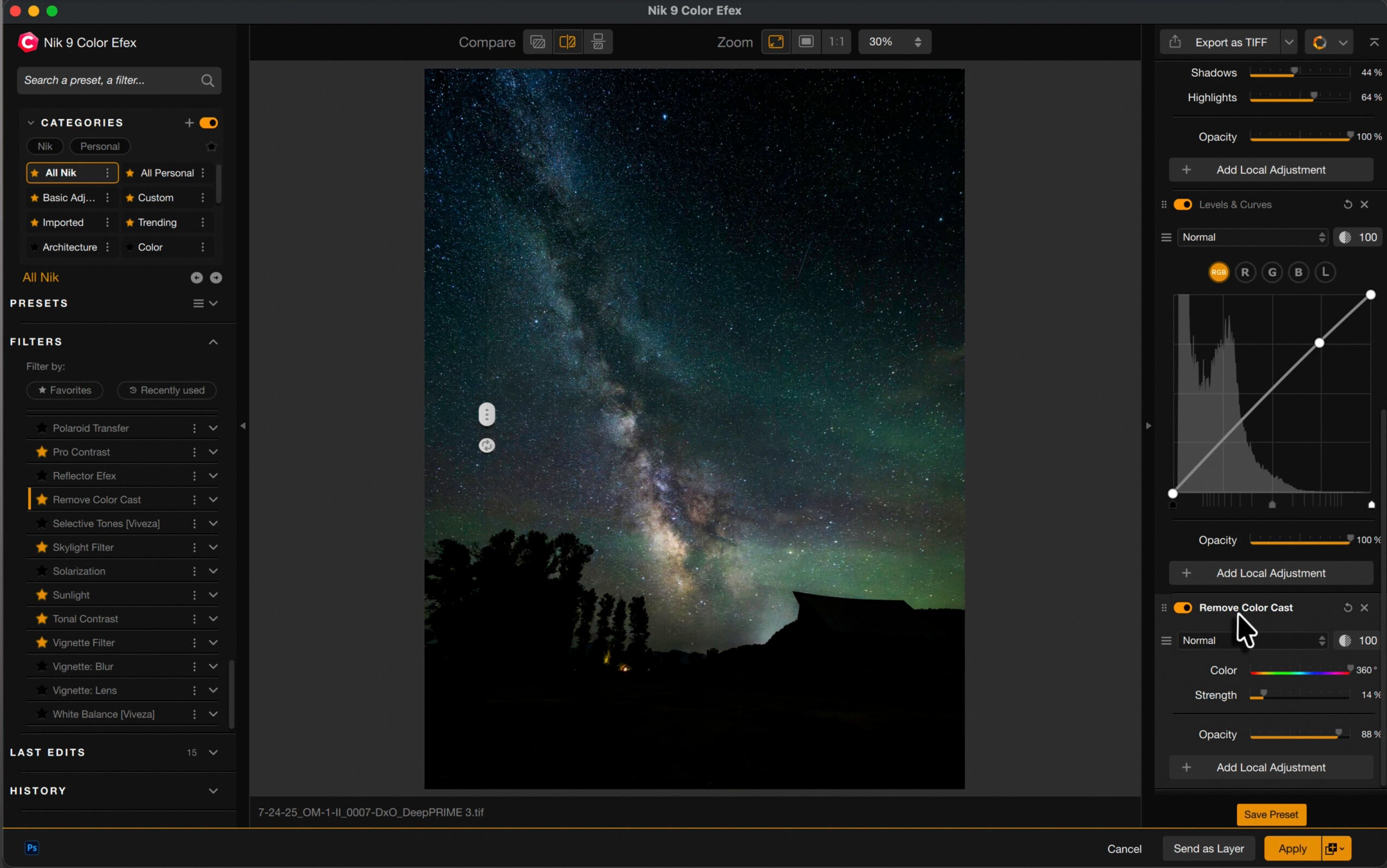
“The core will sometimes come out reading a little cool,” Suess describes. “I’ll run Remove Color Cast and walk the slider around the wheel until the core reads true again, usually warming it back toward red. It’s a small move, but a cool core never looks right.”
The move that does the heavy lifting on the Milky Way is the last one. The Tonal Contrast filter raises contrast separately in the shadows, midtones, and highlights. The Milky Way’s structure lives in the midtones, so lifting that band is what makes the core stand out from the sky behind it.
“It’s the one that makes the core pop,” he notes. “It sets the highlights and shadows to plus 25 by default but leaves the midtones flat, so I’m always bumping the midtones up to match. A little there and the core comes forward without me touching the rest of the sky.”
None of it is judged from the small preview.
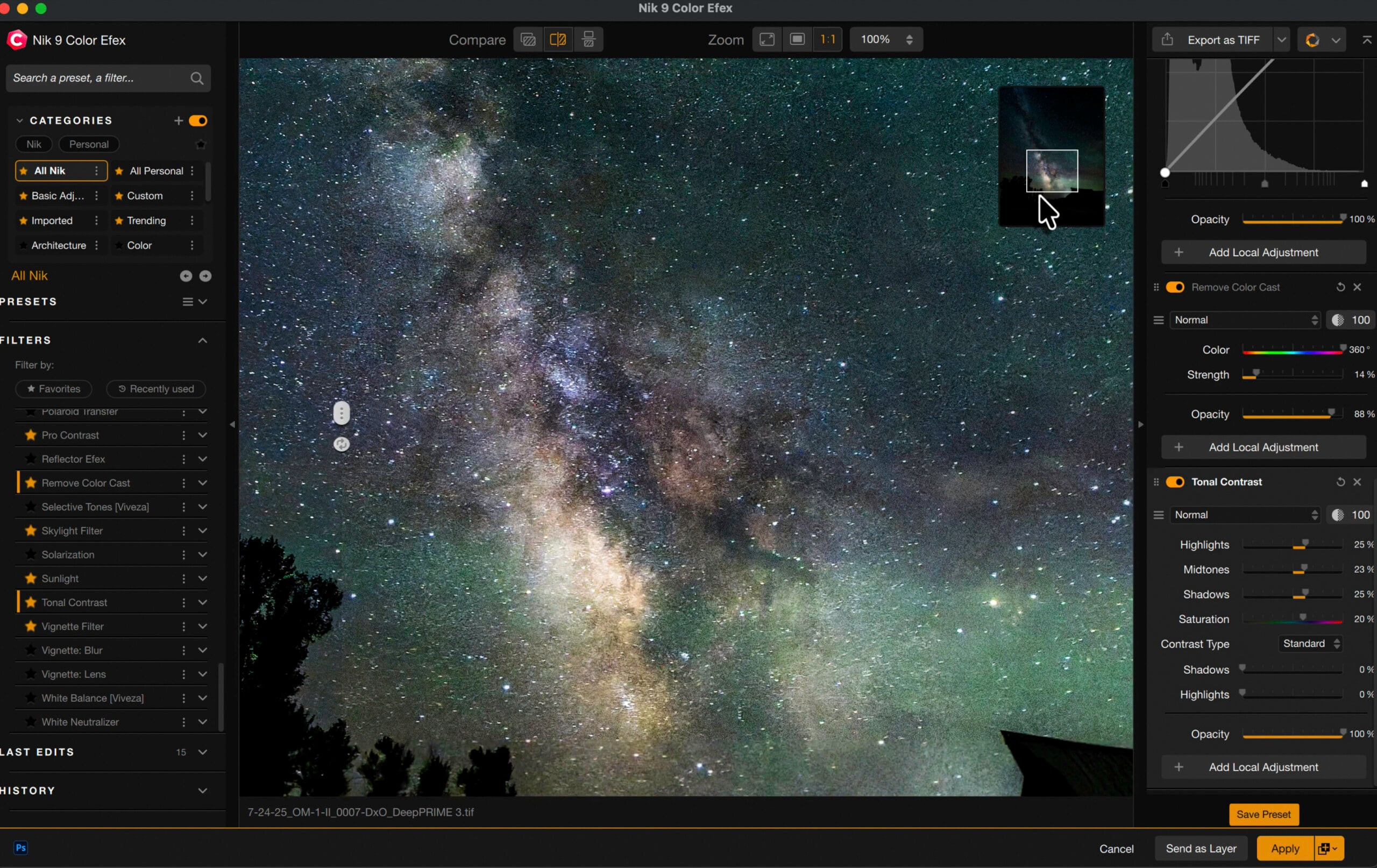
“Every move, I zoom to 100% and do a before and after comparison,” Suess stresses. “With Tonal Contrast especially, I’m checking the core at full size for halos around the bright stars. The thumbnail will lie to you. You only know if it’s working when you look at it one to one.”
“I run the same handful of filters in the same order on basically every Milky Way: ClearView, a touch of Glamour Glow, Remove Color Cast, then Tonal Contrast,” he explains. “That’s my recipe. Once you find the stack that works for your night sky, you can save it as a preset and quickly apply it on the next photo. That’s the part that turns a one-off edit into a repeatable look.”
Target One Color Without Touching the Rest
A saved filter stack gets a Milky Way most of the way there, but one color still slips through it.
“That green and magenta air glow is the easiest color in the whole frame to lose, and it’s real, so the last thing I want is to wreck it,” Suess reflects. “Push the whole sky up with one saturation slider and it doesn’t just get stronger, it goes garish and electric, a tint that was never there that night. What I really want is to put my hands on just that one color and leave everything else alone.”
This still happens in Color Efex. The Color Mask isn’t one of the filters; it’s a Local Adjustment you add inside one, and it does the selecting that used to mean masking a color by hand and hoping the edge held.
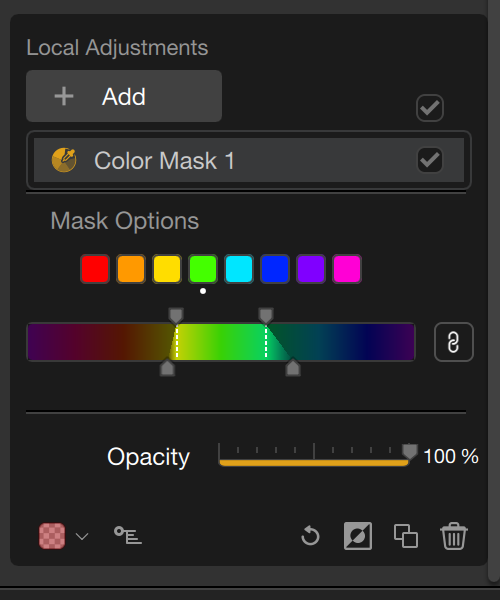
“When I want to work just that air glow, I’ll add a Color Mask to the filter and place it right on the green, and it grabs that color across the whole frame,” he describes. “From there I can push that one color around without touching the rest of the sky.”
With that one band isolated, the color stays where it was that night.
Build the Foreground, Then Blend
The sky is only half the frame. Everything on land is a second photograph with its own problems.
“The foreground is its own job,” Suess instructs. “When I’m working the sky, I ignore the foreground completely, and when I’m working the foreground, I forget the sky exists. I want to keep the ground a little dark so it doesn’t fight the Milky Way, and then I blend the two.”
“A night scene has way too much range for one frame: a faint Milky Way and a dark foreground don’t expose the same,” he points out. “So I shoot the sky with a shorter exposure and high-ISO, and I give the foreground a long exposure. One night in the Tetons, a car drove by mid-exposure and lit a barn in my foreground, the kind of thing you can’t set up on purpose. Two exposures, blended, beats one compromised frame every time.”
Working the foreground on its own surfaces a problem the sky never shows: a color cast baked into the dark ground.
“My grass comes out kind of green in these night files, and that’s a real thing,” Suess admits. “Some cameras get magenta in the shadows, my OM SYSTEM cameras put a little green in there. In Lightroom, I’ll mask the natural ground, pull the saturation and temperature down, and that makes the green a lot less visible without touching the rest of the frame.”
The foreground can also require a stronger edit in one spot than across the whole frame. A Color Efex filter normally works on the entire image, so Suess reaches for the AI Object Masks tool to aim one at a single element instead.
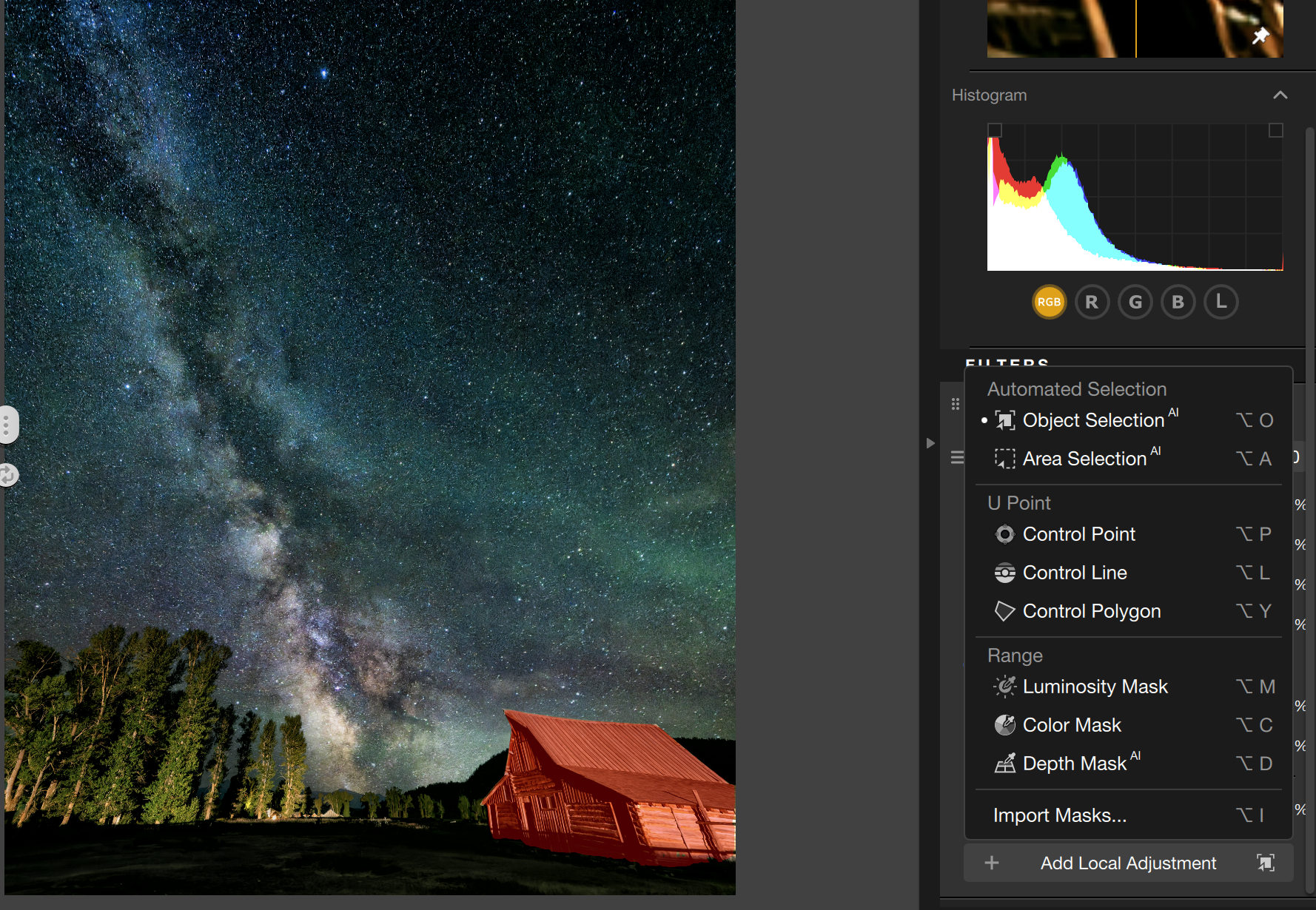
“Sometimes I don’t want a filter working on the whole image,” he explains. “I’ll use the AI object selection to grab one thing in the scene, a particular foreground element, and push something like Tonal Contrast just on that. It lifts the one area I want without overdoing it everywhere else.”
With both exposures finished, the last step is to make them one image.
“To combine them I use Photoshop’s Sky Replacement, drop my processed sky into the foreground frame, and feather the edges so the mountain line blends clean,” Suess advises. “Done right, the two exposures come together like they were one shot, with no seam where the sky meets the ridge.”
Know When to Stop
A night sky is easy to overcook. The tools can take it well past the point where it still looks like the sky you stood under.
“The mistake I see most on a night sky is people going too crazy with it,” Suess admits. “I catch myself wanting to, every time. You turn one slider up and it looks better, so you turn the next one up, and pretty soon it looks unrealistic. Knowing when to stop is most of the skill.”
The first thing a heavy edit brings out is noise. It is why he cleans the file in PureRAW before anything else and keeps the contrast moves restrained once the sky is clean.
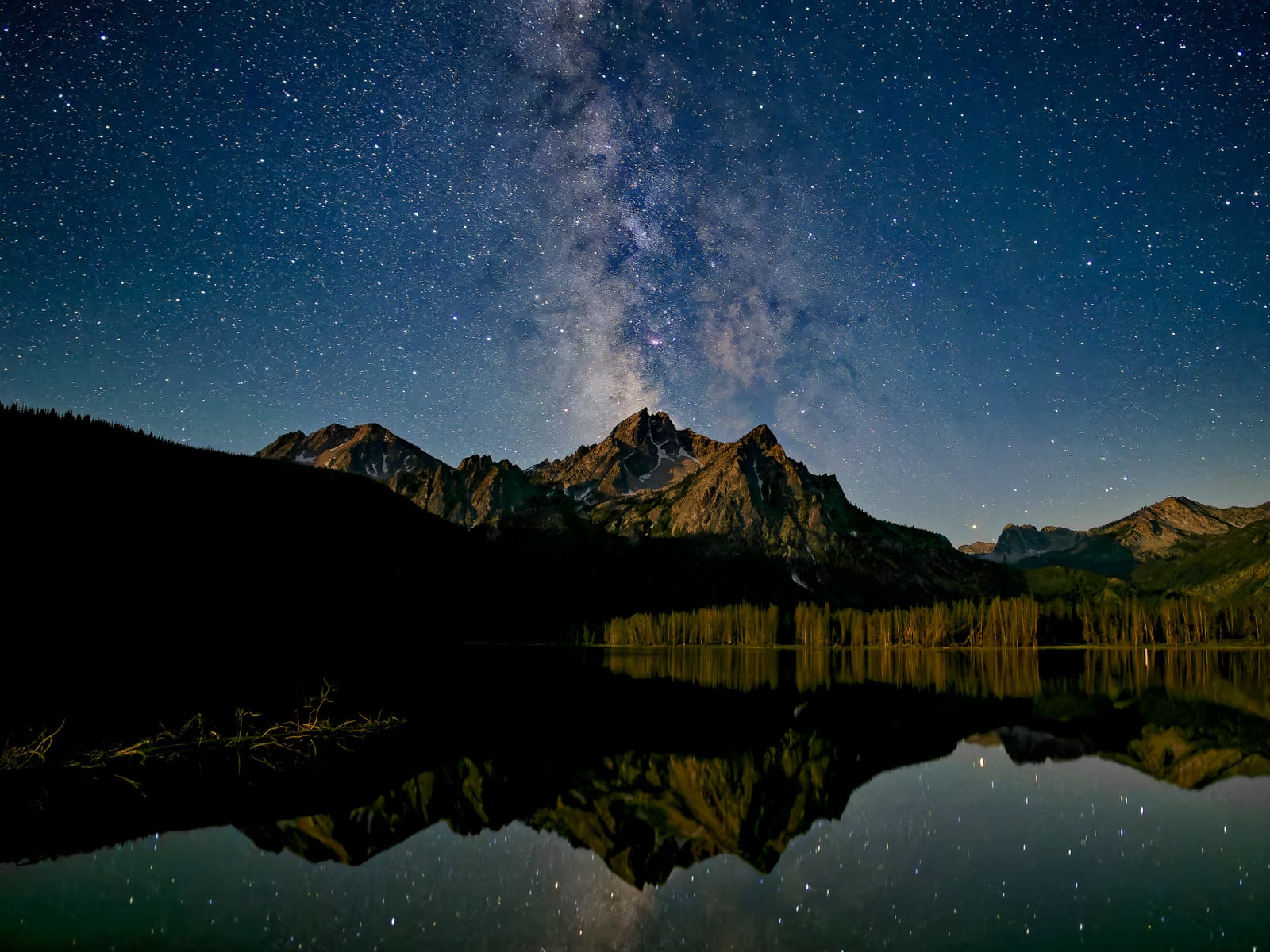
“Almost every slider that adds punch also adds noise,” he cautions. “Clarity brings out the Milky Way and the grain at the same time. So I weigh every move, and the second it takes more than it gives, I back off.”
“Halos are the giveaway of an over-processed night sky,” Suess warns. “Auto-selecting the sky can leave a big halo around the mountains, and too much contrast rings the bright stars. So I check the edges at 100%, every time, and if I see a halo starting, I pull it back.”
Two more traps come from chasing the look too hard. Push saturation and the natural sky color turns to neon, so he keeps it restrained and lets the real color carry. Raise RAW sharpening early and the stars bloat into fat dots, so he avoids pushing sharpening before the creative finish.
“The tools can do almost anything now, which is exactly why you need the discipline to stop,” he insists. “I can always push the file to look more dramatic, but that’s not what I’m after. When a move stops making the picture better, that’s where I stop.”
What the Work Is Really For
The finished frame holds the green and magenta air glow, the warm honest color in the core, and the fine texture between the stars. None of it was visible in the flat file that came off the camera.
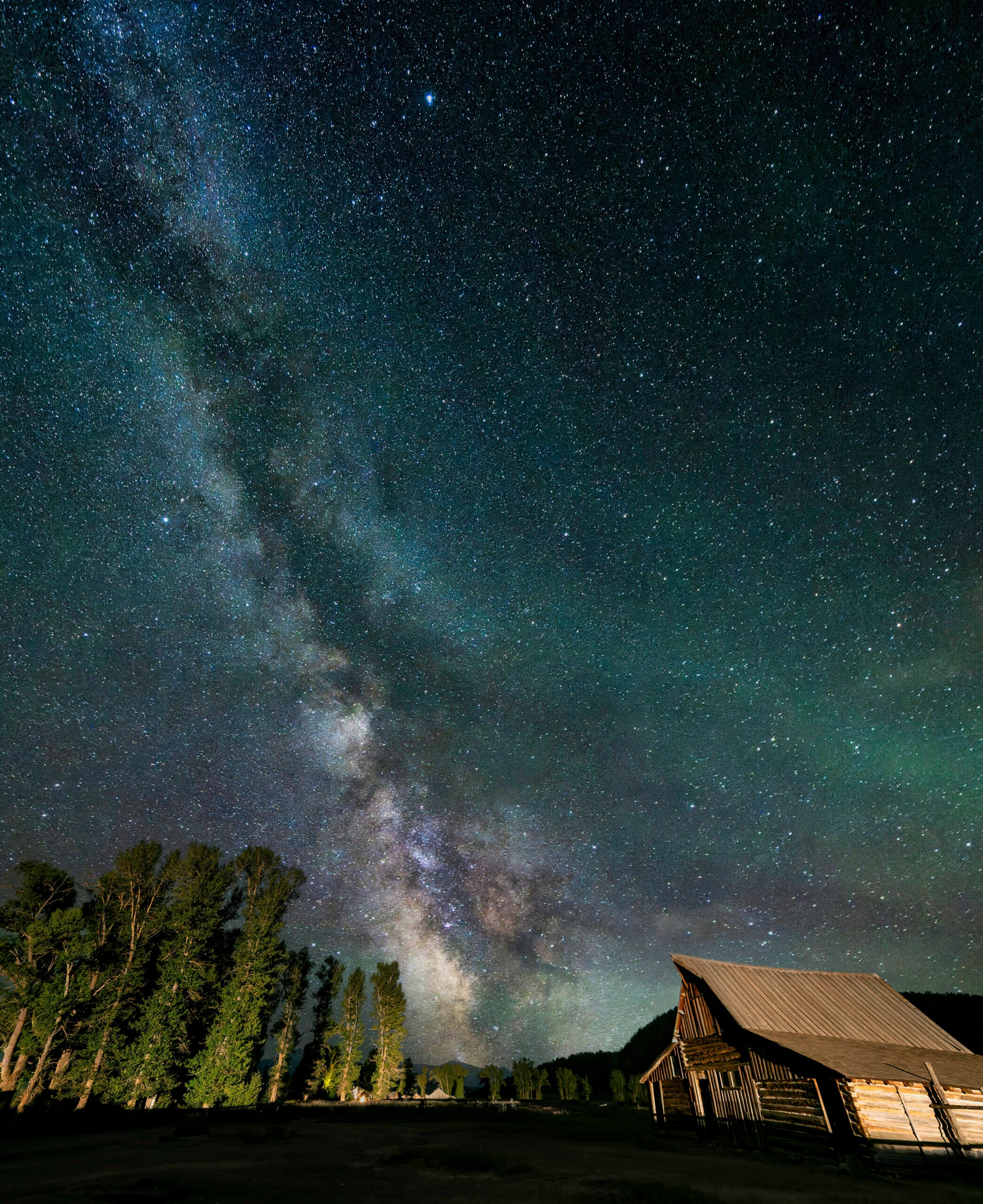
“When I started, this was a noisy ISO 12,800 RAW file, the kind of file you’d usually throw away,” Suess recalls. “By the end it looked the way the night actually felt. It still surprises me what you can pull back out of a file like that.”
The whole workflow, from the first noise-reduction pass to the last filter, exists to close one gap.
“Out there that night the sky was glowing, and the flat file the camera handed back hid every bit of it,” Suess reflects. “The camera actually catches more than my eyes ever could, right down to air glow I can’t even see standing there, and all this editing is really just me bringing that back honestly. When the frame finally shows the night the way it really was, that’s the whole reason I drove out into the dark.”
More from Matt Suess can be found on his website, Facebook, YouTube, and Instagram.
Image Credits: Matt Suess
Full disclosureThis article was brought to you by DxO. Use the code PetaPixelSummer2026 at check out to get 20% off of any DxO product, including Nik Collection 9 and PureRAW 6
Read The Ultimate Beginner’s Guide to Color Efex.
Read Matt Suess’ 8 Astrophotography Lessons the Beginner Guides Leave Out.
Affiliate Disclosure PetaPixel articles may include affiliate links; we may earn a commission if you buy through one.