DJI Mic 3 Is Smaller, Lighter, and So Much More Powerful

DJI Mic 3 is here, and DJI promises it is its most advanced mini wireless microphone yet.
Update 8/28: Some retailers, including Adorama and B&H, are selling the DJI Mic 3 in the U.S. despite DJI not officially launching it via its own U.S. retail channels.
Expanding the DJI OsmoAudio system, the DJI Mic 3 builds upon its predecessors by embracing a compact, lightweight, and discreet design. Mic 3 supports up to four transmitters and eight receivers, ensuring that multi-camera production and group recording are straightforward and seamless.
Mic 3 is the first in the series to include adaptive gain control, a feature that automatically prevents clipping while it dynamically balances the volume. Other new features include three voice tone presets and a two-level noise-canceling feature. Yet another first for the OsmoAudio series is the Mic 3’s dual-file, 32-bit float internal recording, accompanied by 32GB of storage.


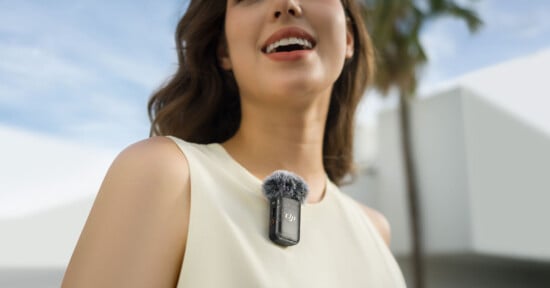
The DJI Mic 3 Transmitter weighs just 16 grams (0.56 ounces), a bit more than the DJI Mic Mini introduced last fall and less than the DJI Mic 2. The microphone angle can be flexibly adjusted using a detachable rotating clip, which DJI promises makes it easier to capture high-quality audio regardless of how the mic is attached.

The DJI Mic 3 windscreens are now available in five optional new colors, making it easier to match them to clothing or the environment.

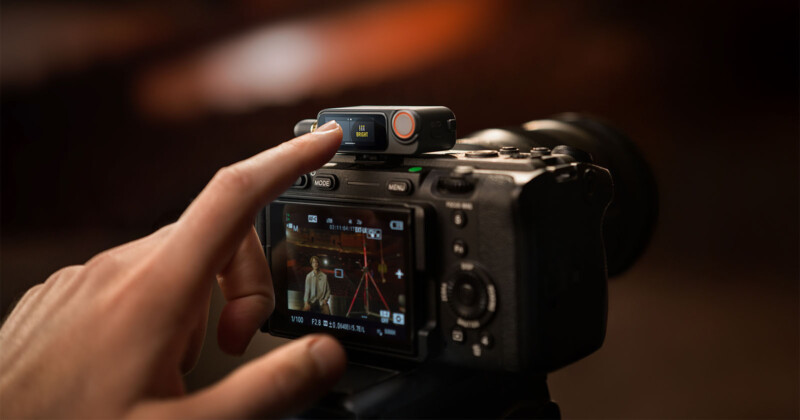

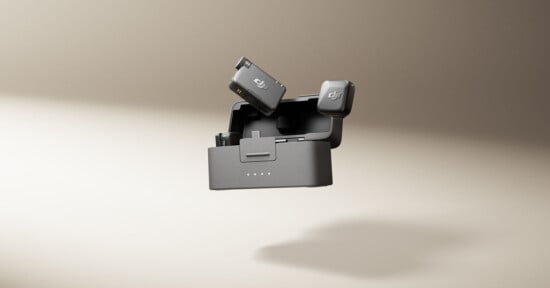
Like its OsmoAudio siblings, the Mic 3 ships in an all-in-one charging case. The case holds two transmitters and one receiver, and the transmitters can be stored in the case without removing the magnetic clip or windscreen. There is also space in the case for magnets and locking cables.
A fully charged Mic 3 transmitter promises up to eight hours of battery life, while the receiver can last for 10 hours between charges. The charging case provides 2.4 full charges for each, and a five-minute quick charge can power Mic 3 for up to two hours. A full charge from 0% takes about 50 minutes.
DJI promises that Mic 3 offers its best audio performance yet. Mic 3 includes two Adaptive Gain Control modes, a first for a DJI wireless mic. For outdoor environments with loud, dramatic volume, like sporting events, Automatic mode promises to suppress sudden volume spikes and prevent clipping. The Dynamic mode automatically adjusts gain as the volume changes, which DJI claims delivers consistent loudness across the board.
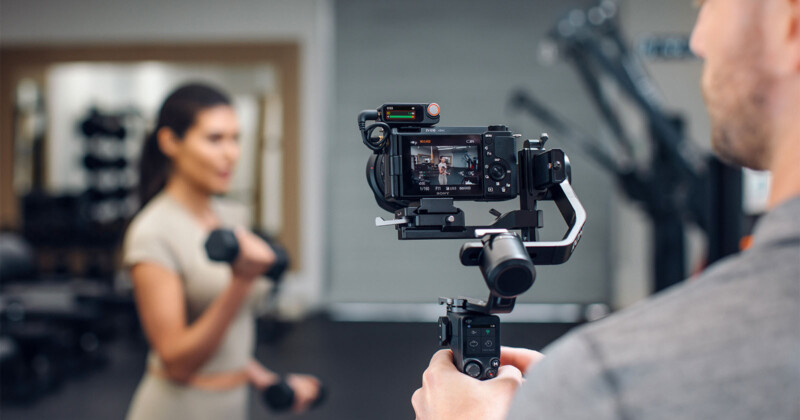

As for the new voice tone presets, Mic 3’s offerings include Regular, Rich, and Bright. These settings are designed for interviews, especially those with multiple people who have different voice characteristics, ensuring that each person is easier to hear and has a richer-sounding voice. The DJI Mic 3 records uncompressed 48kHz, 24-bit audio directly to its receiver via the Lossless Audio feature.
Mic 3 features dual-file recording, saving both the original audio tracks and their algorithm-enhanced versions. It also features two internal recording specifications: 24-bit or 32-bit floating point. DJI makes special note of its timecode data during internal recording. The company promises that within 24 hours, the timecode won’t deviate for more than one frame.
Since the Mic 3 can work with up to four transmitters and eight receivers at once — additional transmitters and receivers sold separately, of course — the DJI Mic 3 sports a new Quadraphonic mode. When the DJI Mic 3 Receiver is paired with select Sony cameras or compatible computer software, it supports the independent output of four audio tracks, promising precise track separation for more flexible and versatile audio mixing.

Mic 3’s wireless range is 400 meters (1,312 feet), and the system features automatic frequency hopping between 2.4GHz and 5GHz bands to maintain consistent transmission.
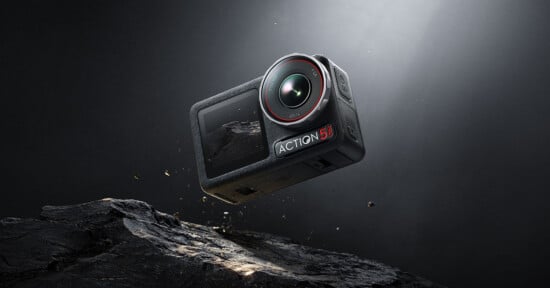
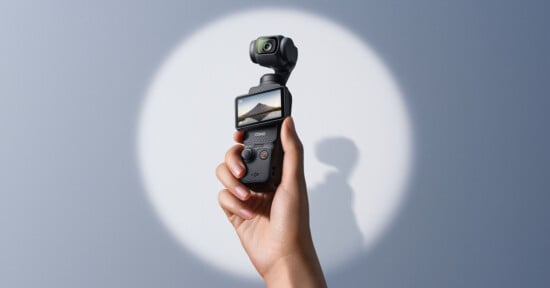
Like prior DJI Mic products, Mic 3 promises to be very simple to set up and use. Mic 3 pairs automatically with Osmo 360, Osmo Action 5 Pro, Osmo Action 4, and Osmo Pocket 3 without a receiver. To connect to other devices, such as cameras, Mic 3 features a locking 3.5mm TRS output port, a 3.5mm TRRS monitoring port, and a USB-C port. The Mic 3 works with many smartphones via Bluetooth, eliminating the need for a receiver.

Pricing and Availability
Like DJI’s last few product releases, DJI is not officially launching the Mic 3 in the United States, although some retailers are selling it now, including Adorama and B&H for $219 for the single transmitter version and $329 for the kit with two transmitters. However, elsewhere, the Mic 3 is available now for €199 / £169 in a base kit and €309 / £259 for a kit with the charging case.
Image creditsDJI
Affiliate Disclosure PetaPixel articles may include affiliate links; we may earn a commission if you buy through one.