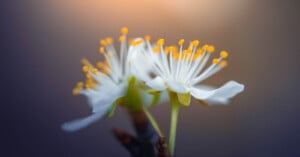
10 Tips on How To Photograph Spring Flowers
I love spring. Little flowers pop up everywhere -- in your garden, in nature, in parks, next to the roads: basically everywhere. And these flowers are great fun to photograph.
I love spring. Little flowers pop up everywhere -- in your garden, in nature, in parks, next to the roads: basically everywhere. And these flowers are great fun to photograph.
Before you start your photography business, there are a few essential things you need to have in place. Utilize this as a checklist to tell yourself that you’re ready to launch.
Milky Way season is the best time to learn how to plan and shoot an astrophotography timelapse, capturing the majestic galactic core in motion!

Snapchat is a popular social media app that makes it easy to keep in touch with friends and quickly share selfies, photos, and videos. With 382 million daily active users, it's also a great place to get brand exposure.
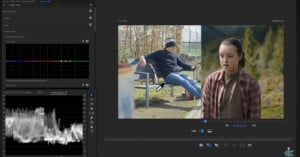
HBO's The Last of Us has been a smash hit for the network, with its recent season one finale drawing a season-high 8.2 million viewers, despite premiering against the Oscars. The television adaptation of Naughty Dog's popular The Last of Us PlayStation game has proven popular for many reasons, not the least of which is compelling and cinematic visuals.
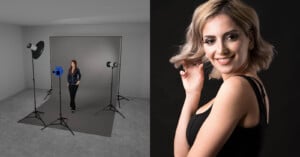
Loop lighting is a very common style of portrait lighting that is seen very often in portrait photography. In fact, if you’ve spent much time at all shooting in a studio, you’ve probably employed loop lighting without specifically trying to.

One of the greatest things about film photography is its friendliness toward do-it-yourself approaches. Want to hack together a working camera out of discount hardware store supplies? All the power to you! Want to shoot on art paper coated in a home-concocted emulsion, contact-printed using authentic techniques from the 1800s? Why not?
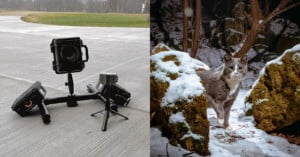
As a wildlife photographer, I'm always looking for ways to capture stunning images of animals in their natural habitats. One technique I've found to be incredibly effective is using a custom-made, DIY, DSLR camera trap, which is a camera setup that is triggered by the movement of an animal.

Headshot photography is an exciting and lucrative niche in the photography industry, and if you're looking to make a name for yourself as a headshot photographer, this article is for you.

Food photography is one of the easiest photography disciplines to start out with. You can arrange food however you like. It doesn’t scamper away mid-shoot and doesn’t get tired. It’s also relatively contained and easy to practice.
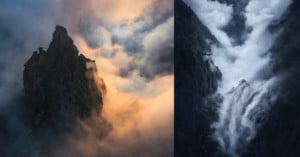
In order to capture moments above clouds or fog, you have to find them first. In some places, this can be an easy task, while in others it can be a rare occurrence.
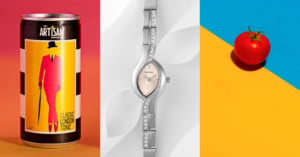
As a product photographer, I use paper in various different ways as a background for still-life photos to keep costs down for creative shooting. In this article, I'll show you how I do it and how you can do it too.

DALL-E is the AI image generation app that shocked the world by creating high-quality portraits and artistic paintings without using a camera, film, canvas, or brush.
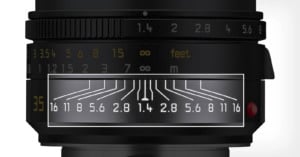
Zone focusing (ZF) is a great way to pre-set your camera's focus and aperture, then use that setting for multiple shots. Street shooters love it. And it's also great for sports, pets, jumpy kids, parties, or any subjects in motion.
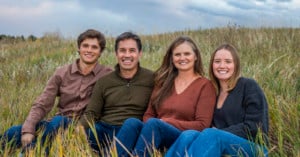
Great portrait photography is so much more than just about knowing how to work a camera. You can memorize your camera’s entire manual and still not be confident in a portrait shoot because most portraits require posing. Luckily, this is the right place to learn how to pose and become a better portrait photographer.

PictureThis is the most popular plant identifier app, and it works with the camera on your iPhone or Android phone. While the recognition of PictureThis isn't perfect, it generally proves to be remarkably accurate thanks to its well-trained AI.

We all know that headshot photography is all about capturing the essence of our subjects - their personality, character, and unique qualities that make them stand out. As headshot photographers, how do we really capture that magic?

The Big Camera Photography Museum is an epic landmark in Western Australia that houses a huge camera collection; the life's work of one man.
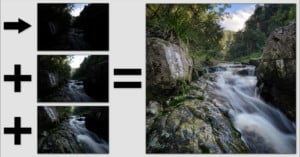
No doubt most of us have found ourselves in the following situation... You’ve discovered a beautiful landscape scene that you’ve carefully composed in your camera’s viewfinder. Your camera is on a tripod and there’s no wind, so you’re feeling confident that you’ll be able to capture everything in one shot with both a small aperture and a slow shutter speed. Things are looking great!

Physical photographs can be scanned with an iPhone and it's easy to get good results with a little preparation and attention to detail. There are several apps that you can use to speed up and simplify the process, each with a different approach. The app that's best depends on your particular needs.
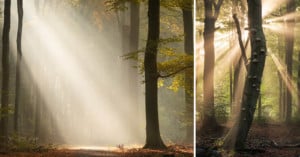
The Speulderforest (“Het Speulderbos” in Dutch) is a beautiful and serene forest, and one of the best ways to capture its natural beauty is through photography. It’s one of the more popular forests when it comes to woodland photography in The Netherlands.
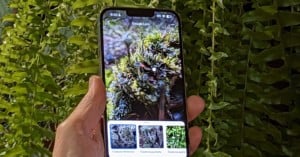
Reverse image search is an incredibly useful technology, allowing you to locate online photos that are an exact match or similar in some way to your own. It can also be used to search for products and places just by supplying a picture, even if it's an image that you found online. With the right app, it's possible to get a live result from your smartphone's camera.

I was born in early October, under the seventh astrological zodiac sign of Libra, which has a symbol of balancing scales.

The film photography revival is going strong but these pictures don’t just magically appear out of thin air! Eventually you need to develop your film so I put together this step-by-step guide to process black and white negatives at home. It’s easier than you might think!
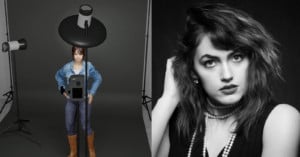
Butterfly lighting has long been a “go-to” setup for fashion close-ups as well as other portraits where one wants to emphasize cheekbones and frame the face in shadows from below the chin.
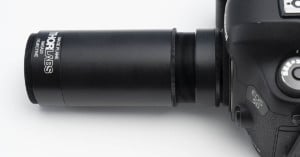
The Mitutoyo long working distance objectives are popular in macro photography, but often difficult to mount to a camera.
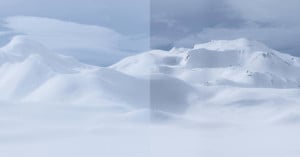
One of the challenges of photographing landscapes is creating images that reflect the right amount of depth and dimension. But sometimes it seems no matter how hard you try and how often you hear well-meaning advice from other photographers, the photos you take almost always come out darn flat.
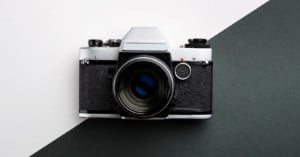
Film photography. It’s coming back, and more and more photographers are dusting off their old film cameras or going out on a search to purchase one. Many people don’t see the appeal and feel quite comfortable with their phone camera. But for others, it’s becoming the only way they create images.
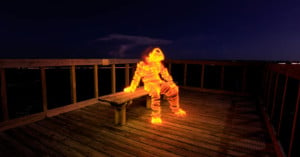
Light painting has become a popular technique in the age of digital photography. If you have always wondered how to do light painting photography yourself, you've come to the right place.
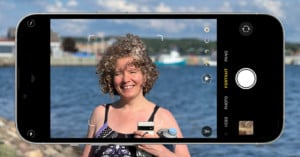
Your iPhone can nicely blur the background to enhance a photograph or video. A similar effect works well with video chat software, eliminating distractions and putting the focus on the subject. Whether you want to blur the background during a FaceTime call, snap a beautiful portrait photograph with your iPhone, or edit the background blur in pictures you've already captured, we'll explain how it works to help you get the blur you want from your iPhone.