Panasonic Lumix G9 9.1/10

[W]e consider the G9 the best camera Panasonic has made so far, particularly for enthusiast photographers who are mainly interested in shooting stills but also like to take high-resolution movies occasionally.

[W]e consider the G9 the best camera Panasonic has made so far, particularly for enthusiast photographers who are mainly interested in shooting stills but also like to take high-resolution movies occasionally.
There’s every reason to believe its successor will be equally popular, with the improved AF system, faster burst shooting with a larger buffer capacity, an updated image processor and a touch-sensitive vari-angle monitor making it competitive in the current market.
The X-A5 is a nice little snapshooters’ camera that provides above-average resolution for stills capture across a decent range of ISO settings.
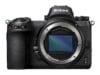
Nikon has made some worthwhile improvements to what was already a very good camera.
The inclusion of an EVF puts the X-T100 in a class above the X-A5 and makes it a more worthwhile purchase for outdoor photographers in the Southern Hemisphere, where bright sunlight can make monitor screens unreadable.
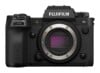
Fujifilm’s new X-Series flagship offers a more robust construction, improvements to the control layout and faster, more customisable and more accurate AF system, making the X-H1 a serious rival to high-end DSLR cameras.
Price-wise, the Z6 is more affordable for photo enthusiasts, particularly if they don’t require really high resolution and they can take advantage of its increased sensitivity range.
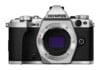
We’ve waited a long time for the E-M5 Mark III so it’s great to see the wait was worth it.
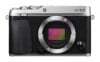
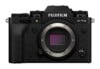
The X-E3 is designed for photo enthusiasts who want a compact and portable camera that provides all the necessary shooting controls but can also connect with a smart device for image sharing and remote operation.
It certainly looks the part and, for its price, is well built and generally well-designed.
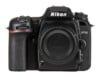
Owners of older Nikon DX cameras have more incentives to upgrade and should probably give the D7500 full consideration, particularly if they want higher resolution.
Canon’s EOS R camera is a fine bit of gear that is very pleasant to use and delivers excellent image and video quality. It has a sensible, well-designed user interface that is straightforward to operate and provides plenty of customisation options.
For photographers making their first investment in a mirrorless system, the EOS RP is a good choice.
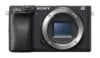
The relatively small size, light weight and weather resistance of the α6400 make it ideal for travellers.
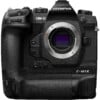
The results of our tests show the E-M1X to be a first-rate performer for an M4/3 camera and a better performer than rival professional-level sports cameras when it comes to stabilisation and autofocusing for still shooting.
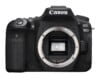
The EOS 90D is ideal for photo enthusiasts who prefer the look and feel of a DSLR body and would rather use an optical viewfinder than an EVF.
The X-H2S presents a nice balance between stills and video functionality and performance. In a class-leading position in both areas, it benefits from its stacked sensor design, which provides quantifiable improvements in speed – for both image processing and autofocusing.
Fujifilm’s new X-Series flagship is a quality performer, providing a quantifiable step-up from its predecessor through its in-body image stabilisation and higher-capacity battery.
The simplification of the M50’s controls will appeal to point-and-shooters. The auto functions provided sharp, well-exposed images and movie clips in our shooting tests, thanks in part to the improved autofocusing system.
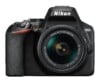
The D3500 represents very good value for money, particularly for beginners and those with tight budgets.
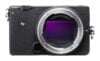
Sigma cameras are always interesting to review and the fp is no exception.
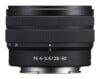
Sony’s FE 28-60mm f/4-5.6 lens lacks versatility and fast speed, however we’ve given it a ‘Recommended’ rating because of its compact size, light weight, optical performance, and its build is better than average for a kit lens.
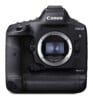
The EOS-1D X Mark III enables Canon to remain at the cutting edge of digital SLR technology and is a worthy successor to the Mark II model. The introduction of the HEIF file format and RAW video recording will help it to maintain this position.
Canon EOS R6 V offers professional level video capabilities, providing advanced video tools in a streamlined, creator-friendly 32.5-megapixel camera.