Canon EOS 90D 8.9/10
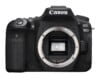
The EOS 90D is ideal for photo enthusiasts who prefer the look and feel of a DSLR body and would rather use an optical viewfinder than an EVF.

The EOS 90D is ideal for photo enthusiasts who prefer the look and feel of a DSLR body and would rather use an optical viewfinder than an EVF.
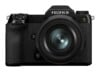
The X-H2S presents a nice balance between stills and video functionality and performance. In a class-leading position in both areas, it benefits from its stacked sensor design, which provides quantifiable improvements in speed – for both image processing and autofocusing.
Fujifilm’s new X-Series flagship is a quality performer, providing a quantifiable step-up from its predecessor through its in-body image stabilisation and higher-capacity battery.
The simplification of the M50’s controls will appeal to point-and-shooters. The auto functions provided sharp, well-exposed images and movie clips in our shooting tests, thanks in part to the improved autofocusing system.
The D3500 represents very good value for money, particularly for beginners and those with tight budgets.
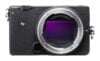
Sigma cameras are always interesting to review and the fp is no exception.
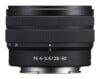
Sony’s FE 28-60mm f/4-5.6 lens lacks versatility and fast speed, however we’ve given it a ‘Recommended’ rating because of its compact size, light weight, optical performance, and its build is better than average for a kit lens.
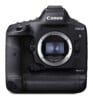
The EOS-1D X Mark III enables Canon to remain at the cutting edge of digital SLR technology and is a worthy successor to the Mark II model. The introduction of the HEIF file format and RAW video recording will help it to maintain this position.
Canon EOS R6 V offers professional level video capabilities, providing advanced video tools in a streamlined, creator-friendly 32.5-megapixel camera.
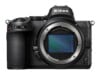
The Nikon Z5 is a great little camera that is fun to use and can take excellent photos.
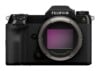
GFX100S is an ideal choice for commercial and wedding photography, particularly with one of Fujifilm’s excellent prime lenses. The 32-64mm zoom lens is a good match for the camera for ‘walkaround’ shooting, whether it’s street photography or fairly gently bushwalking.
Like its precursor, the GFX100S II is a great choice for commercial and wedding photography and, with a suitable lens, it’s also good for landscapes, cityscapes, product and food photography and even (at a pinch) street photography.
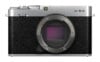
The smallest X-series model to date and weighing only 364 grams (442 grams with the kit lens), it has been designed primarily as a take-anywhere camera for photo enthusiasts and social media vloggers.
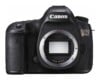
There’s no doubt that having more pixels to play with can be useful and the two 5DS are fine performers in our tests.
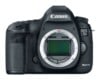
Given the success of its predecessor, the 5D III enters the market with an advantage, which it builds on by adding features that are genuinely useful to photographers as well as radically improving existing functions.
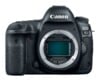
Add to that comfortable handling, fast autofocus, and strong performance in our image quality testing and you’ll see why we’ve awarded 5D Mark IV an Editor’s Choice in the Pro DSLR category.
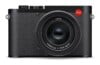
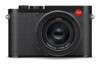
The Q3 continues Leica’s incremental improvements and is a capable, IP52-rated weather-sealed, fixed-lens, full-frame camera that delivers high performance in a compact body.
The Leica Q is a delightful camera to use ““ particularly for street and reportage photography, where its fast autofocusing and instant responsiveness and near silent operation place it in a class of its own.
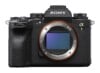
The Sony Alpha 1 provides a nice balance of sophisticated features and professional capabilities.
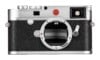
The latest Leica manual focus rangefinder camera offers 24-megapixel resolution in a compact body with simple controls, a manual ISO dial and a larger viewfinder.
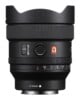
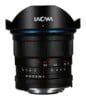
Photographers looking for an ultra-wide prime lens for their Sony full-frame camera should give this lens serious consideration. For the subject types it has been designed to shoot, it represents excellent performance and handling at a competitive price.
It’s robustly built (although a little unrefined in places), relatively light and portable and its 114 degree angle of view is challenging (and interesting to use) yet not too wide to be practical. It’s also competitively priced.
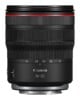
While the RF 14-35mm f/4 L IS USM lens is a stop slower than its main rival, it’s also considerably smaller, lighter, more affordable and covers a wider angle of view.
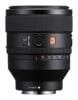
Because of its size and price, the SEL50F12GM will probably only be sought out by photographers who need high lens speed and/or a paper-thin plane of focus for seriously defocused backgrounds.