Nikon D7100 90%
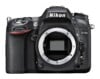
Features-wise the D7100 has plenty to offer for photo enthusiasts and boasts impressive specifications for its price tag.
Features-wise the D7100 has plenty to offer for photo enthusiasts and boasts impressive specifications for its price tag.
Superficially, Fujifilm’s X100S may seem like a minor update to its popular predecessor, the X100. But, below its smart, ‘retro’ styled exterior, some important changes have been made.
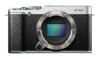
The Fujifilm X-M1 is the third model in the company’s Compact System Camera (CSC) line-up and targeted more towards snapshooters.
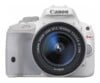
The relatively small size and light weight of the EOS 100D will make it a sought-after DSLR for travellers, bushwalkers and anyone who finds the current cameras have been too big and heavy.
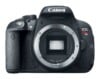
Like its predecessor, the EOS 700D will suit buyers who want a high-resolution DSLR camera that can record both still pictures and Full HD video clips.
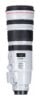
Canon’s EF 200-400mm f/4L IS USM Extender 1.4X more than satisfies the requirements of its target market.
Like its ‘sibling’ EF-M 18-55mm IS STM lens, this lens can only be used with Canon’s EOS M. It covers a range of focal lengths that will mainly suit landscape and architectural photography.
Regardless of which camera you choose, the D610 and D600 are very good consumer cameras and if you’re a Nikon user who wants ‘full frame’ format at 24-megapixels, either one would represent a good buy.
Twenty-four megapixels is more than most potential purchasers of this camera actually need and it’s significant over-kill for those who only shoot to share pictures on social networks.
These issues aside, Nikon is to be congratulated for developing the Df to suit an often neglected sector of the market, even though it has missed the target a bit, particularly with the timing of its release.
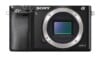
Like its predecessors, the ILCE-α6000 is a nice little camera with plenty of adjustable functions and a worthwhile range of upgrades and enhancements that make it better than the earlier models.
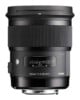
Photographers looking for a fast 50mm lens that combines durability with excellent image quality will find Sigma’s 50mm f/1.4 DG HSM Art lens should meet their expectations.
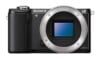
For an entry-level interchangeable-lens camera, the α5000 has a lot of advantages; it’s small and light, takes nice-looking photos and movies and comes with a reasonably competent lens.
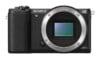
As a step-up from the α5000, the α5100 is targeted at photographers who want higher resolution for shooting stills and movie clips.
If you want detail that rivals the best DSLRs we’ve reviewed, Sigma cameras are hard to beat, but we think the Merrill alternative adequately satisfies this requirement.
The new camera steps into the flagship position in Nikon’s ‘pro-sumer’ line-up and makes an already capable camera just a little better.
For about $600 more than the price of the D610, the Nikon D750 gives you the EXPEED 4 processor, the AF and metering systems and shutter/mirror mechanism of the D810 and throws in Wi-Fi and a tilting monitor screen with higher resolution.
This isn’t a camera for the technologically-challenged user. Those who are up to the challenge, however, are likely to be well rewarded.
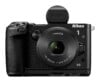
Although its still imaging performance is excellent for its relatively small sensor size, it’s difficult to recommend the Nikon 1 V3 enthusiastically [...]
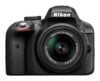
Like its predecessor, the D3300 offers plenty of desirable features for photographers wanting to upgrade from fixed-lens point-and-press cameras.
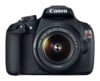
The EOS1200D is easy to operate, works well in auto mode and, with the aid of the Canon EOS Companion app, capable of providing the assistance novice users need to ease them from simply snapping shots to creating pictures.
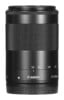
Despite being relatively slow at its longer focal lengths, the EF-M 55-200mm f/4.5-6.3 IS STM lens is small and light and relatively inexpensive. It delivers good centre sharpness but suffers from edge softness.
From the start we felt the GH4 could be the most significant camera Panasonic has released so far, and after using it for almost two weeks we believe it will be a genuine game-changer.
The EOS 7D Mark II body is also closer to pro-level than its predecessor and in many respects comparable to the EOS 5D III’s.