I’m hard pressed to think of a better option for APS-C shooters at the moment, particularly if you value having an F2.8 aperture.

I’m hard pressed to think of a better option for APS-C shooters at the moment, particularly if you value having an F2.8 aperture.
This is a lot of lens for the $699 USD price point. We’ve got excellent autofocus, a very nice build, and a strong optical performance.
The Fujifilm GFX100 II goes a long way towards fulfilling Fuji’s goal of making medium format as accessible as their smaller format cameras.
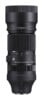
The Sigma 100-400mm F5-6.3 DG DN OS is a perfect example of the role that Sigma can and should play in the Fuji marketplace – a quality mid-tier option that offers 90% of the first party lens at a much cheaper price.
If you don’t mind a slightly larger lens, however, then the Viltrox Pro AF 27mm F1.2 is going to be a new favorite that you may have a hard time taking off your camera.
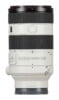
In fact, the new Sony 70-200mm F4 Macro G OSS II is pretty much good at everything.
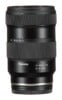
The Tamron 17-70mm F2.8 Di III-A VC RXD is a welcome addition to the Fuji X-mount standard zoom options.
The Fujinon XF 8mm F3.5 WR is evidence that there are still some unique lenses for Fuji to build for their X-mount platform, and I feel like they’ve nailed the formula here.
There is a market for this lens, but I would only recommend buying if you are seriously interested in powerzoom.
The Sigma 14mm F1.4 DG DN | ART is an astrophotographer’s dream lens.
The FUJIFILM X-H2 is my favorite Fuji APS-C camera to date, and the new 40MP sensor is definitely a standout.
The Canon EOS R6 MKII is a great camera that is destined to be very popular and makes me anticipate what Canon does in the next generation of my beloved EOS R5.
This is the new gold standard for every other fast telephoto zoom to aspire to.
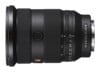
The Sony 24-70mm F2.8 GM II is, put simply, the finest standard zoom I have ever used.
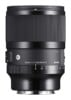
Those that opt for this new Sigma will find a very strong performing lens. It focuses very quickly, has great wide open sharpness, and has very nice bokeh rendering even if not quite as gorgeous as the G Master.
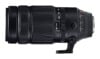
The Fujinon XF 100-400mm F4.5-5.6 R LM WR OIS is no longer a new lens, but neither is it completely outclassed by the new 150-600mm OIS.
The long list of improvements on the a7RV basically check off every box that I would look for in this class of camera, and, much like the a7RIII, I feel like the a7RV is the upgrade that many people are looking for who might have skipped the a7RIV upgrade path.
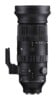
The Sigma 60-600mm F4.5-6.3 DN OS | Sport is a very welcome addition to telephoto zoom options available on Sony or Leica L.
All told, the optical performance of the Viltrox Pro 75mm F1.2 is actually rather special. There are few APS-C lenses that I’ve tested that I like better as a portrait lens, and I feel like the image quality well surpasses the price point of $549.
The Fujifilm GFX 100S is very possibly the most compelling entry in the medium format space at the moment, and that’s great news for Fuji.
[...] I’ve long recommended the 18-150mm lens on the EF-M mount because of its versatility, compact size, and reasonable image quality.
[T]he Canon EOS R7 is a lot of camera for a reasonable amount of money. It has a lot going for it, from the blistering burst rate in either mechanical (3FPS faster than the EOS R3) or electronic shutter mode to the excellent, high resolution 32.5MP sensor.
The title to my video review is that the Canon RF 16mm F2.8 STM is fun, flawed, and useful.
At the end of the day I think that for the target audience this is an amazing camera.