Olympus OM-D E-M1
Announced September 10, 2013
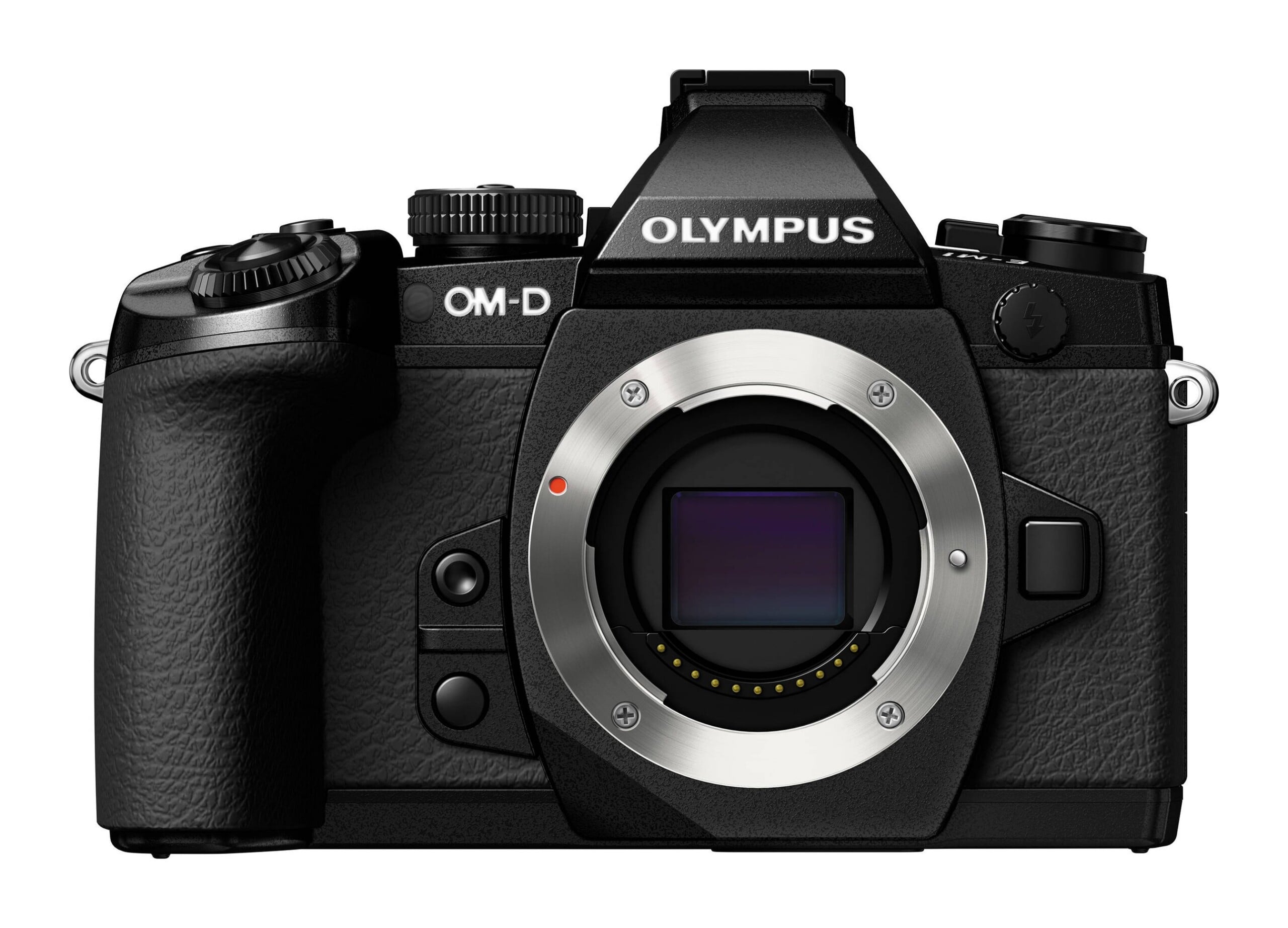
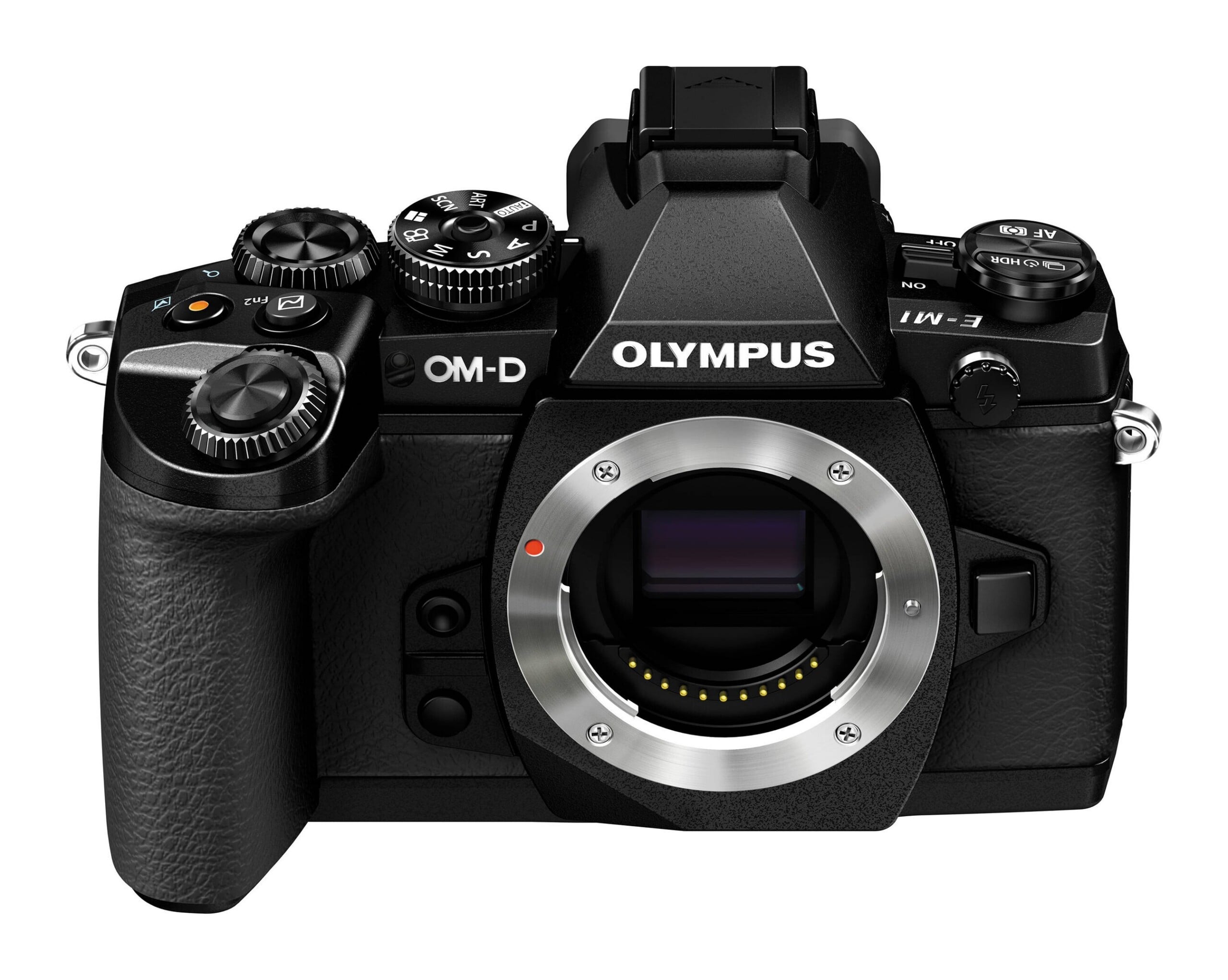
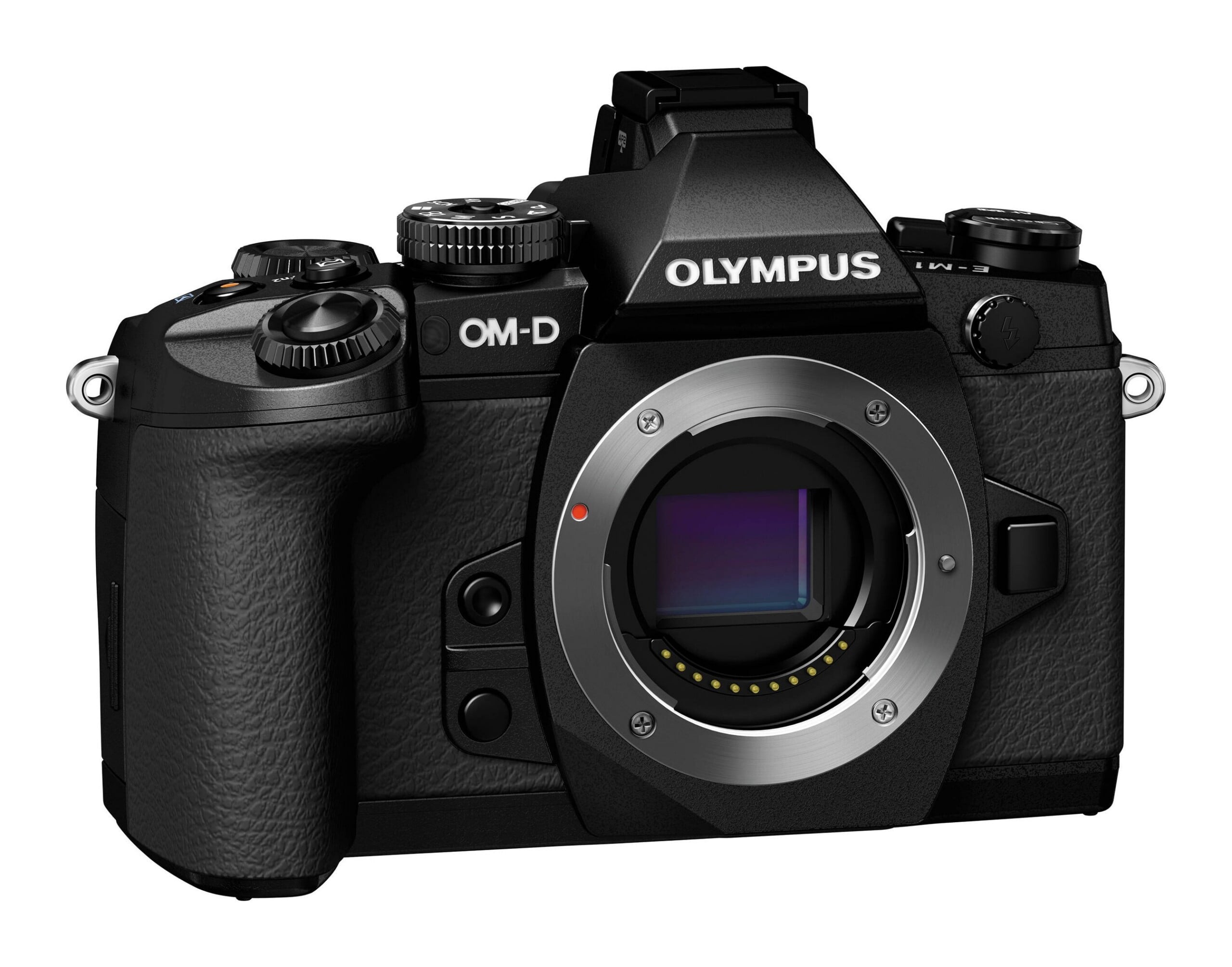
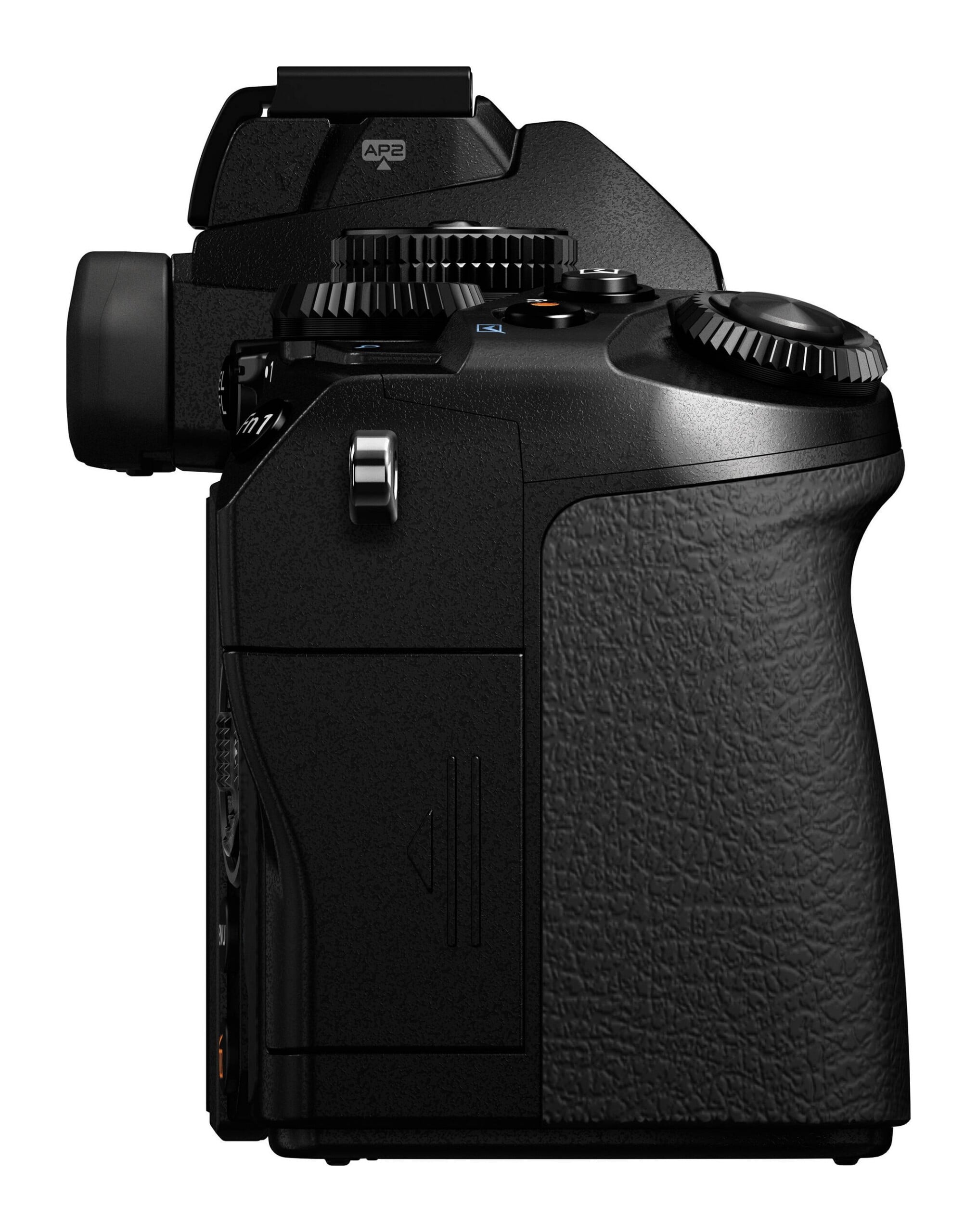
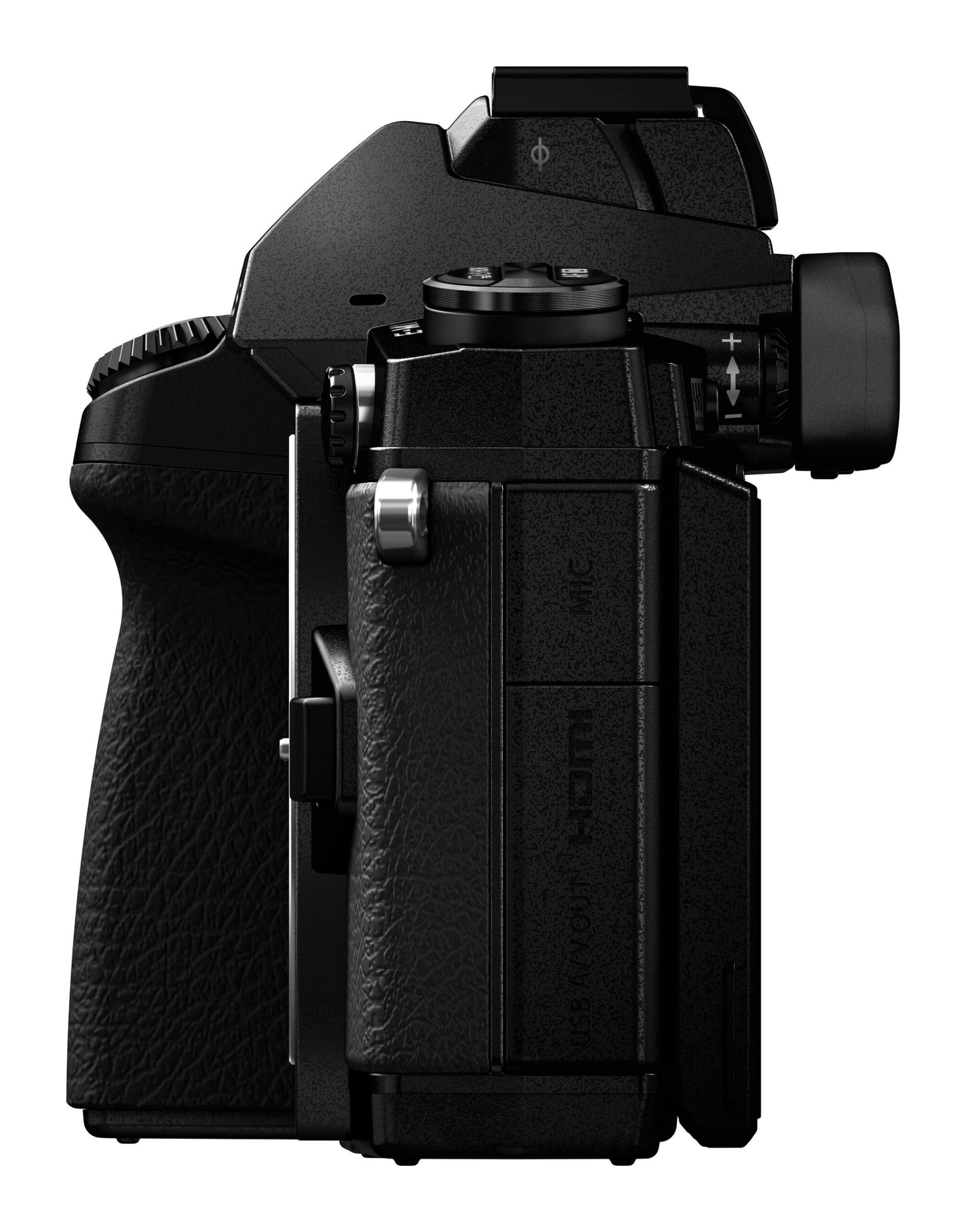
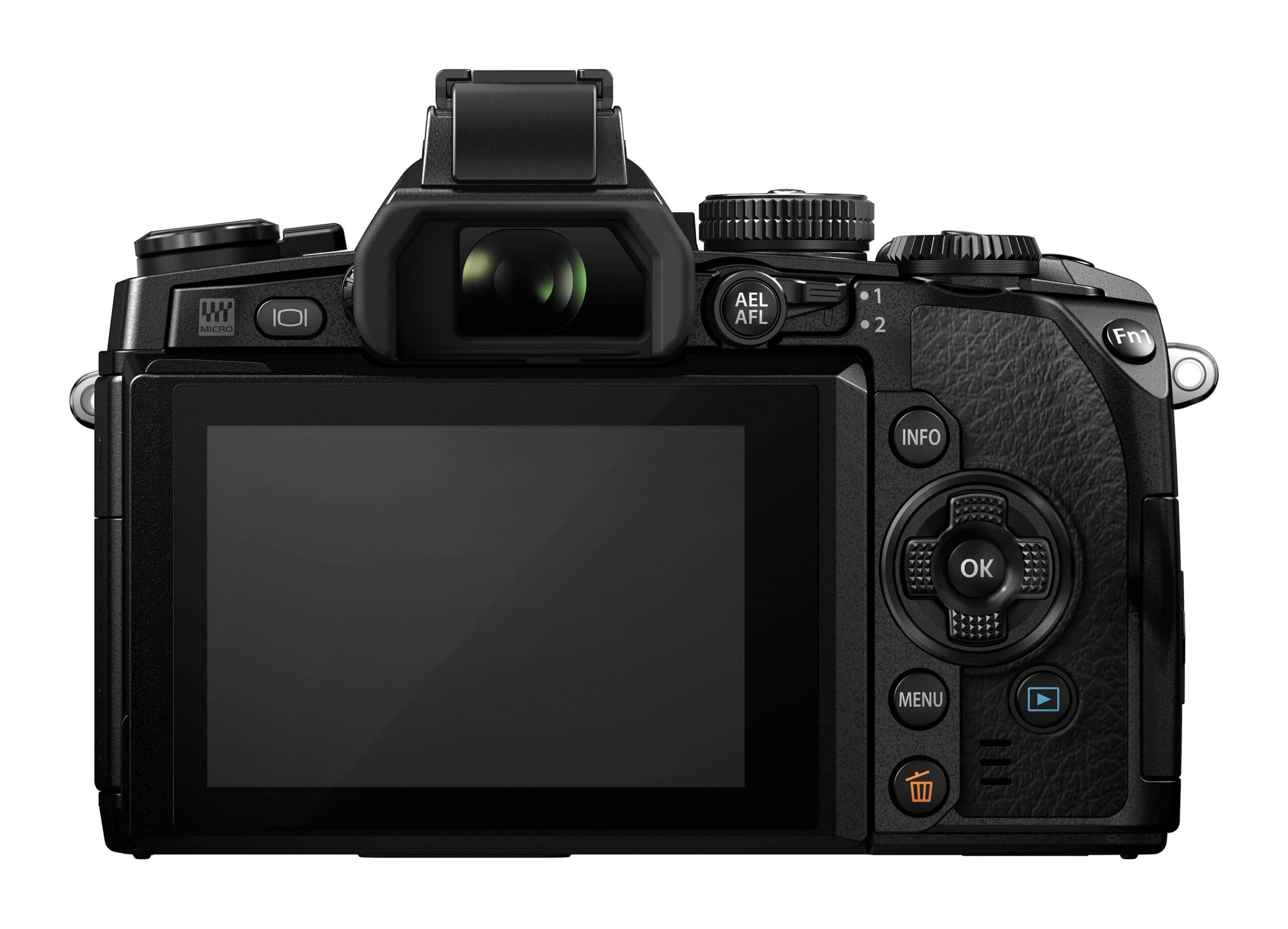
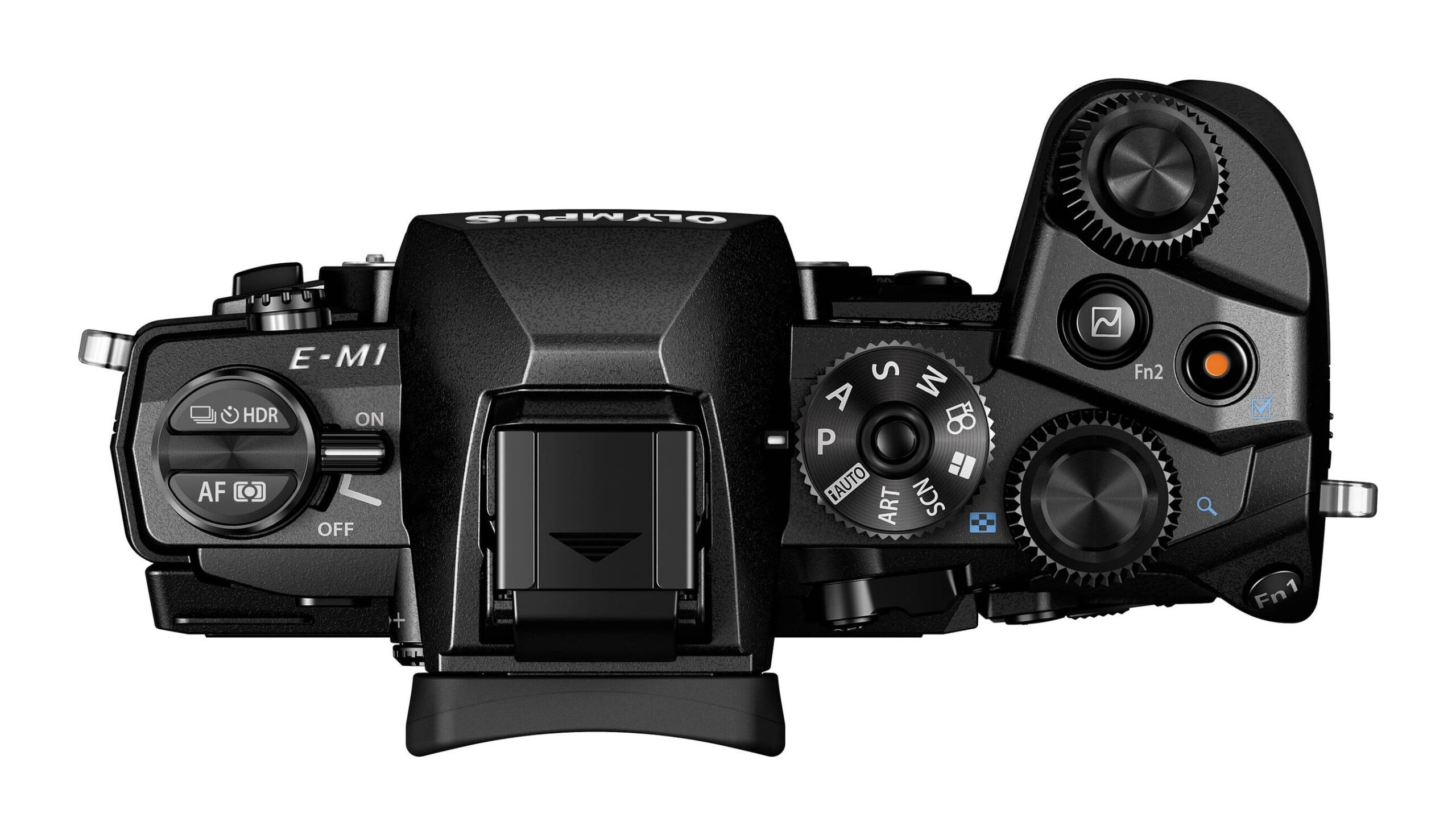
PixelMeter The PixelMeter is our 1–100 aggregate of reviewer scores from trusted publications and creators. Weighted by source tier — not a raw average, and not PetaPixel’s own review.
Reviewer Consensus
Strong


The Olympus OM-D E-M1 is a robust, weather-sealed camera that offers professional-grade features and excellent image quality in a compact, ergonomic body. While it excels in still photography and handling, some users may find its menu system complex and its video capabilities limited compared to modern alternatives.
Weighted from 35 reviewer scores
Pros
- Exceptional ergonomics, comfortable grip, and highly customizable physical controls
- Rugged, weather-sealed, and durable magnesium alloy construction
- Industry-leading 5-axis in-body image stabilization
- High-resolution, bright, and responsive electronic viewfinder
- Fast autofocus performance and high-speed burst shooting
Cons
- Deep, overwhelming, and complex menu system
- Limited video features, including 30p frame rate and lack of advanced codecs
- Single memory card slot and mediocre battery life
- High price point relative to competing systems
- Awkward placement of power switch and certain function buttons
- Launch price $1,399.99 (USD)
- Sensor 16.3MP Micro Four Thirds CMOS
- Video 1080p 60p 4K 0p
- Stabilization In-body IS, 4 stops (CIPA)
- Burst 60 fps electronic 10 fps mechanical
What the Reviewers Say
All 35 expert reviews, weighted into the PixelMeter score.
Is this product missing a reputable review? Share a link to a review article or YouTube video for consideration.
- DPReview 84/100
In most respects the E-M1 does a good job bridging the gap between a traditional DSLR and a Micro Four Thirds camera.
-
In the end, the question isn’t if the Olympus E-M1 is an excellent camera. It most certainly is, ranking as one of the best we’ve tested this year.
-
I’ve said it before and I’ll say it again: the Olympus OMD EM1 is a triumph, a highly satisfying camera that I can highly recommend to anyone who wants semi-pro performance and handling without the heft of a traditional DSLR.
-
Without a doubt, the Olympus OM-D E-M1 is the culmination of innovation and finest technology, coupled with a beautiful and functional retro design, along with advanced features that are not even found on high-end DSLR camera systems today.
-
The Olympus OM-D E-M1 is one of the best micro four thirds-system cameras yet, so if this test makes it look like a serious camera, that’s because it is.
-
The Olympus OMD E-M1 packs great features into a small body and leaves very little to be desired for a wide range of photographers.
-
The E-M5, its predecessor, was one of the most loved mirrorless cameras on the planet, and for good reason. Looked nice, it shot well, it had great features, everything about that camera is here or it's even better.
-
The Olympus OM-D E-M1 delivers an excellent package with all the features you could want and more.
-
The slightly larger Olympus OM-D E-M1 addresses these issues by providing more real estate, bigger controls and a redesigned user interface, which works exceedingly well.
-
Throw in a class-leading EVF, image quality that’s a match for some high-resolution APS-C sensors and AF performance as good as any CSC on the market and you have to say that the Olympus E-M1 will be at the top of many a shopping list.
-
With gorgeous images—even in low light, incredible speed, and a wealth of high-end features, the Olympus OM-D E-M1 is the best Micro Four Thirds camera that money can buy.
-
This camera delivers high quality, correctly exposed images with plenty of detail, good colour and well-controlled noise.
-
Put simply, the E-M1 is not just one of the best system cameras around at the moment, but one of the best cameras full stop.
- Digital Trends 8/10
For everyone else, in this price range, we feel you should definitely look elsewhere unless you’re an existing Olympus user who has an extensive collection of M.Zuiko and Zuiko glass.
- CNET 8.2/10
While it’s a really great camera for the money, with excellent raw photo quality, a host of useful.
-
How can these two great improvements (ISO and stabilisation) translate in a real-world situation? Well, it means that I can raise the ISO on the E-M1 more than I can on the E-M5.
-
If you really need need the much larger files, slightly better exposure range or low-light performance of a full-frame camera, or if you can’t live without 1024p or 1060p video, then the E-M1 may not be for you.
-
As much as I joke about the way it looks, this is a good camera, and it's topped off with Wi-Fi, which any other good mirrorless camera has nowadays, and this is a seriously cool feature for people who like to fiddle.
-
Olympus may not have made the prettiest camera with the E-M1, but they’ve made one heck of an imaging machine.
-
I am anti-flash even though I know it is good to have on some occasions. But as an enthusiast and a passionate photographer who has seen it all and used them all, I can say with confidence that the OM-D E-M1 is one of the best cameras “as a whole” that I have ever reviewed.
-
Should E-M5 owners upgrade to an E-M1? Probably not, especially if they’ve got the optional battery grip.
-
It's highly responsive, it's very fast.
-
Taking over from the first OM-D, the E-M1 delivers nearly impeccable performance worthy of its flagship status.
-
[I]t is a true professional grade camera, the first of its kind, laying the groundwork and foundation for future mirrorless cameras to come.
-
For some users, it may even be “there.” The two warts in the E-M1 are (1) complexity of menus/customization, and (2) not-quite-DSLR focus performance.
-
The OM-D E-M1 is a serious investment, but if you want the experience of a professional camera without the bulk and weight a DSLR, then you should absolutely pick it up.
-
Why you’d buy the Olympus OM-D E-M1: excellent stabiliser for video shooting; arguably the best Micro Four Thirds camera on the market.
-
Sensor technology has evolved significantly; the previous generation of 16MP cameras had more than enough.
-
Now that I've been using this Olympus OM-D E-M1 after so many years, it still feels good in my hand, very robust, solid, and certainly very professional quality camera.
-
Seen in this light, the camera is a worthy competitor to the Sony A7R. Video performance is better overall, and that stabiliser is indispensable.
-
I'm going to definitely give this a buy, especially since right now Olympus has cut $200 off the price of it.
-
Even years after its release, the Olympus OMD EM1 holds up as a powerful, versatile camera that punches well above its weight.
-
The Olympus OM-D E-M1, gentle people of the audience, is a freaking awesome camera.
-
The range of lenses available, as well as its ruggedness for adventures in the outdoors, is fantastic. And you cannot beat the in-body stabilization.
-
If I was doing a lot of traveling I would definitely have no problem leaving my 5D mark iii behind and taking an E-M1 instead.