It behaves as you’d expect, when you’d expect, with no surprises or glitches.
It behaves as you’d expect, when you’d expect, with no surprises or glitches.
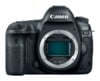
I have had such an educational experience with my brief encounter with the Canon 5D original. [...] But photography is not about using the latest, best, fastest and most powerful camera.
Focusing was just as quick and reliable as any other native lens I have used before.
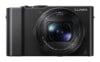
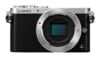
I’d say the LX10 is perfect for those who want a high performance camera with significantly better image quality over their smartphones, without the pain of a DSLR/Mirrorless system.
On my trip to Iceland last year, I carried a record low amount of equipment for a shoot of this type – but felt like I wasn’t missing anything (and better yet, had no hassles with carry on). What’s not to like?
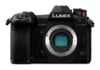
The Panasonic Lumix DC-G9 is highly recommended for Micro Four Thirds shooters who want the best for all photography needs. And for those looking to venture into mirrorless from the DSLR camp, the G9 should sit high on your list of considerations.
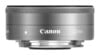
I can confidently say, that for Canon EOS-M users, the Canon 22mm F2 STM pancake lens is a must have in your camera bag. This is a no-brainer upgrade from the kit lens, giving you improved results and a better shooting experience.
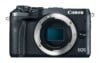
The Canon EOS-M6 is a mirrorless camera capable of delivering excellent images. It left me impressed with the speedy AF performance, pleasing Canon colors and overall shooting experience.
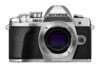
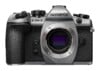
[T]he E-M10 Mark III is a fun everyday camera that hobbyists and anyone can surely enjoy using, while getting great straight out of the camera results.
[T]he operational, haptic, shooting envelope and operating experience side of things gets top marks.
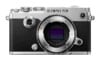
[...] I enjoyed shooting with the PEN F. It’s sized right, feels right, and responds well. The camera part just gets out of the way and lets you concentrate on shooting.
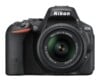
[T]he D5500 lacks a lot of bells and whistles, but perhaps because of that it is a very good camera; it gets the photographic part of things very, very right.
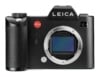
I admit I find myself somewhat conflicted with the SL: with a few firmware tweaks (fast exposure compensation mainly) and a chunkier handgrip, this camera would be pure joy to shoot.
You can also add another 0.5-1 stop since there’s an electronic front curtain shutter, too.
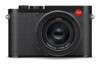
Like the very best tools, the Q is a camera that both encourages you to use it, is enjoyable and transparent in operation and rewards you with its results.
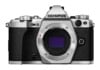
[I]t’s a good all-round choice of entry into M4/3, and despite of all its flaws, the E-M5II in fact delivers rather well on my original usage intention: handheld video for family and casual use, with an occasional still grab.
Aside from those actually relatively minor things, it’s probably the best all-round camera you can buy right now.
It somehow manages to be a polarizing camera even relative to itself.
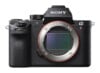
I honestly enjoyed shooting with the A7II, far more than I thought I would.
Perhaps it’s like Goldilocks: just right, and highly recommended.
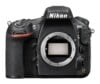
This earns it a ‘highly recommended’ rating from me, with one caveat: if you shoot primarily flash/ studio work, this is probably not your camera because of the slow 1/125 flash sync.
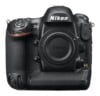
The Nikon D4 might be old news now that the D4s has been around for a couple of months, but given the diminishingly incremental improvements between each cycle, there’s less of a penalty for opting for an older camera than you might think.
[I]mage quality is better than adequate, and a big step above any of the small sensor (including 1″) compacts – even with the kit pancake.
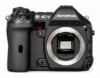
I wouldn’t recommend any serious photographer go out and buy one now – Four Thirds seems like a stagnant, if not completely dead system – but maybe it actually makes sense for a beginner to consider, especially if they’re not printing.