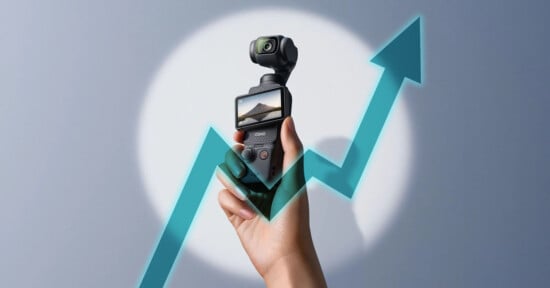
DJI Holds a Whopping 73% of the Video Camera Market
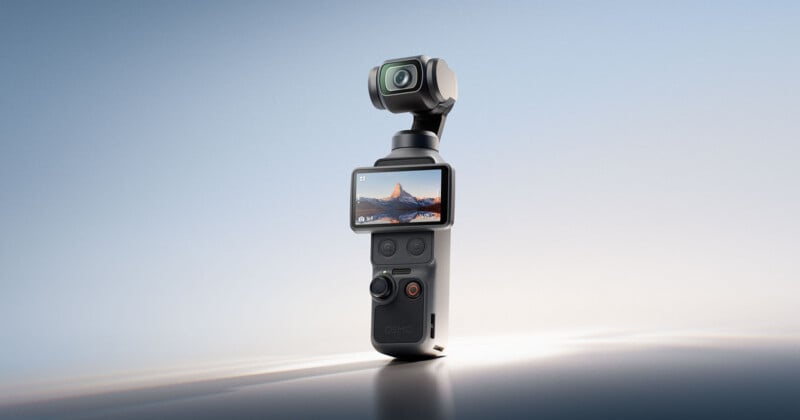
As Japanese retail analyst BCN+R described earlier this year, DJI had a massive market share in the video camera market in 2025. The Chinese tech company’s dominance has only strengthened so far in 2026.
DJI’s video camera market share has grown from 64.7% in 2025 to 72.5% now, a high watermark for the company, thanks largely to the new DJI Osmo Pocket 4 content creator camera released last month. There’s even already a dual-camera version designed for pros on the way, the Osmo Pocket 4P. As BCN+R reports and Digicame-Info spotted, the Osmo Pocket 4 has “been selling like hotcakes.” It is picking up right where its predecessor left off.
The Osmo Pocket captured 21.5% of April’s total video camera sales in just nine days on the market. Overall video camera sales in April across BCN+R’s retail network in Japan were up 132.5% year over year.
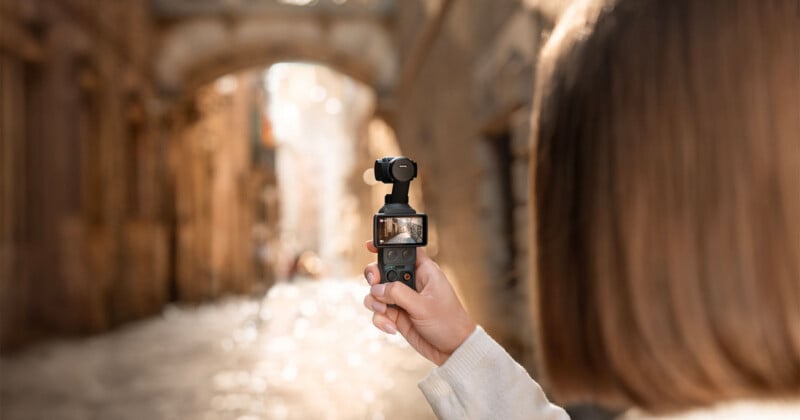
It’s not just the Osmo Pocket 4 that has propelled DJI in Japan, either. The next three best-selling video cameras are all DJI models, the Osmo Pocket 3, the Osmo Action 4, and the Osmo Nano. Insta360’s Go Ultra landed in fifth spot.
DJI’s video camera market share has only dipped below 50% for one month in the past year, and that was a 46.8% share last September. It has been an exceptional run that echoes DJI and Insta360’s stranglehold over the dedicated action camera market.
DJI’s utter dominance in Japan makes the company’s current issues with the U.S. market all the more notable. Many of DJI’s recent products have not yet reached the American market. Last year, it was because of various issues with imports and then new FCC restrictions, which DJI is contesting through the legal system now. Lately, DJI has said that new products aren’t available in the U.S. due to pending authorization.
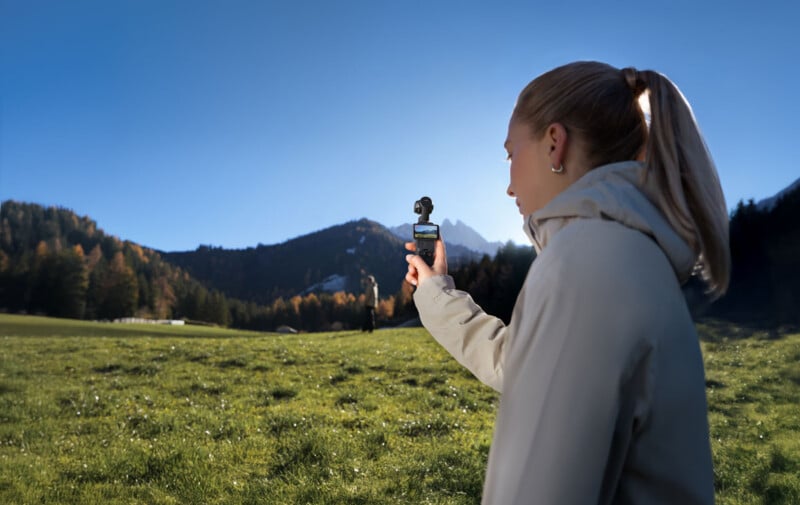
DJI has tried creative ways to navigate these various restrictions, and some products have still managed to be sold through authorized retailers. But there’s no question that the current situation for DJI in the U.S. is not only untenable but also costing the company serious money. The Osmo Pocket 4 is one of the best-selling cameras on the planet right now, and one of the largest markets cannot purchase it. That has to hurt DJI’s bottom line.
Nonetheless, the primary takeaway here is that DJI’s market share in Japan is staggering. It’s really unlike anything the industry has seen before.
Image creditsDJI
Affiliate Disclosure PetaPixel articles may include affiliate links; we may earn a commission if you buy through one.