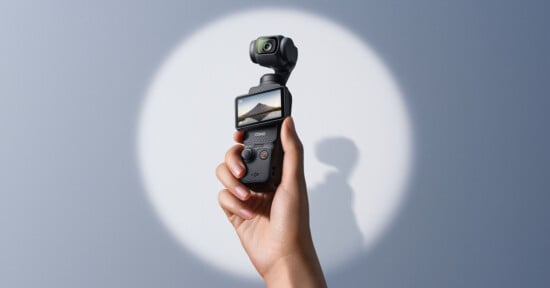
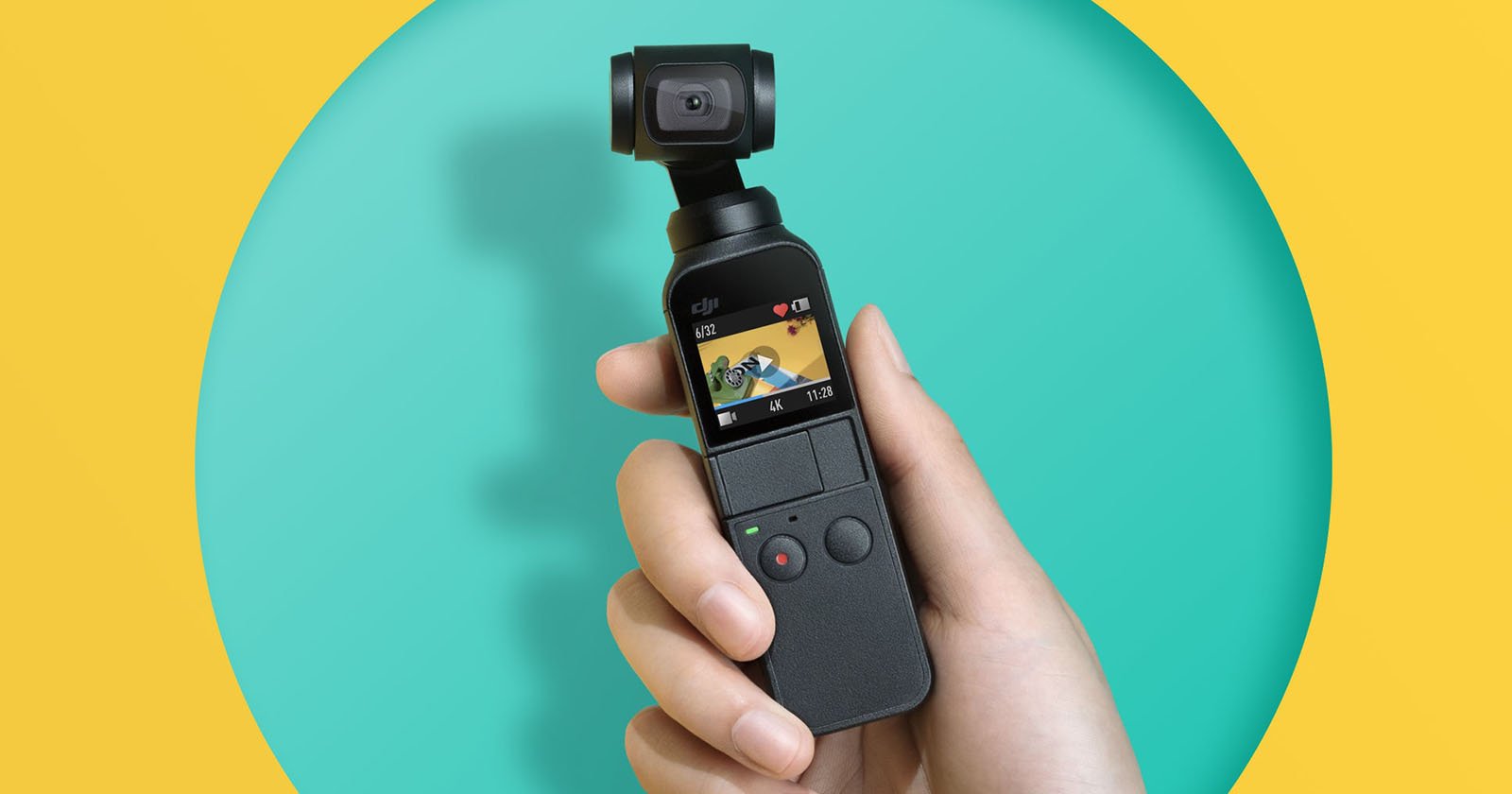
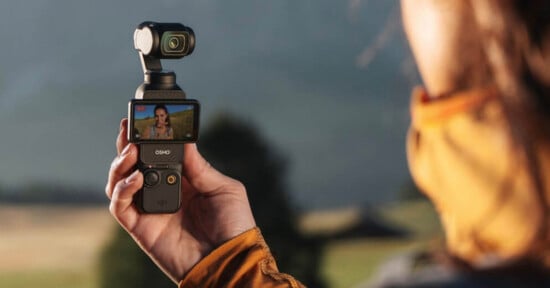
The DJI Osmo Pocket 4 Isn’t Available in the US, and It Might Never Be
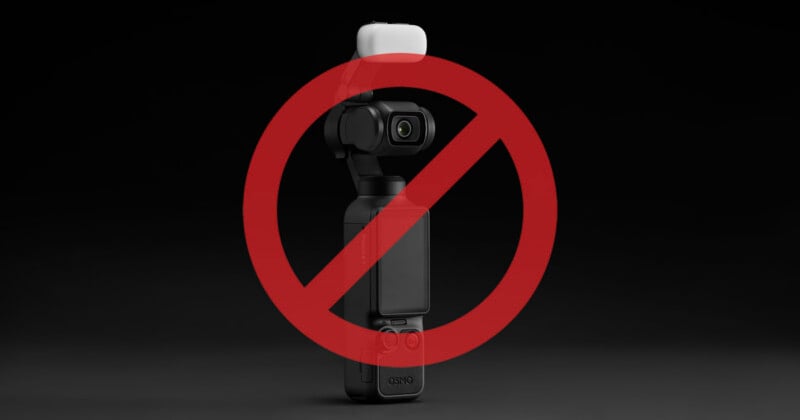
For a year now, DJI has been issuing notes at the end of its product launch press releases saying that its drones and cameras weren’t officially available from its US-based web store. But at the same time, US retailers did still find a way to stock the products. With the Osmo Pocket 4, that changed.
As of this morning, neither of the two major countrywide photography dealers in the US — B&H Photo and Adorama — have the Osmo Pocket 4 in stock. It’s not at Best Buy, Target, or any other big box retailer either. That’s a distinct change, as DJI’s previous products have been immediately available, although often with reduced stock quantities, despite not being on DJI’s official website.
For example, the DJI Avata 360 is listed on B&H, as is the Mavic 4 Pro — both drones that DJI doesn’t make available to US customers directly.
This shift follows a distinct language change from DJI regarding product availability. Previously, DJI stated that its products wouldn’t be “officially” available through its online channels. Today, the wording is a lot more specific:
“The Osmo Pocket 4 will not be available in the US market as the application for authorization is still pending.”
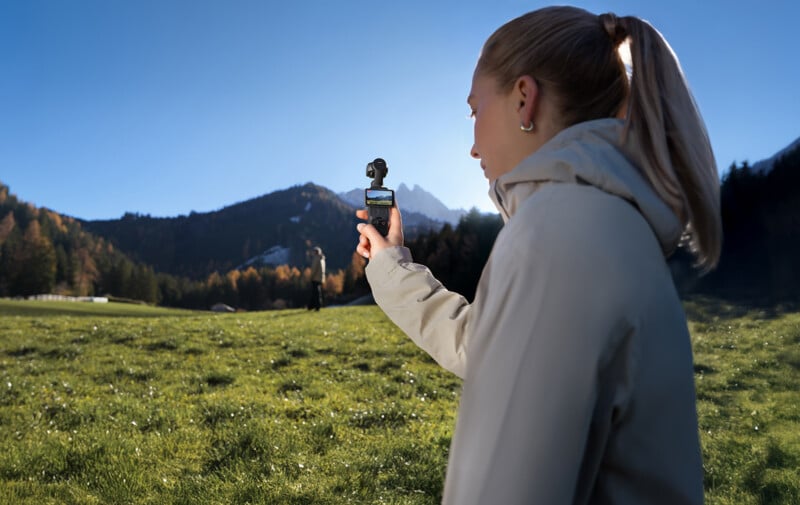
In short, this is the first DJI product that has been denied entry into the United States and, theoretically, is the start of a new normal: US residents won’t be able to purchase any new products from DJI going forward, unless they received approval last year or something changes.
That “something” is how the United States Federal Communications Commission (FCC) treats DJI. Last December, it added DJI to what it calls the “Covered List,” which banned it from importing all drones and drone parts. DJI has sued.
“The decision to list DJI’s products is procedurally and substantively flawed. The FCC can add products to the Covered List only when they present a national security threat, yet it has never identified any threat associated with DJI or its products. Despite repeated efforts to engage with the government, DJI has never been given the chance to provide information to address or refute any concerns. These procedural and substantive deficiencies violate the Constitution and federal law,” a DJI spokesperson told PetaPixel in February.
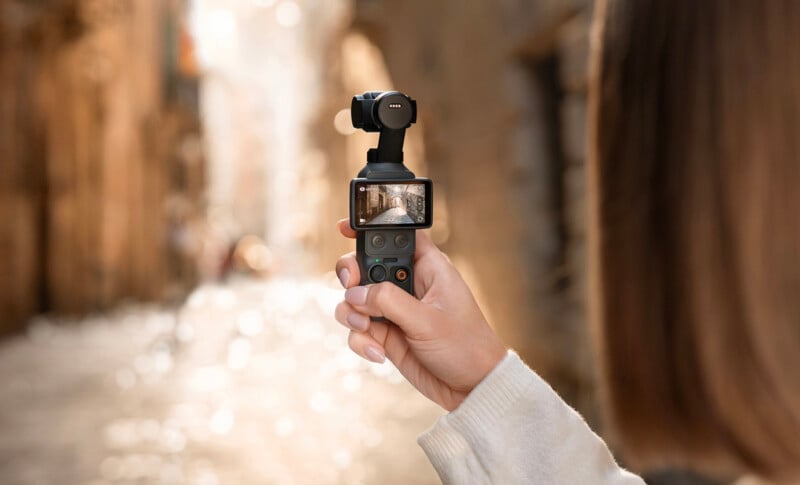
But the problem goes beyond that, as DJI is effectively banned after the US government declined to even show up for its own federally mandated audit of DJI’s business — a mandate that was originally issued back in late 2024 and needed to be completed by December of last year. That audit never happened, despite DJI regularly reaching out to all the relevant US government agencies and begging one or all of them to perform that audit.
“If no agency steps forward and completes the review by the December 2025 deadline, the NDAA provision could trigger an automatic ban on DJI – through no fault of our own, but simply because no agency chose to take on the work of reviewing our products,” DJI said at the end of 2025.
But none of them did, and the automatic ban was triggered.
Until the US government decides to change how it operates (and there is no reason to believe it will), DJI won’t be able to import any new products unless they received approval last year (which might be the case with a drone DJI teased earlier this week). So, if US-based content creators want to purchase an Osmo Pocket 4, they’re out of luck and will have to be satisfied with the Pocket 3.
Image creditsDJI
Affiliate Disclosure PetaPixel articles may include affiliate links; we may earn a commission if you buy through one.