DJI Osmo Pocket 4 Has 4Kp240, Better Photos, and More Dynamic Range
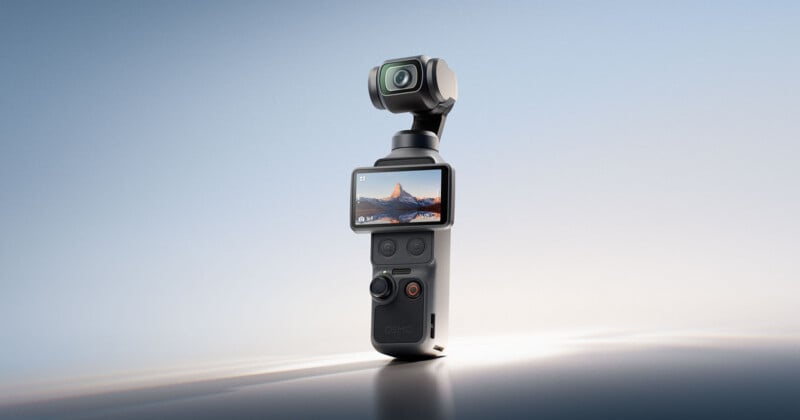
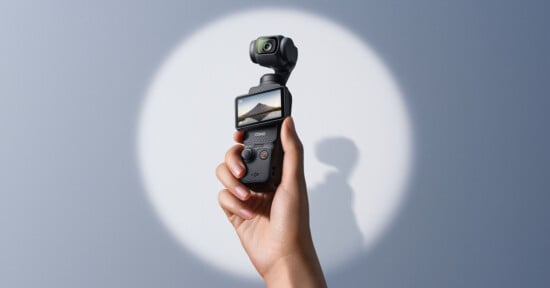
After teasing the Osmo Pocket 4’s slow-motion video capabilities last week, DJI has fully unveiled its new pocket gimbal camera. Although the upgrades are relatively small, they may prove very useful for some creators.
Like the extremely popular Osmo Pocket 3, the Osmo Pocket 4 features a familiar Type 1 image sensor. The sensor is still paired with a 20mm (equivalent) f/2 built-in lens. However, there are imaging upgrades here.
The Osmo Pocket 4 can capture 37-megapixel photos, while its predecessor capped out at a 9.4-megapixel single shot. It also offers new, shorter self-timer options.
Arguably, the headline-grabbing improvements relate to video features. The Osmo Pocket 4 can capture 4Kp240 video, up from 4Kp120 on the Osmo Pocket 3. This enables 10x slow-motion at 24p playback, or 8x at 30p.

DJI also promises an expanded 14-stop dynamic range with its true 10-bit D-Log profile, promising improved tonality and colors across diverse lighting conditions. The company also promises improved low-light image quality and better skin tones. As a reminder, the log profile in the Pocket 3 was not a “true” log, so for those looking for a better color grading experience, the Pocket 4 will be a noticeable upgrade.
The native ISO range has changed on the Pocket 4. Photos, videos, and slow-motion videos can now be shot from ISO 50 to 12,800, up from 50 to 6400 on the Osmo Pocket 3.
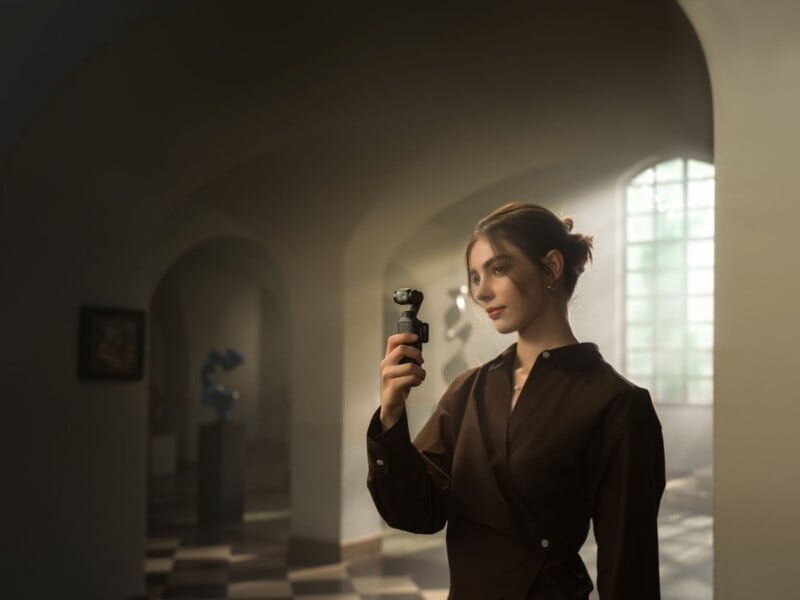
There are also six new built-in Film Tones to offer quick access to particular creative looks and styles. These are CC Film, NC Film, Pastel, Warm Tone, Movie, and Retro.
Otherwise, the DJI Osmo Pocket 4 makes many of the same broad promises as its predecessor. It still sports a powerful three-axis gimbal to capture steady, sharp footage, even while moving. It has multiple gimbal modes, ActiveTrack 7 subject tracking, which works at up to 4x zoom, and numerous tracking modes, like Spotlight Follow and Dynamic Framing.

The Osmo Pocket 4’s Intelligent AutoFocus promises to keep subjects sharp, and the system can also track a selected subject while recording.
There are some usability improvements on offer designed to make content creation even easier. Users can now start recording just by rotating the Osmo Pocket 4’s screen. There are a pair of new buttons beneath the screen, a dedicated Zoom button that jumps between 1x, 2x, and 4x zoom, and a custom preset button. There’s also a new 5D joystick that lets users move the camera backward, recenter the gimbal, and flip the camera.
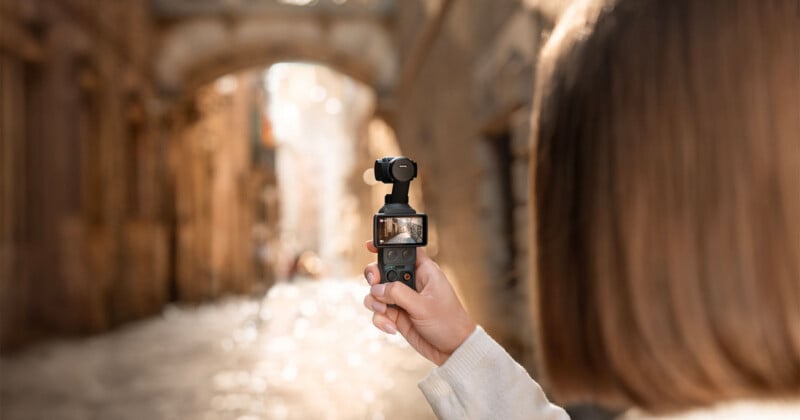
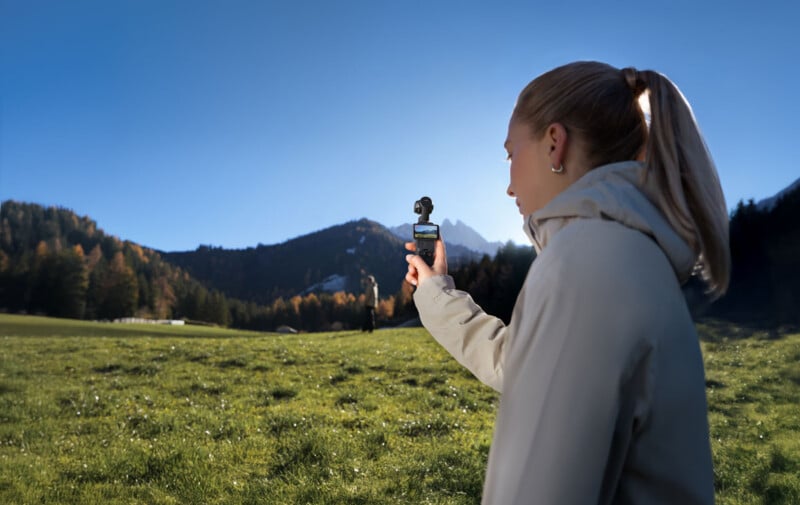
The Osmo Pocket 4 ships with 107GB of built-in storage, while the Osmo Pocket 3 had none. Both cameras accept microSD cards for expanded storage. Battery life has been upgraded from 166 minutes of recording to 240 minutes. And the Osmo Pocket 4’s screen is brighter. The OLED maxes out at 1,000 nits, up from 700 nits, so the Osmo Pocket 4 should be more usable in bright outdoor conditions.
Pricing and Availability
The DJI Osmo Pocket 4 is not yet available for purchase in the United States, as the application for authorization is still pending.
It is available now in China and will ship to global markets next week. It will start at €479, or about $580.
Image creditsDJI