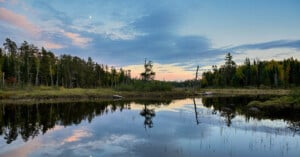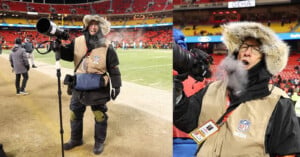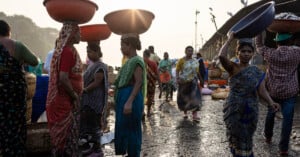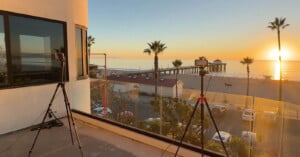
A high-quality time-lapse is a beautiful thing. From the aurora borealis over Norway to the thriving metropolis that is San Diego, we’ve featured many a gorgeous photographic fast-forward through time, each of them put together by photographers that knew how to pull the most out of the time-lapse medium.
But just because there are a lot of stunning time-lapses out there, doesn’t mean that the process is easy or self-explanatory. Creating a great time-lapse takes skills, and it’s those skills that professional photographer Vincent Laforet is partnering with Canon to teach you in an informative 4-part educational video series. Read more…
If you’re into photography, whether as a serious hobby or as a profession, you probably find yourself doing repetitive tasks on a routine basis. You’ve probably also heard various tips, tricks, and strategies on how you can do these tasks faster and more efficiently. Heed them.
While saving a few seconds here or a few minutes there might not seem like much, optimizing your efficiency is definitely something worth doing, especially for tasks you’re doing all the time. The reason is simple: small efficiency gains might seem inconsequential, but they build up and can save you quite a bit of time over time. Read more…
Freelensing is a relatively inexpensive way of getting the similarly unique effect of an expensive tilt-shift lens, where the focus plane is thrown out of whack with the added bonus of natural light leaks. No, this isnt anything new, and the look that an expensive tilt-shift lens gives has been around for a while, but I wanted to share with you my experience with it and how I did it. Read more…
Mark Vargo is a big time cinematographer who has worked on too many well-known movies to list. He’s credited as a second unit director of photography on everything from Deep Impact and The Green Mile to Rise of the Planet of the Apes and Ted. In other words, knows what he’s doing, and now he’s chosen to share some of that knowledge with his fellow photographers and videographers. Read more…
Scouring through a huge number of photos and editing all of the ‘winners’ can be a tiring task, especially when you consider that one day may consist of hundreds or even thousands of photos. A great workflow can help significantly expedite that process, and fortunately for us, pro photographer Nick Fancher has chosen to share his. Read more…
Last month, we told you about a fun (and maybe a bit ridiculous) photography fad that had blown up overnight in Japan. The fad was to recreate Japanese anime-style fight scenes, and it has since been named ‘Hadouken’ photography after the special attack from the Street Fighter series of games and animated movies.
Just in case you’ve been wanting to jump (literally) into this fad, DigitalRev has put together this silly how-to video that shares a few tips and tricks for doing Hadouken photography right. Read more…
A neat way to present a recap of a trip is to take all the photographs taken over many days — both keepers and unwanted shots — and string them together into a fast-paced time-lapse video. A problem with this type of video, however, is that the photos often fly by so quickly that it’s difficult for your brain to distinguish between them and to pick out “highlights.”
Australian photographer Marcus Round of Brisbane, Queensland tells us that an easy way to make these videos a little easier to consume is to help surface the best shots by allowing them to linger. Read more…
More and more photographers are attempting to build their own DIY lightboxes these days as they look for ways to easily digitize their film at home using a digital camera. However, a common problem that plagues these lightboxes is vignetting — lighting is uneven and shadows form gradients near the edges of the surface.
Photographer Rafał Nitychoruk of Gdynia, Poland tells us that he has solved the problem with his own custom lightbox. The trick? Make your lightbox short, and stack multiple layers of glass. Read more…
What’s the biggest mistake emerging photographers make? Most photographers we talked to agreed: They spend too much too soon, or on the wrong things. As commercial photographer Nick Hall puts it, “Spending hard-earned money on photographic equipment that you don’t really need instead of spending the money on developing one’s portfolio and business. For example, lenses rather than promos; fancy computers instead of trips to meet with photo editors; or the latest camera instead of your next personal portfolio project.”
Over 100 million people around the world snap photos with Instagram on their phones now. If you like the look of Instagram filters but would rather not broadcast the photographs to the world every time you snap a picture, there’s actually a (semi-old) trick you can use to save the pics without sharing them (for iPhone users, at least): all you have to do is turn on “Airplane Mode.” Read more…