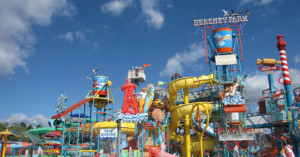
New Jersey Woman Sues Hersheypark After Falling During Photo Op
A 42-year-old woman from New Jersey is suing the popular theme park Hersheypark after she fell from a watercraft while posing for a picture at a photo op spot.
A 42-year-old woman from New Jersey is suing the popular theme park Hersheypark after she fell from a watercraft while posing for a picture at a photo op spot.
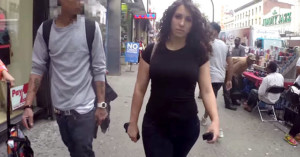
When working with paid subjects in shoots, it's always important to have written contracts and signed releases to prove that you have permission to do what you wish with what you capture. Here's what can happen if you rely on verbal agreements...
Last year, a video of a woman being catcalled more than 100 times while walking around NYC for 10 hours went viral online, amassing over 40 million views. Now the woman is suing the creator of the video for $500,000, claiming that she never gave written permission for the video to be used before it was widely published and promoted.
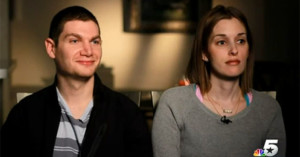
Remember the story of Andrea Polito, the photographer who was publicly accused by a couple of holding their wedding photos hostage until they paid an extra $150 fee for a cover for their album?
It came to light afterward that the couple may have intentionally gone to the media with their story in order to destroy Polito and her business, and the photographer is now suing the couple for defamation, seeking up to $1 million in damages for the damage they did.
The next time you want to photograph some cool graffiti, you might want to think twice... you could get sued by the artist if that picture makes it big.
After the popular Canadian drama 30 Vies aired, graffiti artist Alexandre Veilleux recognized a tag of his in the opening sequence. Now, Veilleux -- who goes by Alex Scaner in the graffiti community -- is seeking $45k in damages from Radio-Canada and Productions Aetios Inc., stating they used his work without permission.
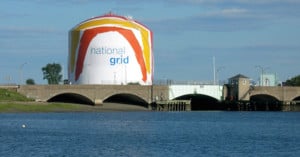
The American Civil Liberties Union is helping four individuals take the United States Government to court over something called the Suspicious Activity Reporting (SAR) Initiative.
The program has received wide criticism recently, led in large part by a photographer who made the FBI's suspicious activity list for taking pictures of a piece of public art called the Rainbow Swash.

"This is a Satire Website. Fictional Stories Just for laughs." That's the line you'll find if you scroll to the bottom of the ODGossip website. But when they posted that the subject of an embarrassing Meme was suing Instagram for $500 million, blogs and publications the world over went ahead and ran with it.
In the age of the Internet, with sites like Yelp often being the first stop for anybody looking for a service (say, photography) they've never used before, it's no surprise that pros are trying to keep their star ratings as high as possible.
What is surprising is the news that some photographers are keeping their reviews positive by threatening to sue anybody who writes something negative.
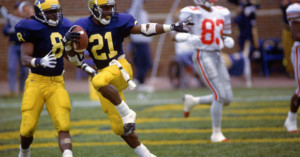
This famous photograph of legendary football wide receiver Desmond Howard is currently in the midst of a nasty legal battle. The photographer behind the image, Brian Masck, is suing Howard and a host of companies, claiming that his photo has been used without his permission for years for all kinds of commercial products and purposes.
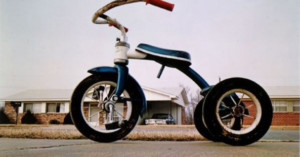
PDN has published an interview with art collector Jonathan Sobel, who’s …
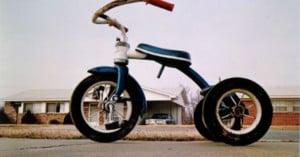
Last month we reported that 36 digital pigment prints of photos by William …
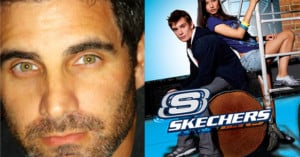
Here's a lawsuit you might want to keep an eye on: in late 2010, photographer Richard Reinsdorf sued shoe company Skechers for violating the licensing agreement for a number of images he made for the company between 2006 and 2009. While the lawsuit itself isn't anything unusual, the price demanded by Reinsdorf is: he wants $250 million.
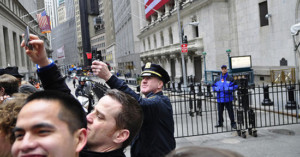
After being arrested on October 1, 2007 for using his cell phone to film officers making an arrest, Boston …
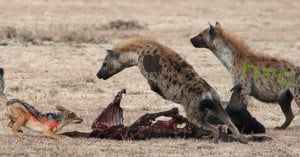
Kodak might be on its deathbed, but that’s not stopping the company from launching a new volley …

Update on 12/18/21: This video has been removed by its creator. Yesterday we shared a ridiculous story of …
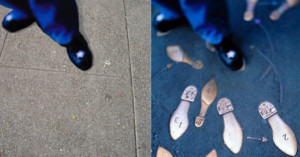
The legal battle between photographer Mike Hipple and sculptor Jack Mackie over a photo of Mackie’s public …

In mid-2010, Time Magazine showed off a demonstration of a slick tablet app they were making in collaboration with The Wonderfactory. As it became widely shared across the web, HDR photographer Trey Ratcliff of Stuck in Customs started receiving messages from fans who spotted his work in the video demo. Problem was, he had never given the magazine or the agency permission to use his work.
Last November NYC firefighter Robert Keiley posed for a stock photograph that showed him covered with soot and holding …

The New York Civil Liberties Union has teamed up with amateur photographer Antonio Musumeci in a lawsuit that challenges a …
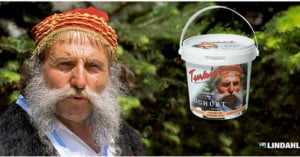
Athanasios Varzanakos, a Greek man, is suing Swedish dairy company Lindahls for using his image on containers of Turkish-style …
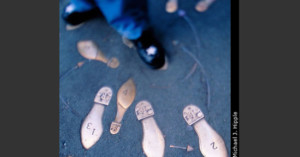
In February 2008, Seattle-based photographer Mike Hipple received a letter from the lawyers …
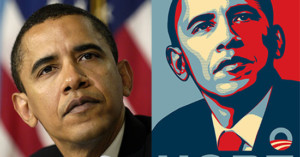
A judge announced this past Tuesday that artist Shepard Fairey is under criminal …