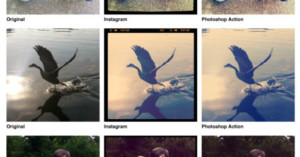
Instagram Filters as Photoshop Actions
Want to use Instagram filters without using Instagram? Creative director …
Want to use Instagram filters without using Instagram? Creative director …

For his project titled "Texters", photographer Joe Holmes captured unsuspecting people lost in their own worlds while texting on their phones. If you want to photograph strangers on the street without getting noticed, this seems like a good way of doing so...
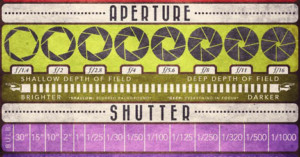
Here’s a beautifully designed cheat sheet by …
Mashable is reporting that Google will be rebranding …
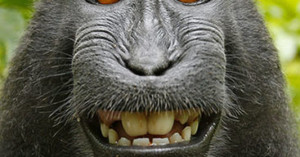
Three years ago wildlife photographer David Slater spent three days photographing a group of crested black macaque monkeys in an Indonesian national park. As he was trying to fend off some monkeys, another monkey approached his tripod-mounted Canon 5D and started playing with the remote shutter release.
They were quite mischievous, jumping all over my equipment. One hit the button. The sound got his attention and he kept pressing it. At first it scared the rest of them away but they soon came back – it was amazing to watch. [#]
Afterward, he found hundreds of photos taken by the monkeys on his memory card, including some self-portraits and even a portrait of Slater.
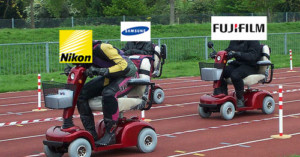
Fans of the Fujifilm X100 who are hoping the company will release an interchangeable lens successor to the camera …
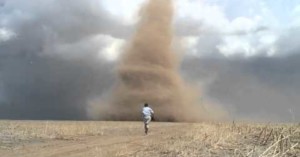
Nikon has been doing a pretty good job with its “I AM NIKON” advertising campaign in Europe — so …

Here’s a short inspirational video featuring Canadian photographer Jeff Wall in which he …
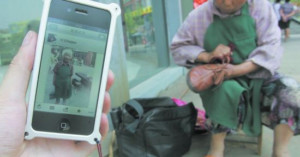
The power of the Internet is awesome when it helps reunite people with lost photos, but it’s …

The Negative Effect is a documentary film by Malaysian director Dick Chua about …

If you’ve ever wanted a lens to hug at night but found your actual glass to be a bit …
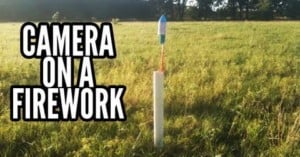
As we sign off for this 4th of July weekend, we leave you with this neat experiment by videographer …
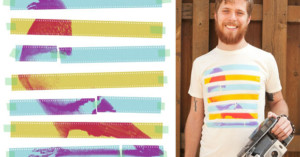
When Lomography teamed up with Threadless for a t-shirt design contest back in …
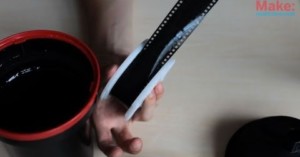
Here’s a step-by-step video tutorial teaching how to develop your B&W film using instant coffee and powdered vitamin C …
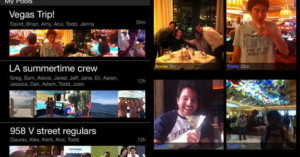
Facebook can't be too pleased with Google right now. In addition to releasing a Facebook competitor called Google+, the company has also beaten Facebook to the mobile photo sharing space with a new app called Pool Party. Like Google+, the app is currently invite-only, but if you can score an invite it's a free download for both iOS and Android. The app is based around collaborative group albums called "pools" that allow you to share pictures with friends and family in real-time.

A great way to get inspired is to listen to other people who are serious about photography talk about …
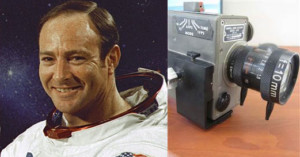
Between 1969 and 1972, NASA left 12 Hasselblad cameras on the moon to make room for moon …
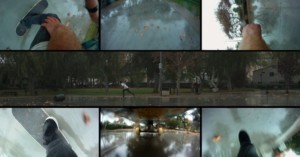
Eli Stonberg created this creative video by recording skateboarder Aryeh Kraus with seven …
Ricoh is purchasing the Pentax camera business …