Removing Fungus from a Camera Lens with Soap and Vinegar
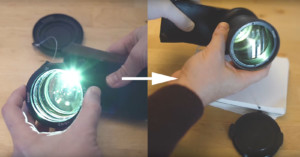
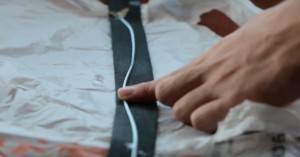
Photographer Mathieu Stern made this 2-minute video walkthrough on how you can remove fungus on the glass elements of a camera lens.
We talk about composition a lot, but have you ever really dived into the subject of color theory and thought about how it applies to your photography? If you haven't, you should... and arguably the best place to start is this incredibly comprehensive demo by landscape photographer Dave Morrow.
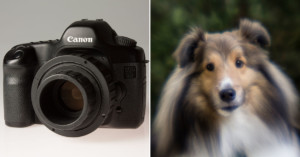
Want to shoot soft focus photos without shelling out money for a specialty lens (like a Lensbaby)? You can build your own soft focus lens to play around with for about $15.
If you love those timelapses that make our great big world look tiny—people scurrying around Manhattan like ants, or airplanes moving around an airport like toys—this simple tutorial will teach you everything you need to know to post-process your own tiny world timelapse.
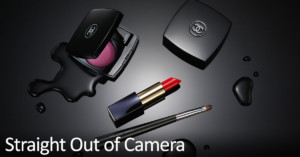
Commercial and advertising photographer Karl Taylor made this 20-minute tutorial on creating a cosmetics product photo with an emphasis on lighting rather than digital editing.
One of the most common beginner mistakes in portrait photography is not separating your subject from the background. Fortunately, it's an easy skill to learn. Here are three simple ways to make your subject pop and give your portraits more depth.
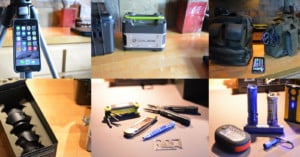
Many of us have done remote shoots where we’re miles from home (or a store) and we forgot one or more key pieces of gear that make or break a shoot. And it’s often the little things: batteries, SD cards, gaff tape/zip ties, plastic bags or specific tools we didn’t think to bring or didn’t think we’d need.
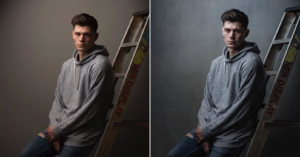
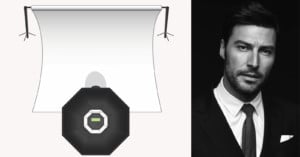
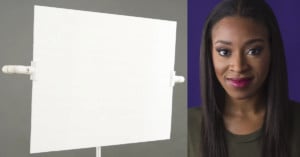
We're crazy about great one-light portraits, and fashion and portrait photographer Jeff Rojas is an expert at creating and honing these minimalist setups. In his latest video, he shows you how a single light placed above your subject makes for beautiful portraits in both color and black and white.
Want to win at social media in 2017? The folks over at On Blast Blog did some research on tips, tricks, and best practices, and they've created a helpful cheat sheet infographic with all kinds of helpful nuggets of wisdom.
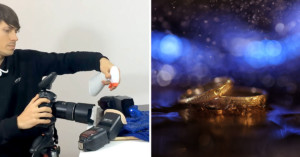
Here's an 8-minute video by the YouTube channel Magic Lens that shows how you can create magical wedding ring photographs using ordinary things found around the house.
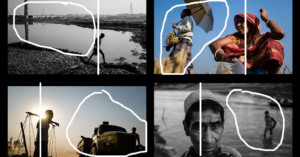
Focal point is a term that photographers and photography blogs throw around continually. “Create a focal point,” it’s said, “it should be the first and last place the eye goes in your image.” That’s true, of course, but like most important things it’s easier said than done.
Photographer and DP Peter McKinnon is not an "iPhoneographer", but that hasn't stopped some of his fans from asking for tips on taking better smartphone photos. Since he's not one to disappoint, he created this useful tutorial to appease the smartphone shutterbugs out there.
While joking around with a friend recently, photographer Ted Forbes of The Art of Photography decided he would try his hand at building the ultimate selfie stick. What resulted is a monster selfie stick that Forbes has named the Stork Mach 1.
When doing photography in general, and in my case travel photography, the use of a photography template can be very beneficial and help improve the overall performance.
So you’ve spent years honing your photography skills, perfecting the art of puppy fashion photography. You’ve set up a website to share your marvelous work with the world, and one day you’re contacted by a corporation who wants to use one of your photos in its ad for doggie perfume. You’re thrilled; you’ve worked and hoped for this day!
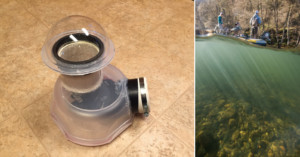
If you've done research into underwater housing, you'll know how expensive they can be. In some instances, they cost more than the camera. Certainly, when you pay the premium price you're also purchasing assurance, functionality, size, etc. However, rebel that I am, I didn't want to pay the premium, so I built my own.
Moving from using only natural light to flash photography is a big step for an outdoor photographer, but before you ditch ambient light entirely, give this video a look. As photographer Francisco Hernandez explains, you'll often get more pleasing results by pulling some ambient light back in.
We recently shared the story of a photographer who had hard drives containing virtually all her professional work stolen from her home shortly before Christmas. If you don't want this type of devastating data loss to happen to you, look into the 3-2-1 strategy of backups.
As each new year approaches, people usually start thinking about what they can do better or improve in the new year. As a professional landscape photographer, I thought it would be fun to give some tips to people starting out with landscape photography.
If you were to ask me about a specific time in my life when photography made a significant impact, I would say the fall of 2011. For my birthday, my husband surprised me by taking me out for lunch at a tiny burger dive, and then stopping in at the local art museum. He’s not exactly an “art-lover” per say, so I was a little confused by the move... until he explained what they were showing.
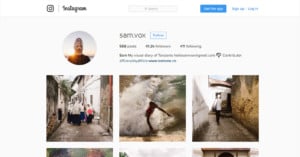
My name is Sam Vox. I am a freelance photographer from Tanzania. I became a full-time photographer because of my Instagram account. In this post, I'll share how I grew my Instagram account without using any online services.
After sharing his 8 camera hacks in 90 seconds, Toronto-based photographer Peter McKinnon is back again with another helpful video for beginners. In the 6-minute one above, he shares 5 basic tips that can help you instantly improve your photos.
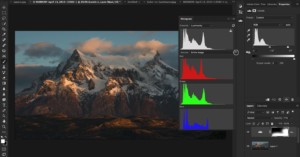
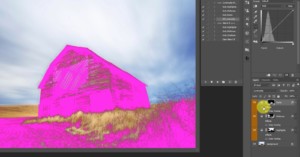
Photoshop's tools frequently overlap, and a great example of this is Luminosity Masks vs Blend If. Both can be used to do the same thing, but they work in slightly different ways. This useful tutorial breaks down the differences so you know when and how to use each tool.
It's the holiday season and everyone's favorite photography background prop is Christmas lights. It used to be pretty easy to get these photos to come out perfect, but with the rise in popularity of LED lights, there's some weird stuff that happens if you don't have the right camera settings.
Streetlights are the driving force behind nighttime street scenes and how they make us feel. The way streetlights spread their light, the shadows they cast, and the colors they bring out affect everything else nearby, setting the tone of the scene.
Toronto-based photographer Peter McKinnon created this short video that shares 8 clever, quick, and easy camera hacks in the span of about 90 seconds.
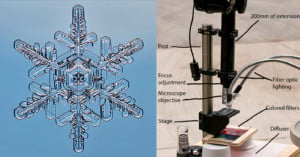
Looking for a great winter photography project? How about snowflakes? If you live in the Northern tier of states I promise you will have plenty of subjects to shoot.
Nate Dodson over at TutVid just put together one of the most comprehensive overviews of Photoshop's key tools and features we've ever seen. 30 different tools or features you should definitely know about, each covered under two minutes. This one is worth a bookmark.
Photographer, weird lens expert, and friend of PetaPixel Mathieu Stern created this very simple and straightforward Photoshop tutorial for anybody out there who wishes they were a Jedi and wants to impress their friends.
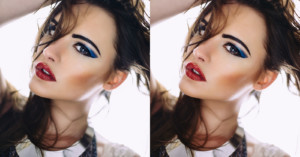
A lot of the time when we're shooting with flash photography in a big white studio, our portrait images can appear a little stark or cold. This quick fix in Photoshop takes less than two minutes to do but can add a lot of warmth and life back to our models skin.
One of the ongoing pain points of being a photographer is the time we spend editing. Don’t get me wrong, I love turning a flat image into something breathtaking, but it does take a while to get through a batch of 1000+ photos from a wedding or concert.
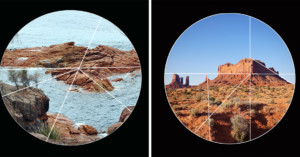
When was the last time you saw a round photo? It's probably been a while. The world is ruled by squares and rectangles. It's almost as if there's no place for circles, but I have come round to thinking that maybe those ancient mathematicians were onto something when they got all excited by circles, maybe you can have your pi and eat it too.
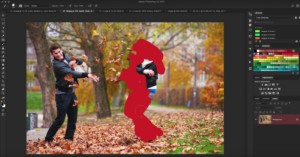
Adobe is dedicated to updating Photoshop consistently, but those updates don't always go so well. A lot of people have rolled back their healing brush tool, and ever since Select and Mask replaced Refine Edge this summer, people have been complaining. Meanwhile, Nate Dodson over at Tutvid has been desperately trying to make this new tool work.
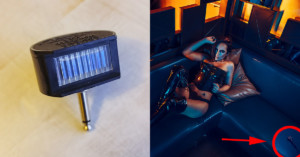
There are unfortunately times when technology just lets us down. It’s not always because it inevitably breaks either: sometimes it is simply because every piece of gear has its strengths and weaknesses, and flash triggers are no exception.
As a photographer on set, it's your job to get the most out of your models—to make them feel comfortable, and help them help you achieve your vision. In this great video, photographer Clinton Lubbe of dphog explains how to do this when your model is young, inexperienced, or both.
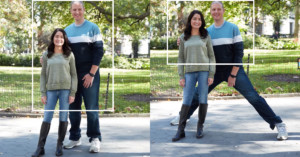
Headshot photographer Peter Hurley has previously shared popular portrait tips for achieving slimmer figures, sharper jawlines, and photogenic eyes. His latest quick tip is all about adjusting height in portraits.
German photographer Michael Quack has created a helpful resource for photographers getting started with portrait lighting equipment. It's a look at 111 lights and modifiers and the different looks you get using them.
Making mistakes is a powerful learning tool, but that statement only holds true if you realize what you're doing is a mistake. To that end, here are 5 of the most common Photoshop mistakes photographers make.
It's so easy to get caught up in the minutia of photography. Sure, megapixels, microcontrast, MTF charts, and the like are all important, but only after you understand how to work with the most important piece of the photographic puzzle: light.
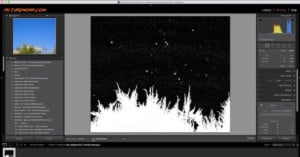
Sensor dust is a pain, but it's also easy to take care of in most images. This quick tutorial from our friends at Sleeklens covers what is probably the most-used method for clearing sensor dust spots in Adobe Lightroom.
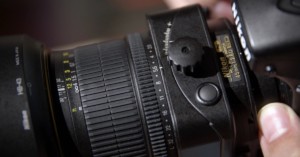
Everybody knows tilt-shift lenses can be used to get a "miniature" effect, but many photographers are oblivious to their other, more traditional applications, and even fewer understand exactly how these lenses work. The folks at LensPro ToGo are here to clear things up.
If you're going to be shooting in an area where you're genuinely concerned you might have your camera stolen, it's probably wise to prepare. And if you prefer the DIY "on-the-cheap" approach, then this simple 'theft-proof' camera strap may be exactly what you're looking for.
Here's a quick DIY build for cash-strapped studio photographers who are sick of gaffer's tape-ing their reflectors to light stands. YouTuber Joe Edelman will show you how to build not one, but two DIY studio reflector holders for 10 bucks total.
I definitely love do-it-yourself projects, especially those that help me out with a project in a niche way.
This foreground bokeh look is actually a setup I played around with a few times many years ago. I thought it would be a good, fun setup to share, as you can get some interesting results whilst playing around the much-loved bokeh.
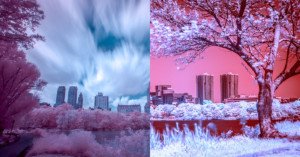
The human eye is incapable of seeing infrared light, so infrared photography is truly a way to show your audience something they can never see with their own eyes. Here's a guide to getting started with digital infrared photography.
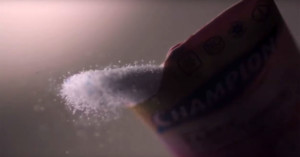
Here's a 2-minute video in which cinematographer Matthew Rosen explains how he pulled focus at high speed for detergent ad.
“Take only photos, leave nothing but footprints.” We've probably all heard the saying, but what does it mean? Basically 'take only photos, leave nothing but footprints' means to make as little impact on an environment as possible.
When you sharpen a photograph, what you're doing is adding contrast to the edges in an image, but unfortunately, that often leads to black and white edging in some areas. In this short, useful Photoshop tutorial, Jimmy McIntyre will show you how to avoid this and sharpen your photos cleanly in Photoshop.
Hyperfocal distance—commonly defined as "the closest distance at which a lens can be focused while keeping objects at infinity acceptably sharp"—is critical for landscape photographers who want their whole frame in focus. Here's a trick for nailing hyperfocal distance without resorting to charts or smartphone apps.