Fujifilm X-M1
Announced June 25, 2013
PixelMeter The PixelMeter is our 1–100 aggregate of reviewer scores from trusted publications and creators. Weighted by source tier — not a raw average, and not PetaPixel’s own review.
Reviewer Consensus
Strong
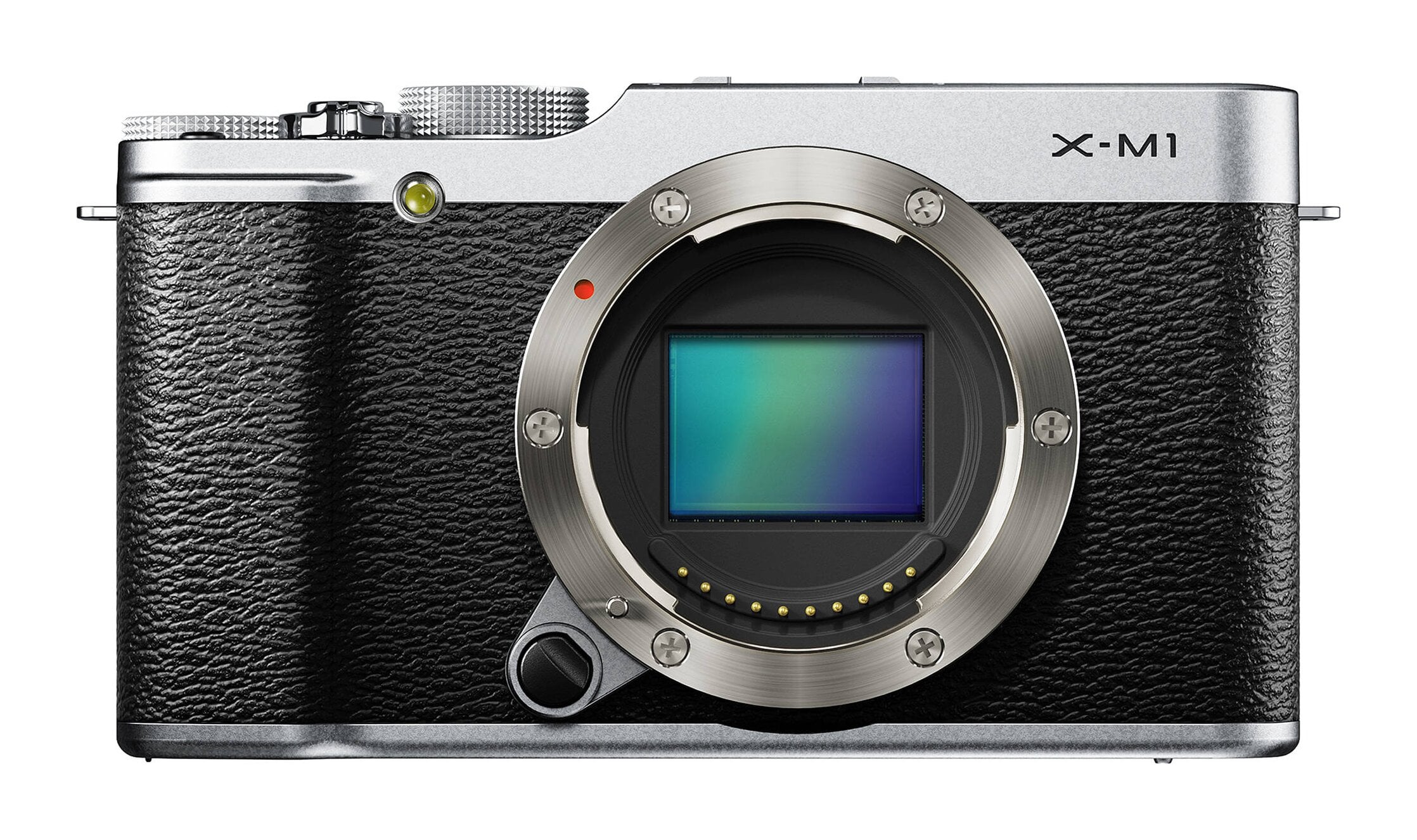
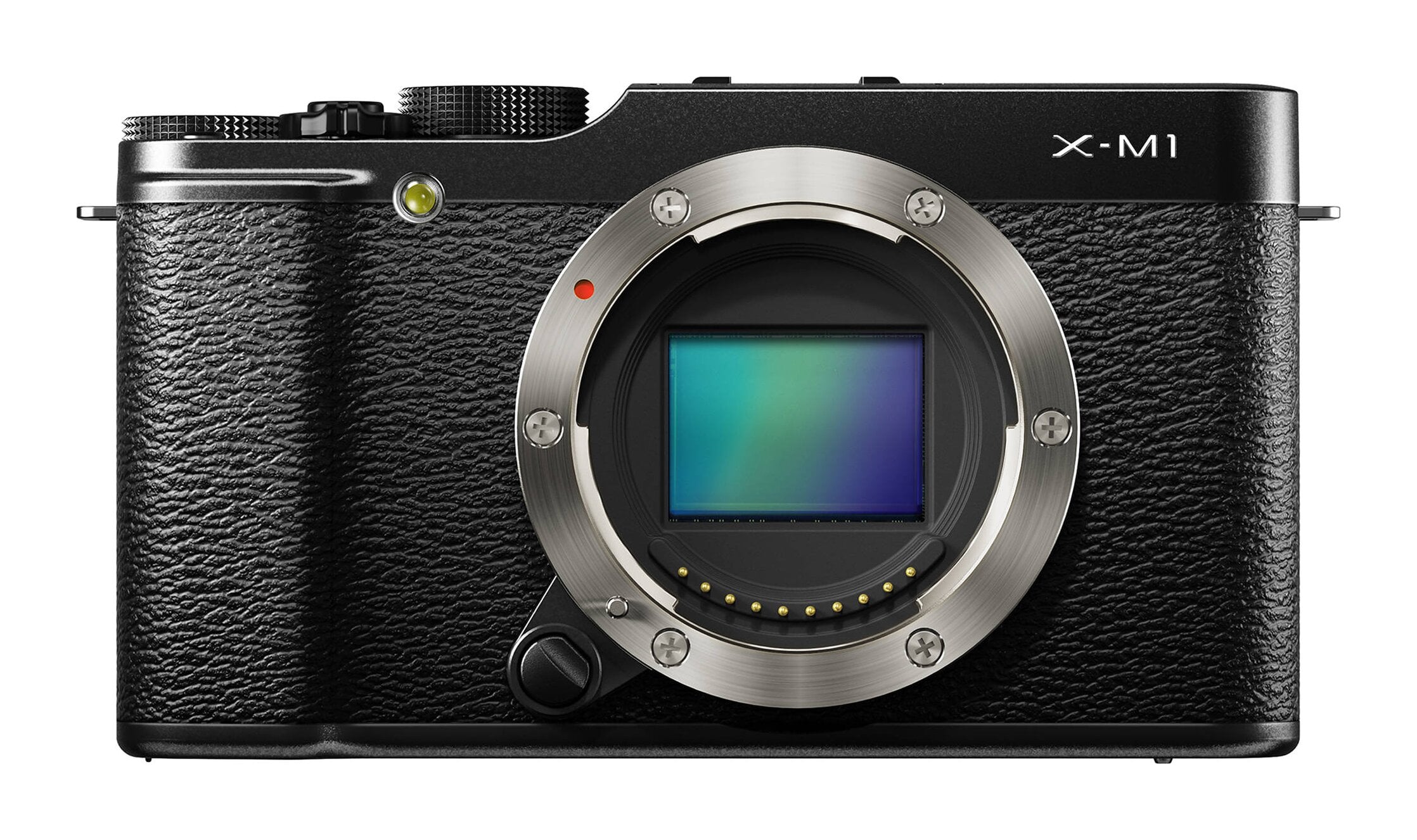
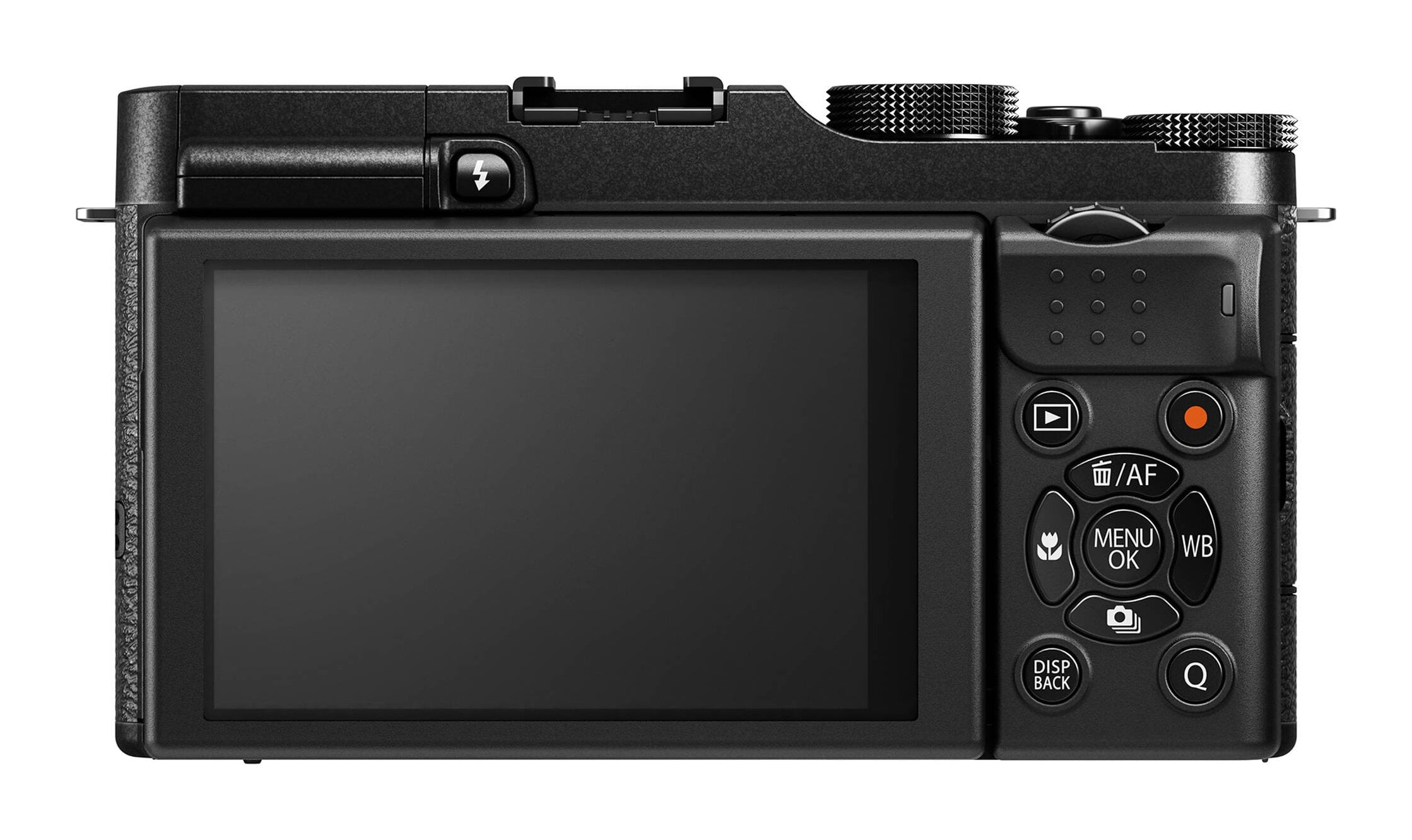
The Fujifilm X-M1 is a compact, stylish mirrorless camera that delivers superb image quality and high-ISO performance through its X-Trans sensor. Although it lacks an electronic viewfinder and suffers from slower autofocus speeds, it remains a fun and intuitive tool for photographers seeking a portable, budget-friendly entry into the X-system.
Weighted from 19 reviewer scores
Pros
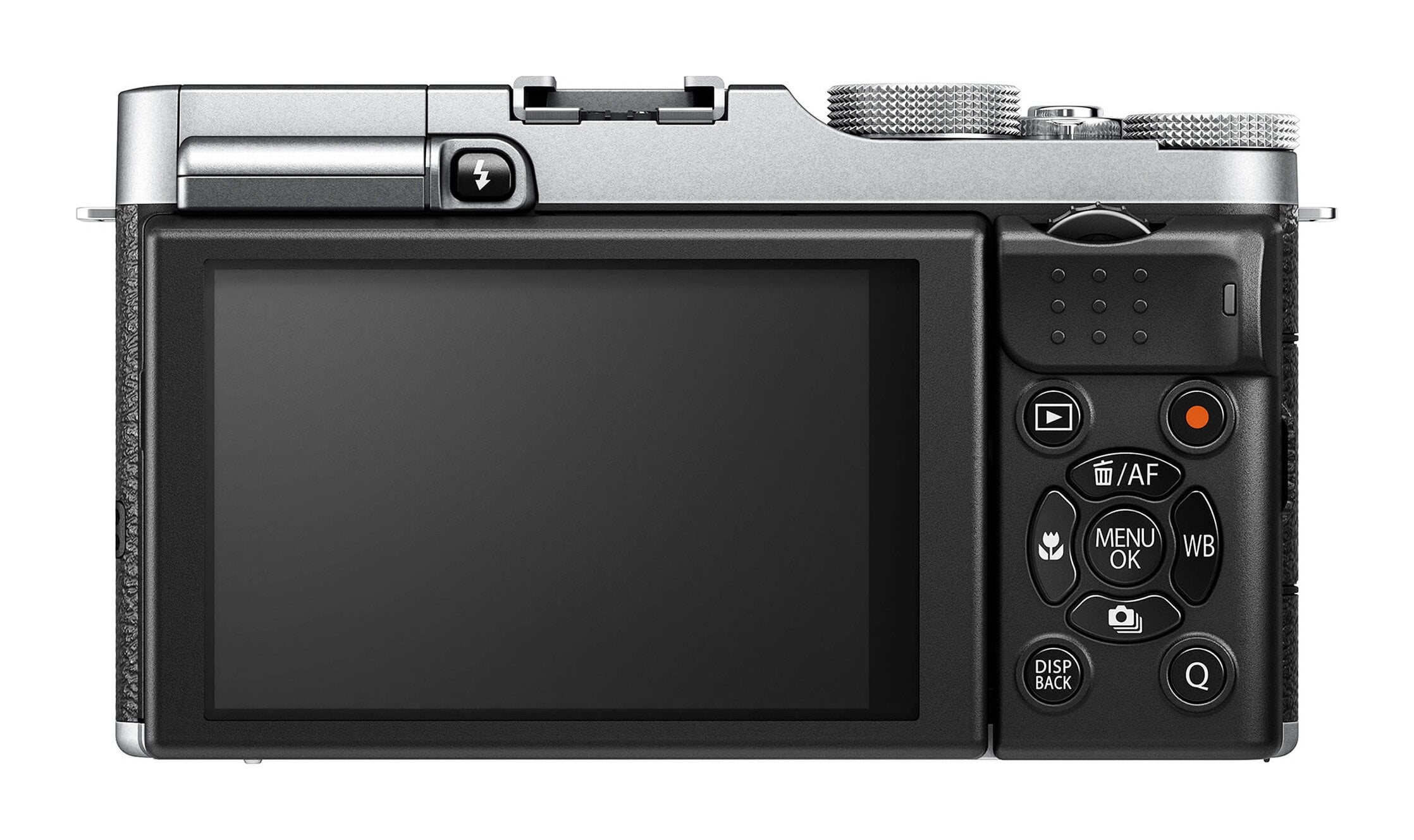
- Versatile tilting LCD screen
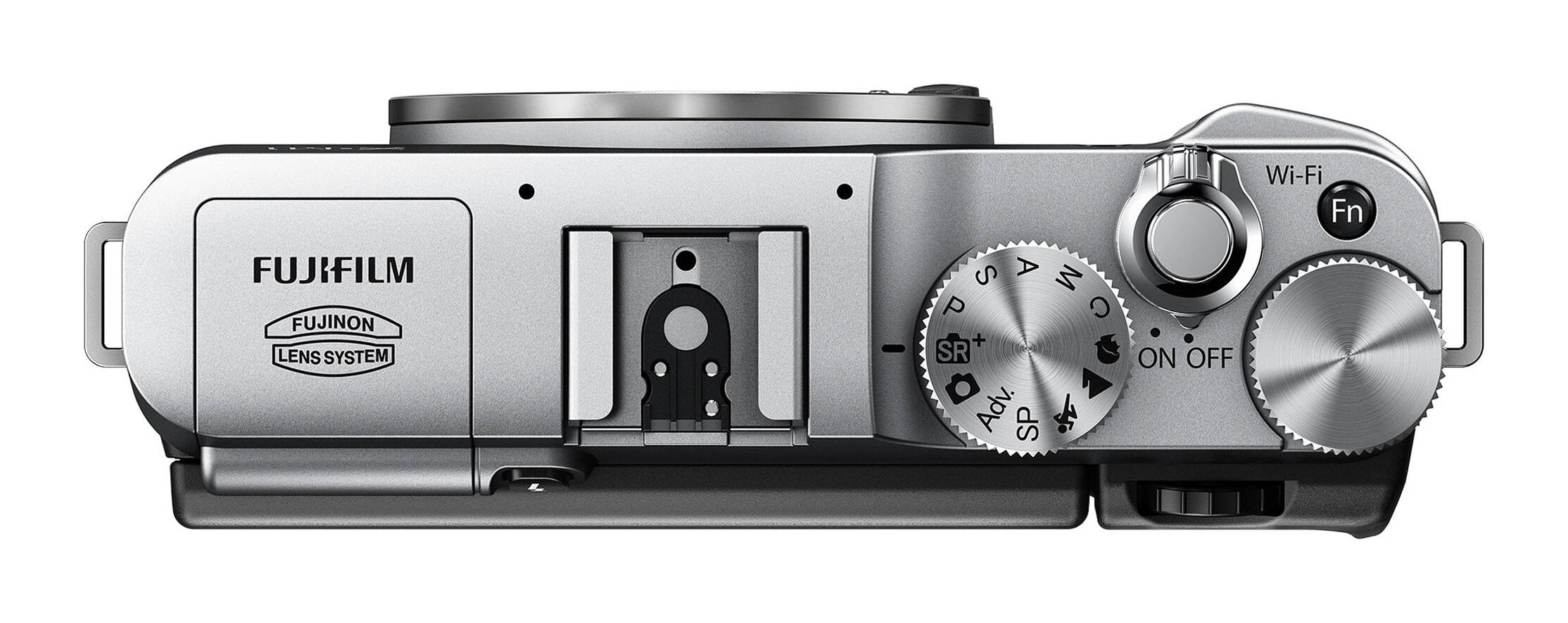
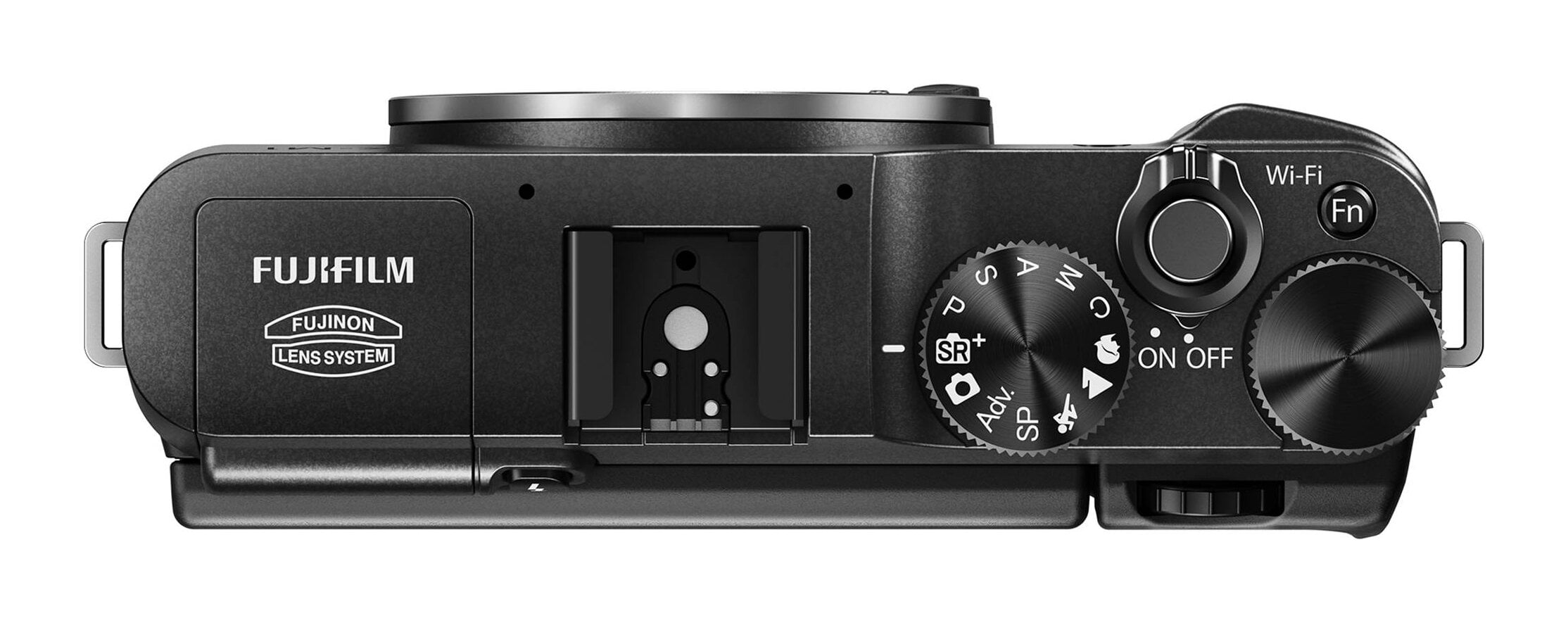
- Useful built-in features including Wi-Fi, focus peaking, and dual control dials
- Exceptional image quality with low noise and high-ISO performance
- Compact, portable, and attractive retro design
- Sharp, high-quality kit lens provided
Cons
- Lacks an electronic viewfinder or the option to attach one
- Poorly placed tripod mount that blocks battery and memory card access
- Limited Wi-Fi functionality with no remote control
- Slow autofocus performance compared to competitors
- Build quality feels plasticky and cheap
- Launch price $699 (USD)
- Sensor 16.3MP APS-C CMOS
- Video 1080p 30p
- Stabilization None
What the Reviewers Say
All 19 expert reviews, weighted into the PixelMeter score.
Is this product missing a reputable review? Share a link to a review article or YouTube video for consideration.
- DPReview 77/100
The Fujifilm X-M1 is a stylish, well-built mirrorless camera that doesn’t skimp on features and takes excellent photos.
-
Basic feature-set aside though, the X-M1 is a solid performer that remains fun to shoot with and won’t let you down – it’s also the cheapest way to enjoy the superb X-Trans sensor and the small but high quality range of X-mount lenses.
-
[T]he X-M1 is an excellent camera that is very intuitive and easy to use, with superb image quality. Despite the fact that it lacks an electronic viewfinder, it is still equally as addictive as other X-series cameras from Fuji.
-
With the success of Fuji’s X-Pro1 and X-E1, the X-M1 was always likely to be the next logical step for the company.
-
The Fujifilm X-M1 produces excellent images and is very good value for money with the 16-50mm lens.
-
The Fujifilm X-M1 successfully brings the X-system to a wider audience, being smaller, lighter and significantly cheaper than the X-E1 whilst offering a newer processor, built-in wireless connectivity and a tilting LCD screen.
-
The mirrorless Fujifilm X-M1 features a big APS-C image sensor that's capable of capturing some excellent images, but it's just a little slow to focus and fire.
-
If you're willing to part with a large chunk of change in return for something that looks beautiful but still delivers in the image quality department, then you'll no doubt be pleased with the Fuji X-M1.
- Digital Trends 8.5/10
Call us fans of new Fujifilm cameras such as the X-M1, especially those using variations of the X-Trans CMOS APS-C sensor.
-
The Fujifilm X-M1 is a very nice product but I found it less attractive than other Fuji X cameras for many reasons. First, as I’m writing this, the X-E2 is about to be announced, meaning that the price of the X-E1 will drop.
- Photo Review 85%
The Fujifilm X-M1 is the third model in the company’s Compact System Camera (CSC) line-up and targeted more towards snapshooters.
-
The Fujifilm X-M1 is a unique camera. It’s a mid-tier priced mirrorless camera, coming in at $699 body only, or $799 in a kit with the XC 16-50mm zoom.
-
The X-M1 is new ground for Fujifilm: it's a camera targeted towards the masses, yet it maintains a decent level of its all-important pro-spec look and feel.
-
That’s the crunch with X Mount cameras. They’re a cut above the competition for image quality, and Fujifilm knows it and charges accordingly.
-
Now with the smaller form factor of the Fujifilm X-M1, I'd be willing to bet that Fuji builds that fan base even more.
-
The benefit of the X-Trans sensor is does not need a low-pass filter to prevent moire artifacts. This lets it maximize lens sharpness and therefore image-quality, which is exactly where the Fuji X-M1 delivers results above its peers.
-
The Fujifilm X-M1 with the TTArtisan lens is small enough to be in the same compact category as those cameras, but is much, much cheaper.
-
Why you’d buy the Fujifilm X-M1: good quality, small form factor. Why you wouldn’t buy the Fujifilm X-M1: no panorama mode.
-
This is hands down one of the most fun to use and portable interchangeable lens cameras that I currently own.