The Impossible Comeback: Modern Polaroid 600 Film Is Better Than You Think
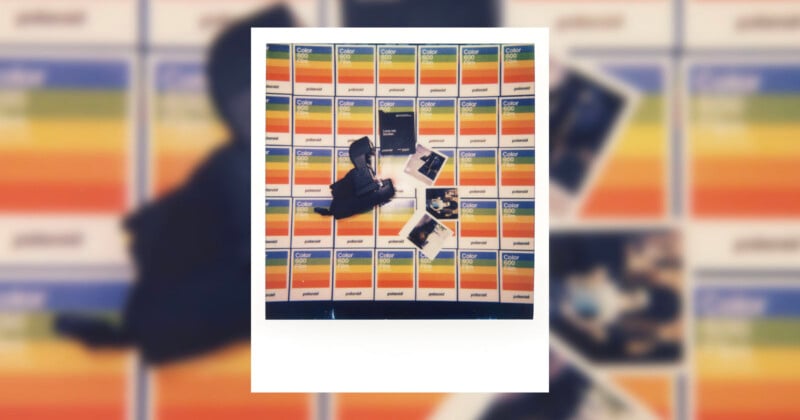
We thought we had seen the last of the Type 600 film back in 2008 when Polaroid announced it was discontinuing the film. But then a new company, composed of folk committed to resurrecting this film format, was formed, calling themselves The Impossible Project. Fast forward almost two decades to today, and all those Polaroid 600 and SX-70 cameras can continue to be supplied with film and make the magic they were originally designed to create. It is an amazing thing, and that is why we are giving Polaroid 600 the Film Friday treatment; it truly is magical stuff.
Let’s begin by clearing up a bit of confusion. The company now known as Polaroid is not the original Polaroid company. What happened is that The Impossible Project acquired the rights to use the Polaroid name in 2017 and rebranded themselves Polaroid Originals. A year or so after that, they dropped “Originals” and rebranded back to the original, and recognizable, Polaroid name. In short: The Impossible Project became Polaroid Originals, which became Polaroid.

The story behind The Impossible Project is pretty remarkable. When Polaroid announced they were closing up shop in terms of film production, a trio of individuals, Florian Kaps, Marwan Saba, and André Bosman, formed The Impossible Project, which leased one of the old Polaroid plant buildings in the Netherlands and bought a bunch of the old equipment. They then hired ex-Polaroid engineers to help them build a replacement film for the discontinued Polaroid films. They focused on the integral films such as 600, SX-70, and Spectra. Sadly, they were not able to bring back any of the pack films that Polaroid had made.
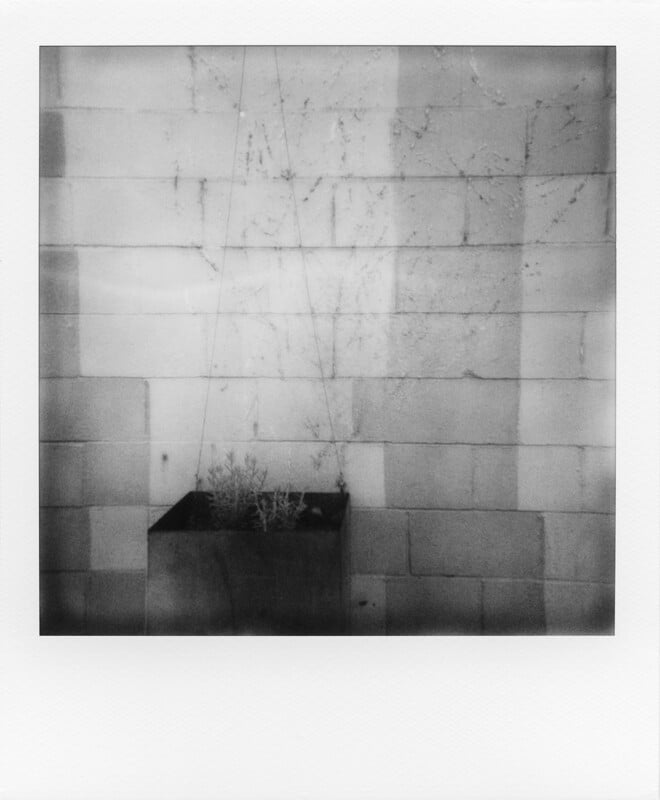
That early film was pretty awful stuff, but they were attempting to recreate a complex chemical process that Polaroid themselves had spent decades perfecting. Nonetheless, when those first Impossible films hit the market, they quickly proved to be very ephemeral (fading out quickly), extremely finicky (you had to shield the film when it ejected or it would wash out), and highly inconsistent.
But it was a start, and to Impossible’s credit, they continuously revamped the film technology, rolling out multiple successive generations of film. More than a bit unfairly, though, those early generations of the film earned Impossible a negative reputation with many that took years to shake and still persists today. Photographers often talk about issues that Impossible films generated in past iterations but have since been fixed as if they are still happening. What we are getting at, and one of the first things worth discussing with this film, is that the current product far exceeds the often low expectations placed upon it.
Here’s how we describe the current Polaroid film in general. It is not the original Polaroid film, nor is it a resurrected version of it. It is best thought of as its own thing. It definitely has a vintage analog look to it. Whereas Fuji Instax is known for crisp, bright, sharp colors, Polaroid film is a fair bit different.
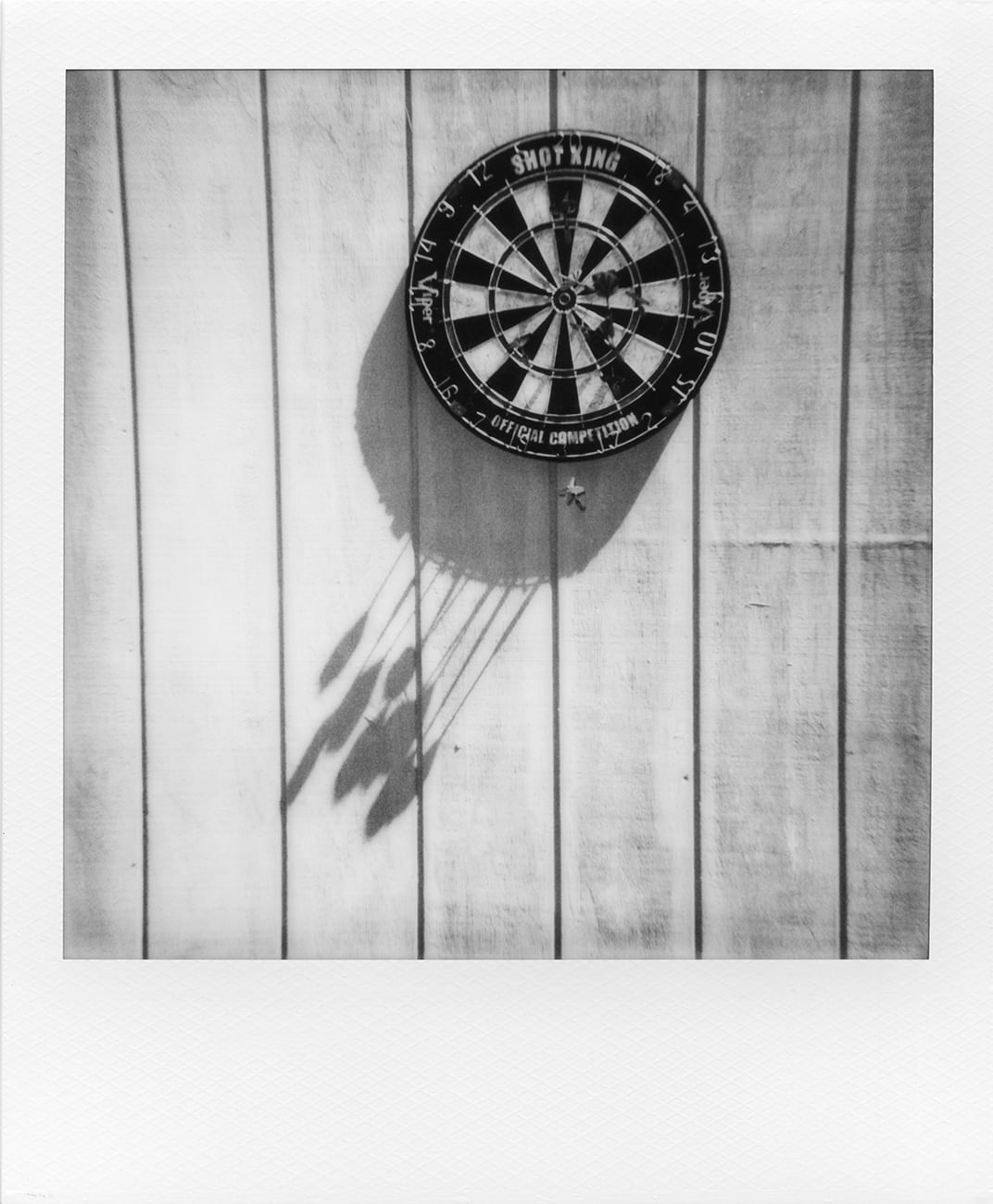


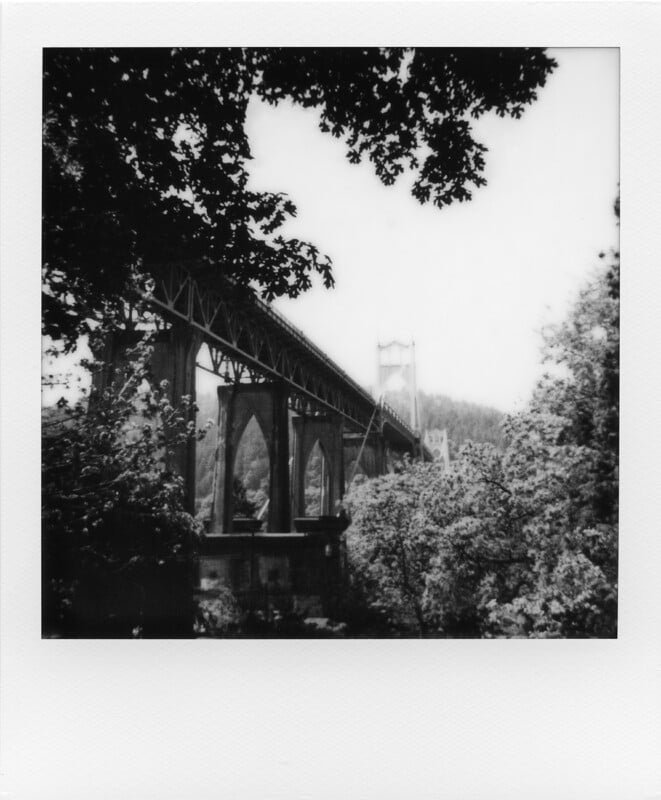
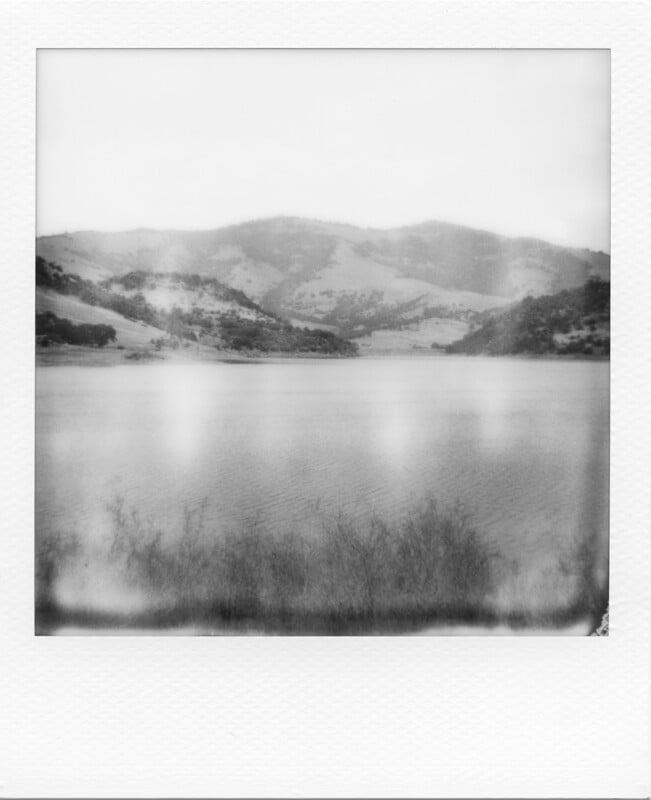
Let’s start with the Polaroid 600 B&W film. The current generation of this film has a nice amount of contrast to it as well. Shadows can be very crisp and deep, but the highlights are not as clean as those found on Instax. Polaroid 600 B&W has become fairly neutral in its monochrome rendition but still has a touch of an ivory warmth to it. Naturally, as an ISO 640 film, there is a decent amount of visible grain to these images. We feel like the grain of the B&W emulsion is more noticeable than that of the Color emulsion, but, having said that, it is a nice-looking film grain. The developing time for the 600 B&W is stated as 5-10 minutes, with ambient air temperature being one of the biggest factors in an increase or decrease over this time.
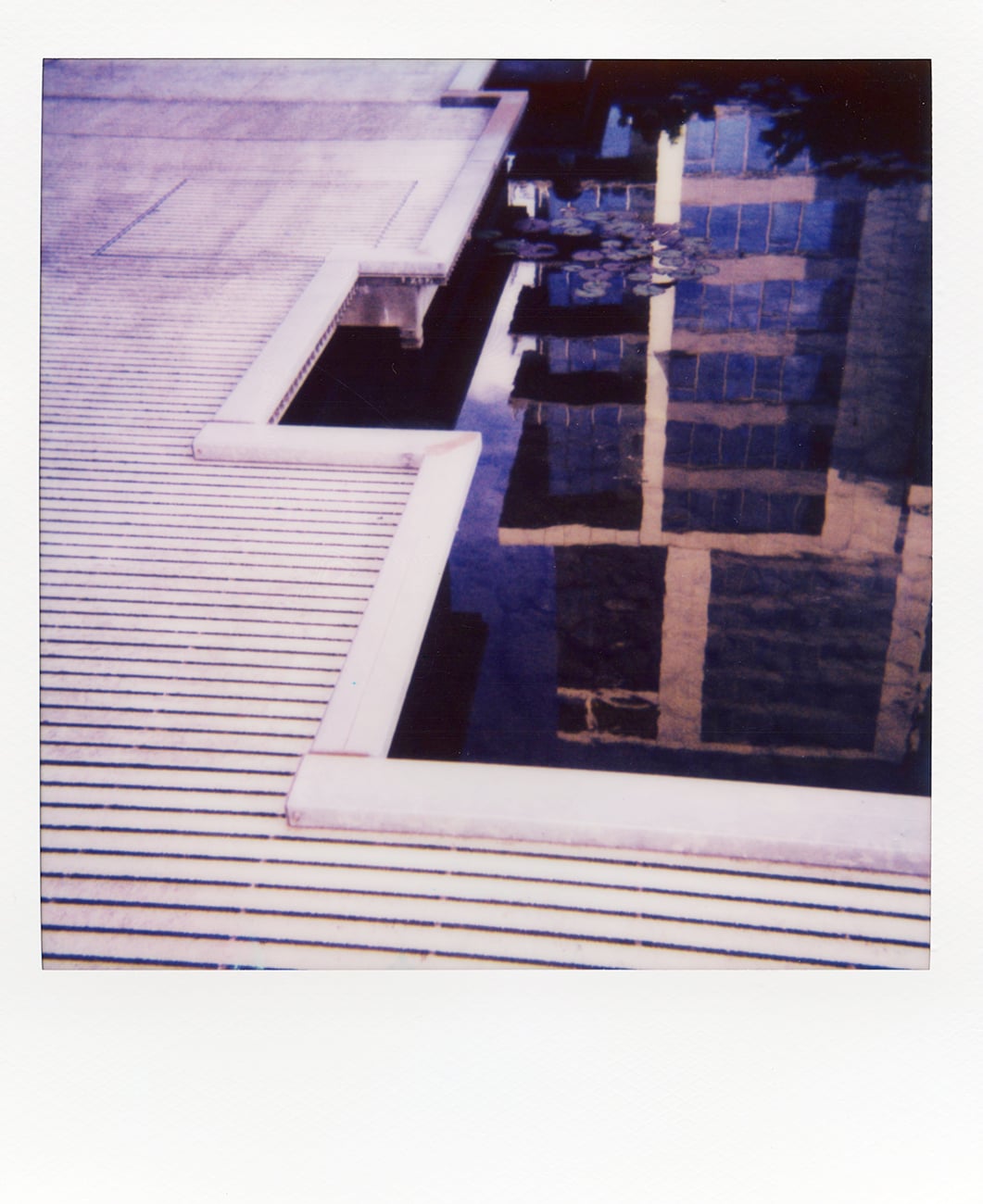
The Polaroid 600 Color film, meanwhile, has pretty rich colors but can unpredictably throw in some color casts here and there. The contrast of the Color 600 feels higher than that of the B&W 600. The shadows in Color 600 are deeper and more blocked up. Highlights tend to have a warmer, creamy cast to them as opposed to being a stark white. There is an element of serendipity to the film as well. It is nowhere near as inconsistent as it used to be, but your results will vary from shot to shot. This is part of its charm, in our opinion. Even if the film were perfect, you’d still be running it through old Polaroid cameras that were scavenged at Goodwill or the thrift store. Embrace the element of chance that often arises when using such analog technology. The Color 600 emulsion has a longer developing time than that of the B&W, with a stated range of 10-15 minutes (influenced by ambient temperatures).
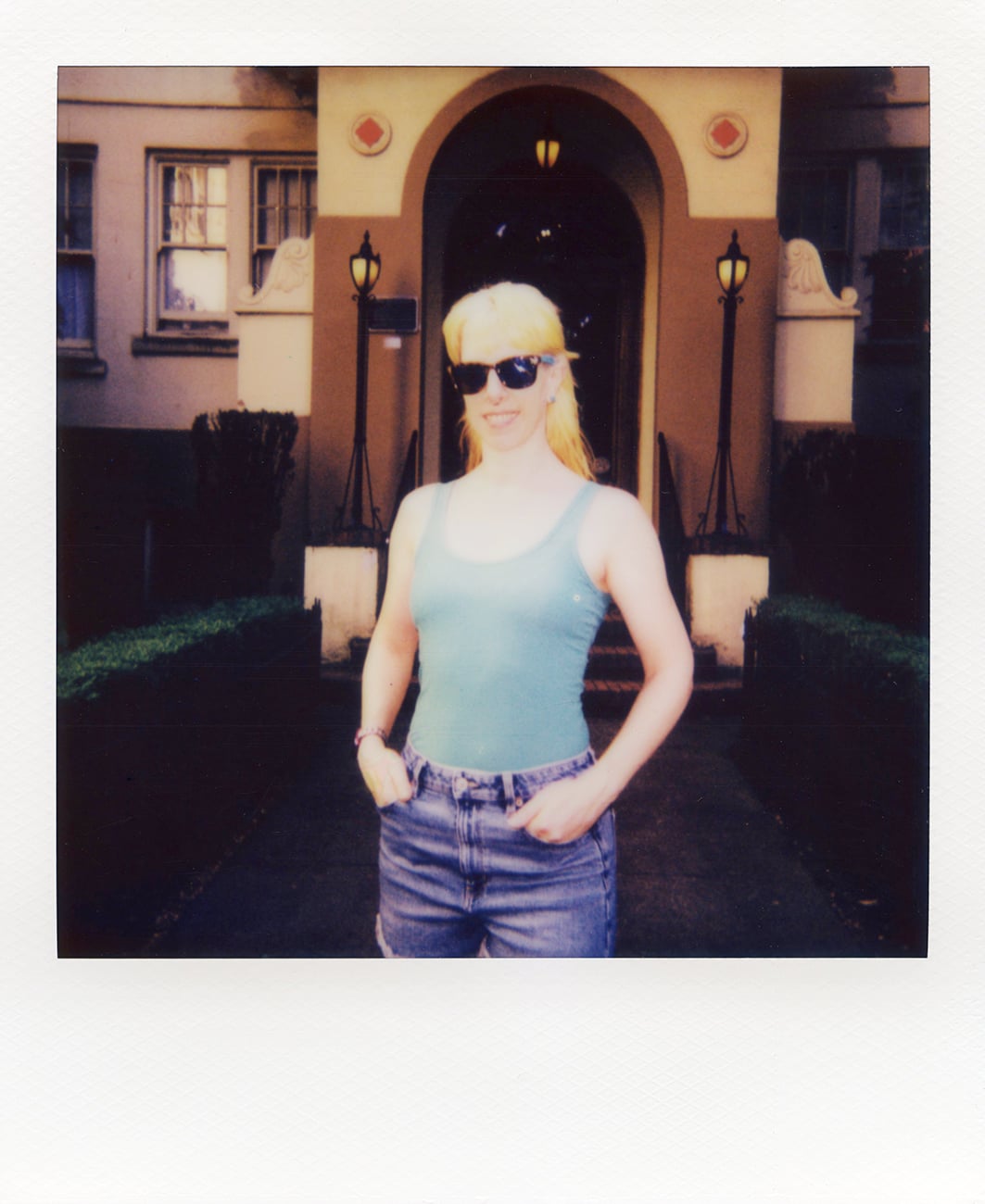

Of course, the film’s biggest selling point is its instant nature. There are not many places you can go in the analog world of photography and enjoy seeing your images instantly. For decades, the ability to snap a photo and watch it develop in front of your eyes has charmed people worldwide. It allows you to make a portrait of that interesting passerby and let them walk off with a developed result. Or to get a shot of that special someone and memorialize it in the iconic Polaroid frame. And don’t overlook the fact that each shot is a one-of-a-kind creation. There is no reprinting of the negative; you’ve made a limited-edition series of one. There is a quote by Polaroid’s inventor, Edwin Land, that sums this up beautifully: “[A Polaroid camera] places before you a thing that is more of the thing than the thing was.”
Before closing, we do have some general tips when shooting with Polaroid 600. The first is to remember that it is an ISO 640 film (as opposed to SX-70, which is ISO 160). This makes Polaroid 600 the better choice for instant photography in slightly dimmer conditions. Most Polaroid 600 cameras have built-in flashes, but not all of them do, so the extra film speed may help. Also, since it is a faster ISO, be more careful when flying with it. Polaroid recommends avoiding airport X-rays at all costs. If you are traveling with Polaroid 600 film, it is best to avoid packing it in your checked luggage (which goes through more powerful X-rays) and to request a hand check at security.

There is also the matter of shielding the film right after it has ejected from the camera. Polaroid film maintains some sensitivity to exposure after it has ejected. The best practice is to immediately tuck it away out of light for the required developing time. It is fine to peek at it now and again, but leaving a developing Polaroid exposed to bright light will result in a faded, washed-out result.
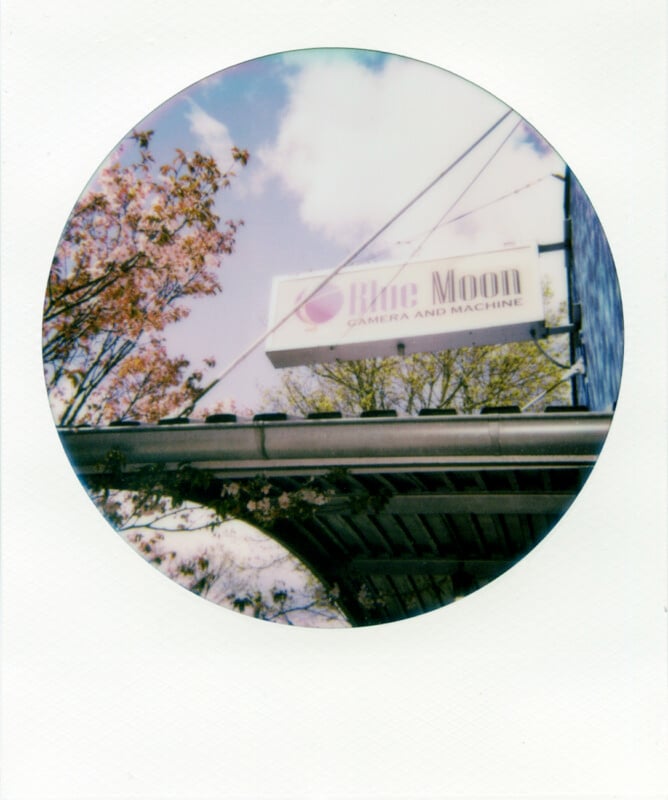
The final point to make in regard to Polaroid film is that it uses the array of cameras made by Polaroid over the several decades that the company was fully invested in the development of this film. There are dozens of different cameras, oodles of accessories, and all sorts of other fun paraphernalia from the 1970s, ’80s, ’90s, and ’00s to dig up and pair with a box of the modern Polaroid films. One of our staff has a tri-image filter for his Polaroid 600. It’s goofy and definitely very ’80s, but he has a ton of fun with it. So, if you are going to shoot Polaroid, make sure to do some research into the history of the cameras and products made for this film and see what toys you can find to experiment and have fun with! There have also been various Polaroid 600 editions with creative borders, such as the Round Frame. This fun edition operates like normal, but the resulting image is encapsulated in a circular frame instead of a square. Over the years, Polaroid has produced 600 film with various colored borders too.
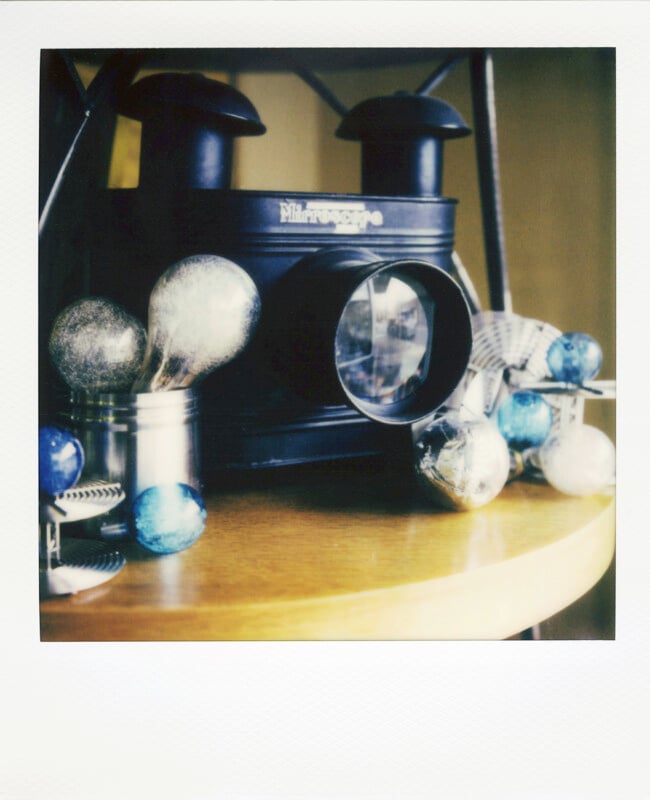
Lastly, while our entire write-up has been focused on Polaroid 600 film, we can’t sign off without mentioning Polaroid’s i-Type film. Polaroid i-Type film has the same chemistry formulation as Polaroid 600 film, which means it is also a 640 ISO film. The main difference is that Polaroid 600 film includes a built-in battery within the pack. Most vintage Polaroid cameras had no battery of their own, using the battery in the film pack to power the camera and thus ensuring a fresh battery every time you loaded film. Polaroid has now issued modern takes on those vintage OneStep cameras as well as their completely new I-Series. These modern Polaroid cameras have internal rechargeable batteries. So, Polaroid released a less expensive, battery-less version of 600 film called i-Type specifically for these new-generation cameras.
That is what we have for you today. We’re bringing you both films today at a discounted rate, so head over to our website to shop for both Polaroid 600 and i-Type film, both Color and B&W. While supplies last, of course!
Image creditsAll photos are individually credited and come courtesy of Blue Moon Camera and Machine.
This story is brought to you by Blue Moon Camera and Machine in Portland, OR. Blue Moon offers film, development services, printing, and even an ever-rotating line of film cameras and lenses. PetaPixel Members receive 10% off all lab services with Blue Moon: Join today!
Affiliate Disclosure PetaPixel articles may include affiliate links; we may earn a commission if you buy through one.