All the Award-Winning Photos From Nature Photographer of the Year 2026
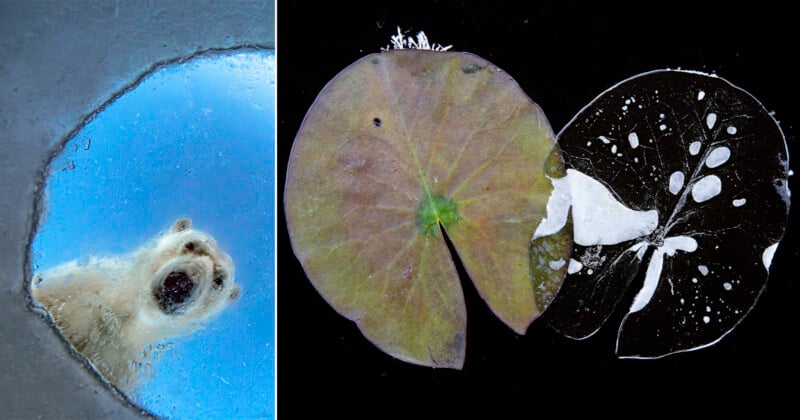
The Nature Photographer of the Year 2026 winners have been unveiled, showcasing the world’s best nature, wildlife, and landscape photography.
This year’s competition received 27,108 entries from photographers in nearly 100 countries, a record-breaking number for the longtime photo contest.
Nature Photographer of the Year – Hannu Ahonen
Finnish photographer Hannu Ahonen bested stiff competition to earn the title of Nature Photographer of the Year. Ahonen’s award-winning photo, “The One that Left and the One that Stayed,” is an extraordinary image of a water lily leaf positioned alongside its icy duplicate.
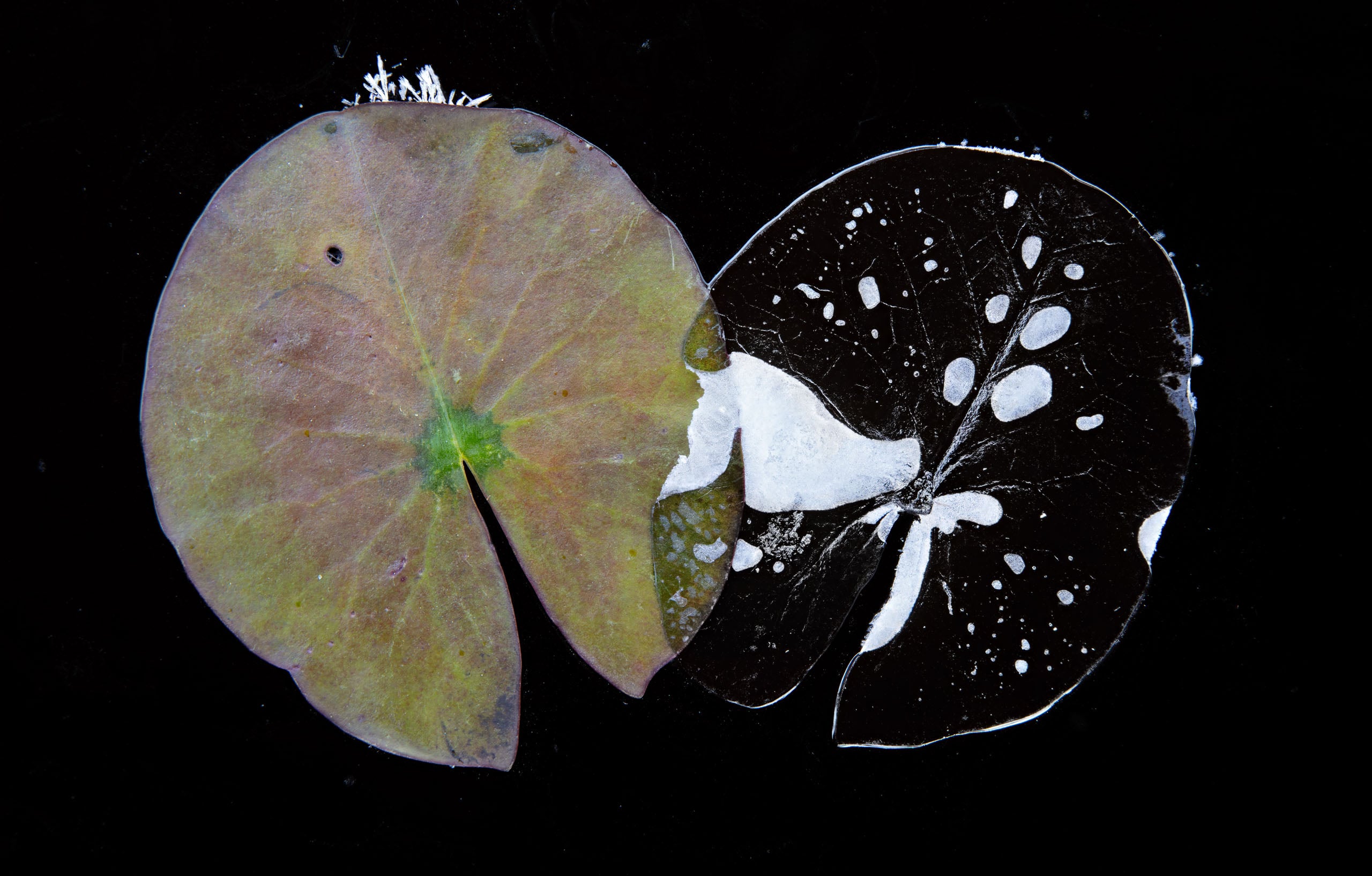
“It is not often that a photograph of a plant is crowned the overall winner of a major photography competition, but the jury could not overlook this fascinating image by Hannu Ahonen,” says jury chair Theo Bosboom. “First and foremost, the photograph captures a unique situation: a water lily leaf with an almost perfect black-and-white replica of it lying next to it in the water.”
Ahonen’s winning photo tells a compelling and unusual story. The living water lily leaf is positioned on the left, while the ice that formed on top of it and slipped off sits delicately to the side, blown away slightly by the breeze. Even the veins from the leaf are visible in the icy shell.
Nature Photographer of the Year adds that the photo reveals the “marvelous beauty of nature” while embodying its transient character. The sheet of ice will soon melt away, joining the water that keeps the lily alive in the first place. It’s a symbolic photo at a time when climate change is impacting all life on Earth, especially its ice.
“The winter ice had arrived, but it remained snowless for a long time. Some of the pond’s lily pad leaves began to crumble on top of the ice. The wind carried a few of them away, revealing delicate, frosty ornaments left behind. I eagerly captured this natural phenomenon, something I had never witnessed before,” Ahonen explains.
Ahonen has an inspiring story. He has ADHD and lives in a wilderness home in Finland with no carbon footprint. Rarely venturing more than a couple of miles from his home, he spends much of his time behind the camera in his yard, using photography as a spiritual escape and creative outlet.
Category Winners
Alongside the overall winner, Ahonen, the competition’s jury also selected winners across nearly a dozen categories. There are also special prizes for youth photographers and an accomplished portfolio. Ahonen took the top spot in the Plants and Fungi category, so that category is not included below.
Birds
French photographer Lucas Mugnier-Lavorel won this year’s Birds category for his environmental portrait of a Magellanic woodpecker in Patagonia.
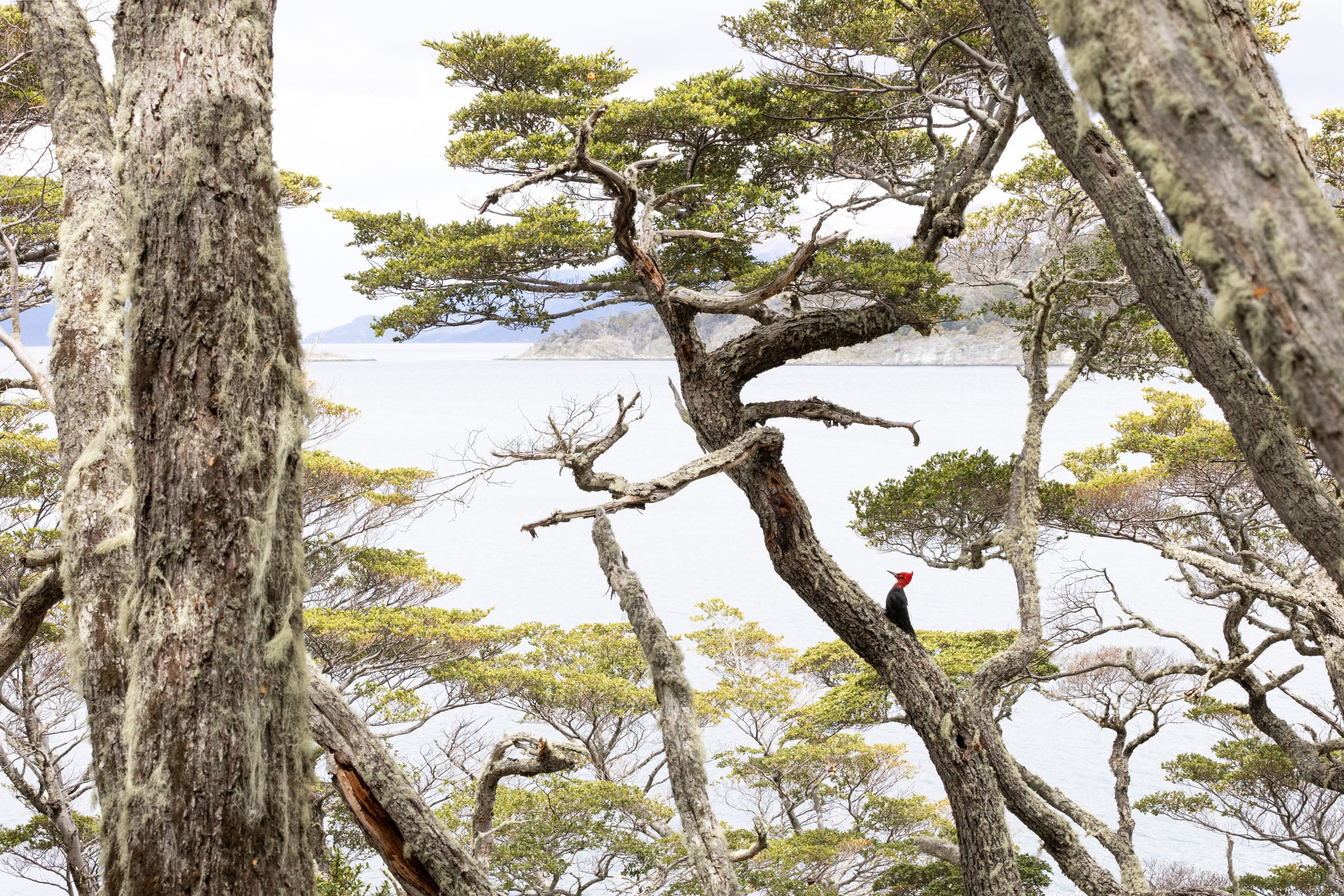
“Environmental portraits of wildlife can make us feel closer to the animals despite being farther away from them, when done right. This image of a Magellanic woodpecker in its gorgeous habitat was a perfect example. It stood out from thousands of submissions because of its understated sense of place, beauty, simplicity, and timing,” says judge Steffen Foerster.
“Overall, it was a very successful reminder of how the portrayal of nature in its literal state can still be the most powerful of photographic expressions,” Foerster concludes.
Mammals
British photographer Paul Goldstein’s foggy photo of a giraffe earned the top prize in the Mammals category.
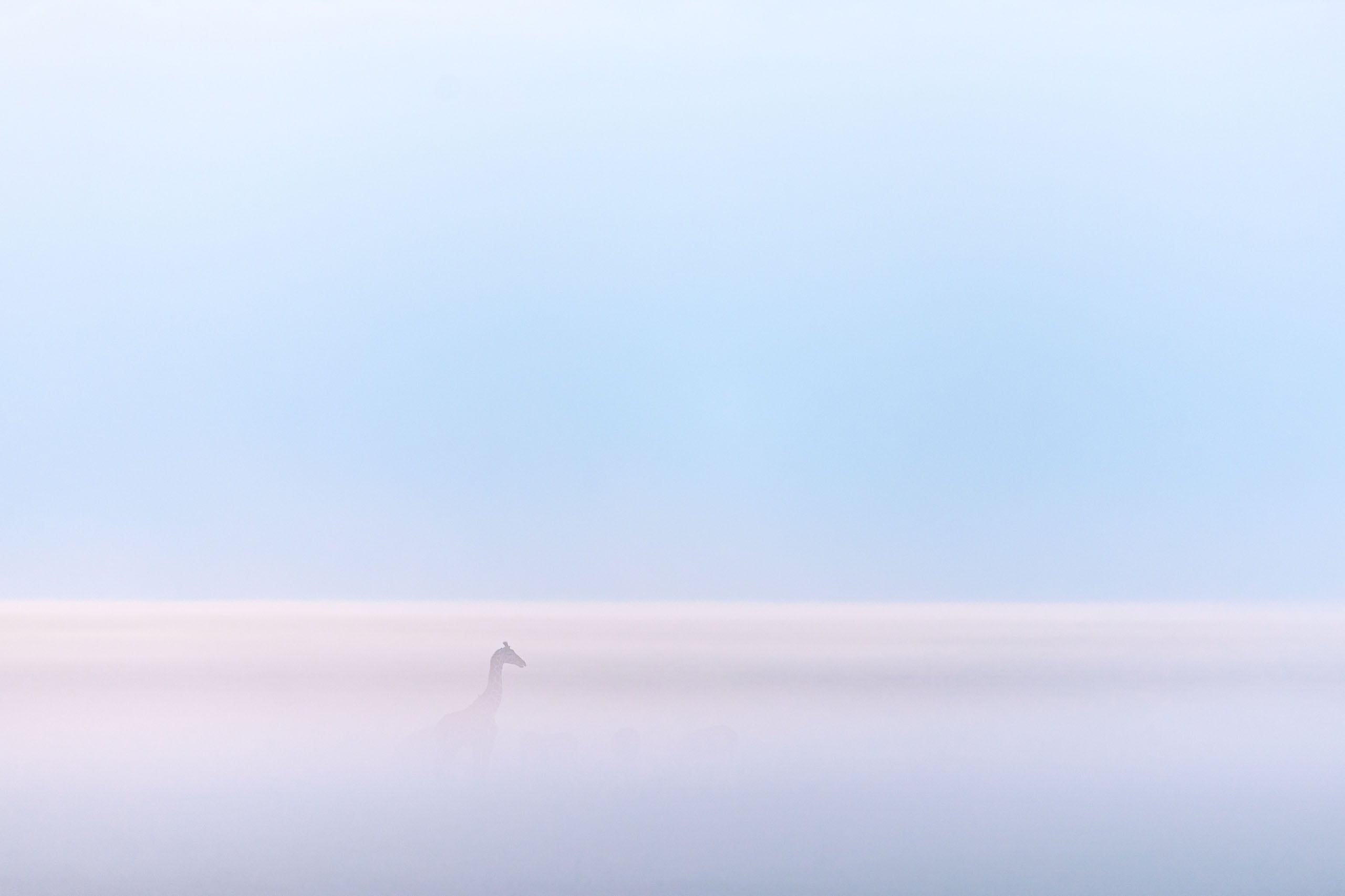
“Quiet images can be easy to overlook in the fiercely competitive mammal category, one of the largest in NPOTY. This ethereal image of a giraffe peeking out of the mist revealed its strengths gradually. Initially a little disorienting, it offered just enough of a visual puzzle to keep the viewer engaged until the image resolved,” Foerster explains.
Other Animals
Judges tapped Marcus Kuan’s macro photo of a surprisingly rich and diverse little ecosystem alongside a pitcher plant in the Other Animals category. The Singaporean photographer impressed the panel with his composition and lighting.
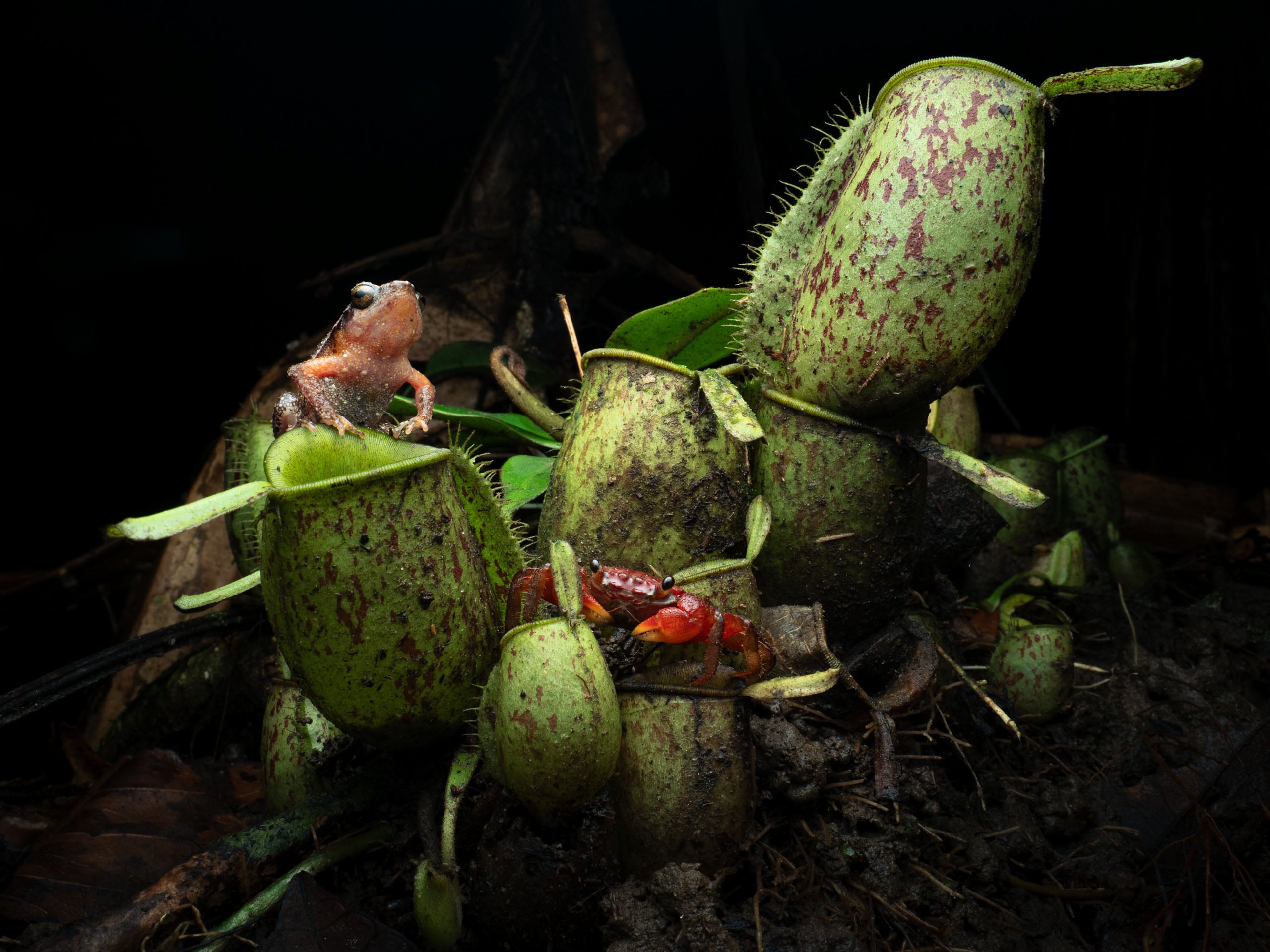
“The lighting, colors, and unexpected gathering of species immediately caught our attention. Kuan beautifully captured a world where crustaceans, amphibians, and carnivorous plants cross paths,” explains jury member Louis Guillot.
“As judges, we were drawn to the possibilities unfolding within this single frame. Could the pitchers be digesting invertebrates? Might the frog be exploring a potential egg-laying site, while the crab continues its daily search for food among the plants?” Guillot continues.
Landscape
Photographer J Fritz Rumpf from the United States won this year’s Landscape category with a silhouetted photo of Iguazú Falls in Argentina.
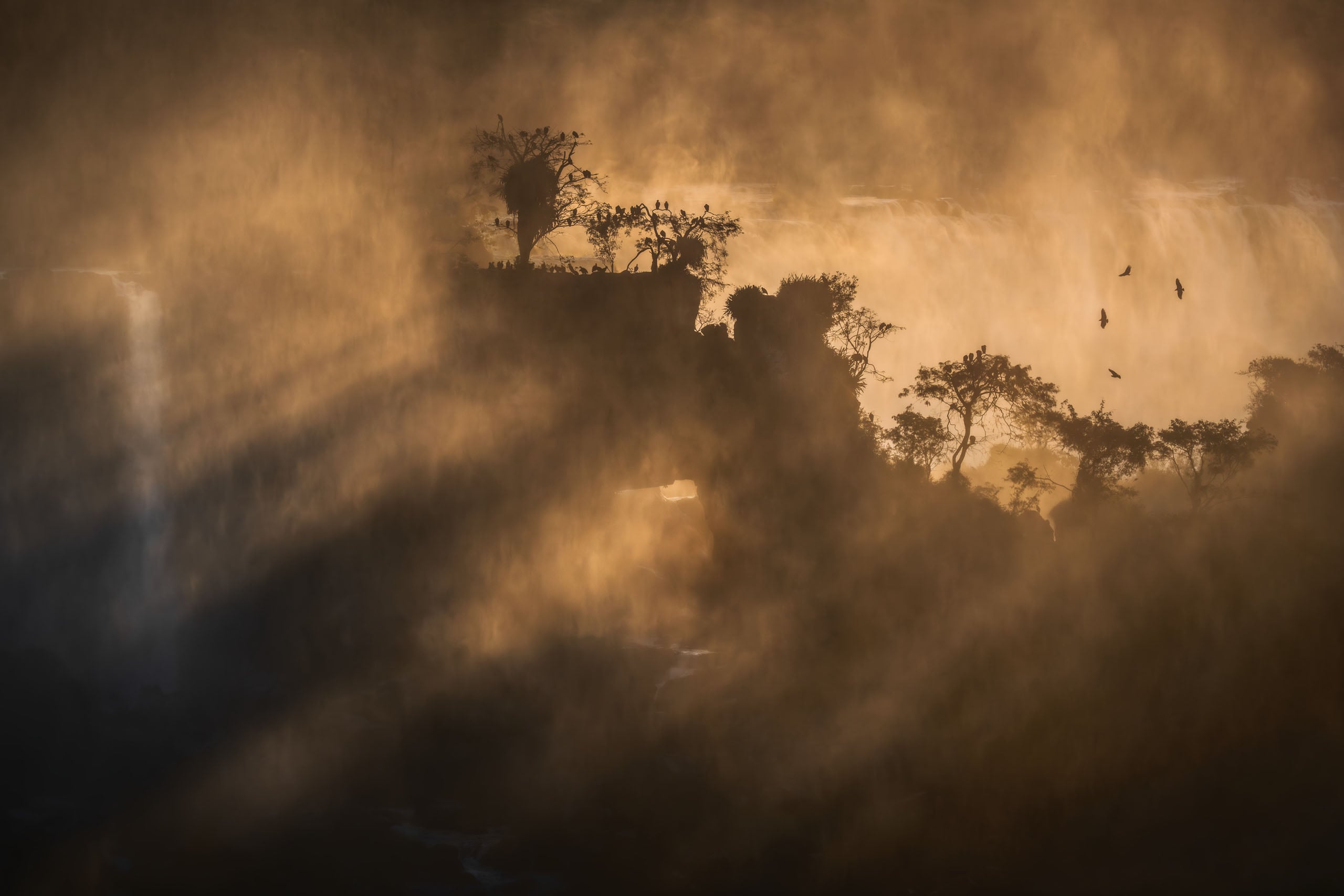
“What immediately caught our attention was the incredible light and atmosphere in this photo. The longer we looked, the more fascinating it became. There is so much to discover: the last light of day illuminating the mist rising from Iguazú Falls, the silhouettes of trees and rocks, the birds circling above, the sunlight streaming through an opening in the rock at the center, and the subtle waterfall on the left,” says jury member Ilse Koks.
Underwater
Another American photographer, Matt Pérez, won the Underwater category with a striking photo of a turtle beneath a collection of newt eggs.
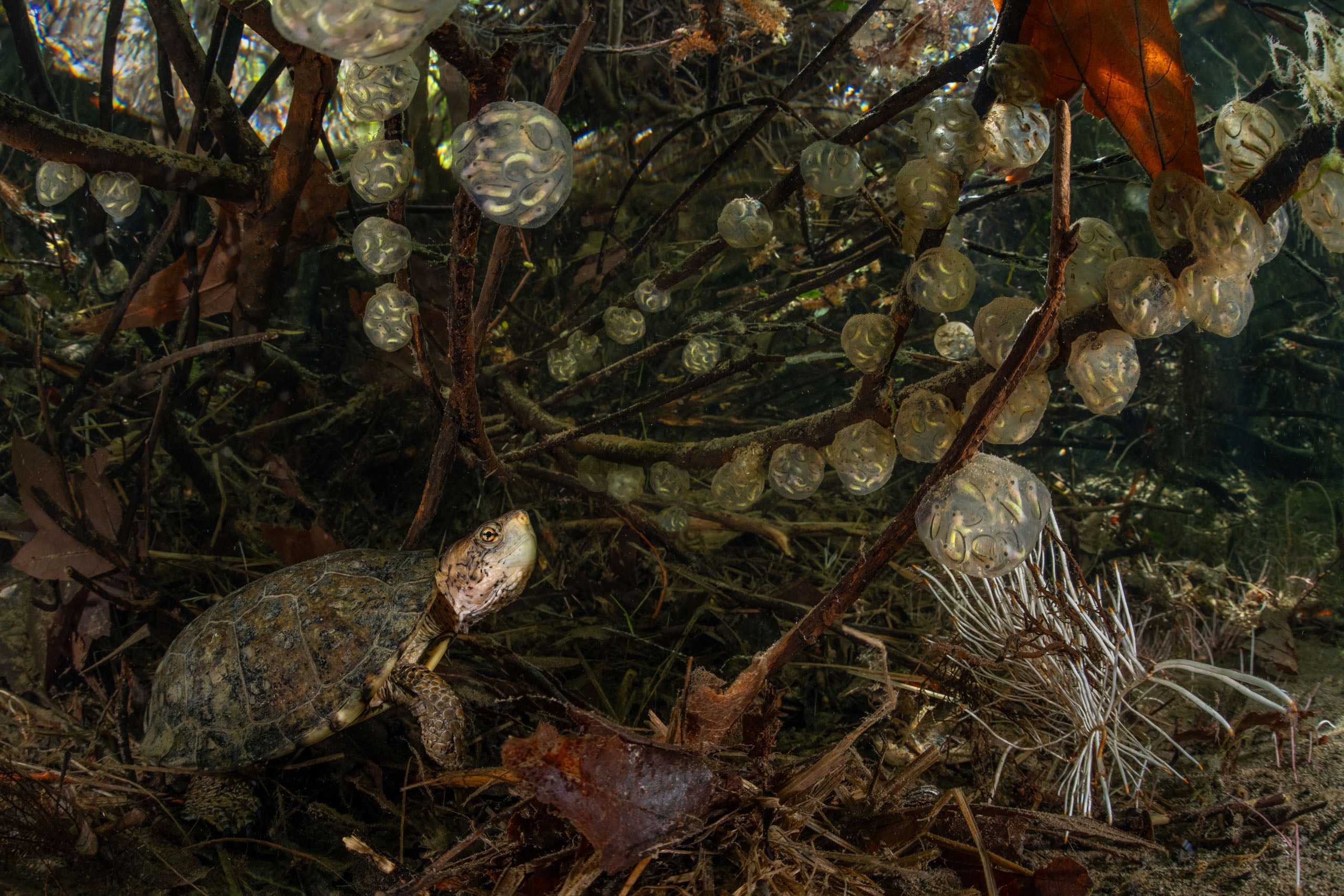
“Pérez’s photograph immediately drew us in. As a jury, we wanted to linger over it, exploring the details and wondering what we were seeing,” remarks Guillot. “Newt egg masses decorate the submerged branches like baubles on a Christmas tree, framing the scene and guiding our eyes towards the pond turtle with its piercing yellow eyes.”
Guillot adds that the scene looks “otherworldly,” which is a very apt description.
Nature Art
Chinese photographer Xuzhong Liu’s abstract drone shot of a winding landscape ticks all the right boxes. It has interesting patterns, striking colors, and a very pleasing composition.
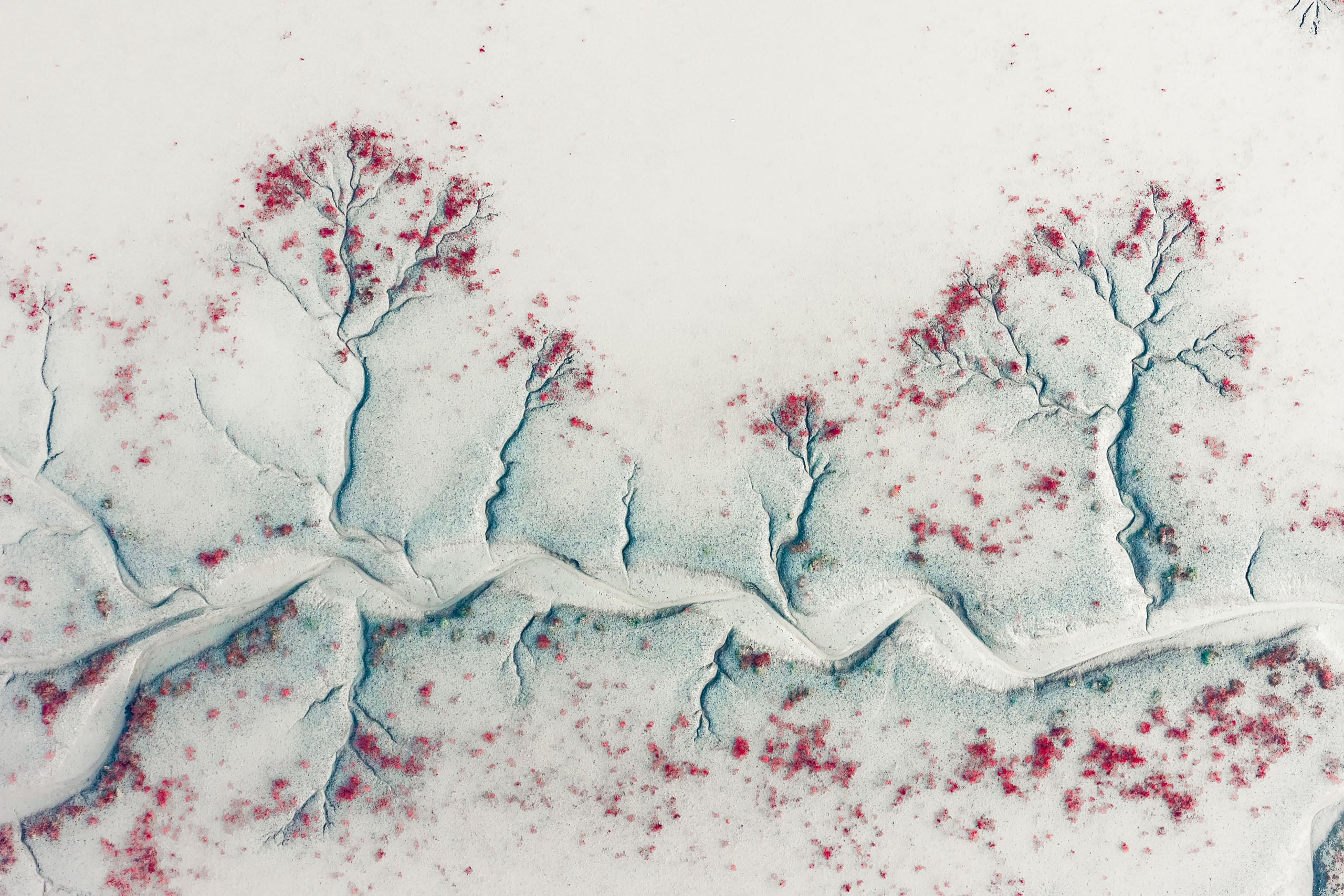
Liu captured the image in a wetland area in China and says the scene strongly reminded him of peach blossoms he had previously photographed—hence the title, “Peach Blossoms in the Snow.”
“This photograph has everything that can make a drone shot interesting and fascinating. First and foremost, there are beautiful shapes and subtle colours, but there is also a sense of alienation. What am I actually looking at, and what is the scale of the landscape in the photograph?” asks the chair of the judging panel, Theo Bosboom.
Human and Nature
Czech photographer Petr Bambousek’s winning photo depicts a sobering scene of a Malayan sun bear resting inside a garbage incinerator.
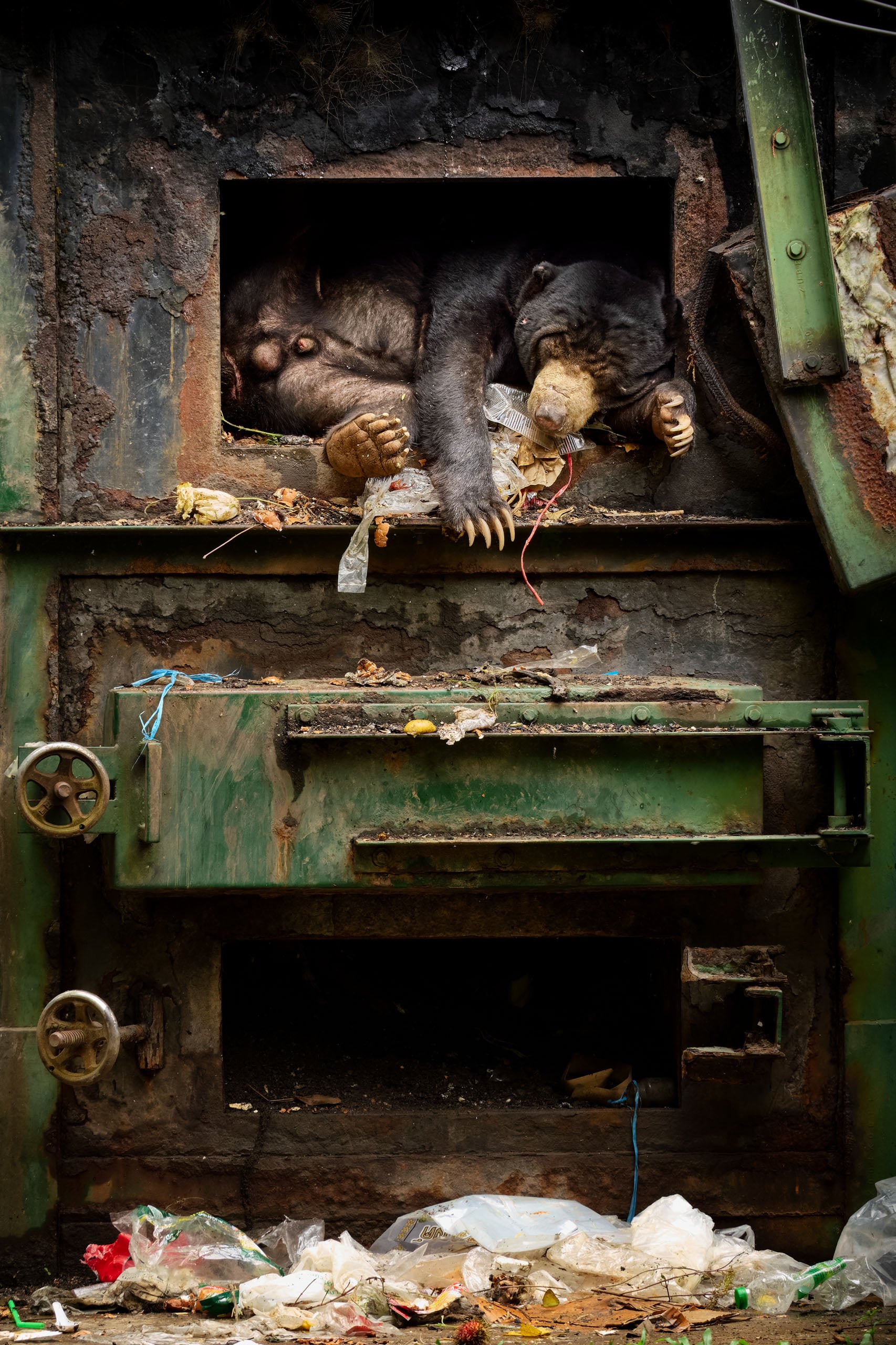
“The winning image stood out for its striking depiction of the impact human activity has on local wildlife,” explains jury member Lana Tannir. “The sleeping Malayan sun bear inside a garbage incinerator creates a powerful visual contrast, showing how habitat loss and human waste increasingly force wild animals into close contact with human environments.”
Tannir says Bambousek’s photo is “unexpected and unsettling.”
Black and White
Hungarian photographer László Tóth won the Black and White category for his striking, high-contrast, abstract photo.
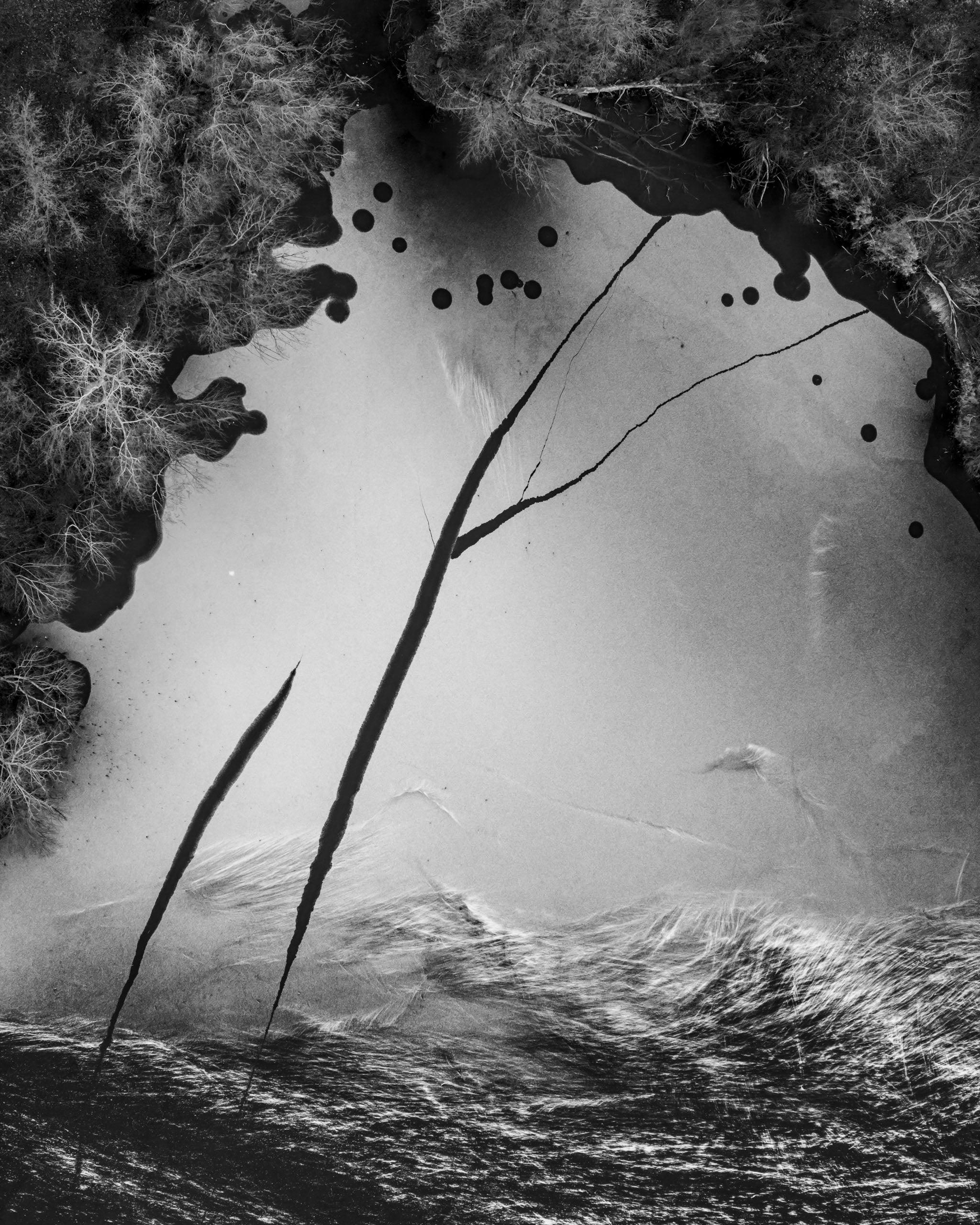
“This photo really stood out to us. At first, we were not quite sure what we were looking at. It sparked some wonderful discussions among the jury and made us look even closer,” says Ilse Koks.
As for what the photo actually depicts, it’s a thin layer of snow on top of a frozen lake, shaped by the wind.
Animal Portraits
This photo might be familiar to PetaPixel readers. Norwegian photographer Audun Rikardsen recently won an award for a similar underwater portrait of a polar bear peering down through a hole in the ice.
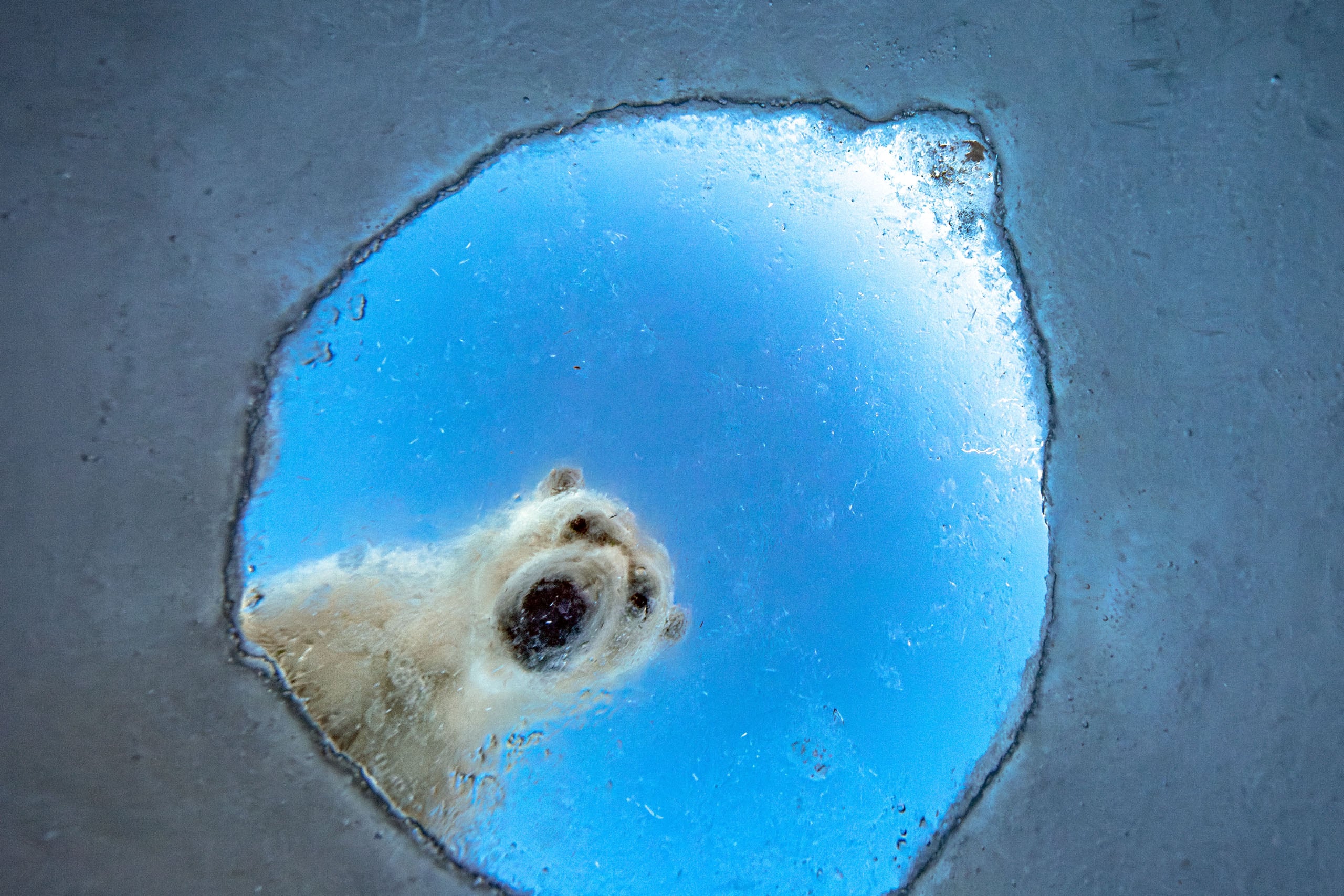
“Just when we thought we had seen about every kind of polar bear image there is, along comes this shot taken from inside a hole in the ice looking up at the bear,” says Steffen Foerster. “Once you realize what is happening, you start thinking about how this shot could possibly have been taken. Then it dawns on you that it seems almost impossible, no matter how.”
Nature of ‘De Lage Landen’
This special category, “De Lage Landen” (which translates to “The Low Countries”), celebrates photos captured in the low-lying region of northwestern Europe, including the Netherlands, where Nature Photographer of the Year is based. This year’s winning photo is by Hungarian photographer Enikő Kálovics.
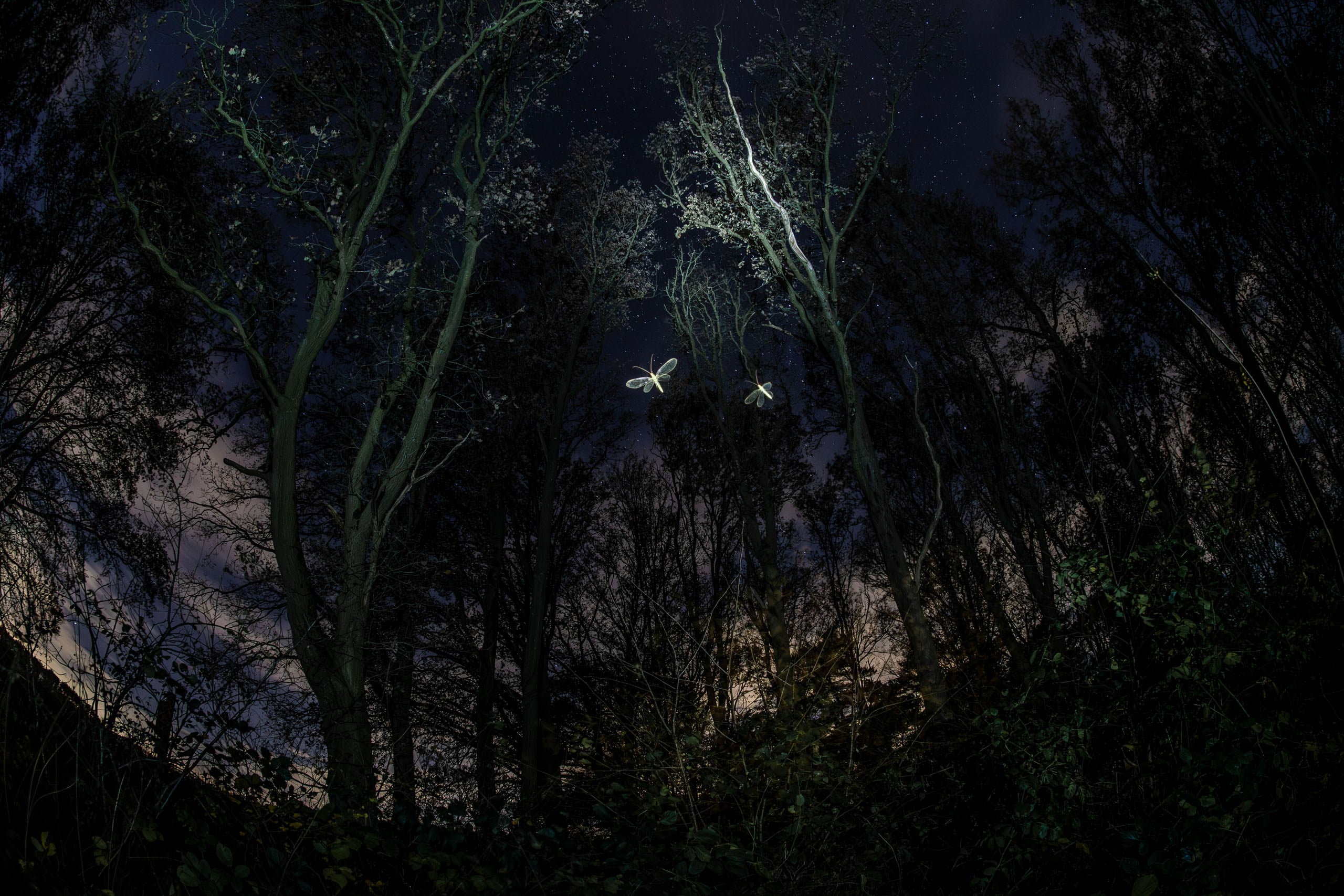
“The winning image stood out for its ability to transform a familiar landscape into something dreamlike and unexpected,” says Lana Tannir. “The combination of the tiny lacewings, the autumn forest, and the purplish night sky creates a delicate, atmospheric interpretation of the nature of ‘De Lage Landen.'”
Youth (Ages 10-17)
American photographer Parham Pourahmad, who was also recently celebrated in the 2027 North American Nature Photography Association (NANPA) Showcase, won this year’s Youth category with a lovely monochromatic photo of a coyote beneath a large tree.
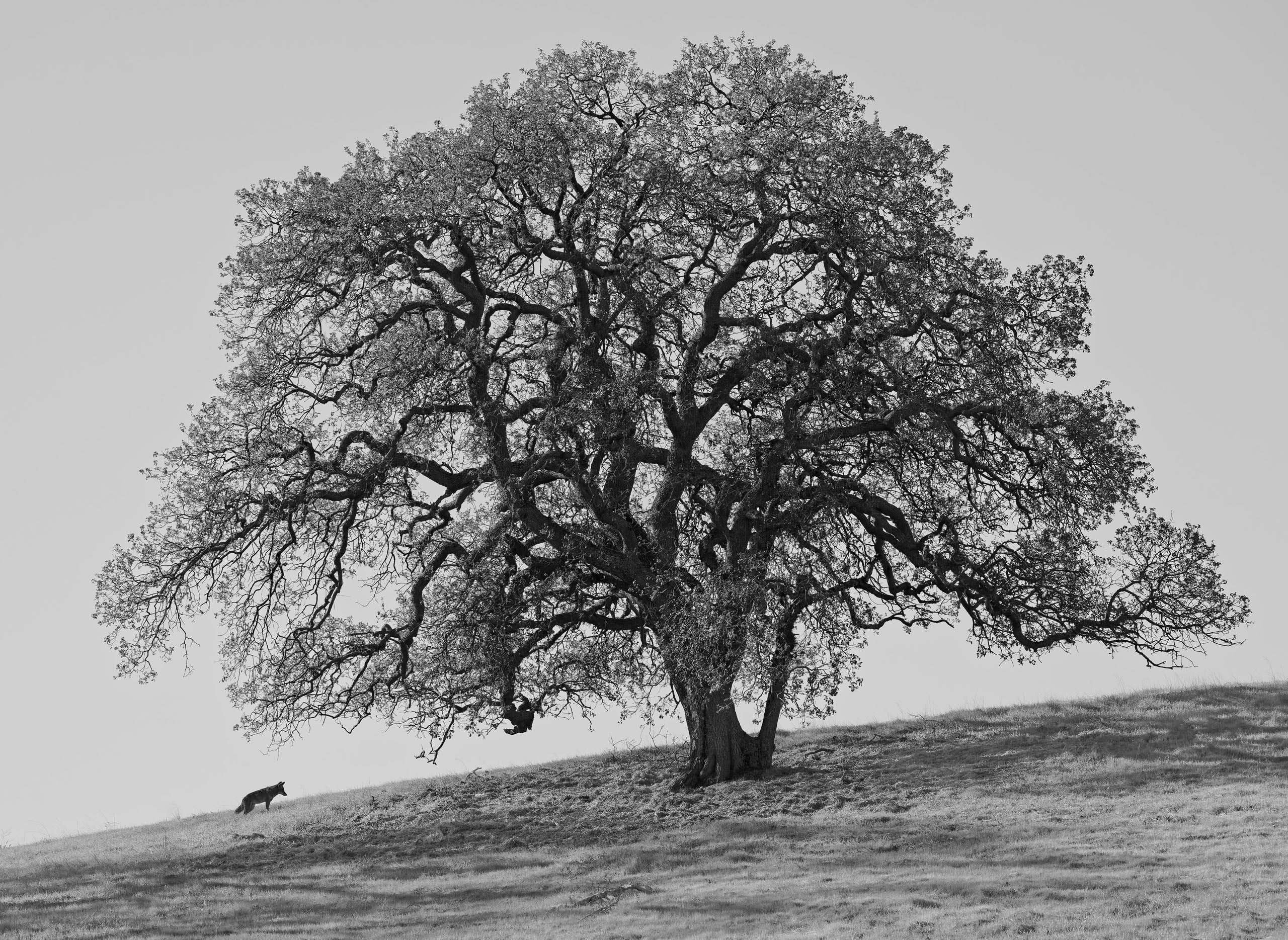
“In ‘Tree of Life’, Pourahmad captured a striking scene that could comfortably hold its own in the adult categories,” says Guillot. “Black and white was an excellent choice, defining the coyote’s silhouette and revealing the majestic oak’s intricate network of branches. Even within this wider scene, the coyote’s downward gaze is clear. Pourahmad explained that it was searching for rodent prey, a small detail that brings the photograph to life.”
Pourahmad has also been named Youth Photographer of the Year.
Fred Hazelhoff Award: Portfolio
The Fred Hazelhoff Award celebrates a portfolio of nature photos, rather than a single image. This year’s portfolio winner is German photographer Simone Baumeister.
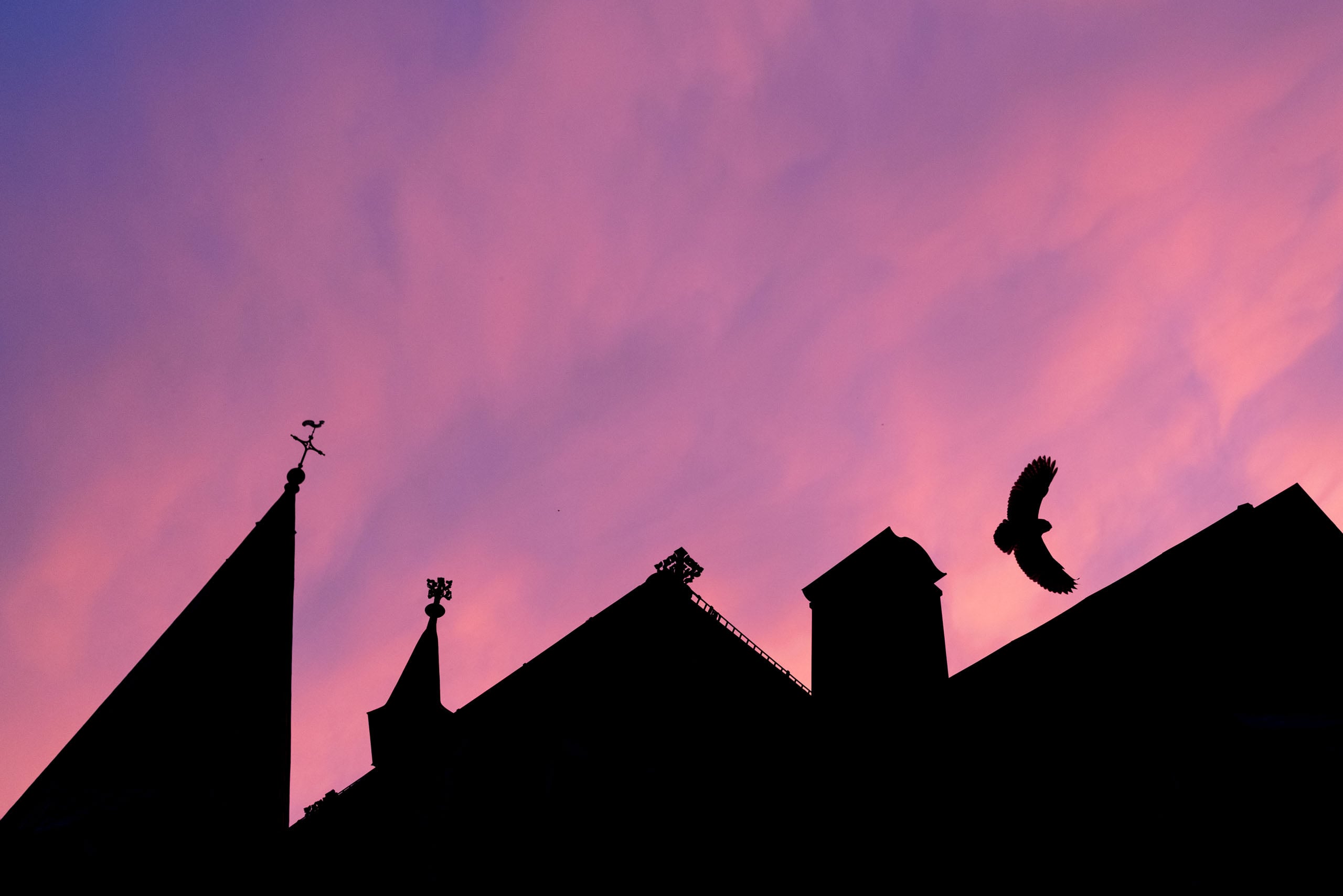
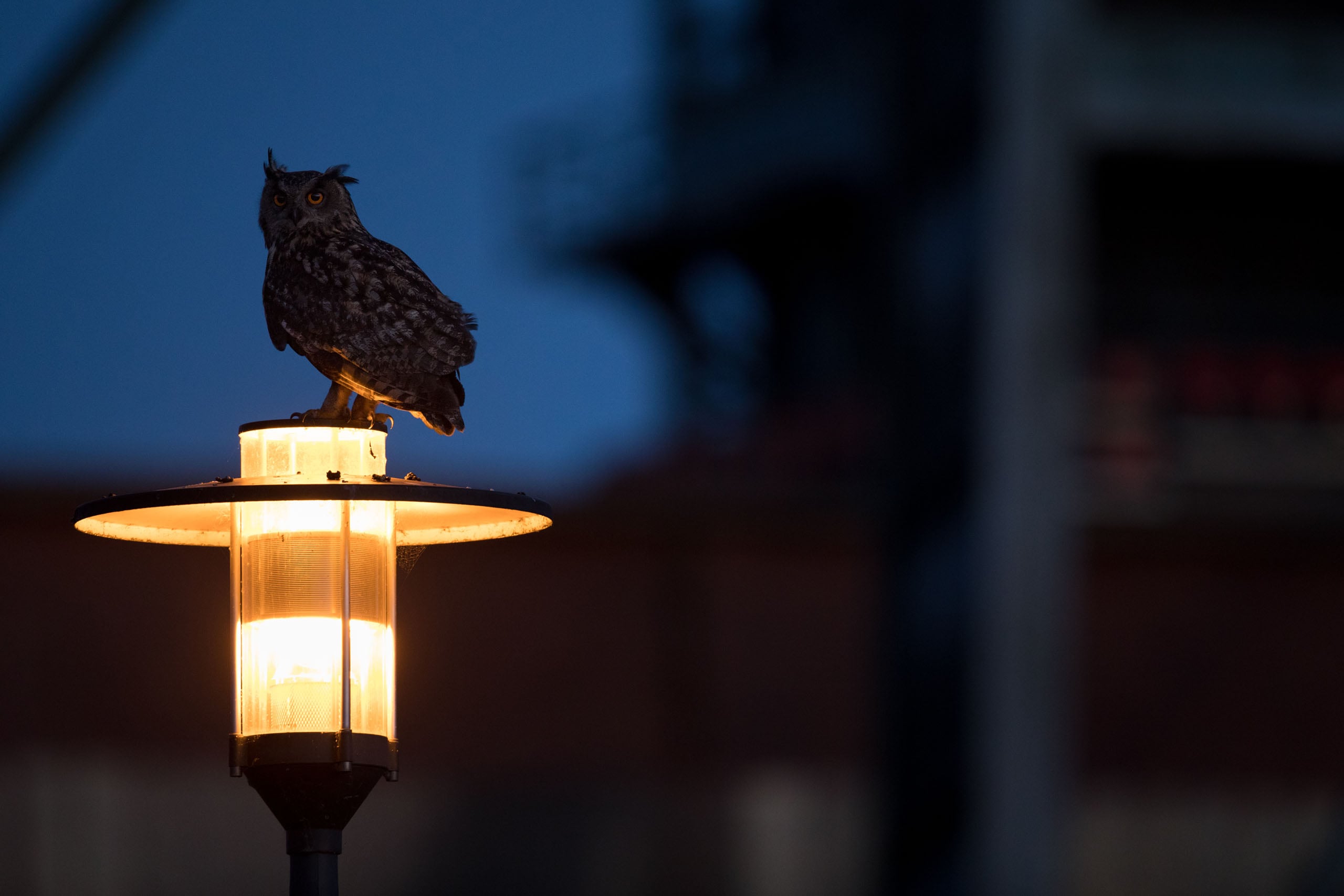
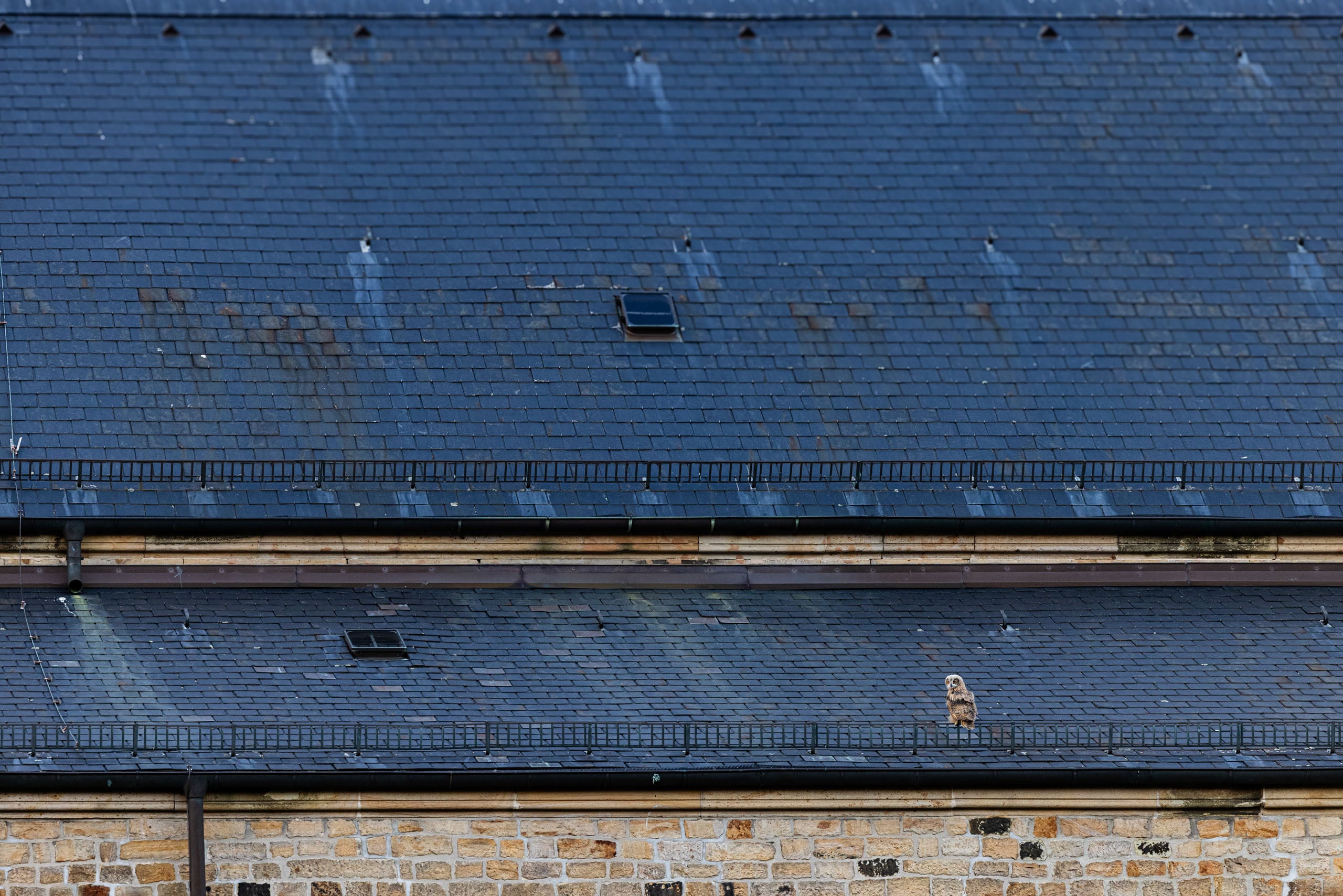
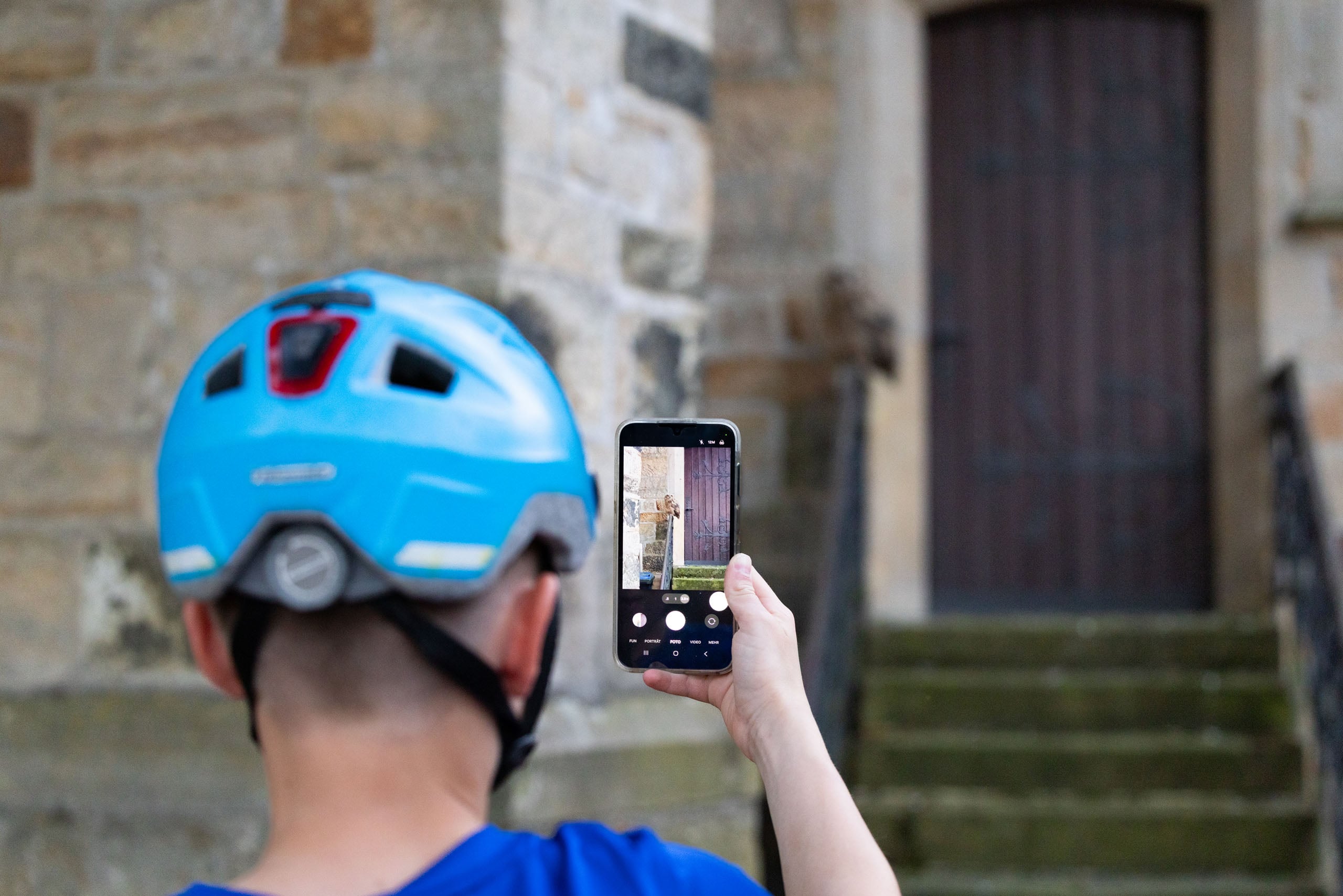
“In the portfolio category, the bar is set considerably higher for participating photographers than in the individual categories. Whilst a single fantastic photograph is sufficient there, in the portfolio category you need a whole series of outstanding images that not only complement one another but also fit together well in terms of style and theme. Simone Baumeister has succeeded brilliantly in this with her portfolio on eagle owls in the city,” says jury chair Theo Bosboom.
Baumeister has been fascinated by owls for as long as she has been interested in nature photography. The eagle owl’s story is a positive one, in contrast to the plight of many species across the globe. The species, once on the brink of extinction in Germany, has made an incredible recovery. Its resurgence is thanks largely to major conservation efforts and extensive reintroduction programs.
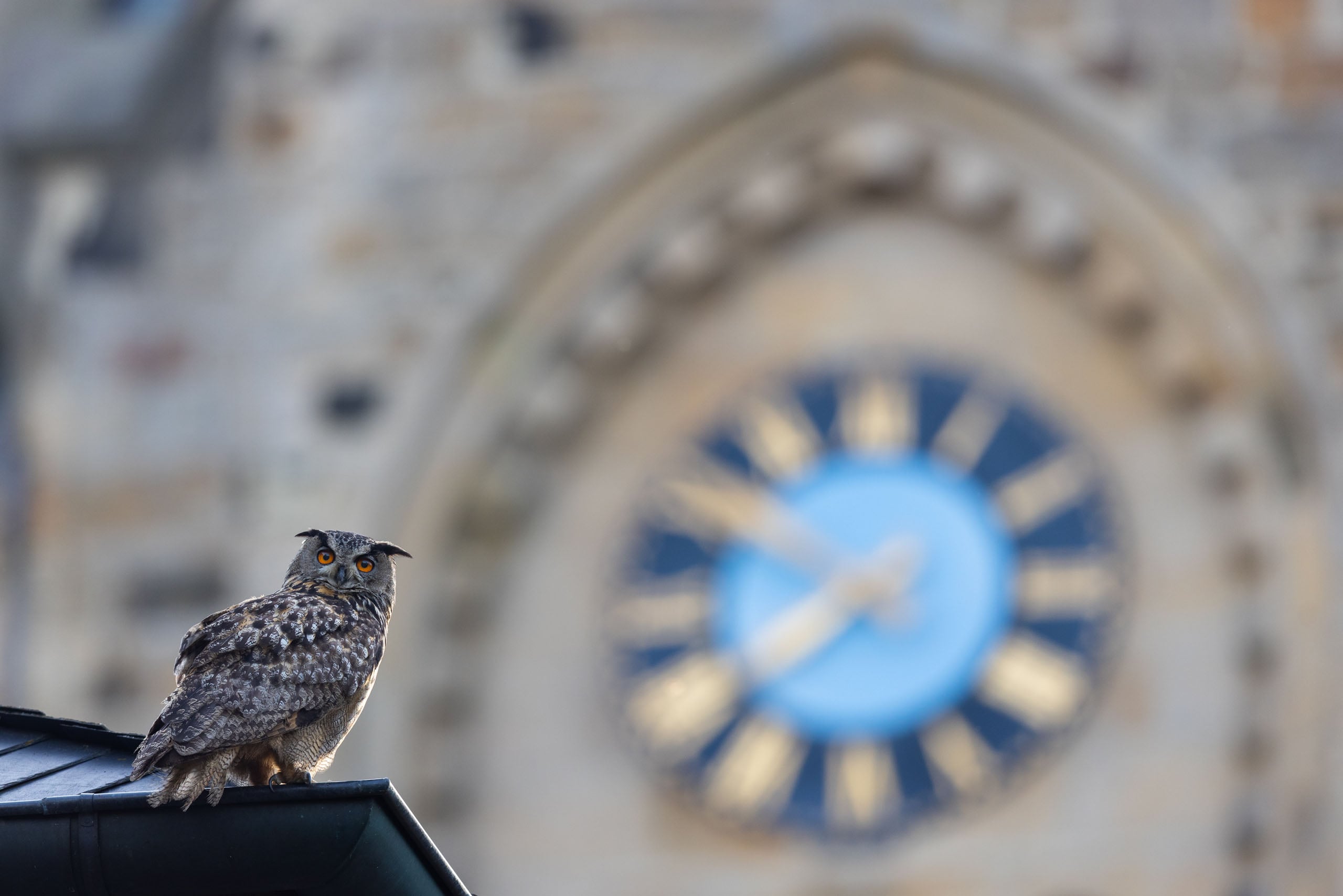
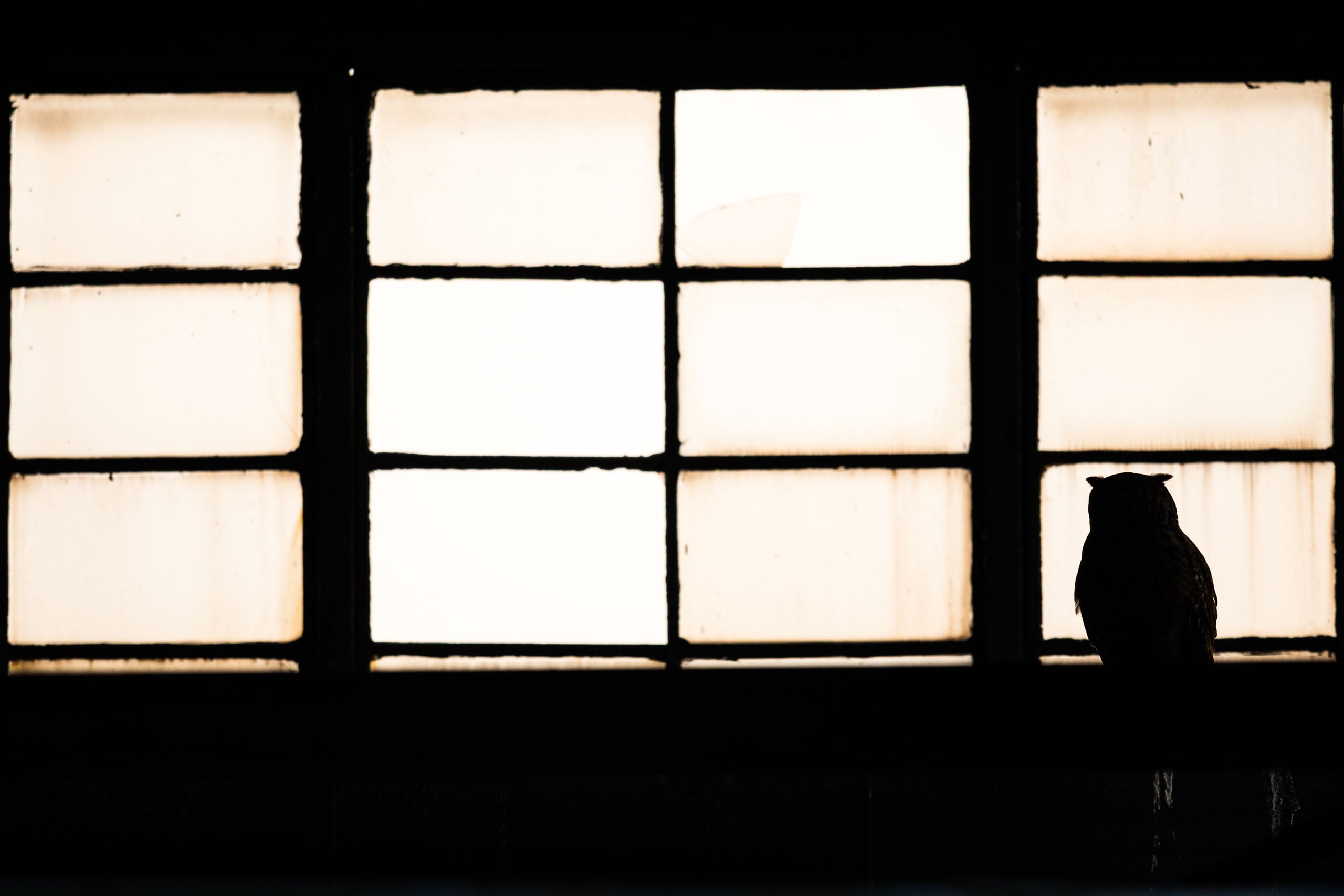
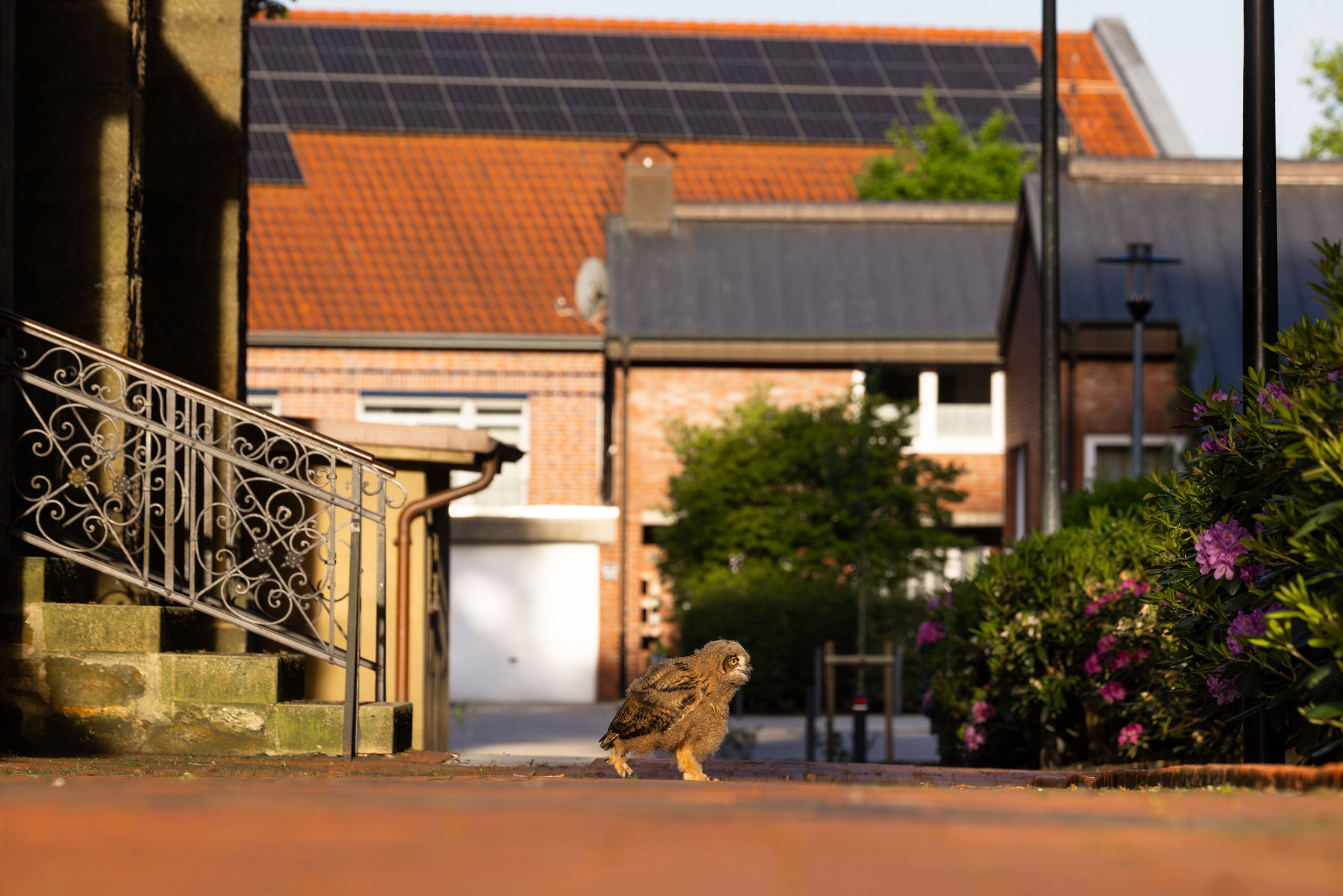
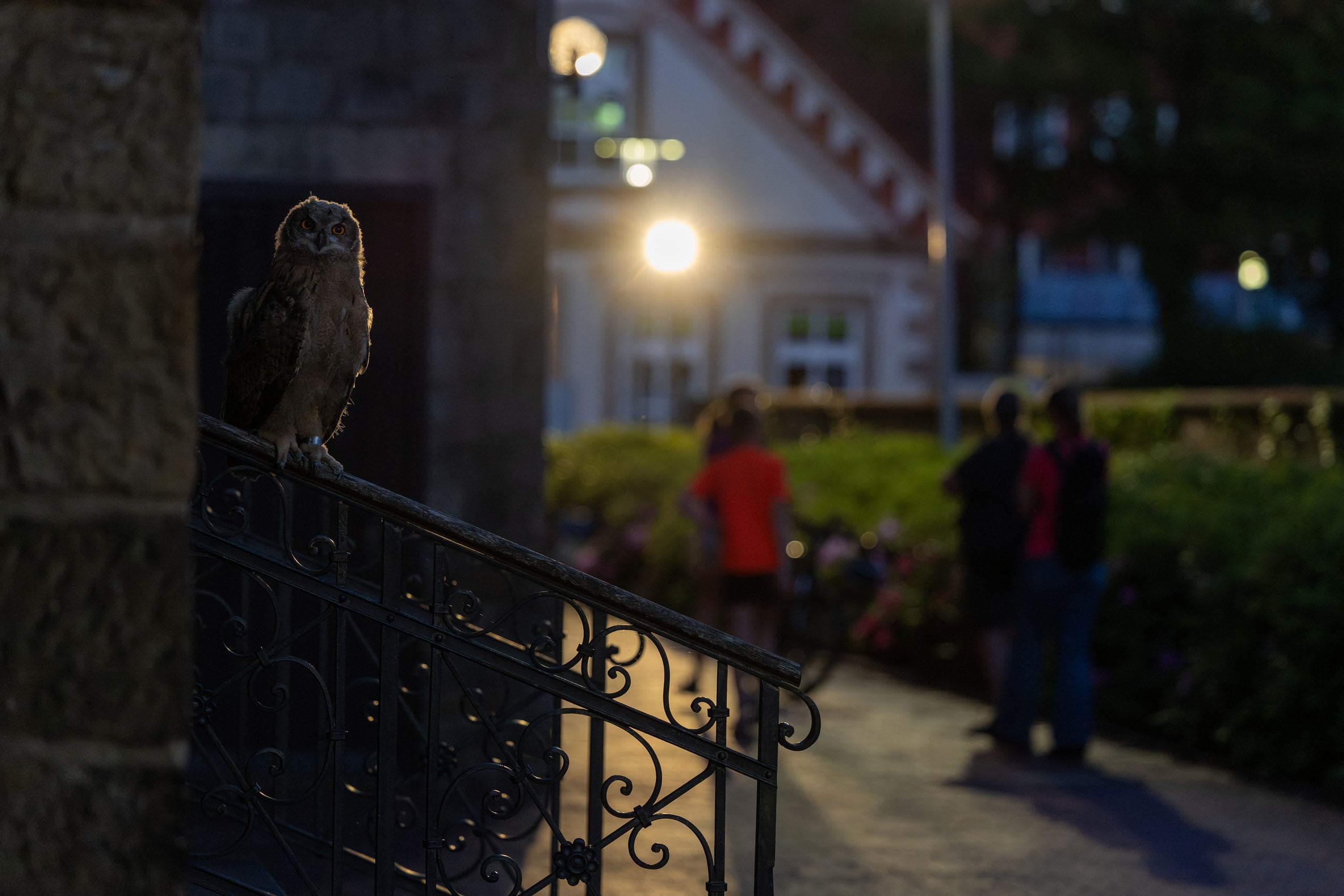
“It was perched in twilight on a church, right below the street lamps, moving cars, and a string of people passing by, with music blaring from a pub right on the church square. Not a soul took notice of the impressive bird with a wingspan of 1.7 meters flying up the steeple, sitting enthroned right within everybody’s view,” the photographer says of the first time she saw an eagle owl in a city.
Ever since then, she has been consistently excited by eagle owls and keen to photograph them in many different places. Observing and photographing them in various cities inevitably morphed into a dedicated project.
More From Nature Photographer of the Year
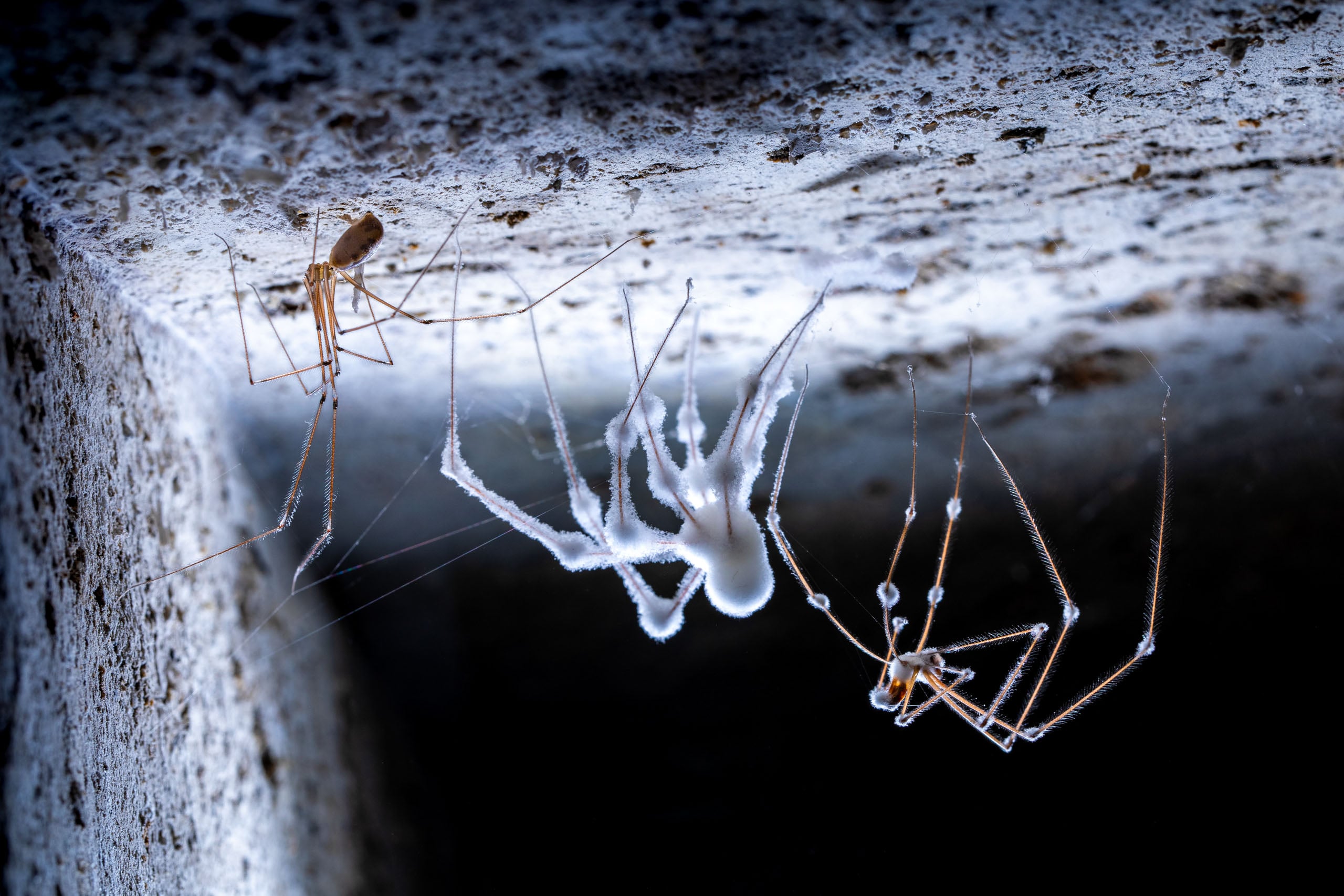
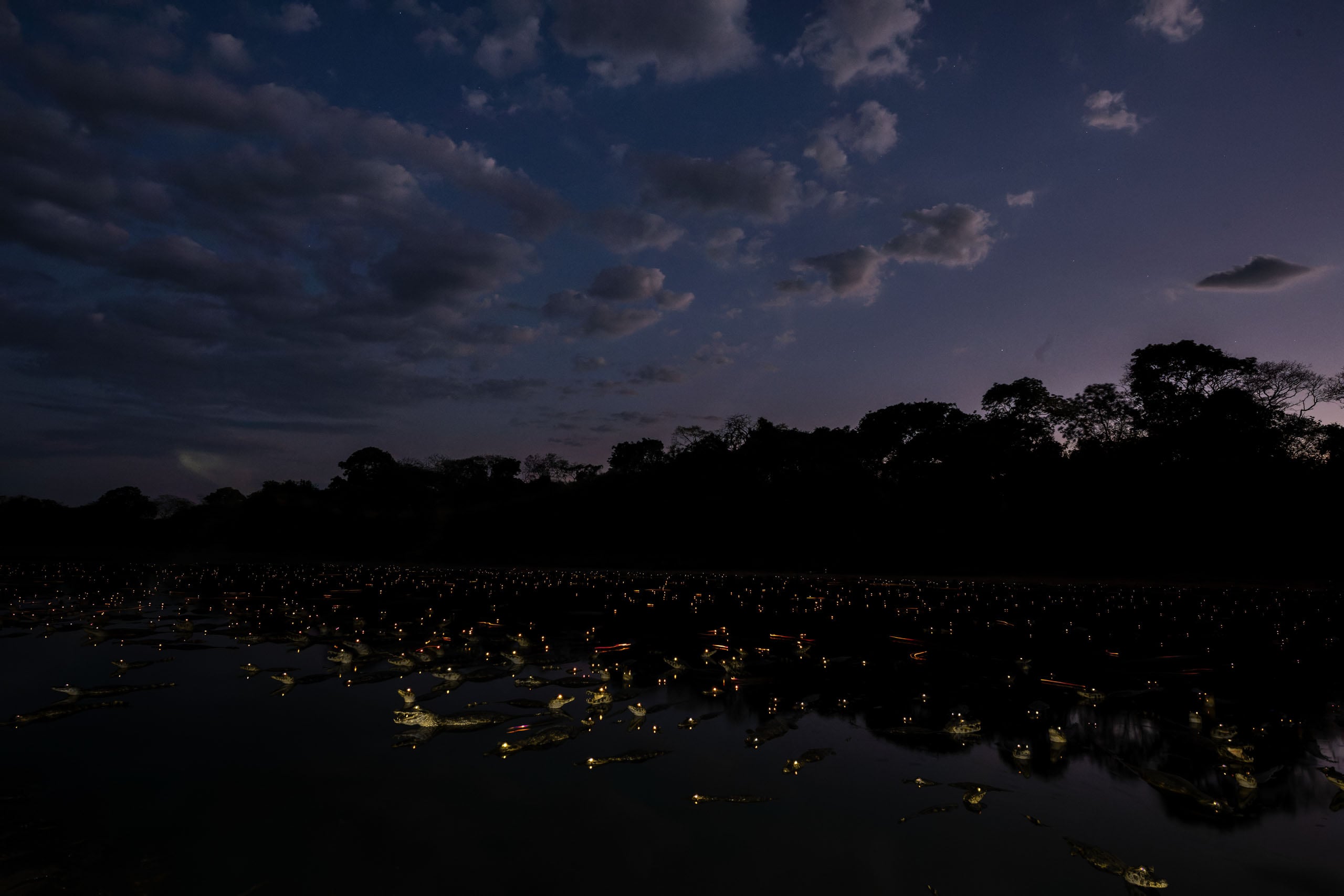
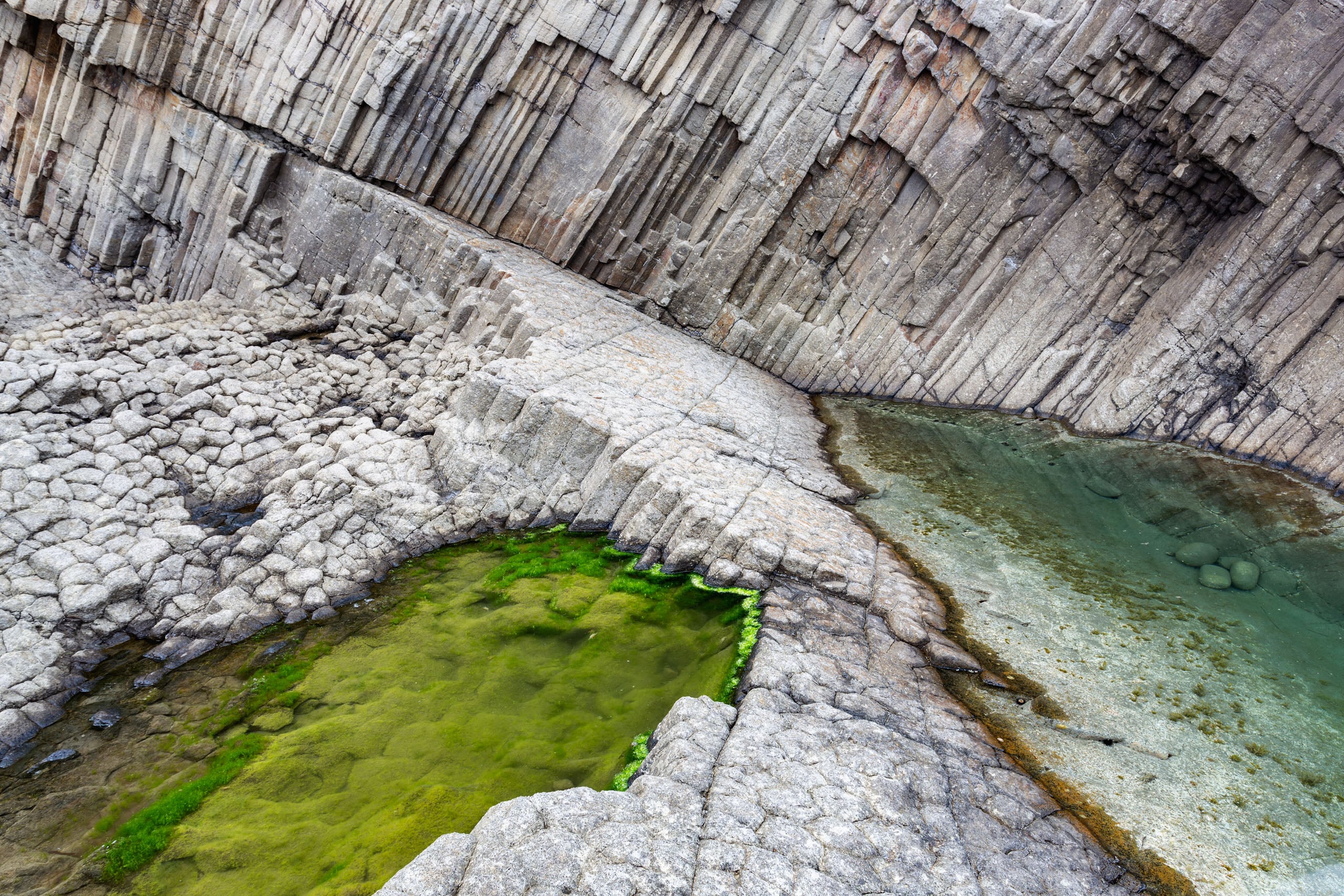
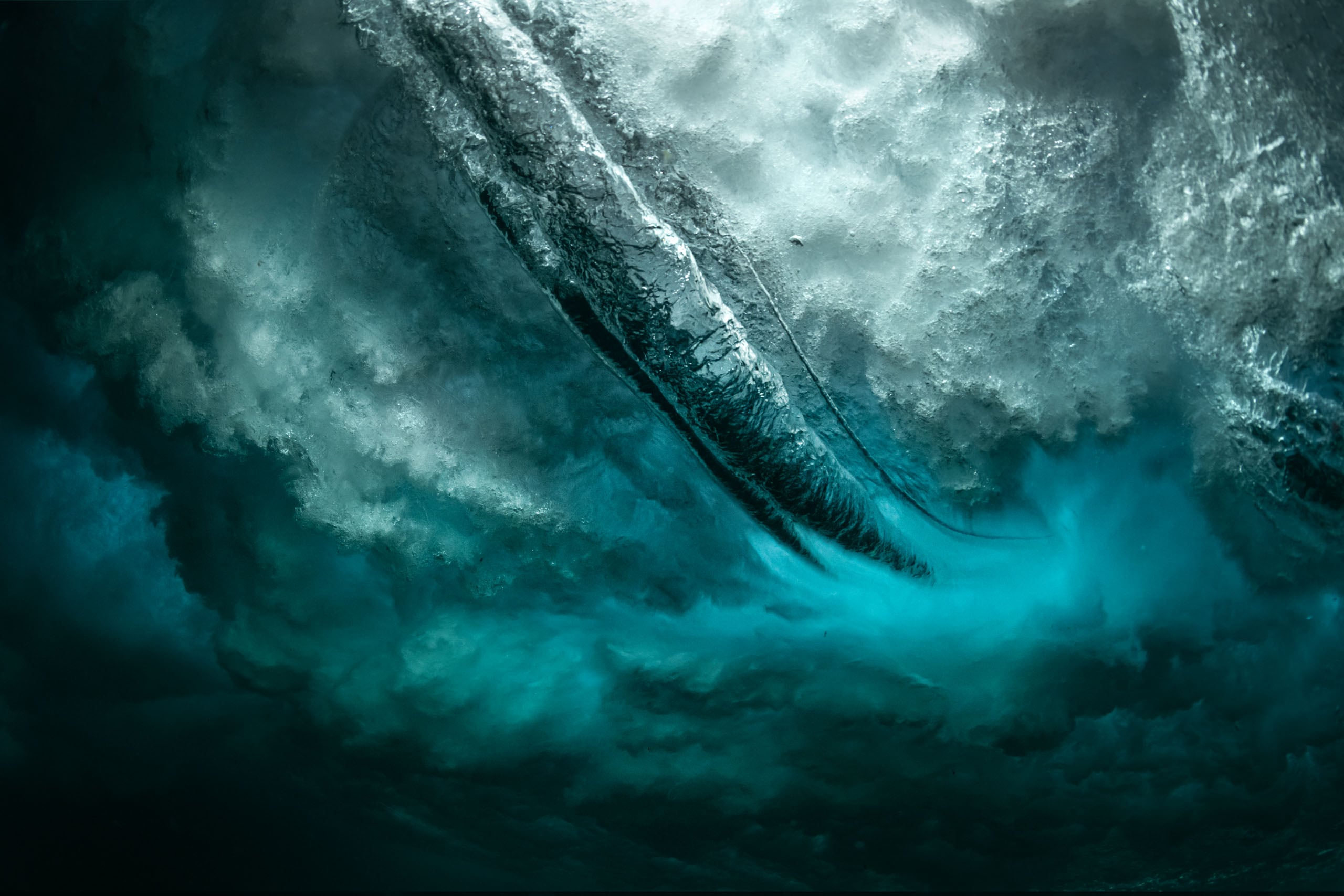
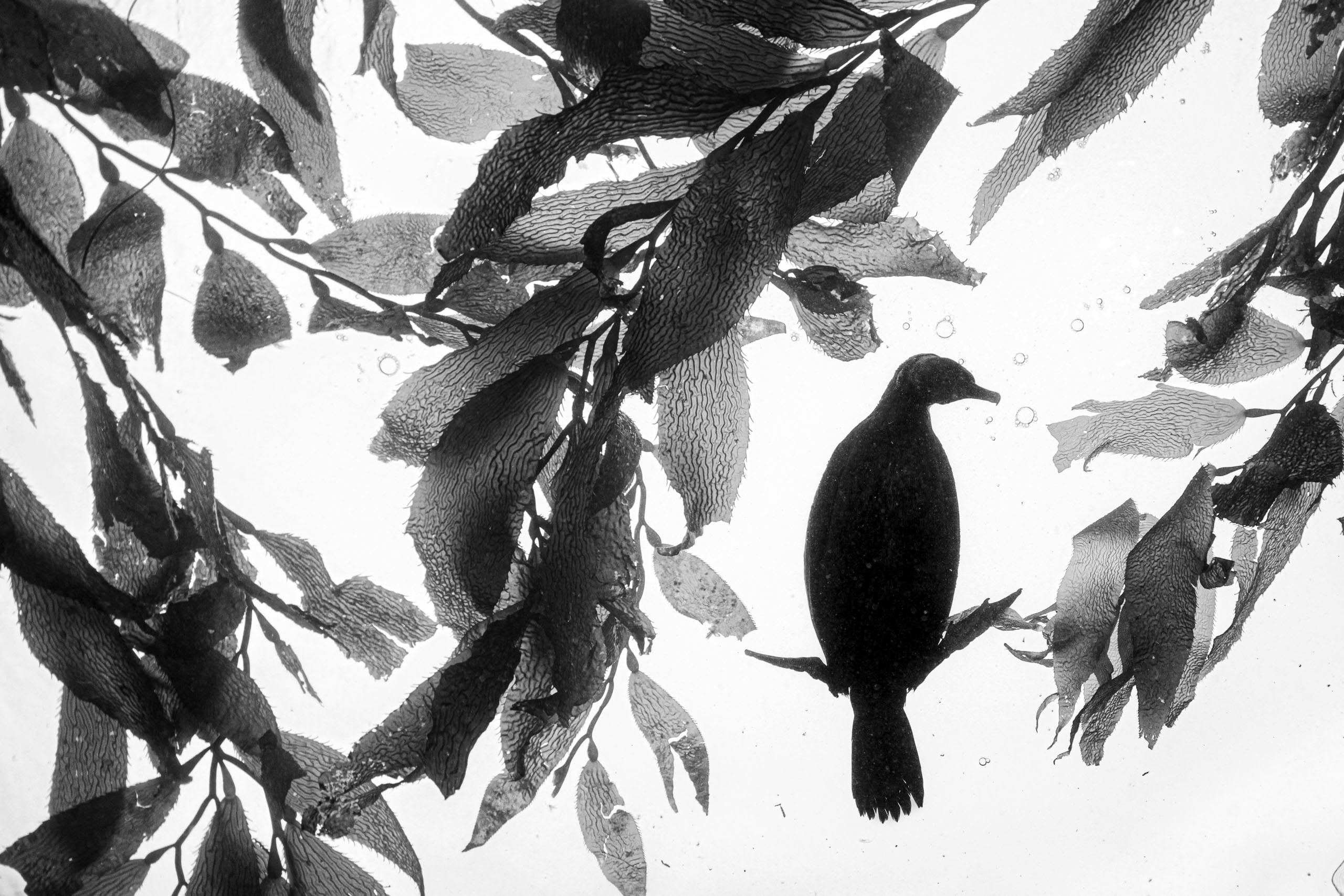
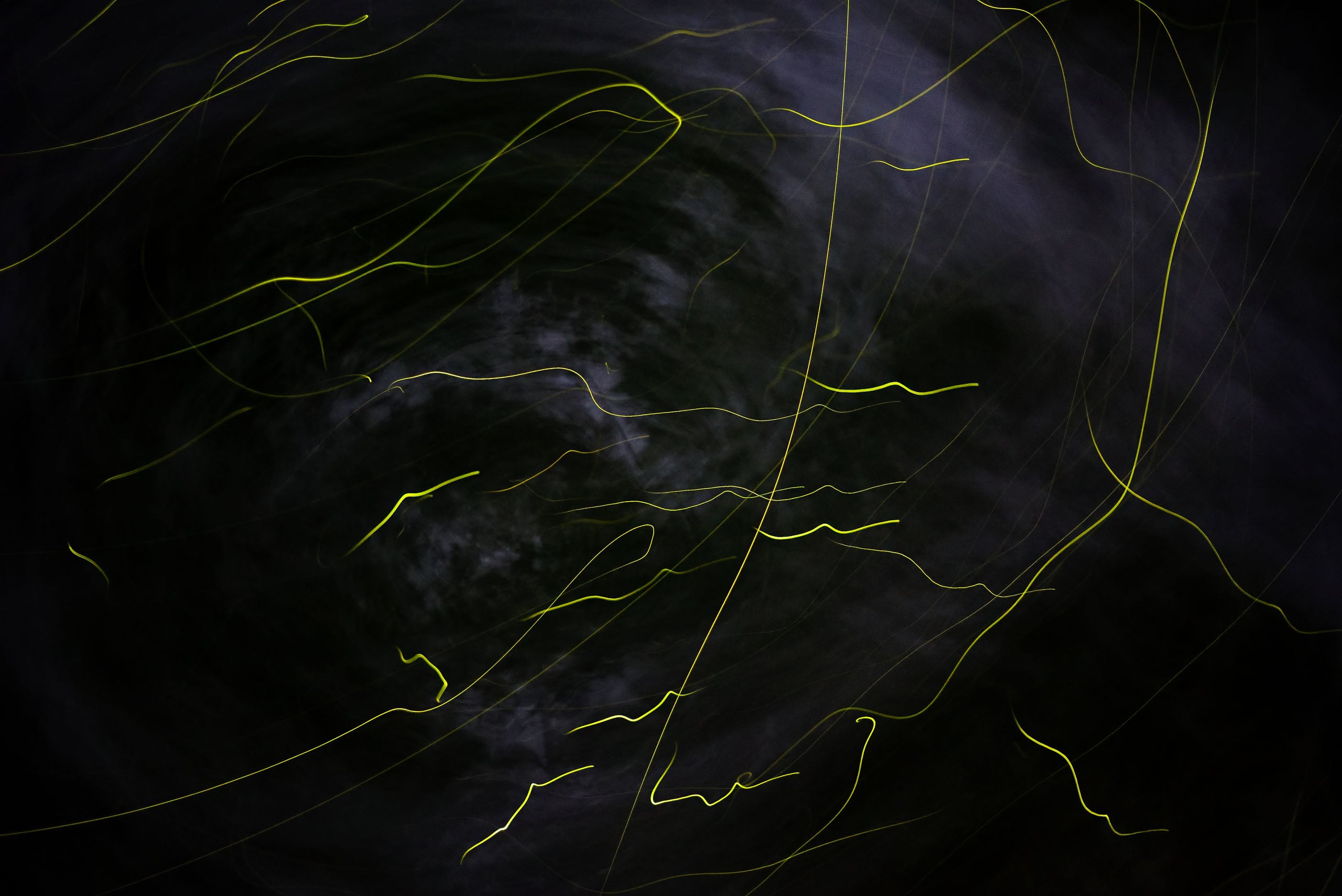
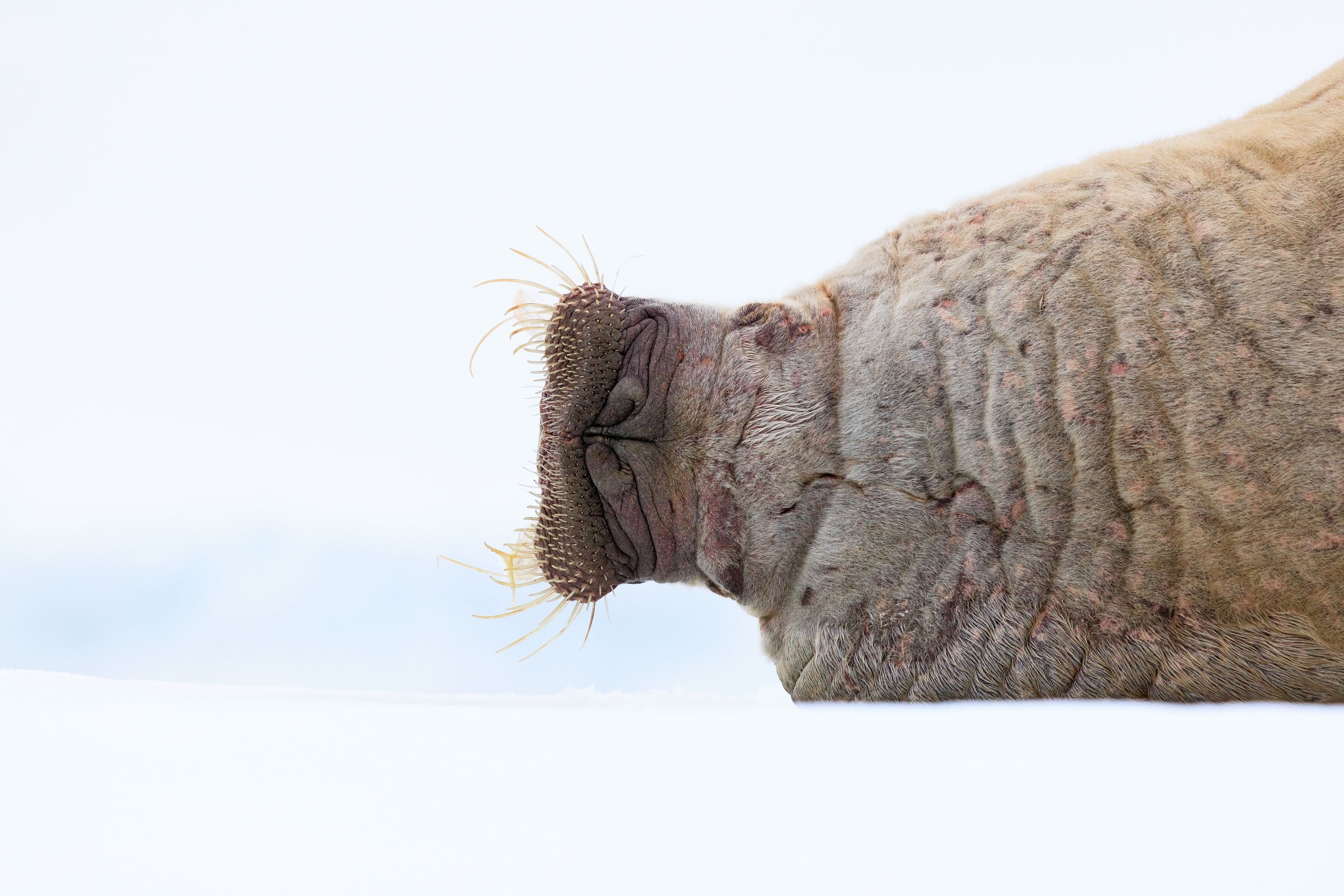
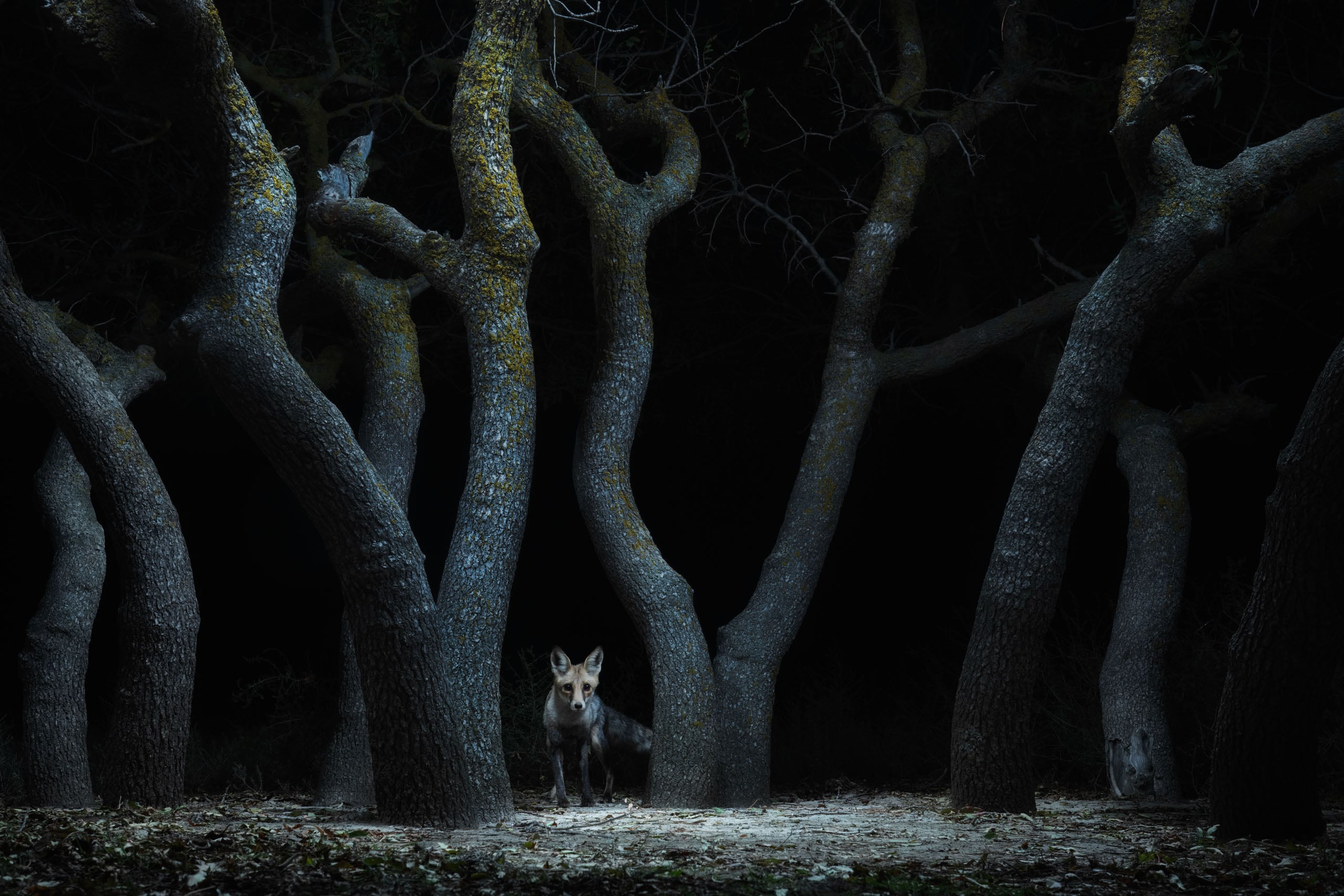
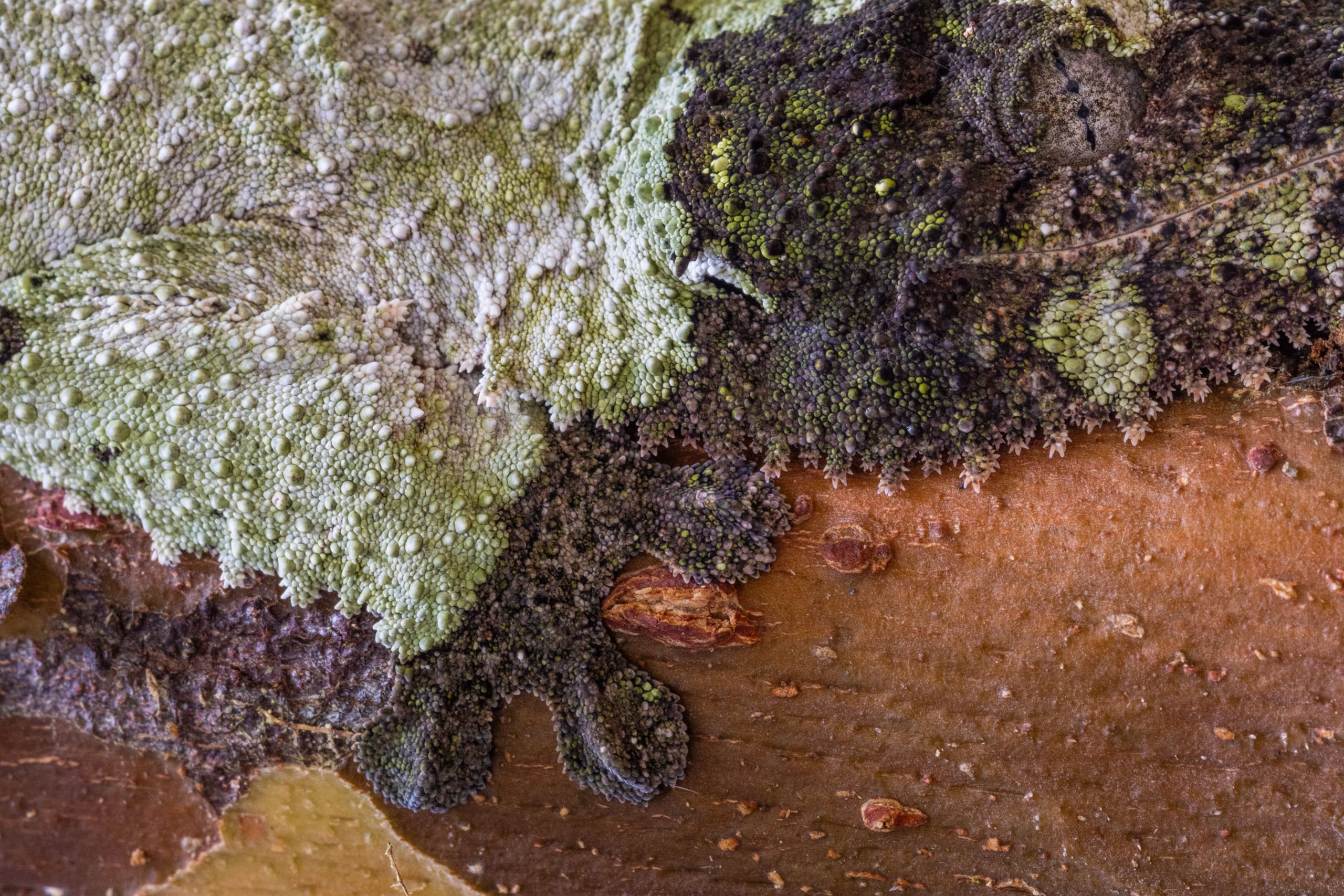
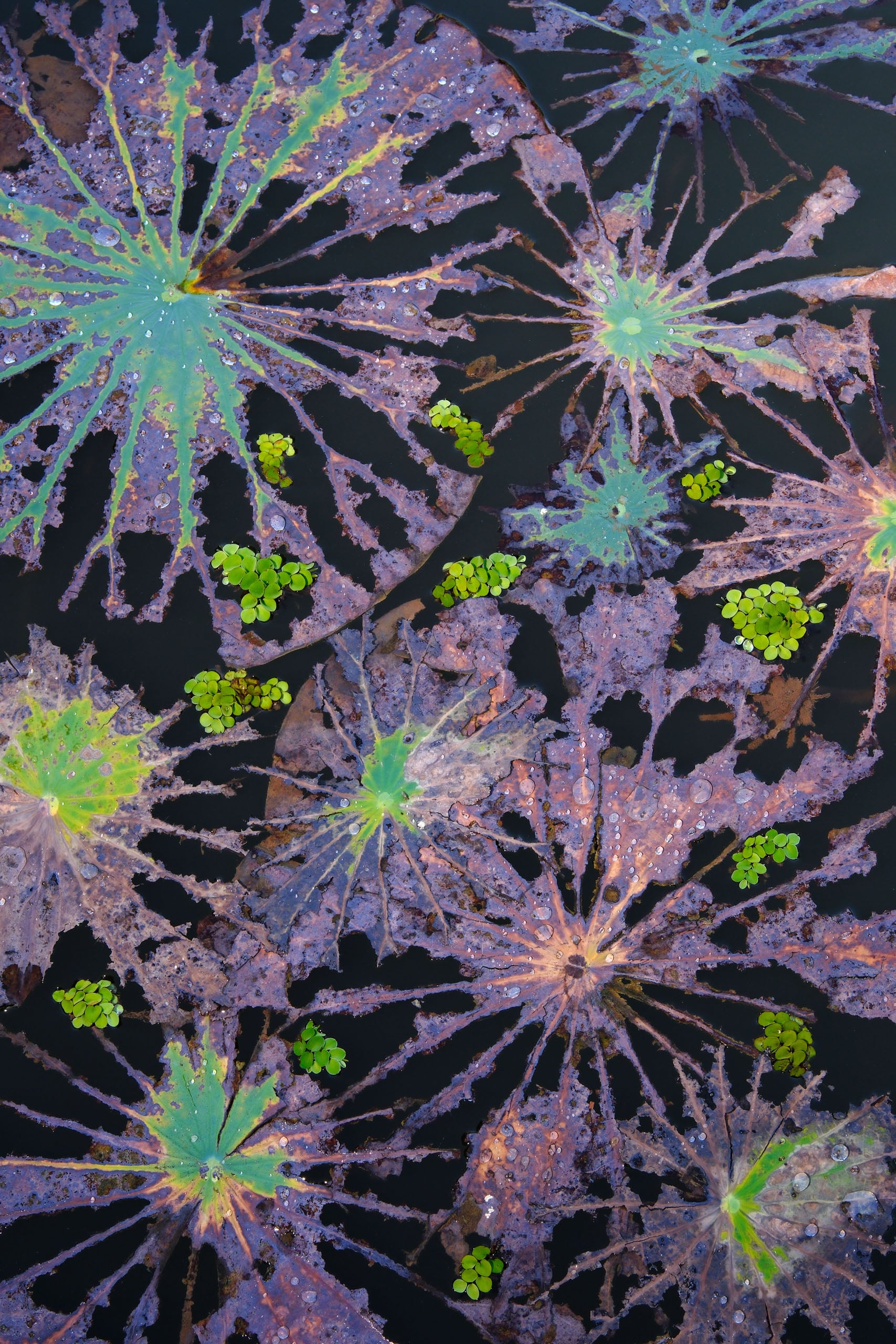
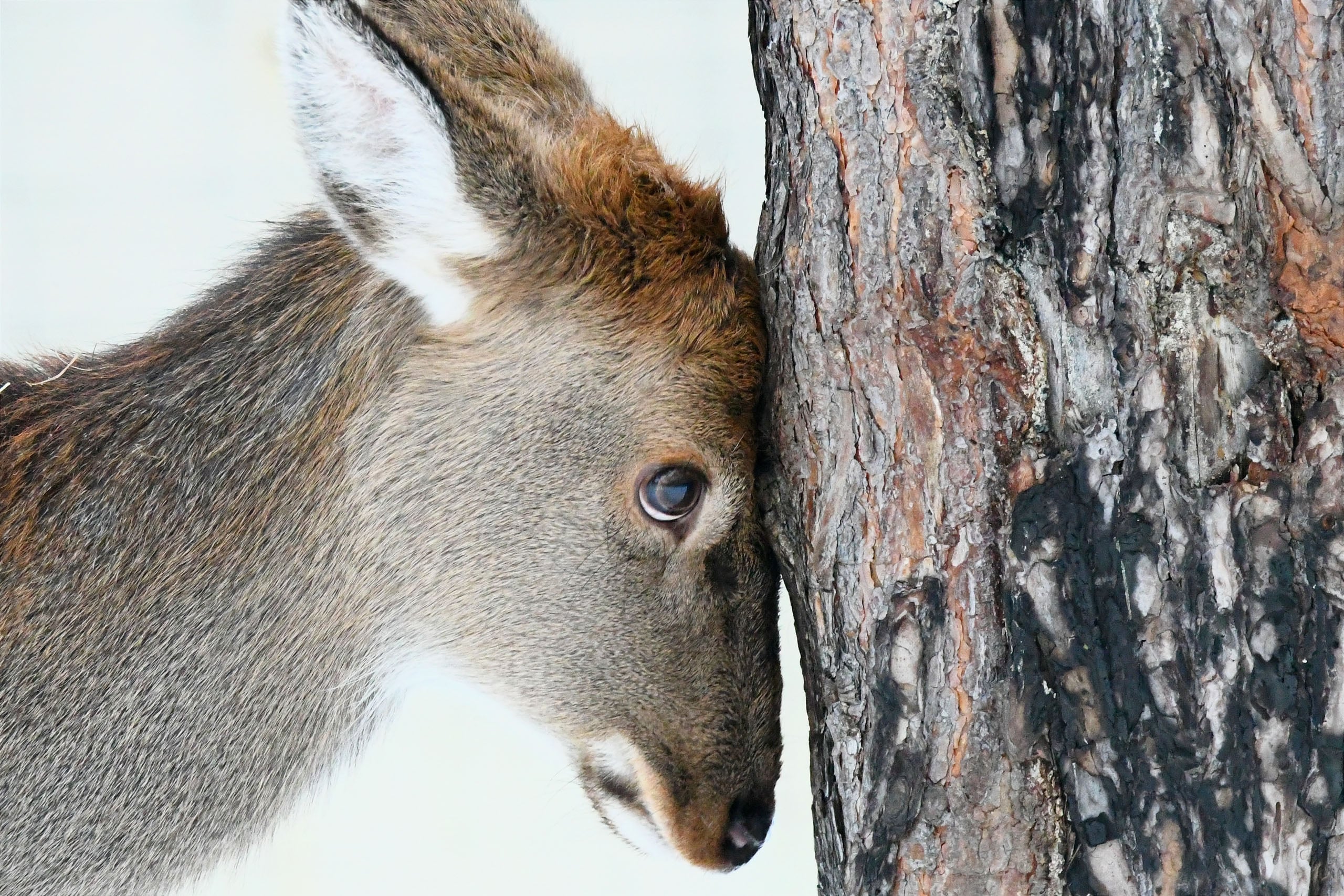
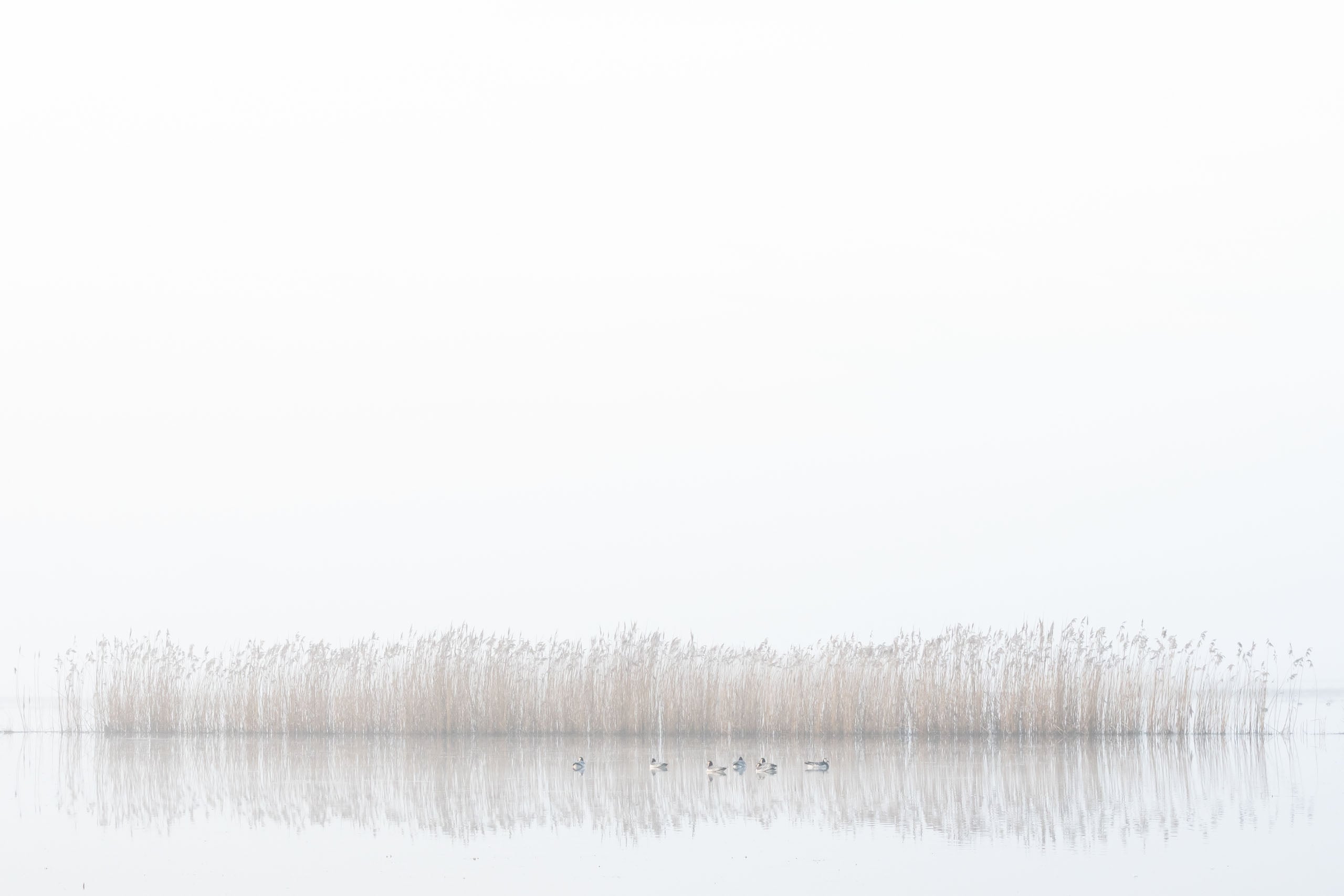
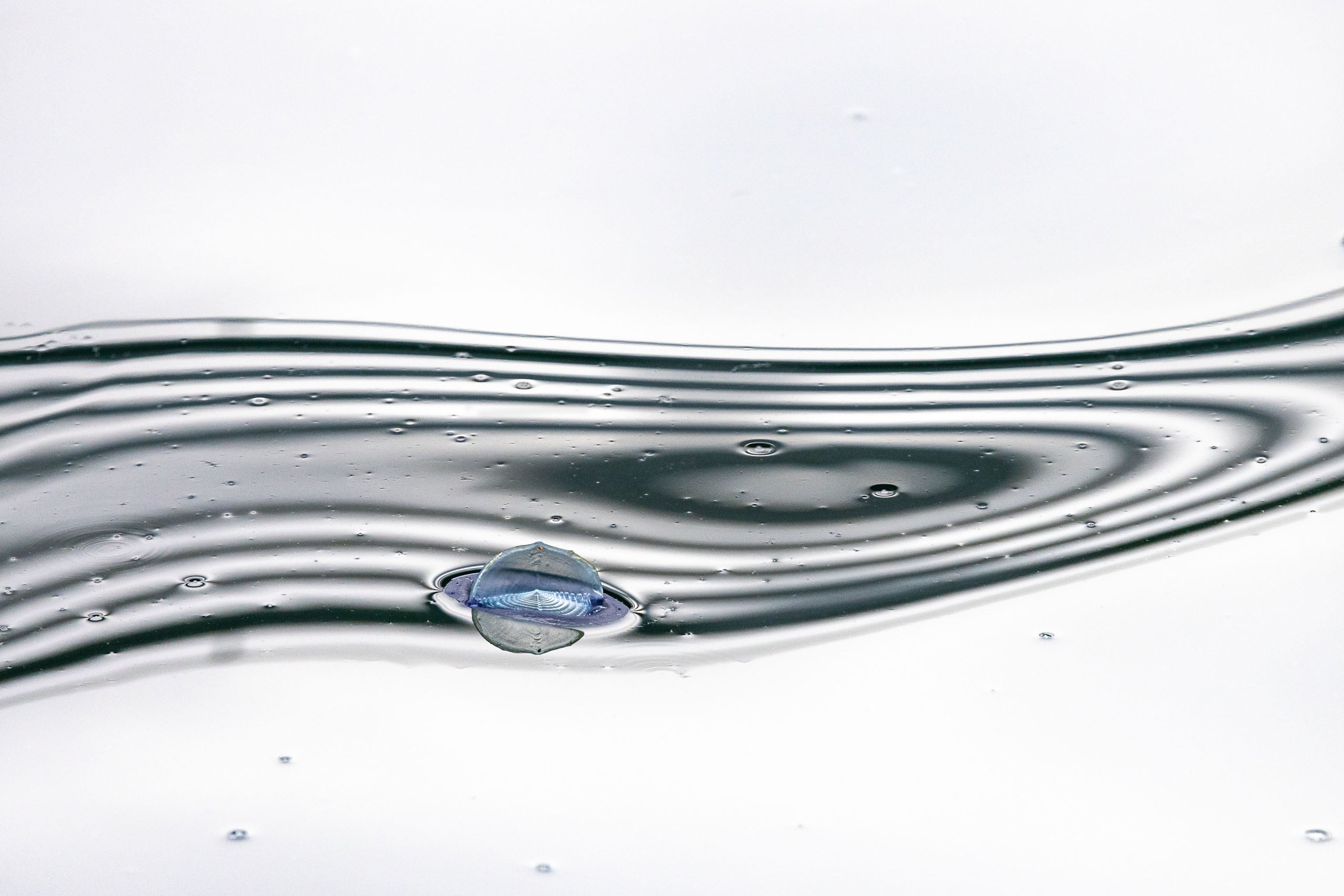
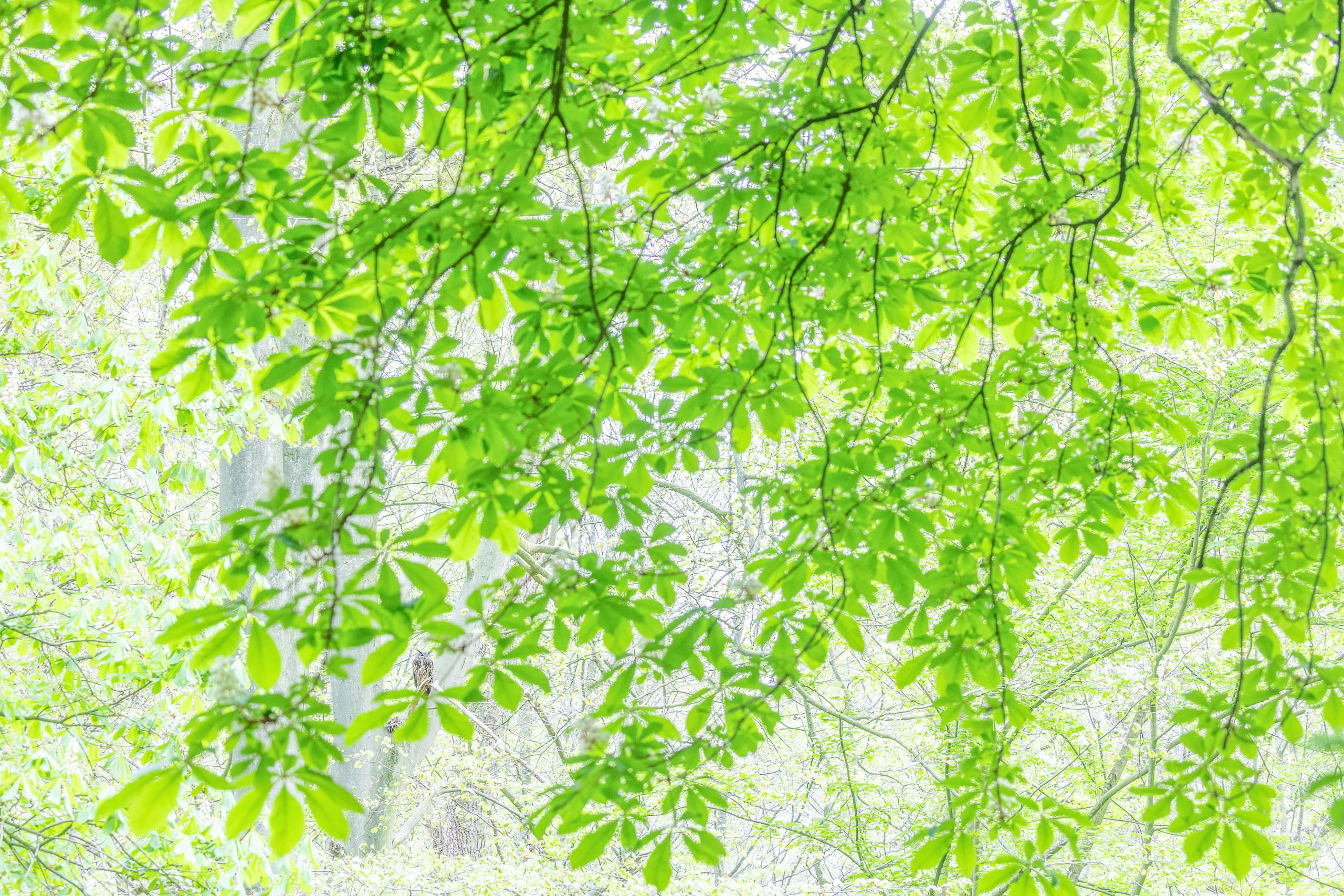
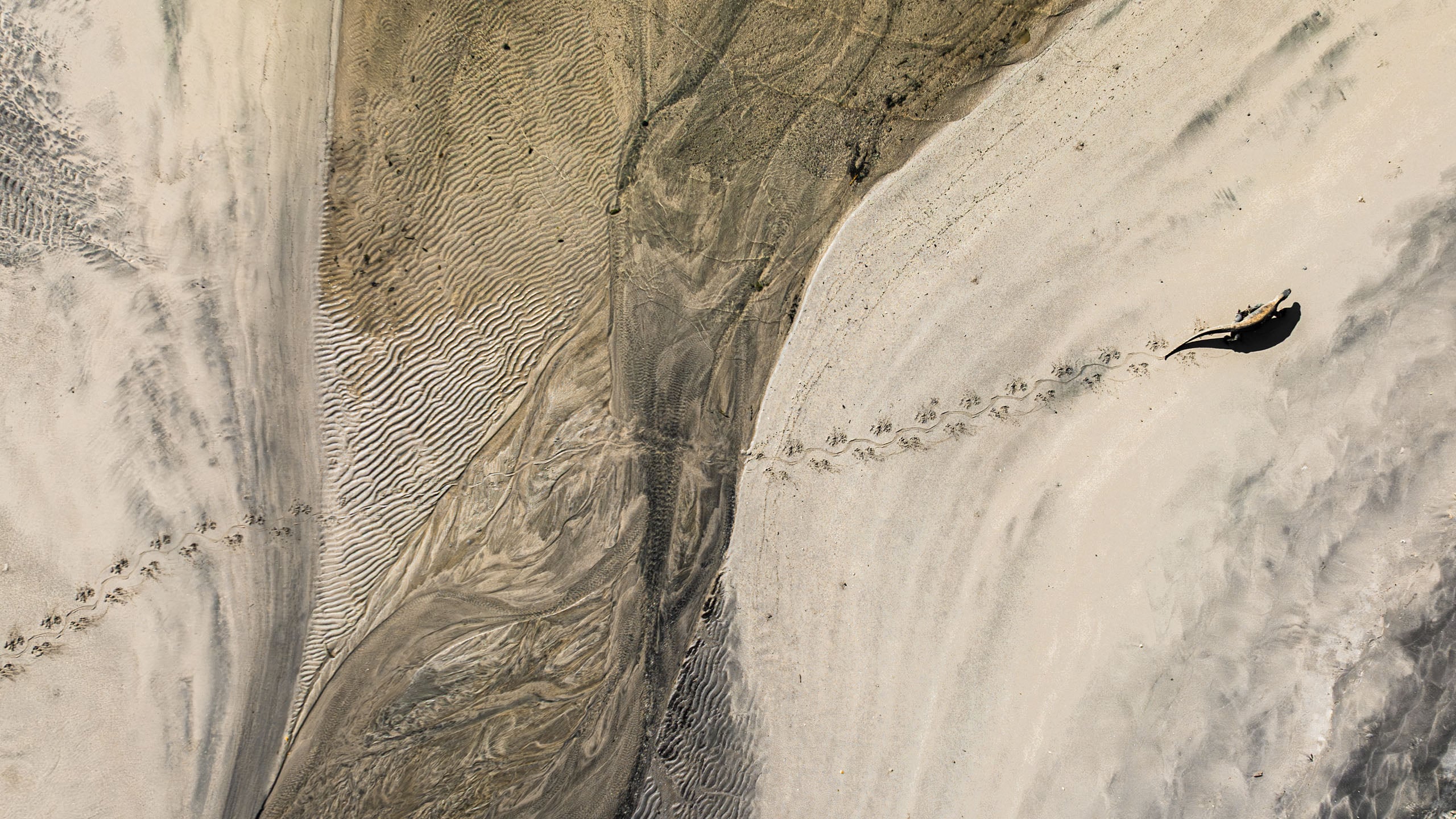
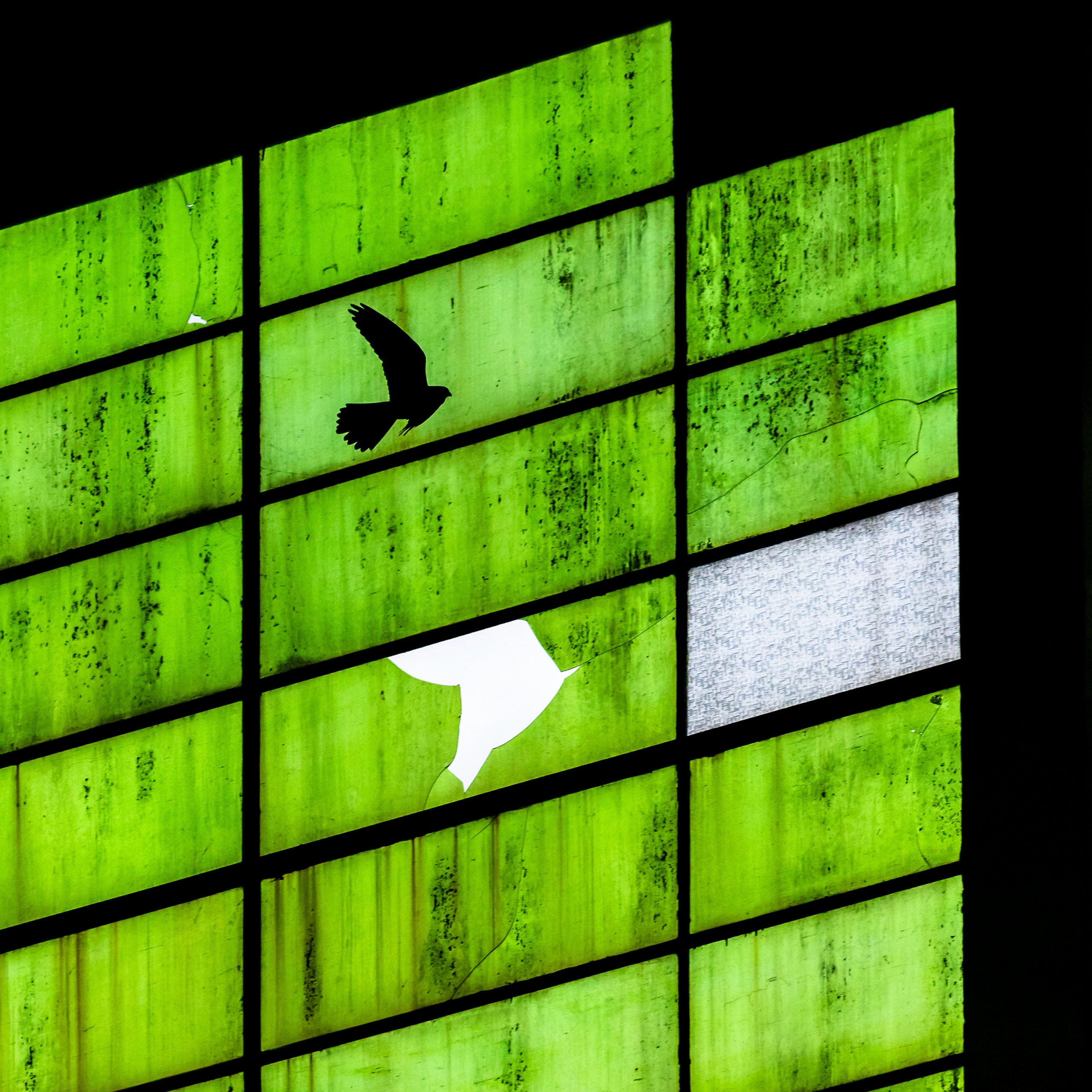
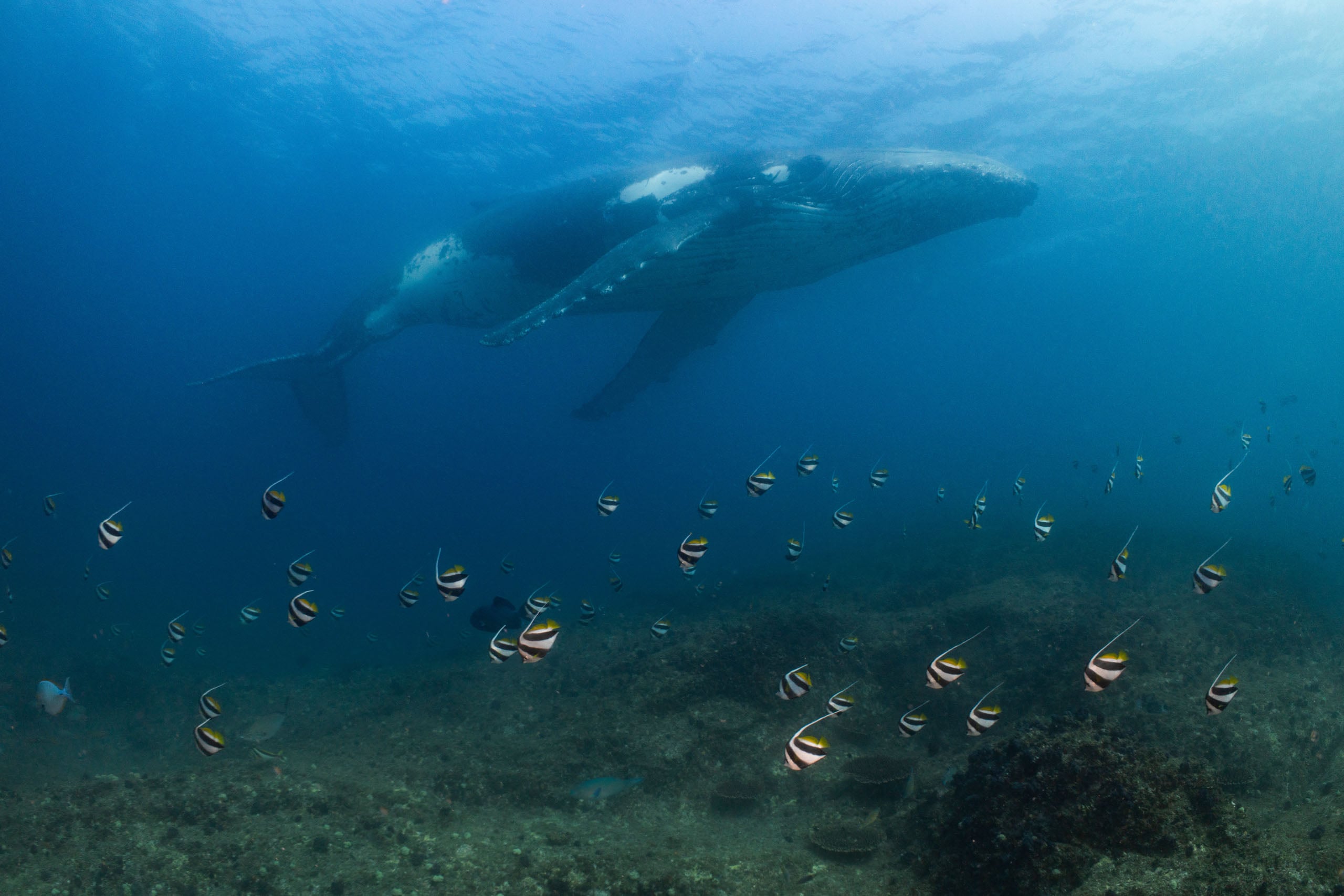
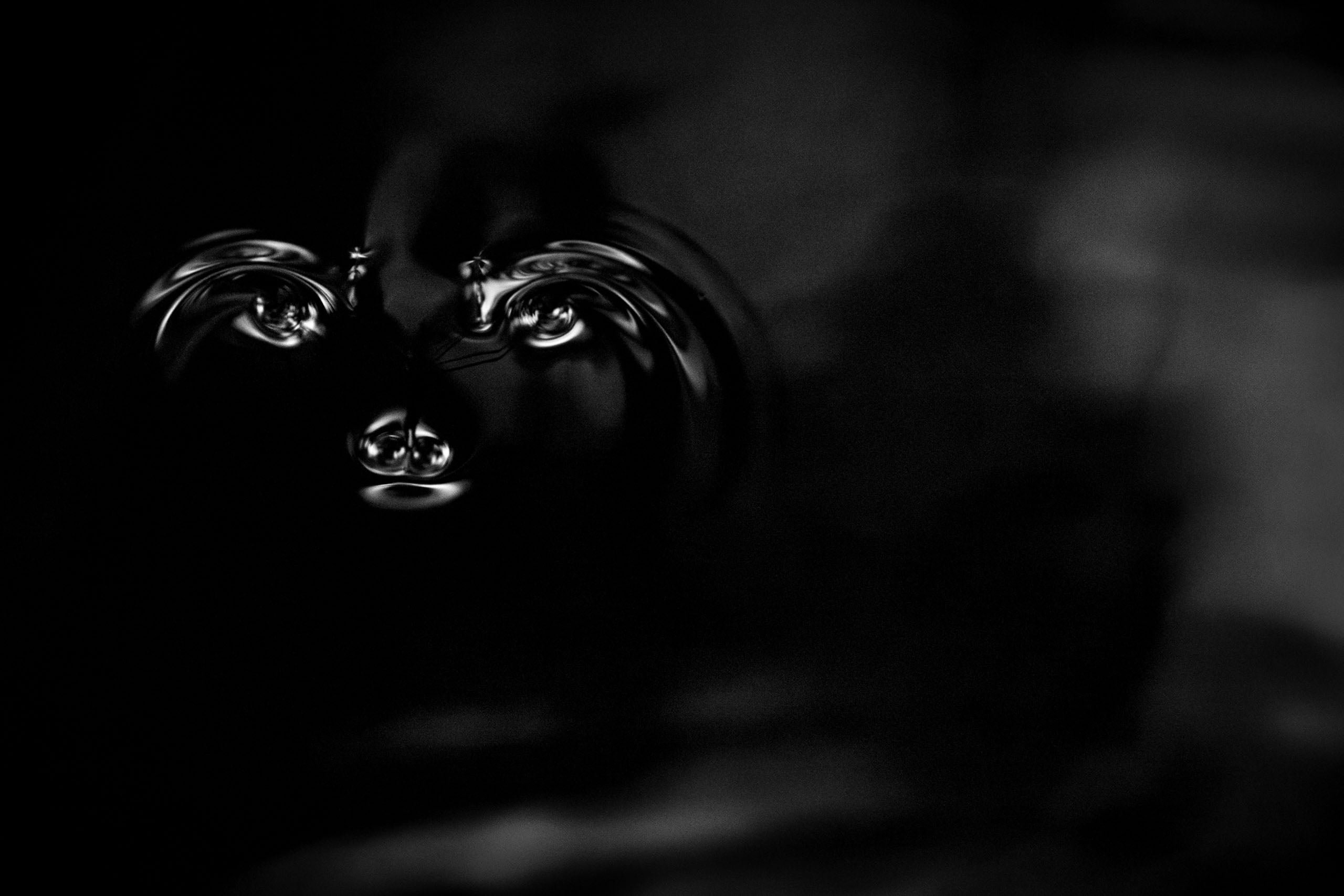
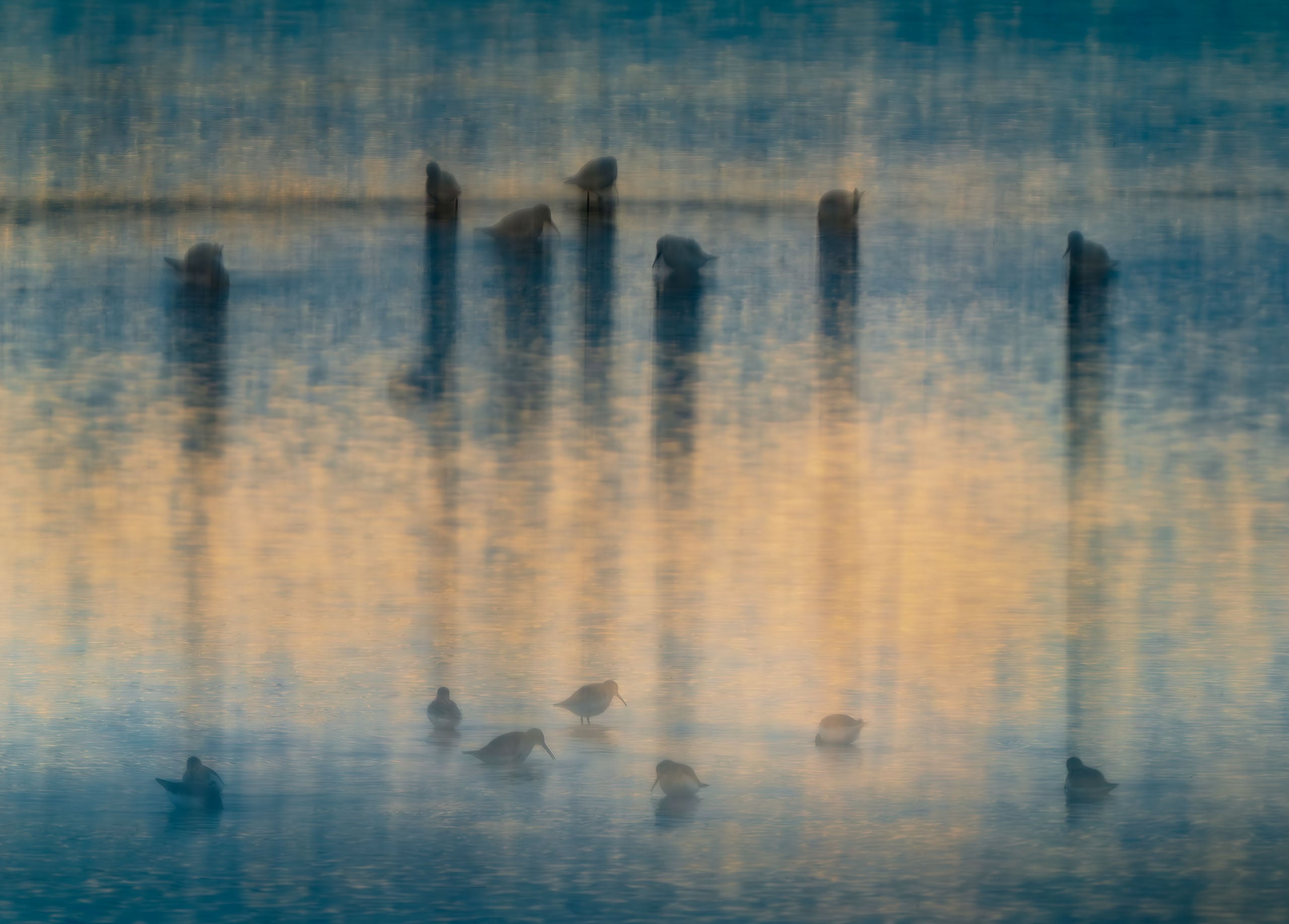
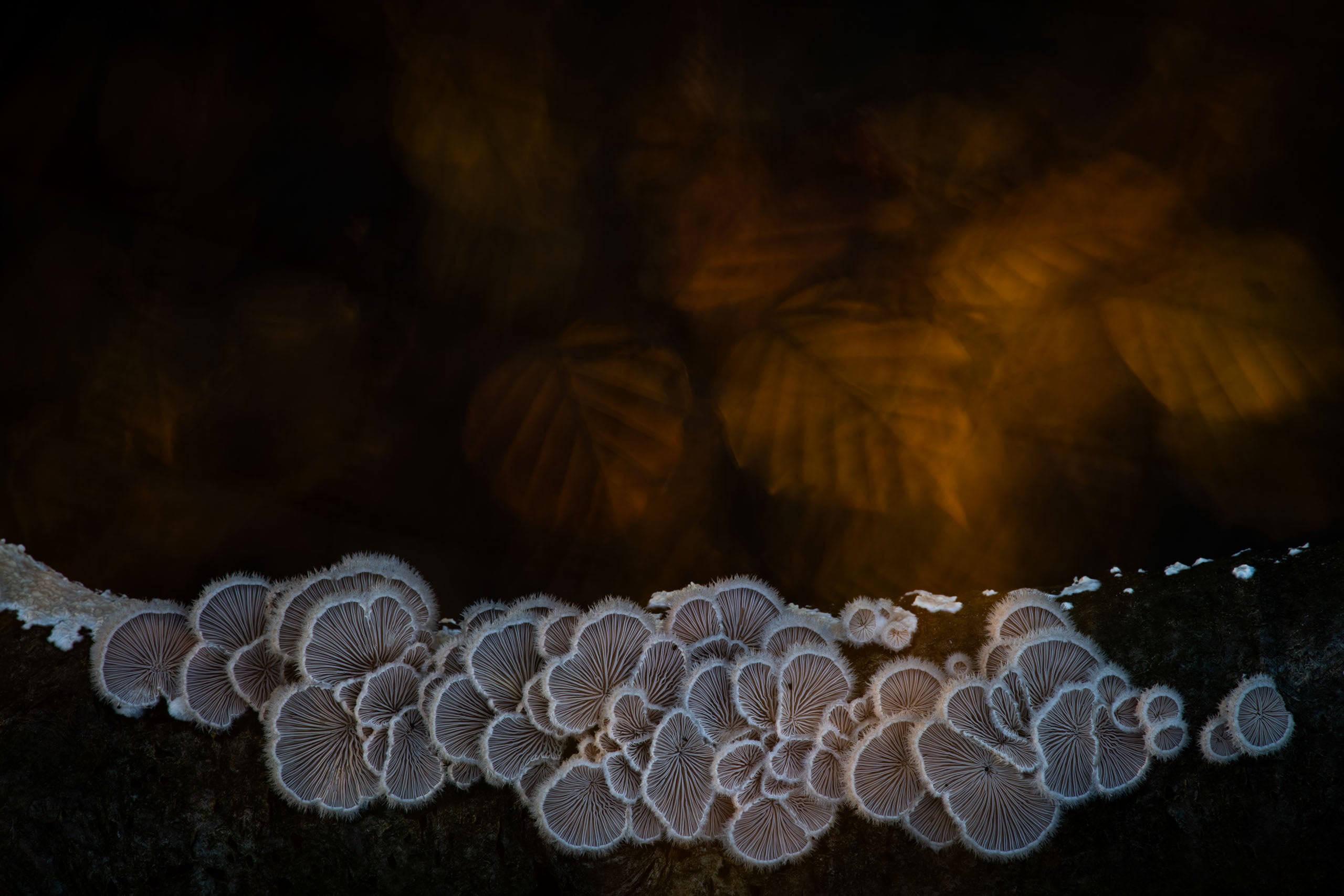
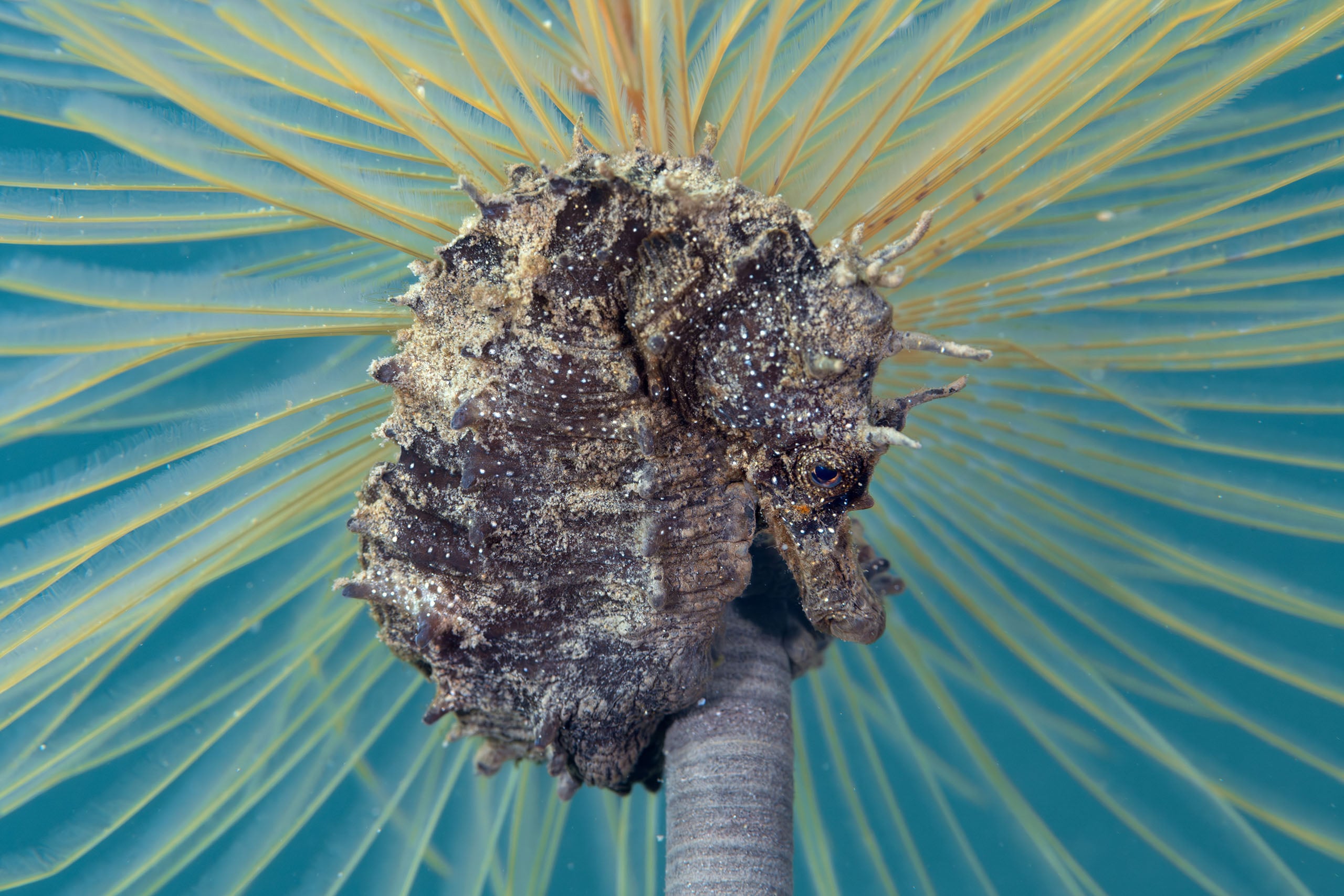
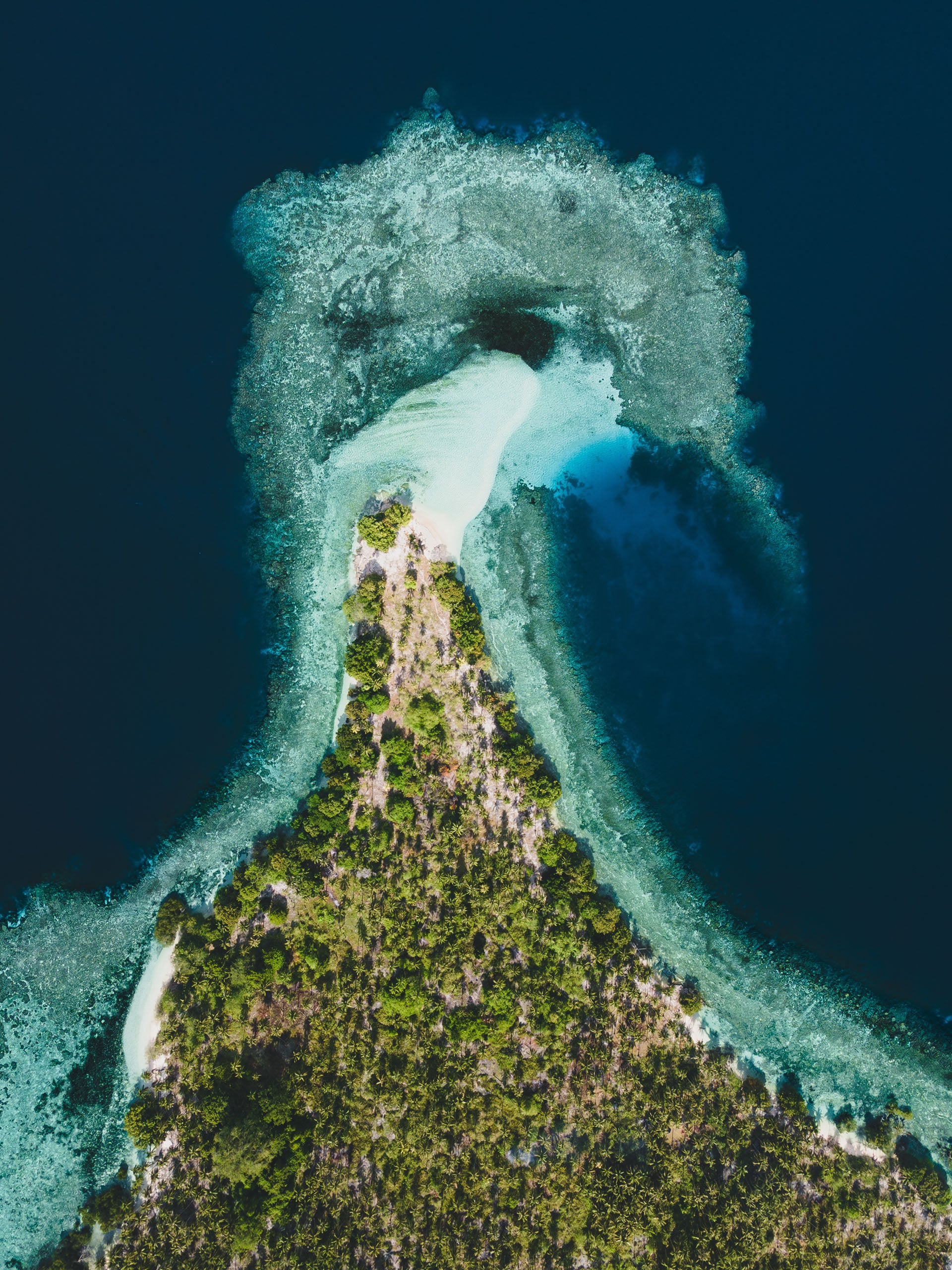
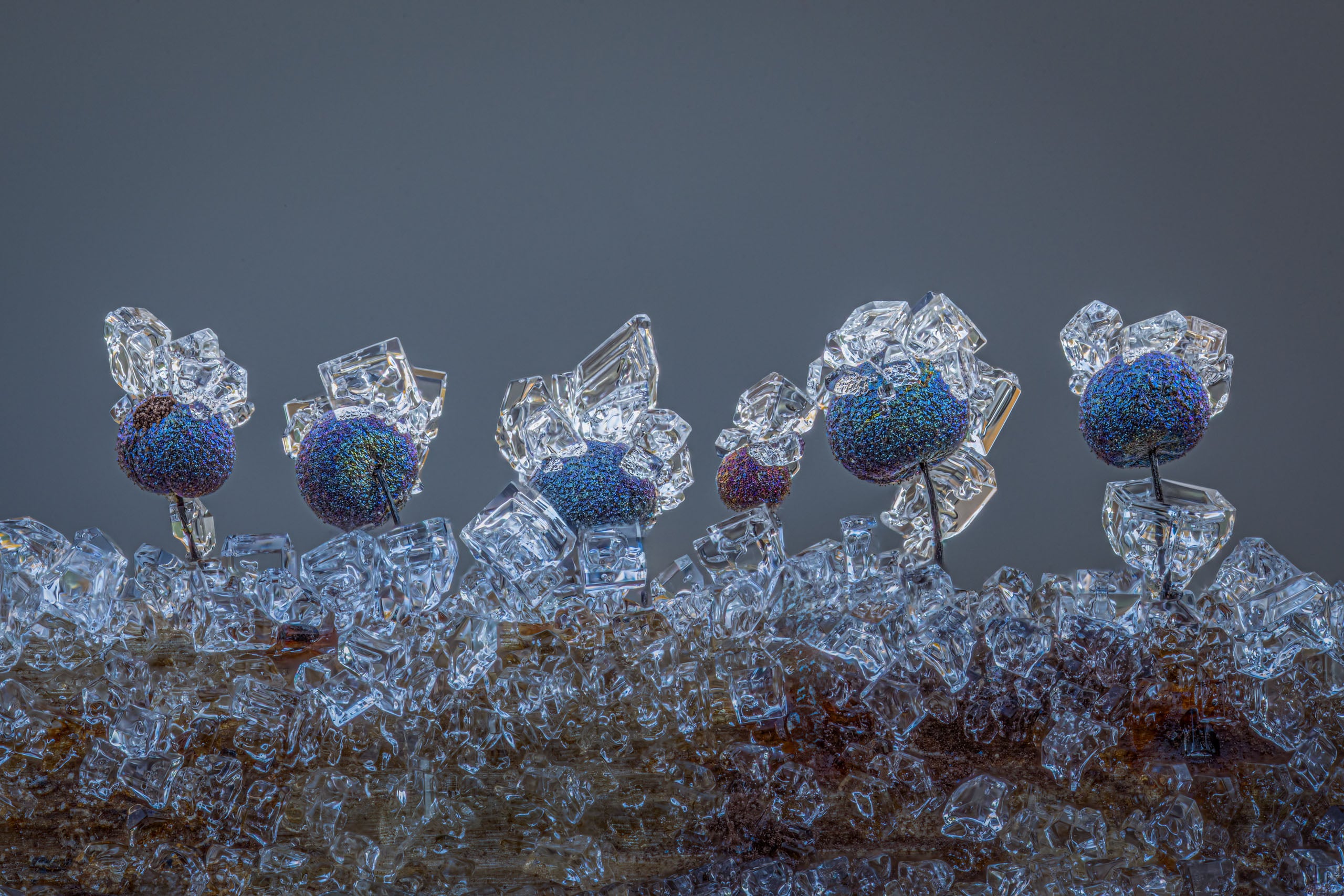
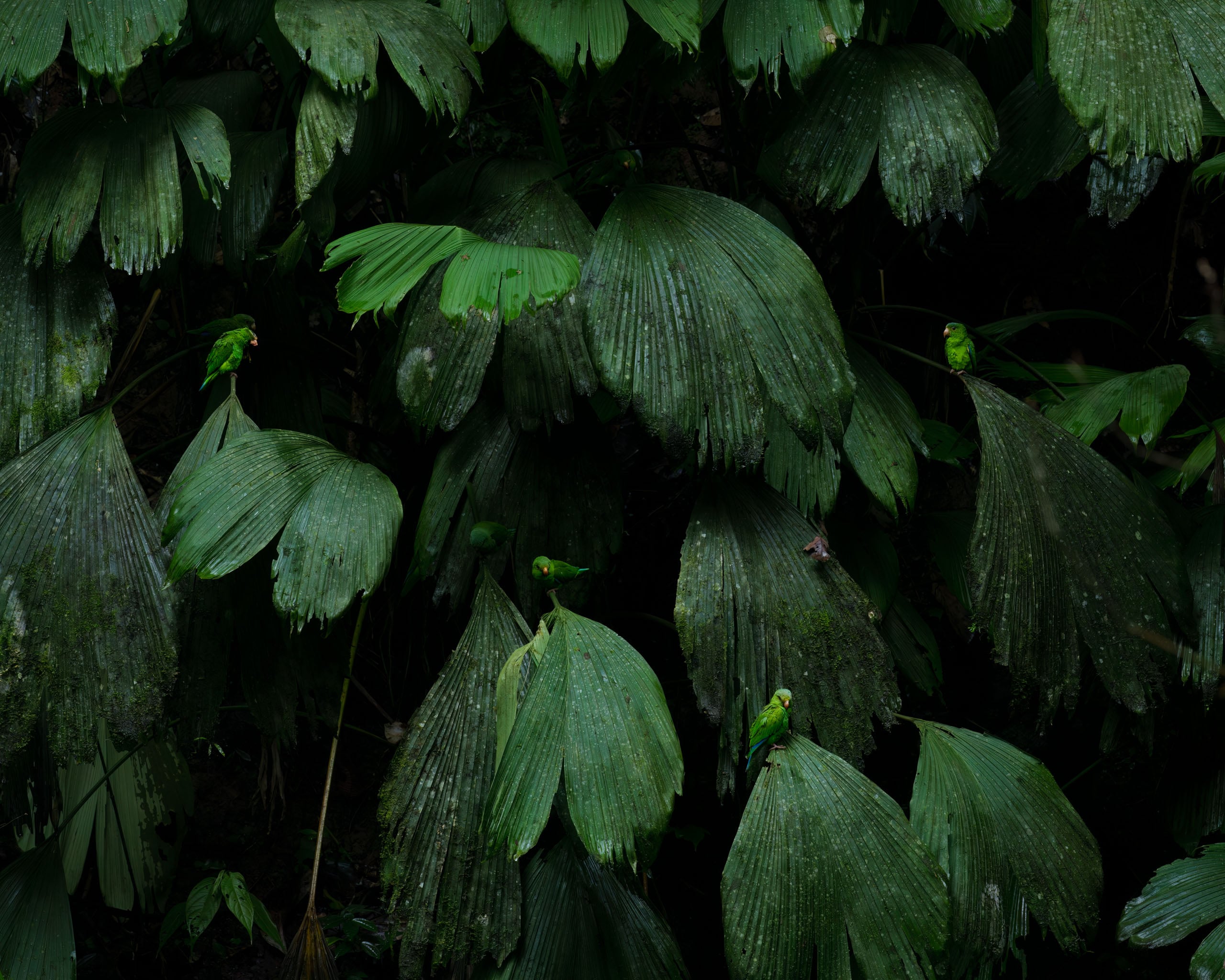
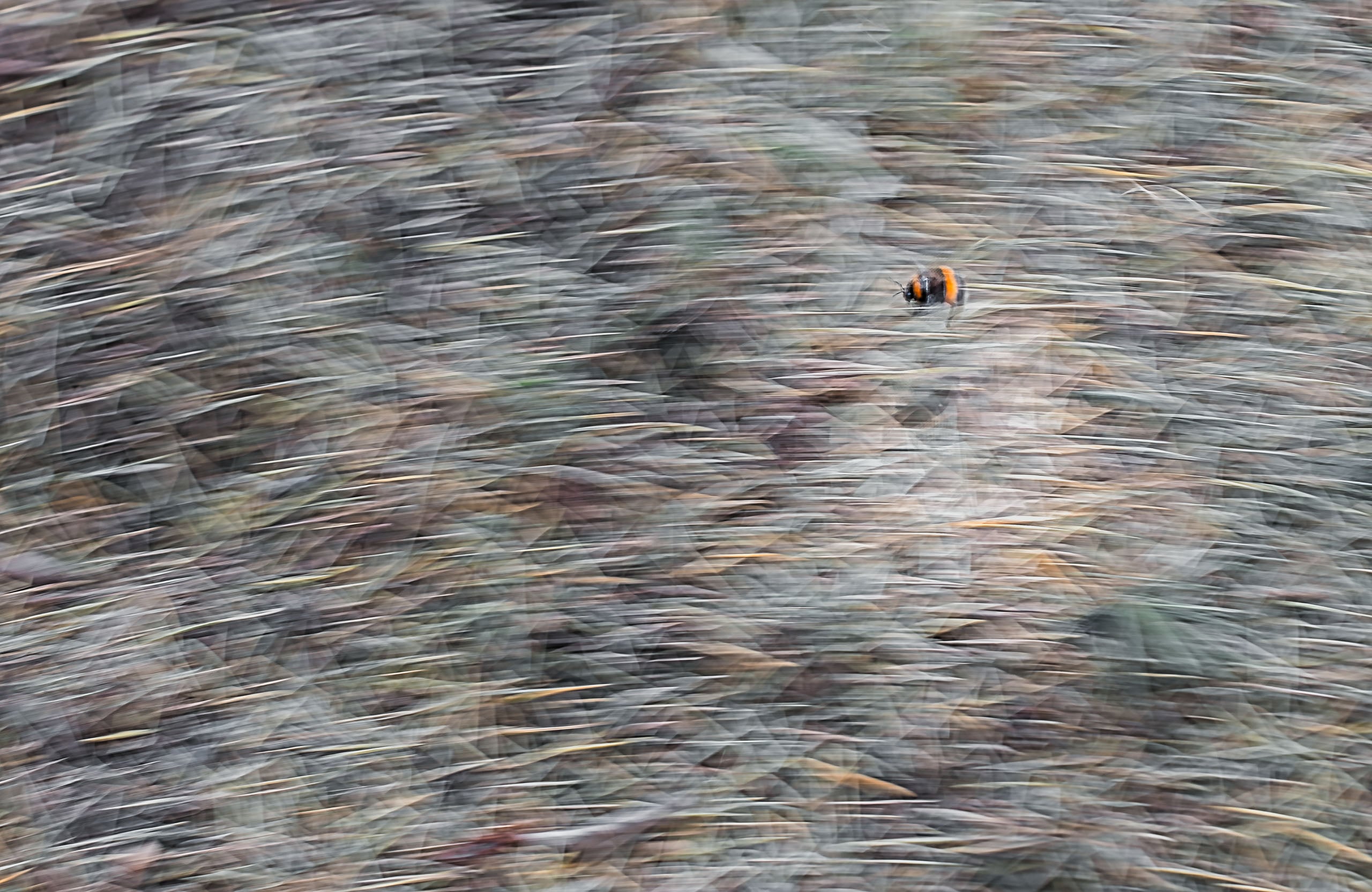
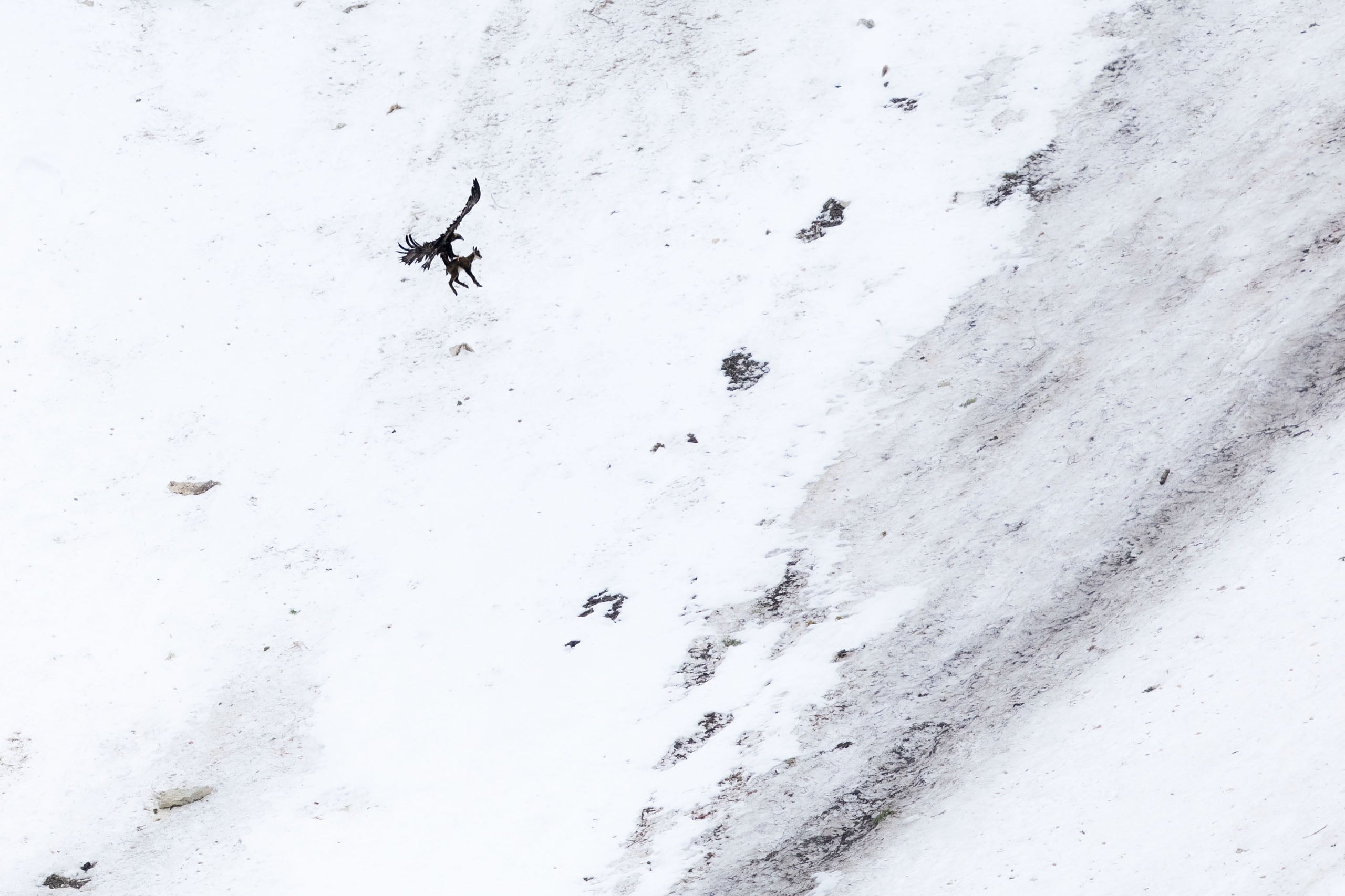
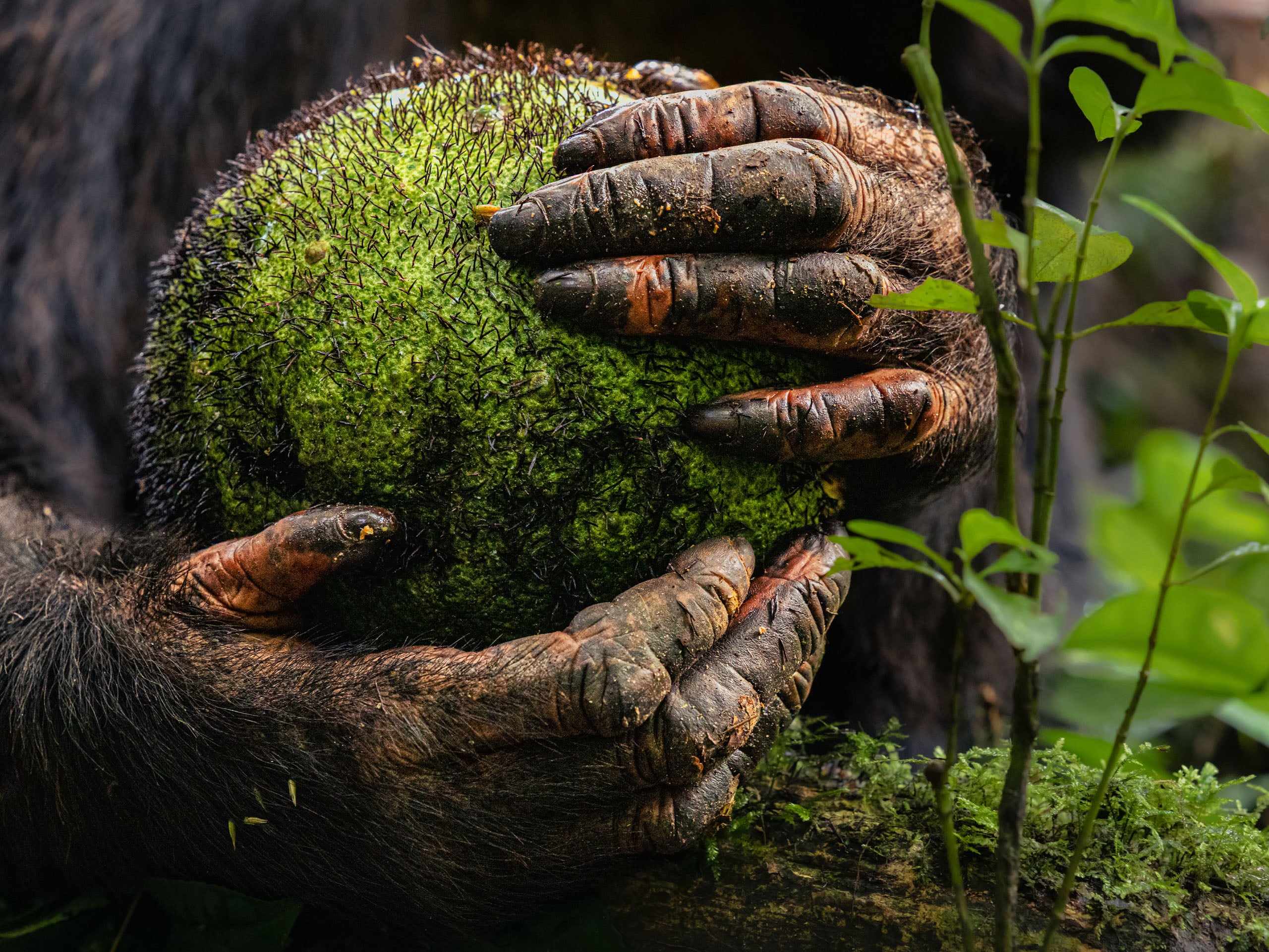
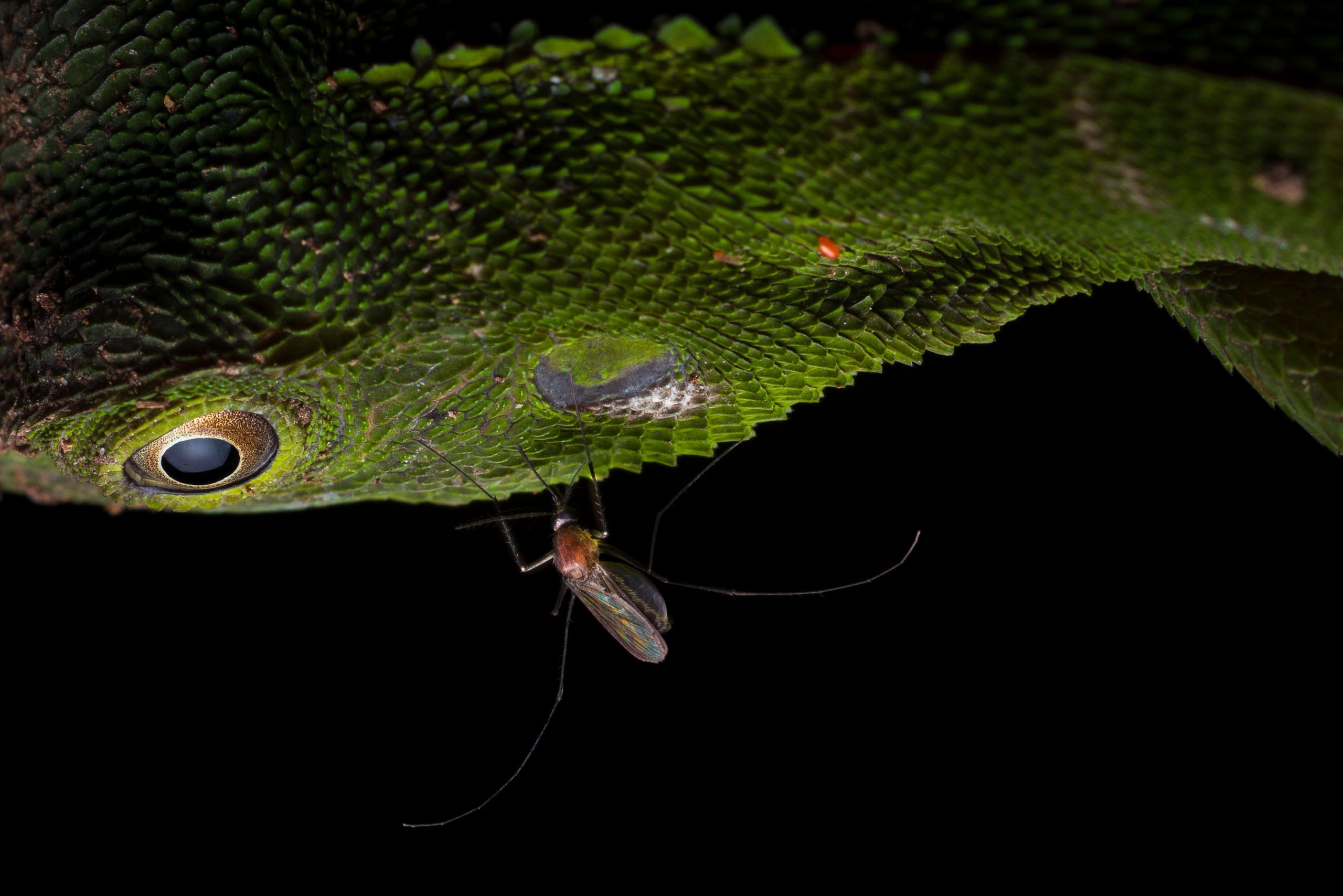
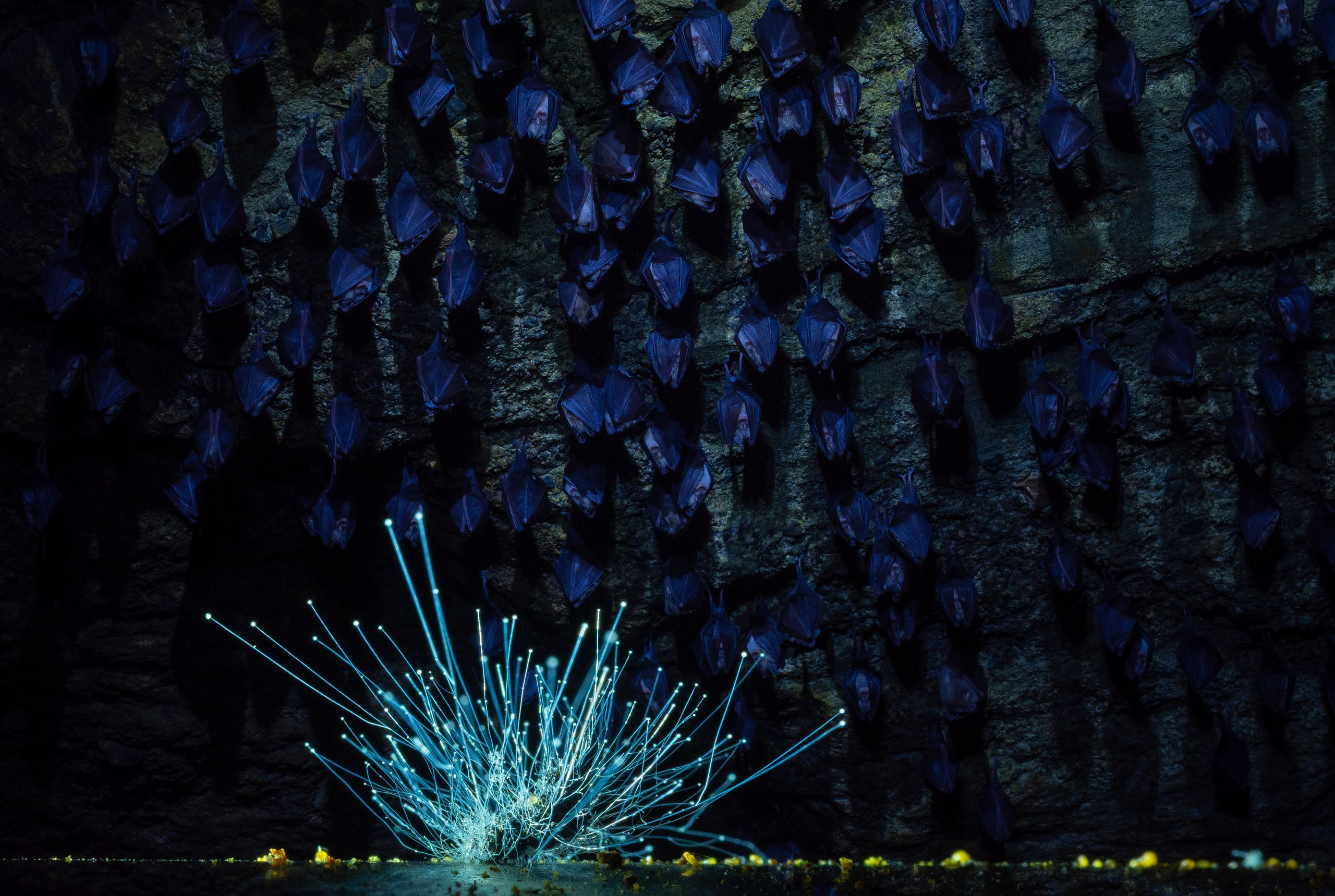
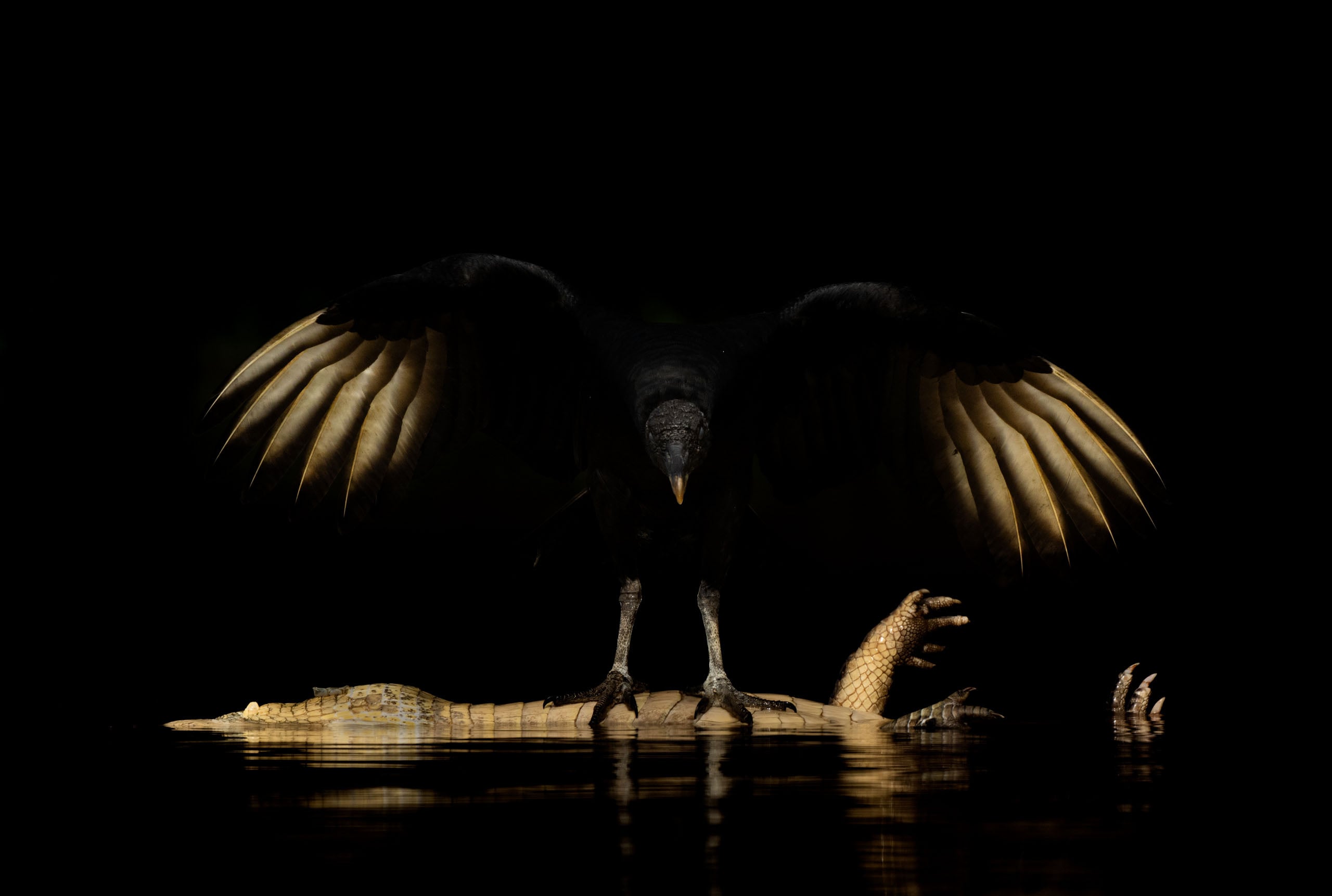
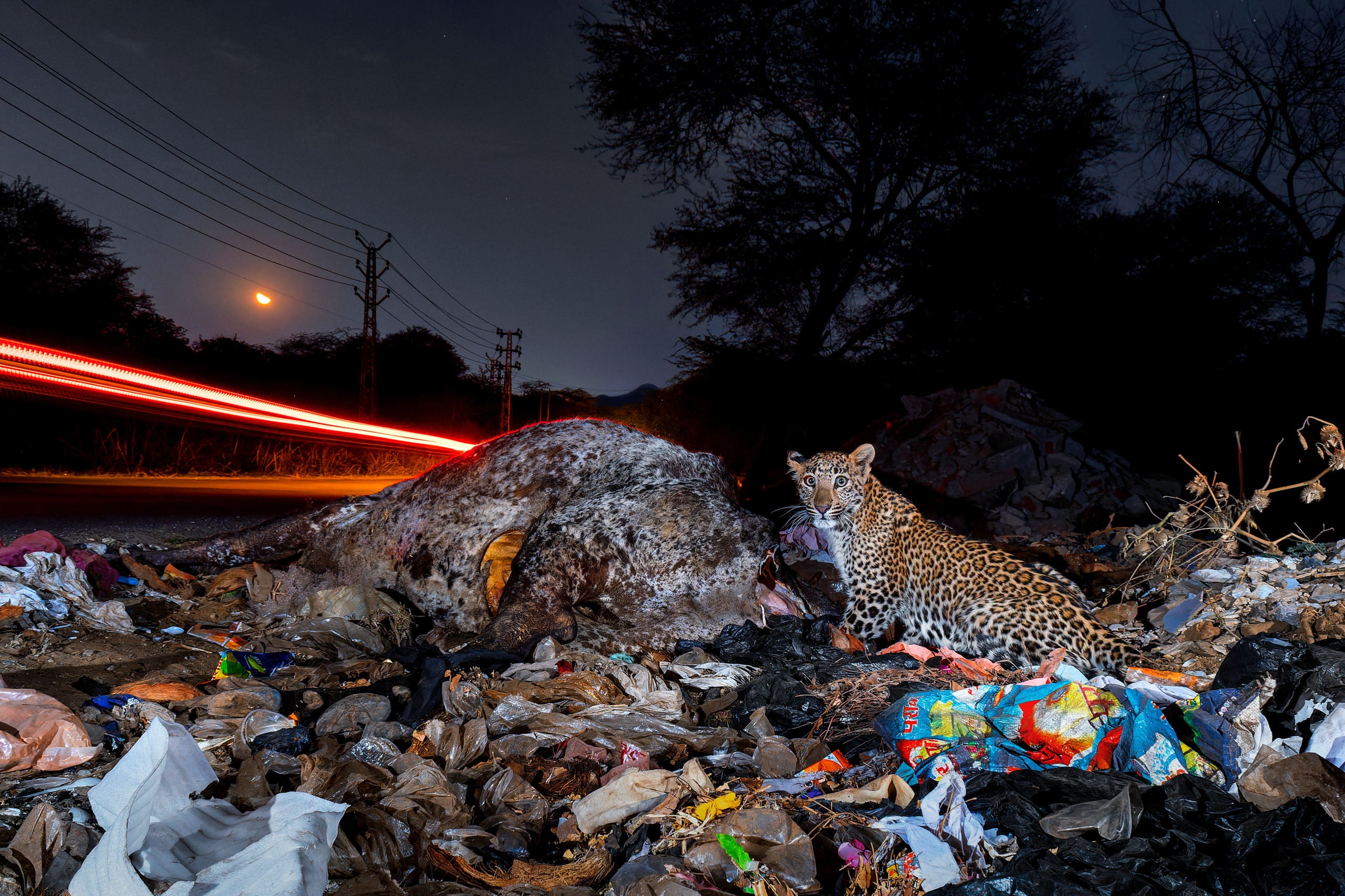
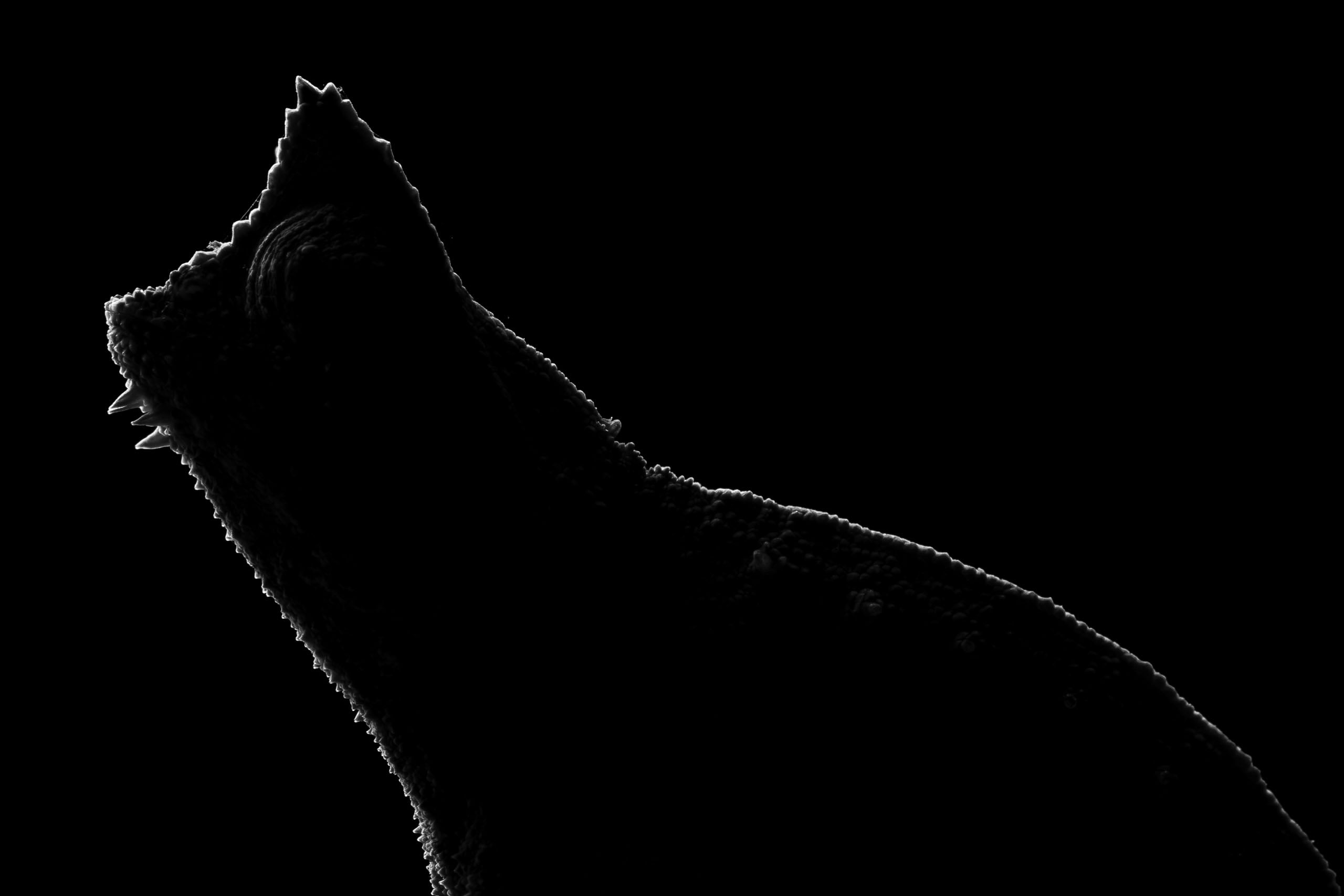
Alongside the category and special award winners above, the judges also selected runners-up and highly commended photos, all of which can be seen on the Nature Photographer of the Year website and below.
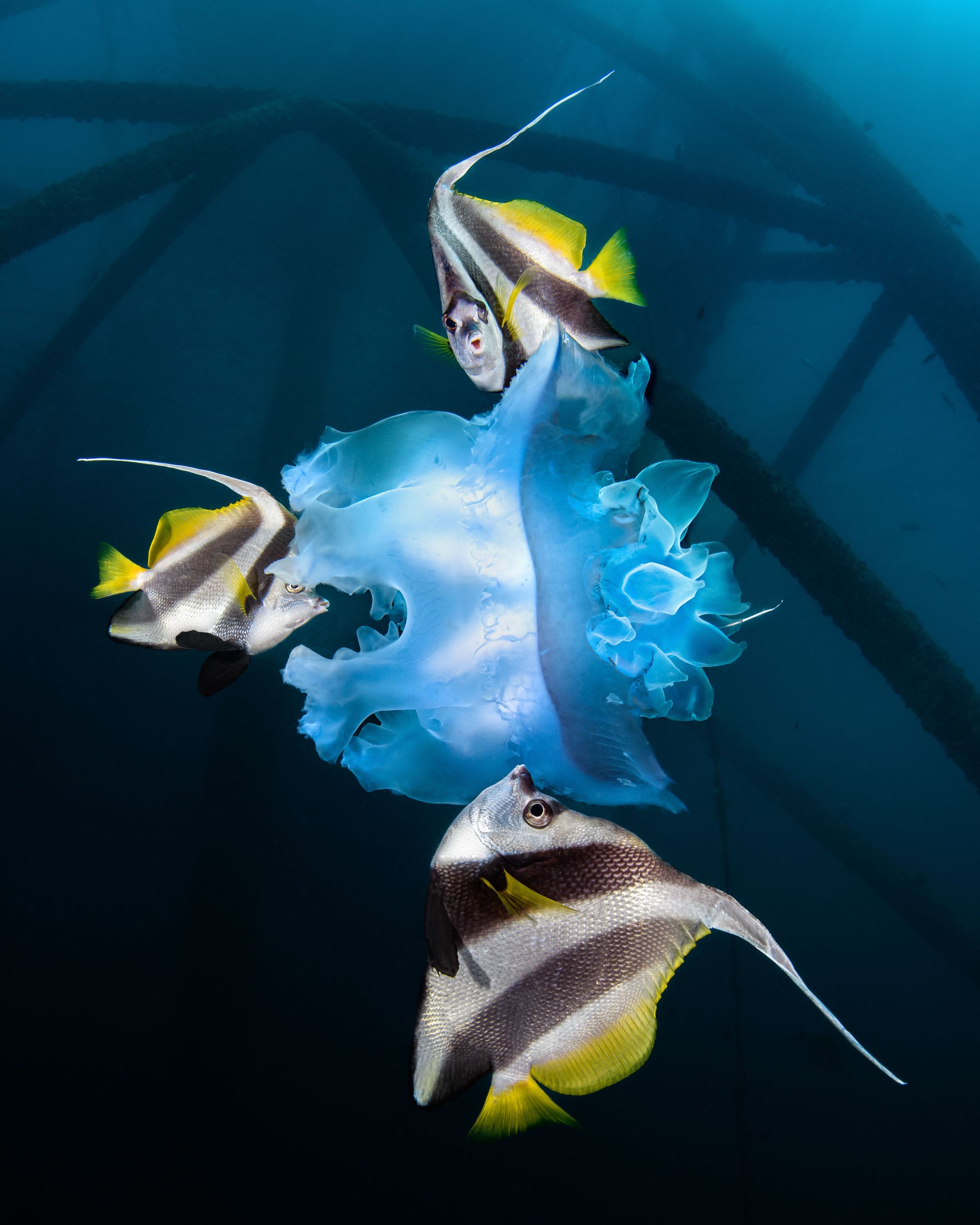
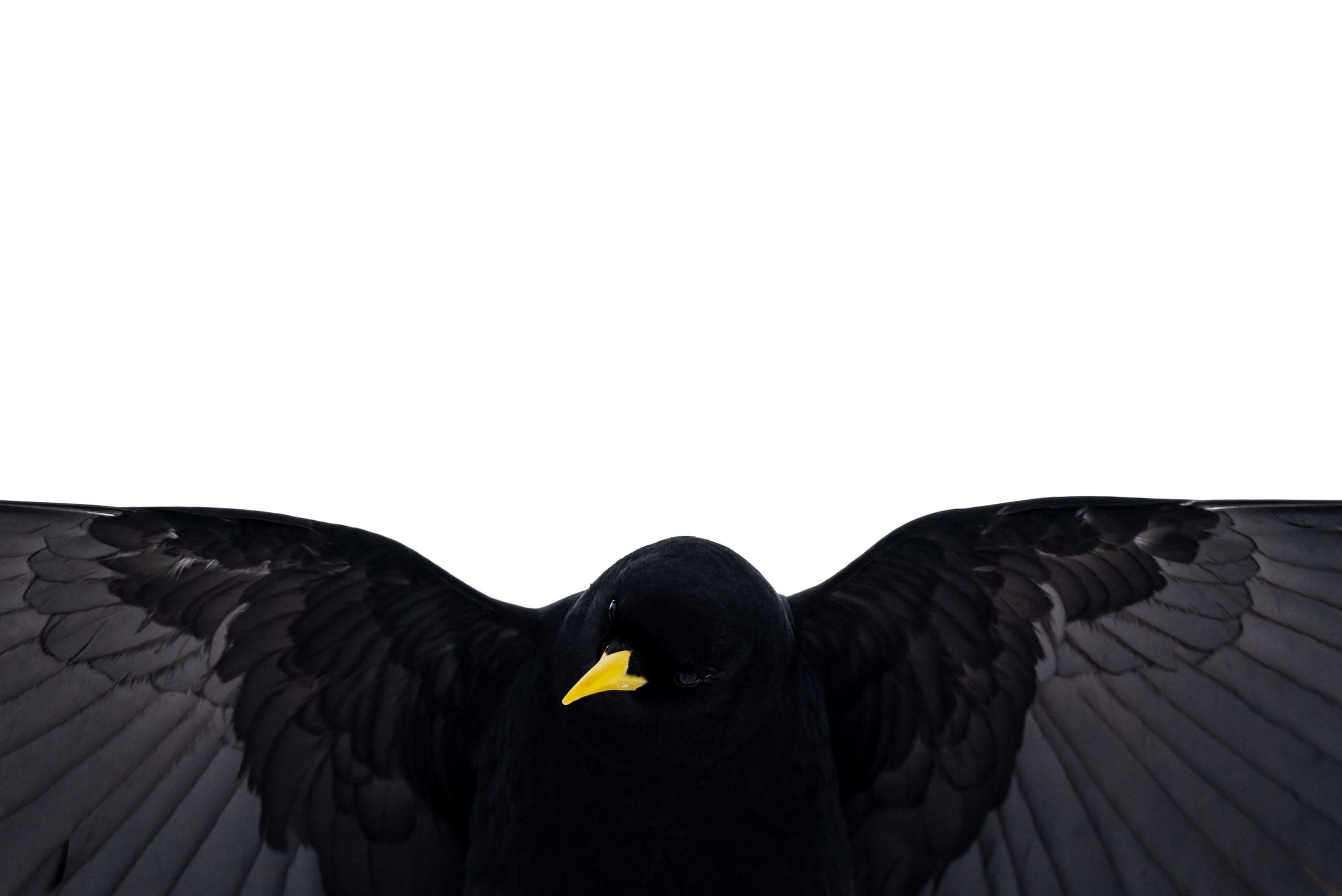
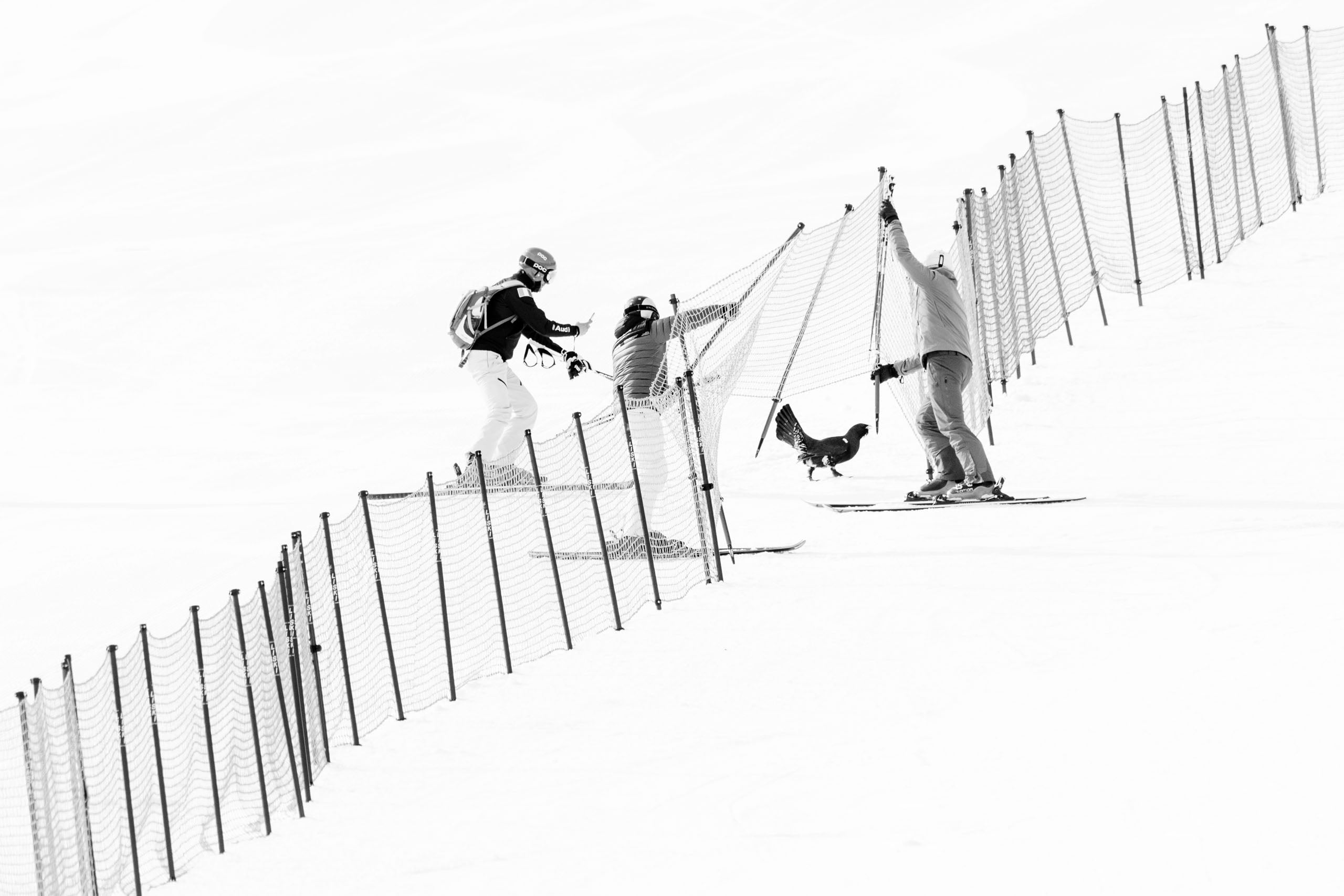
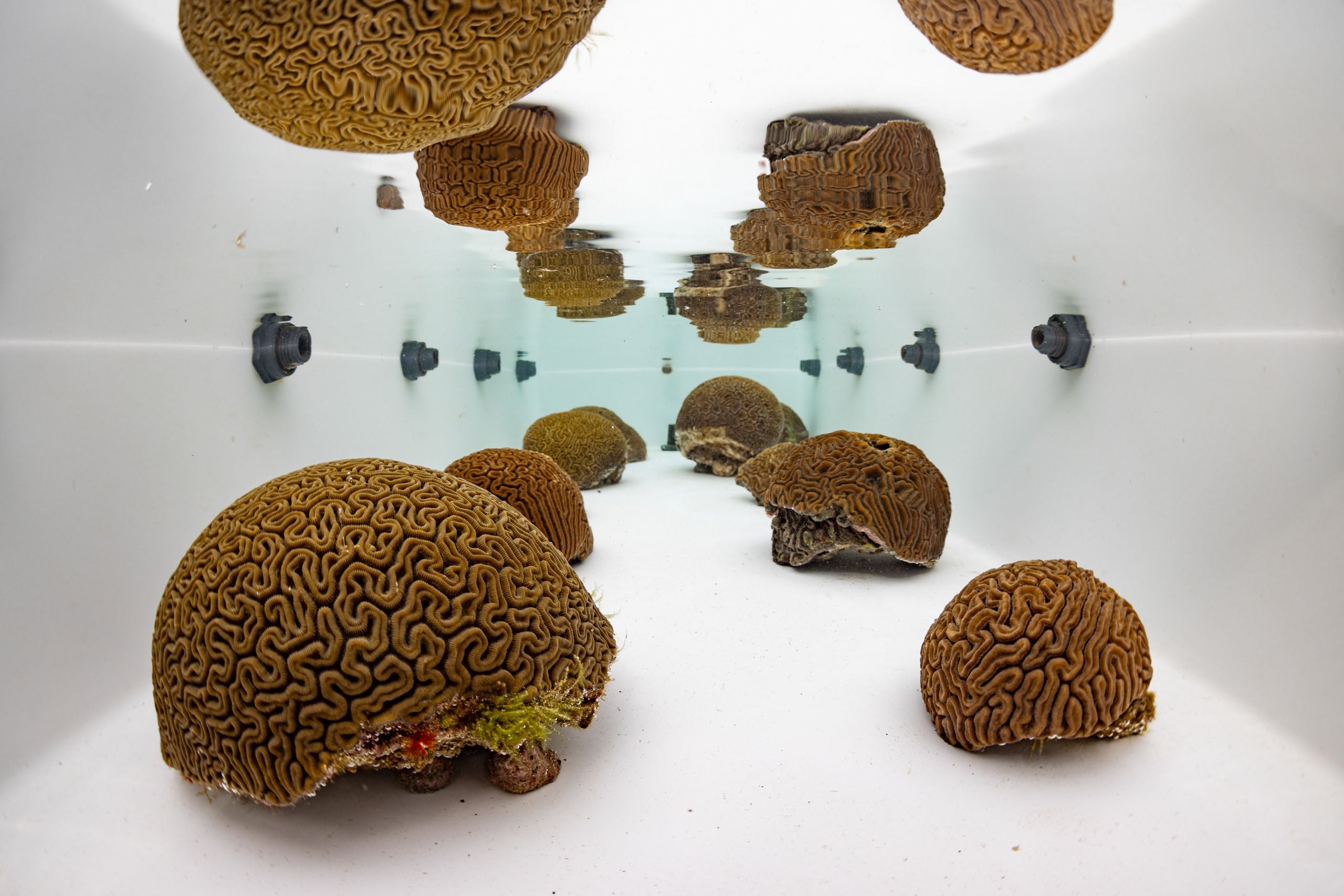
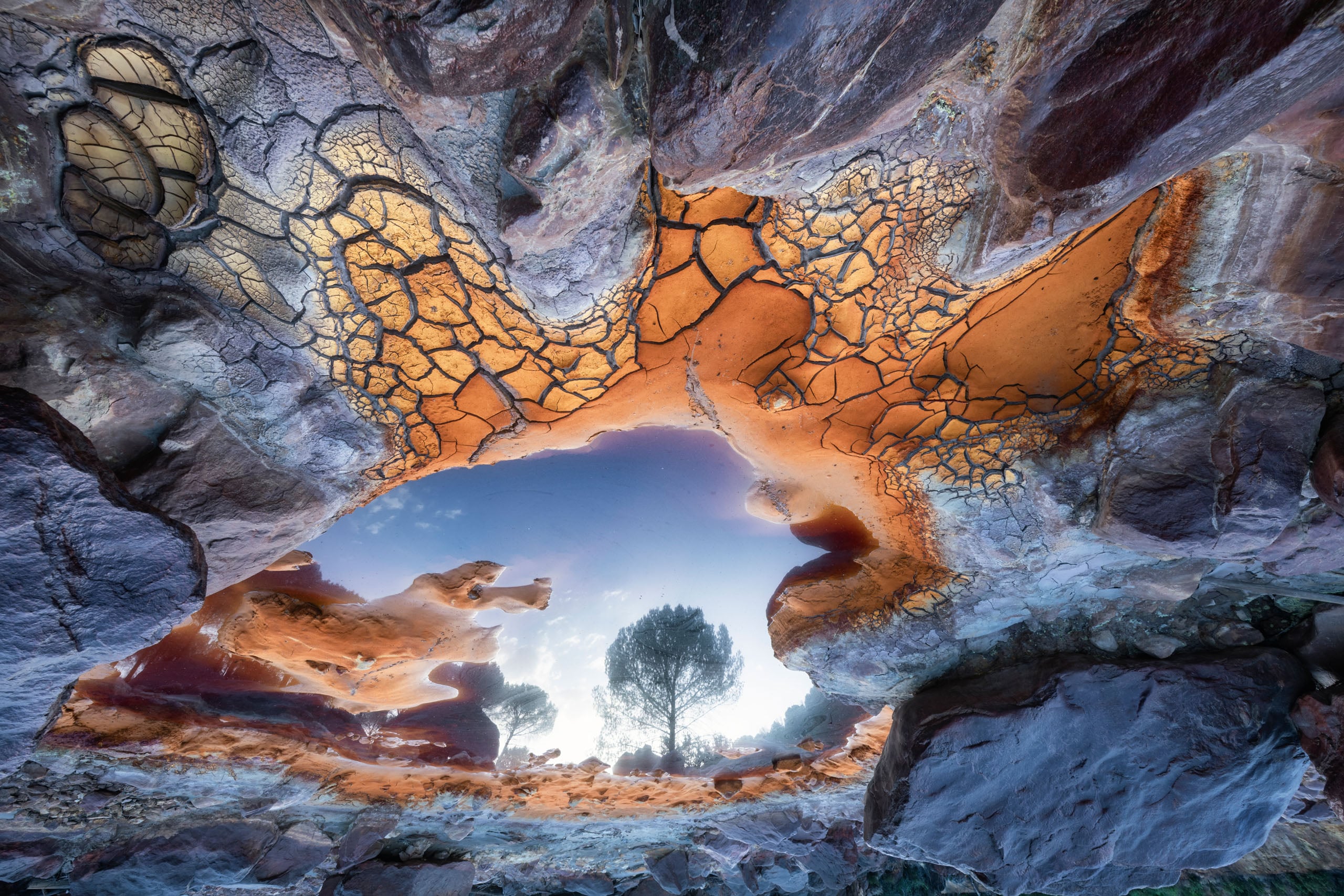
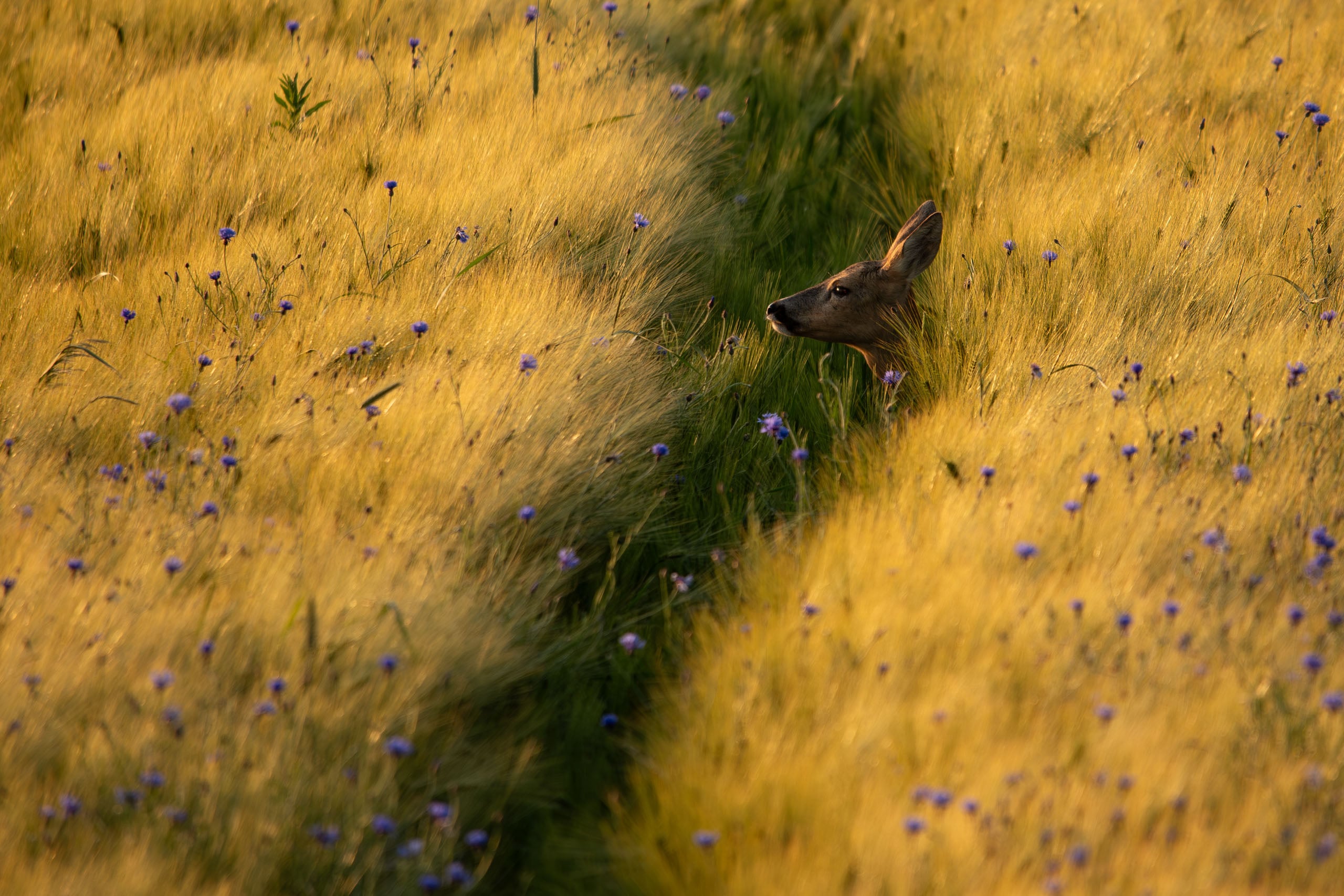
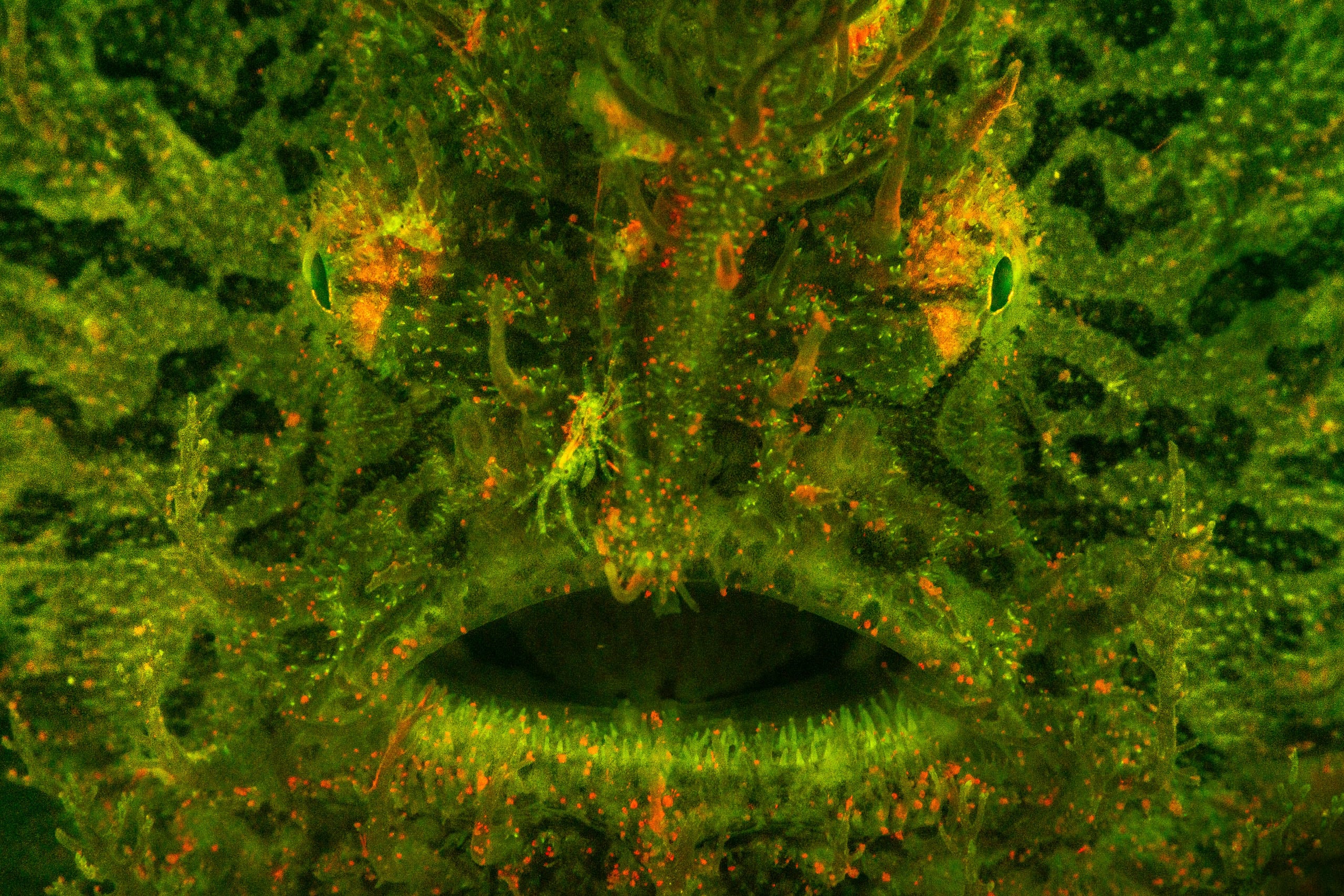
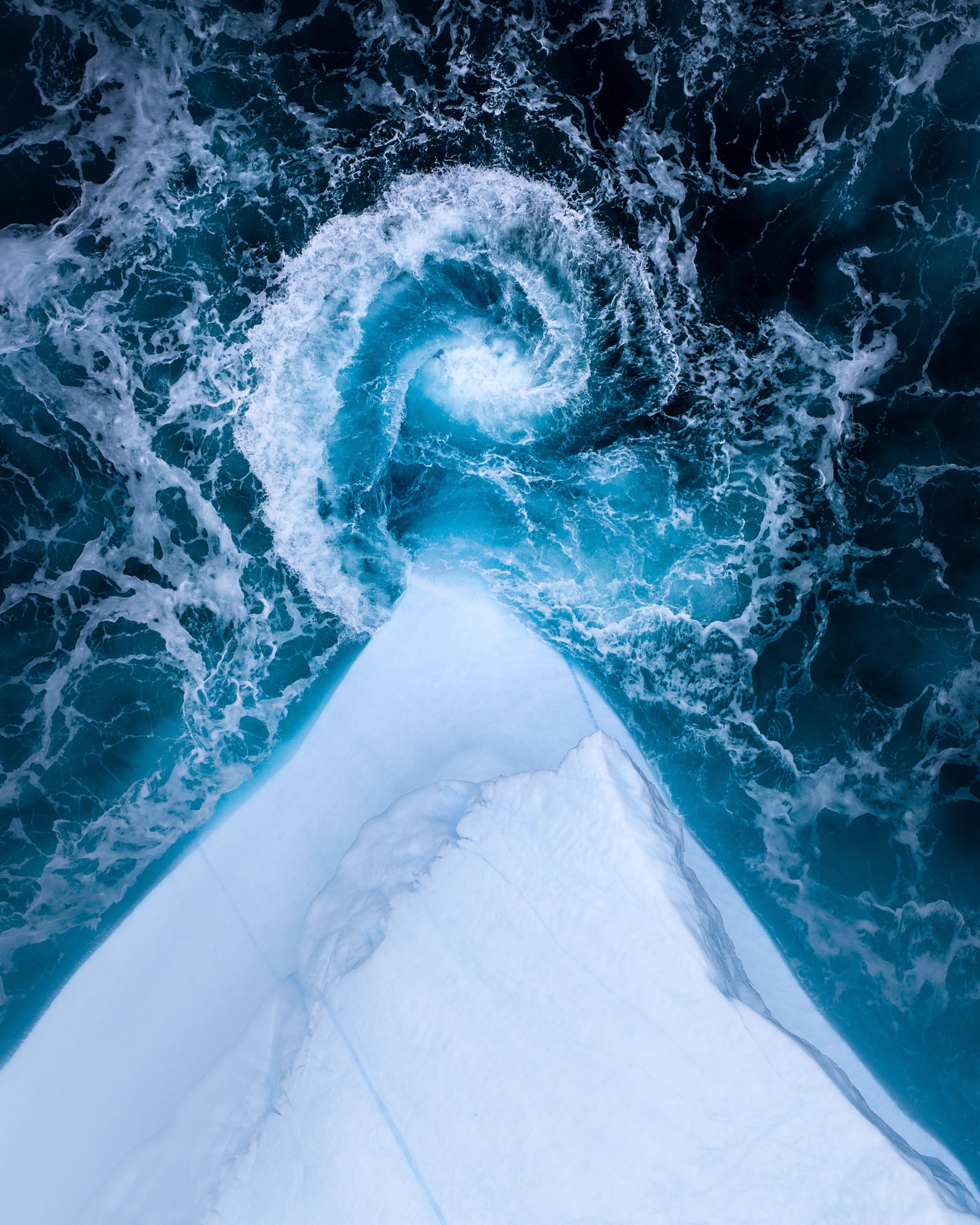
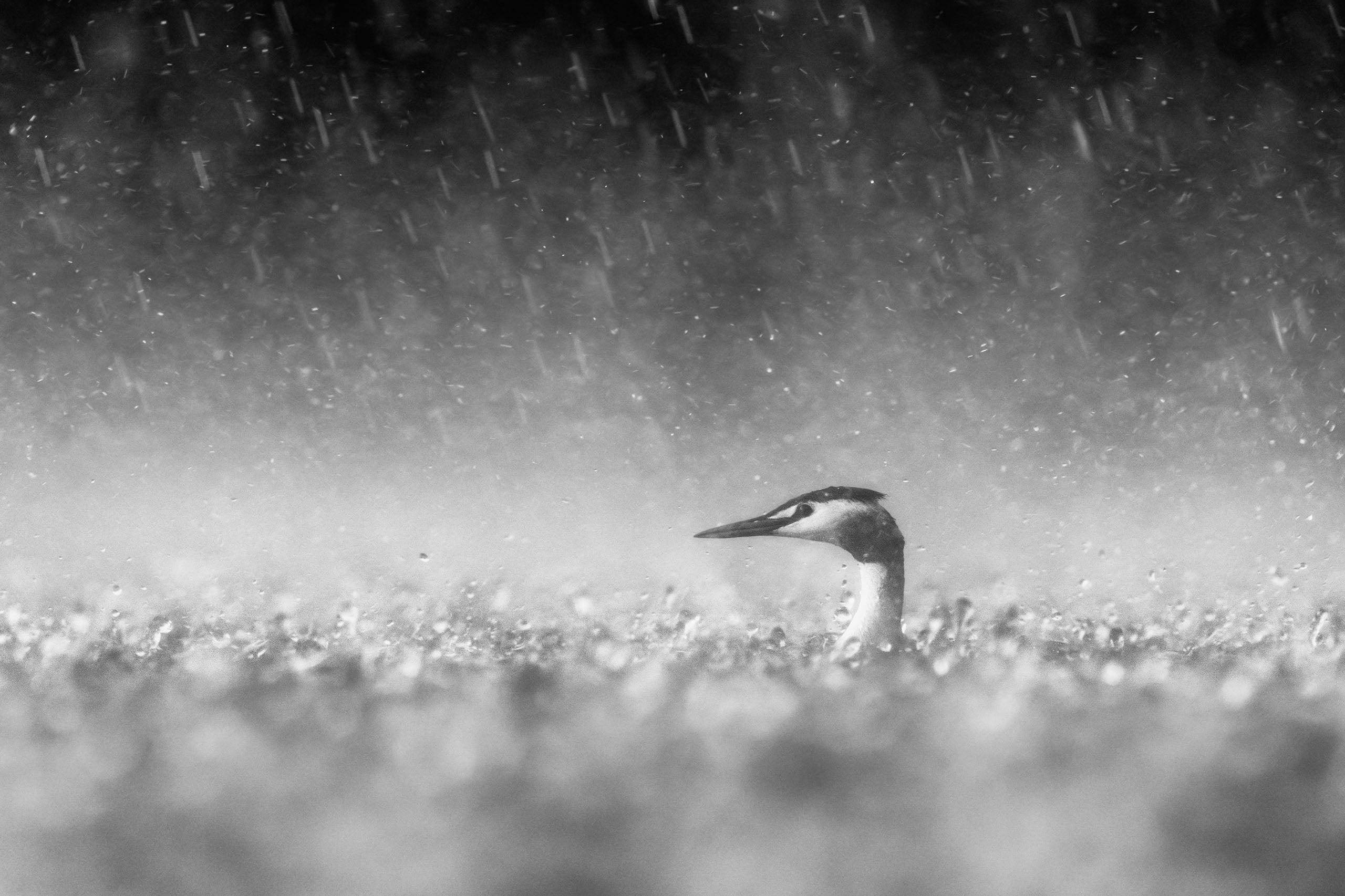
Entries for the Nature Photographer of the Year 2027 open on November 20, 2026.
Image creditsNature Photographer of the Year. Individual photographers are credited in the image captions.
Affiliate Disclosure PetaPixel articles may include affiliate links; we may earn a commission if you buy through one.