Small Prints, Big Charm: Giving Fujifilm Instax Mini Its Due
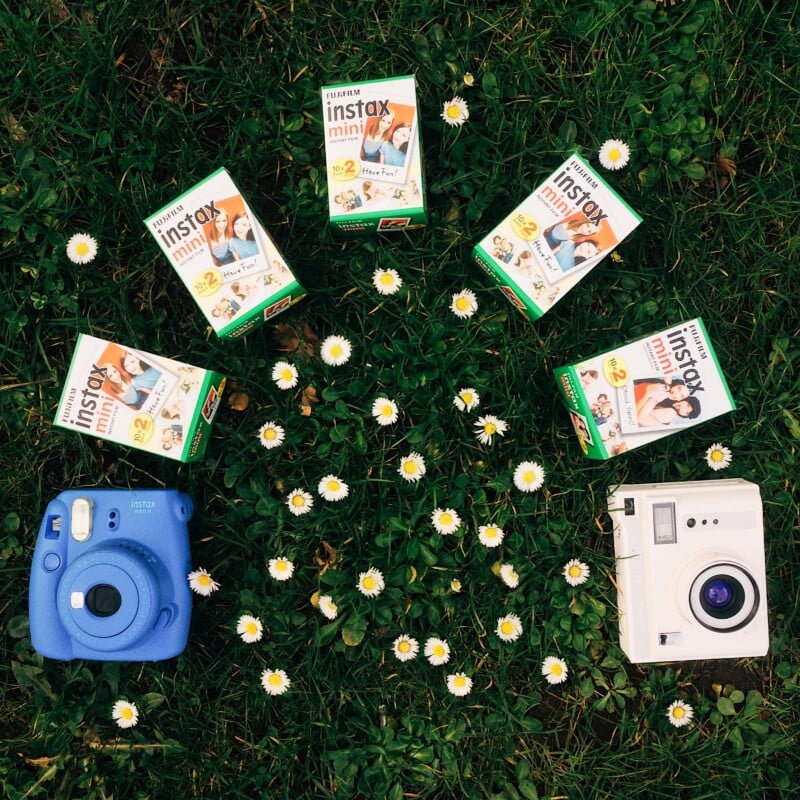
It’s about time that the diminutive king of instant film got some Film Friday love, so we are giving this week’s spotlight over to Fujifilm’s Instax Mini color instant film and sharing why we love these small prints (and why you should as well).
To give you a sense of how popular Instax Mini is among our own staff, a month ago when we were asking staff for samples of the Instax Wide film, we had one staff member step forward with images for Film Friday. This week, while collecting Instax Mini samples, we had three of our staff bring in substantial collections of Instax Mini photos… and we had only directly asked one of those three to do so; the other two volunteered themselves. Maybe this isn’t as telling for you as it is for us. Sometimes it can be a bit difficult to corral our staff into providing sample images for these Film Fridays, so the enthusiasm with which they presented their Instax Mini shots was very revealing. And as many of you know, anything that our passionate staff is excited about when it comes to film photography is something worth taking note of.

But first, a bit of Instax history.
Fuji Instax Mini is a pretty noteworthy film. The Mini format was the first of the Instax films, and it arrived on the scene in 1998. That’s right, Instax Mini has been around for over 20 years. But that isn’t where Instax film actually started. Fuji was in the business of manufacturing instant film as far back as the 1980s. Naturally, as Polaroid film gained popularity, other companies looked to emulate that magical instant film. Both Kodak and Fuji pursued their own versions of instant films, which quickly led to Kodak being sued by Polaroid and losing a lawsuit for infringing on Polaroid’s patents. Fuji, on the other hand, reached an agreement with Polaroid to be able to produce its own instant films as long as it didn’t market them in North America. Additionally, Fuji entered into a technology-sharing agreement with Polaroid whereby Fuji helped Polaroid develop magnetic recording media while Polaroid shared instant film technology with Fuji. All this is to say that by the time Fuji Instax arrived in 1998, Fuji had years of both experience and engineering put into the film, which explains why it is so good.
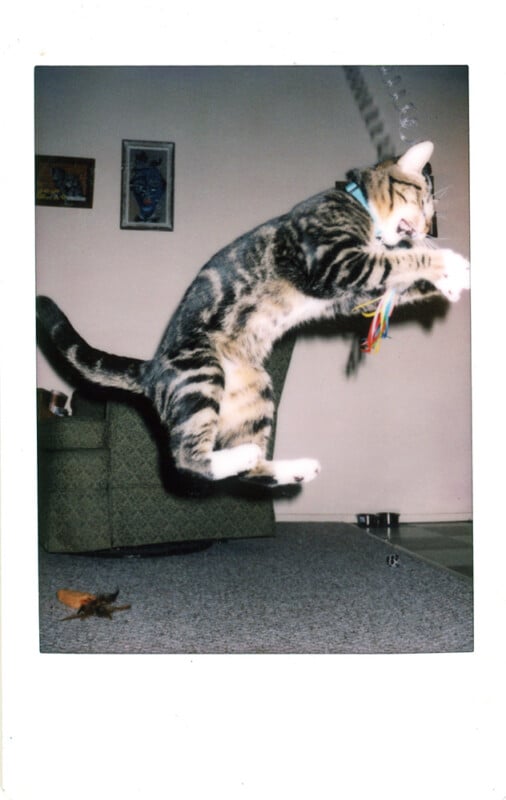

As referenced above, Fuji Instax was initially only well known in Asian markets. It wasn’t until Polaroid announced the discontinuation of its film in 2008 that Fuji decided to start marketing Instax films in North America. This gave them a valuable head start over the Impossible Project, which came along in 2010. Fuji Instax is still more popular in Asian markets than it is in North America and Europe, but that has been steadily evening out. These days, it is not uncommon at all to walk into a hip coffee shop and notice a wall of Instax photos pinned up, or see the film on sale at trendy stores next to chic clothing. Instax Mini has enjoyed a long and fruitful run, and it doesn’t seem to be anywhere close to ending.
At its technical heart, Fuji Instax Mini is an ISO 800 color film that is roughly the size and shape of your average credit card. Fuji Instax follows a couple of major innovations that were actually introduced by that doomed Kodak instant film, namely that the film is exposed through the back of the sheet, allowing the cameras to forego the necessary mirror that would reverse the image. This allows Instax cameras to be much more compact. Also, Fuji builds the batteries and pressure plates into its cameras as opposed to the film cartridges, further helping to reduce the cost of each Instax sheet of film. What you end up with is a combination that is fun, relatively inexpensive, and works quite well.


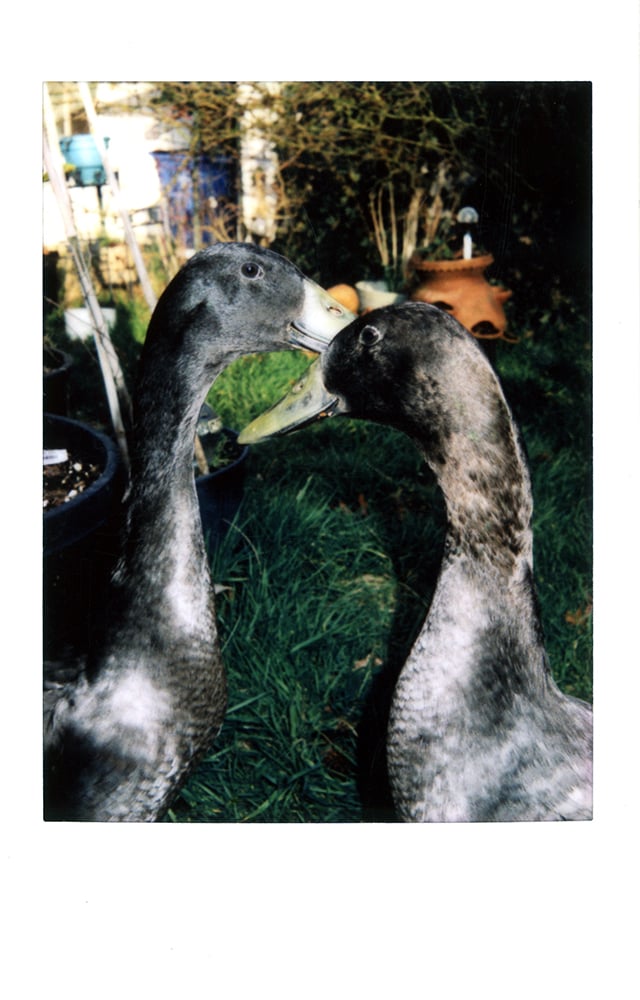

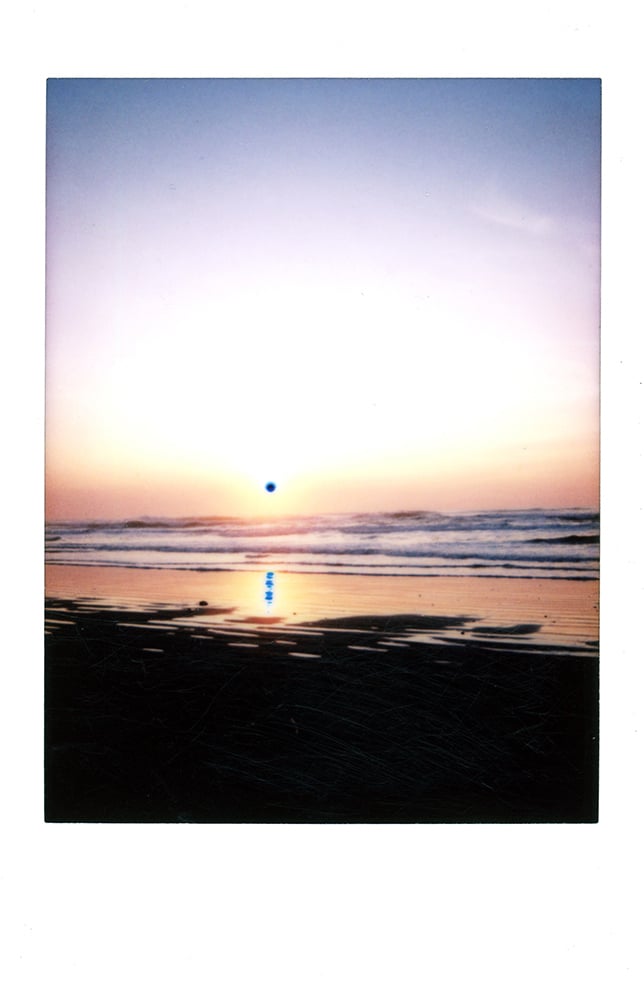
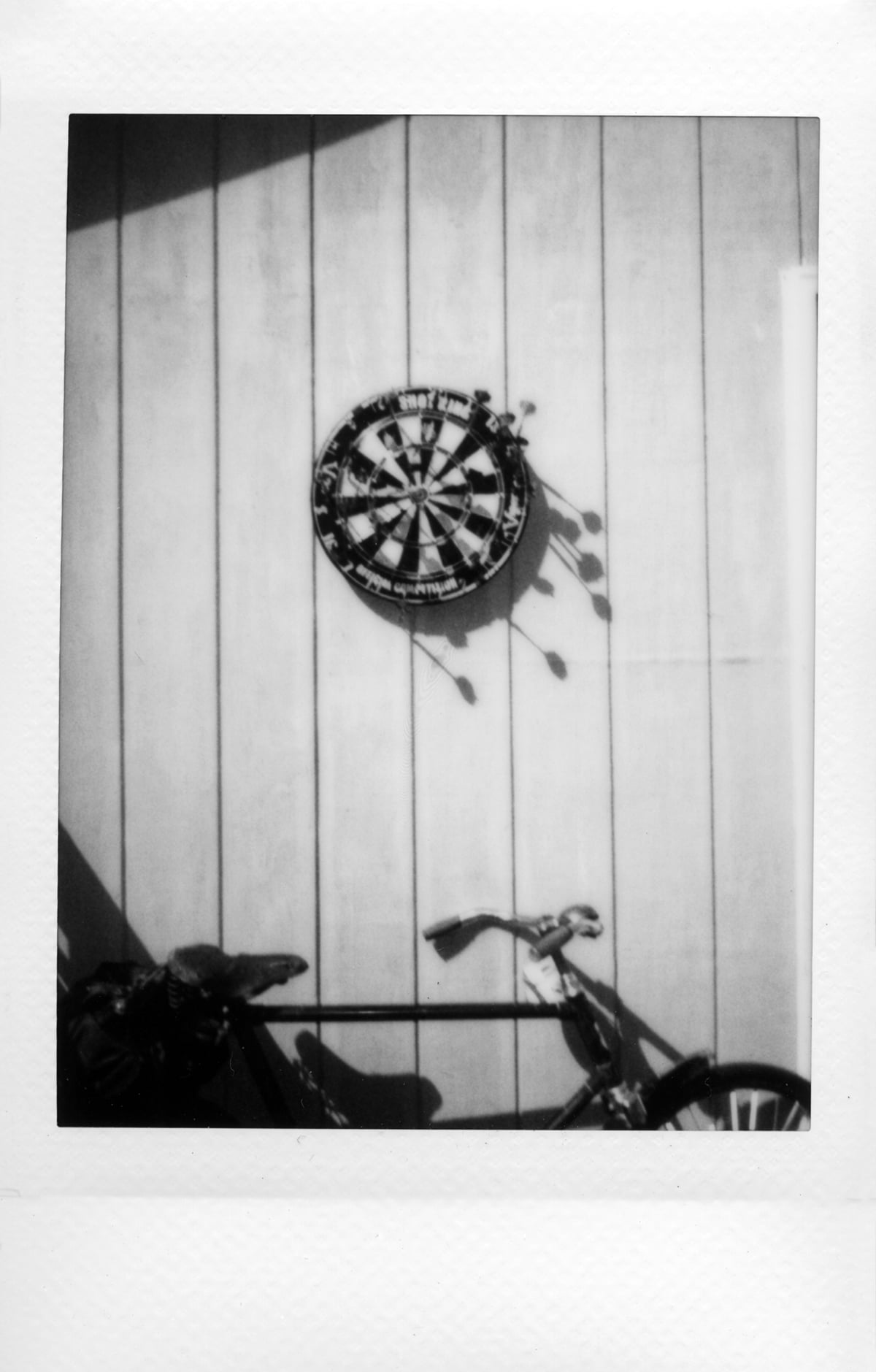
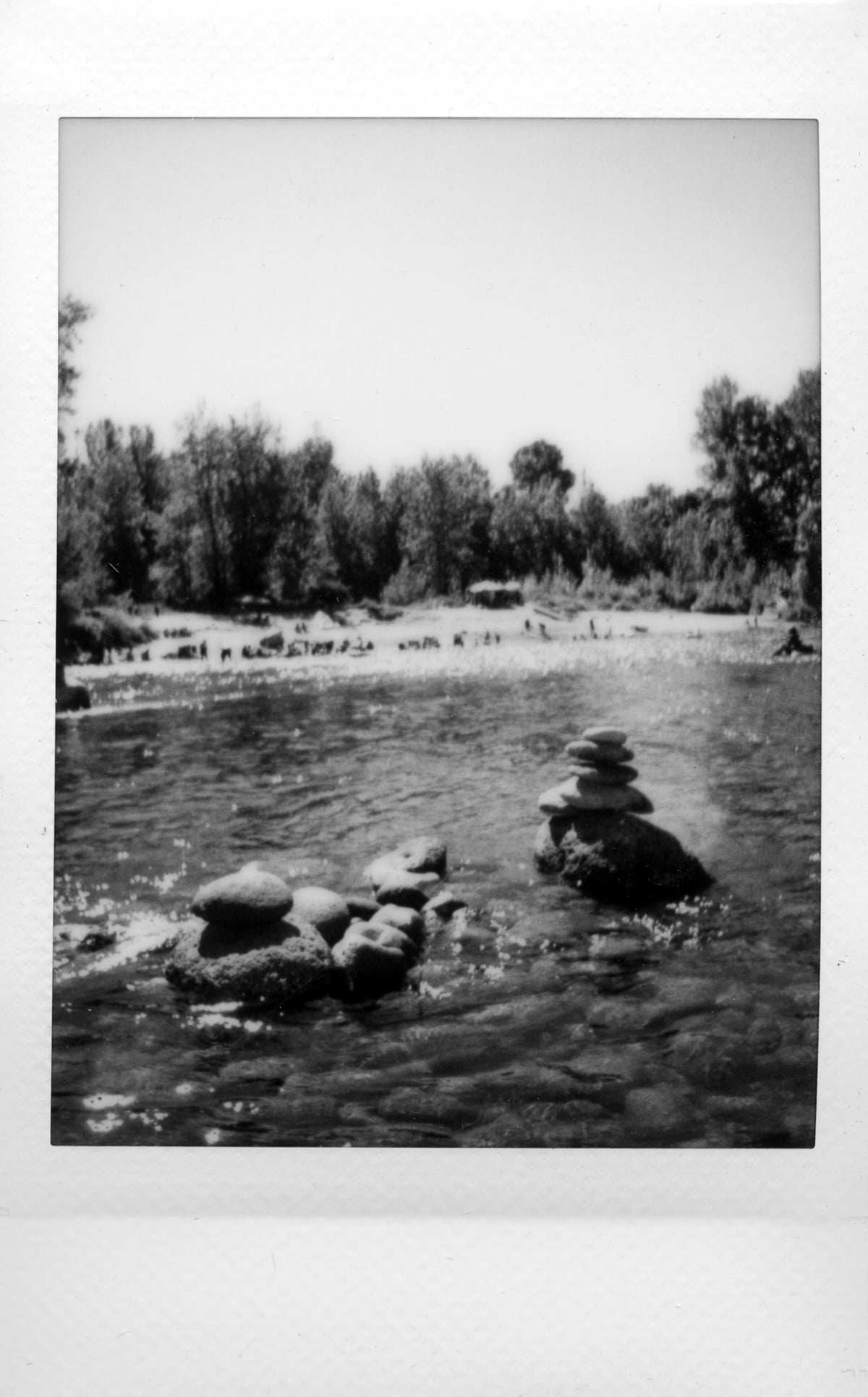
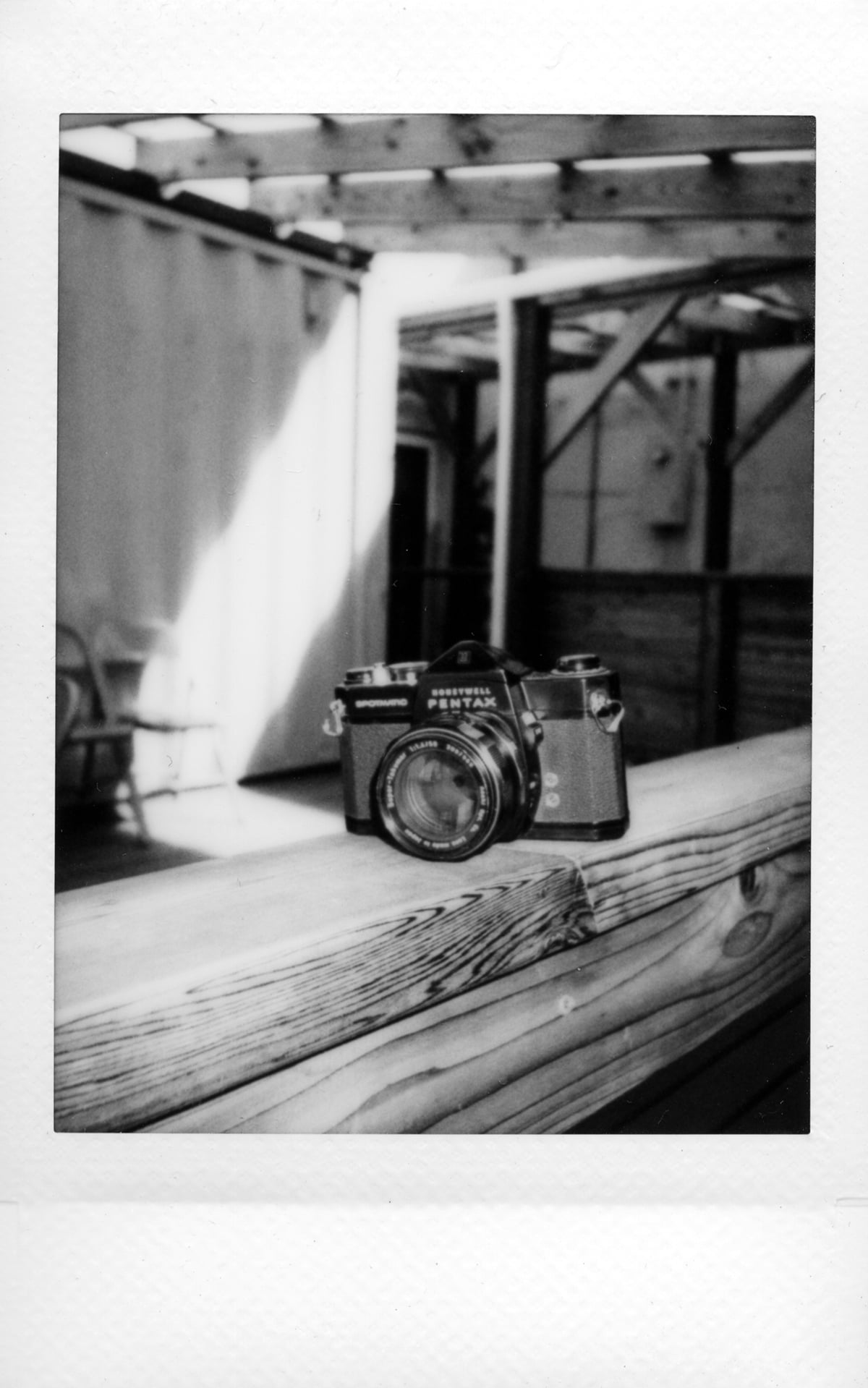
All that history and technical info is really only there to set the stage for you and give you a bit more appreciation for the Instax name. What is really going to jump out at you when you start using Instax Mini film is how good it looks. It is crisp, sharp, and saturated. You get lovely images from Instax, and the film performs quite consistently. There really isn’t much more to say in that regard. It just looks very, very good, virtually every single time. This may help explain why so many of our staff like carrying these cameras around. Unlike the Instax Wide, which essentially uses the same film, the Instax Mini is much more portable, and the resulting shots can fit in your wallet. When we started sifting through the samples our staff brought in, we quickly noticed that they use Instax Mini to record their lives. We have images from nights out, Halloween parties, poignant (or hilarious) moments from home life, and the like. We got in a couple of landscapes, but really the majority of the images were about personal lives. The Instax Mini is a really great camera for this purpose. Yes, you can make artful landscapes, still lifes, or portraits with it, but that is not the raison d’être for this film… or what inspires most Instax photographers to use it.

For proof of this, check out the images in our samples of the young boy shaving and with his first washed dish (a spoon). Both of these images were brought in by our lab manager, David, showing a couple of memorable moments he experienced helping to raise his stepson, Cash. He chose to grab his Instax Mini over all his other cameras, then added the handwritten notes after the prints ejected to provide a bit of historical context to go with the images. Sure, he could have shot negative film, waited to finish the roll, had it developed and printed, and made the same notes on the back of the 4x6s he eventually received, but that would have taken days, if not weeks. He had these keepsakes within moments. And that is the largest part of the charm that this film has to offer. You can carry these cameras everywhere. They are easy to use. The prints eject right out the top of the camera and develop within a few minutes. The image forms as if by magic right in front of your eyes. You have instant keepsakes to go along with all those fun moments.

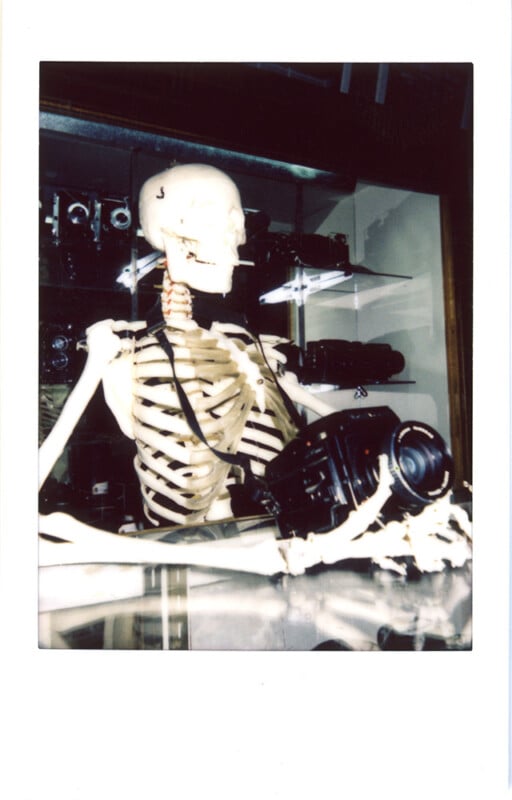
Fuji Instax film is available in both color and monochrome versions. Both emulsions are a fast ISO 800, and both feature visibly smooth grain. Both have beautiful contrast, with the color film offering punchy colors and the monochrome offering rich tonality from shadows to highlights. And just to make things even more fun, Fuji produces this film with a plethora of odd or colorful borders, such as the contact sheet version of the Instax Mini.
And that is our pitch/take/review of the Fuji Instax Mini. It doesn’t get taken terribly seriously. Perhaps it should be, but maybe it shouldn’t. It is fun to shoot with, but also has the capability to make images that might end up meaning more to you than any you make with your other cameras. Even after decades of using various instant films, the magic of watching instant film develop never quite wears off. At the very least, it is a process quite different from what you get working with your 35mm or medium-format cameras.
We will have Fuji Instax Mini film on sale today, both color and monochrome. Pay a visit to our website or our Portland, Oregon shop and take advantage of our one-day sale. All you will need then will be an Instax Mini camera, but don’t fret, as we have those too!
Image creditsAll photos are individually credited and come courtesy of Blue Moon Camera and Machine.
This story is brought to you by Blue Moon Camera and Machine in Portland, OR. Blue Moon offers film, development services, printing, and even an ever-rotating line of film cameras and lenses. PetaPixel Members receive 10% off all lab services with Blue Moon: Join today!
Affiliate Disclosure PetaPixel articles may include affiliate links; we may earn a commission if you buy through one.