

A 3,200-Pound NASA Observatory Is Crashing Down to Earth
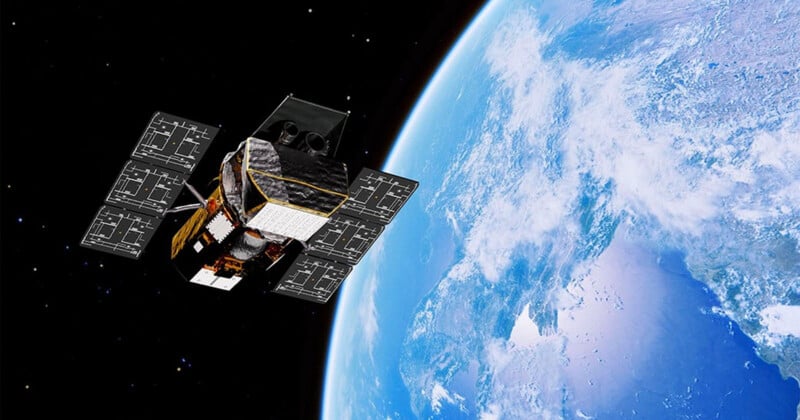
NASA’s longtime Neil Gehrels Swift Observatory is expected to re-enter Earth’s atmosphere tomorrow, November 4. While most of the telescope will burn up as it careens through the atmosphere, NASA says it expects some components to survive and potentially even cause harm, although that outcome is exceedingly unlikely.
The Swift Observatory launched in 2004 to explore gamma-ray bursts throughout the Universe. These are the Universe’s most powerful explosions and second only to the Big Bang in terms of the most energetic and brightest phenomena known to science.
Swift’s initial prime mission was scheduled to last just a couple of years, but its scientific operations ultimately lasted much longer. The Neil Gehrels Swift Observatory has witnessed many incredible things over its lifetime, observing the Universe across a wide range of wavelengths.
“Swift has broadened our understanding of a wide variety of cosmic objects and events, from active galaxies powered by supermassive black holes and stars undergoing X-ray flares, to supernova explosions and comets and asteroids in our own solar system,” NASA says.
Just a few years ago, Swift captured the most powerful gamma-ray burst ever observed, which released a staggering 18 teraelectronvolts of energy. It was so powerful that even though the event was 2.4 billion light-years away, it shook Earth’s outer atmosphere.
Even earlier, in 2013, scientists built a 160-megapixel map of ultraviolet light in nearby galaxies using data from Swift. 13 years later, it remains beautiful.
Right now, NASA expects the 3,200-pound Swift Observatory to re-enter Earth’s atmosphere around 3:30 AM EST on November 4. However, there’s an 11-hour uncertainty, so that reentry could happen later today.
Re-entry locations of any components that survive the re-entry burn could land anywhere between 20.6 degrees south latitude and 20.6 degrees north latitude. NASA says the risk of harm coming to anyone on Earth from Swift’s re-entry is about 1 in 2,100.
While this risk is very low, NASA tried to avoid it altogether. NASA launched a $30 million rescue effort this past summer, but it ultimately failed.
Even after this failed attempt, Swift actually continued to do science. The team restarted observations and observed hundreds more targets, including remnants of stellar explosions and supermassive black holes. However, on October 20, Swift entered safe mode and prepared for the end.
Just a couple of weeks before that, NASA released a four-photo set of some of Swift’s last images. NASA’s Chandra X-ray Observatory and the Neil Gehrels Swift Observatory teamed up to create these final photos, all seen below.
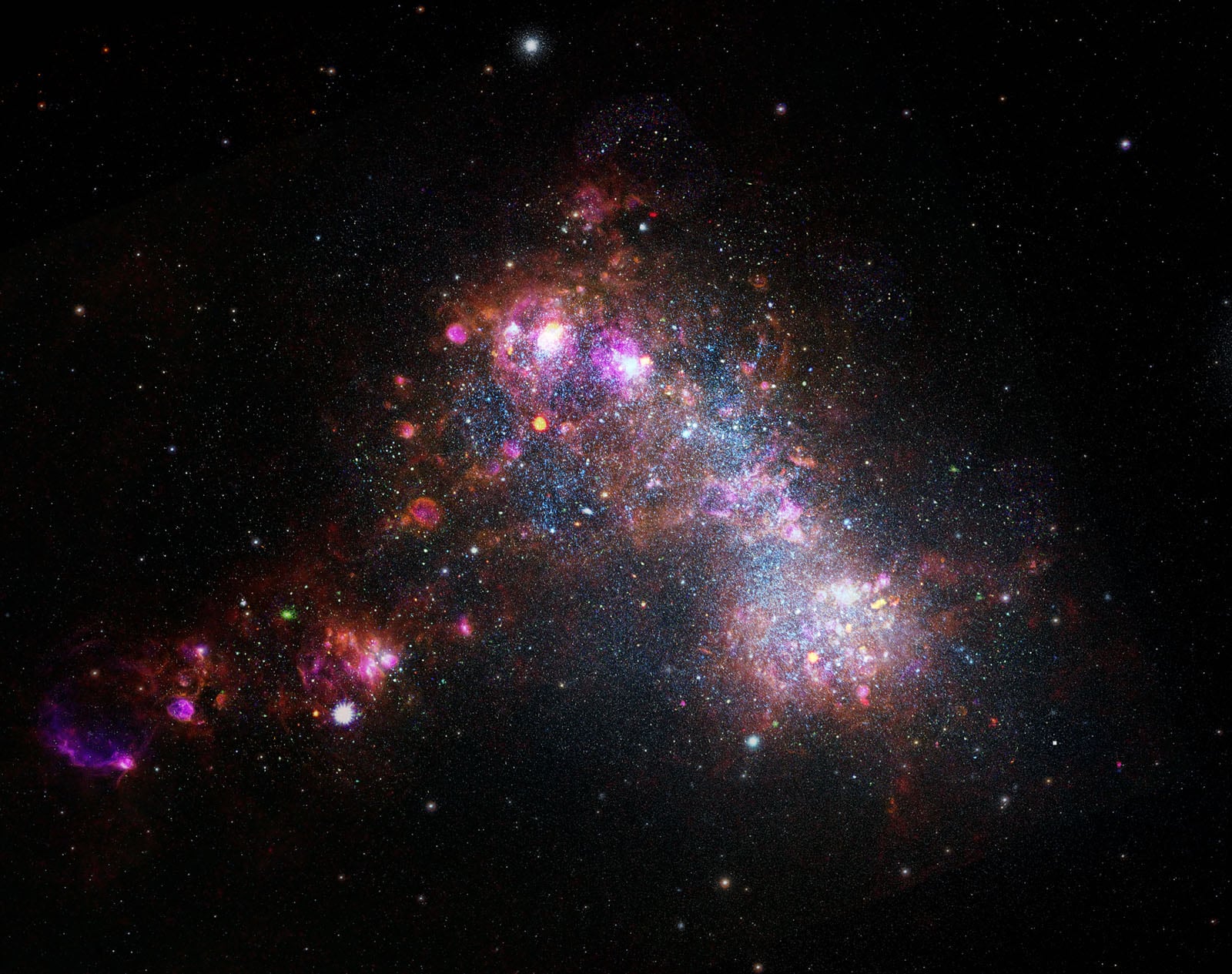
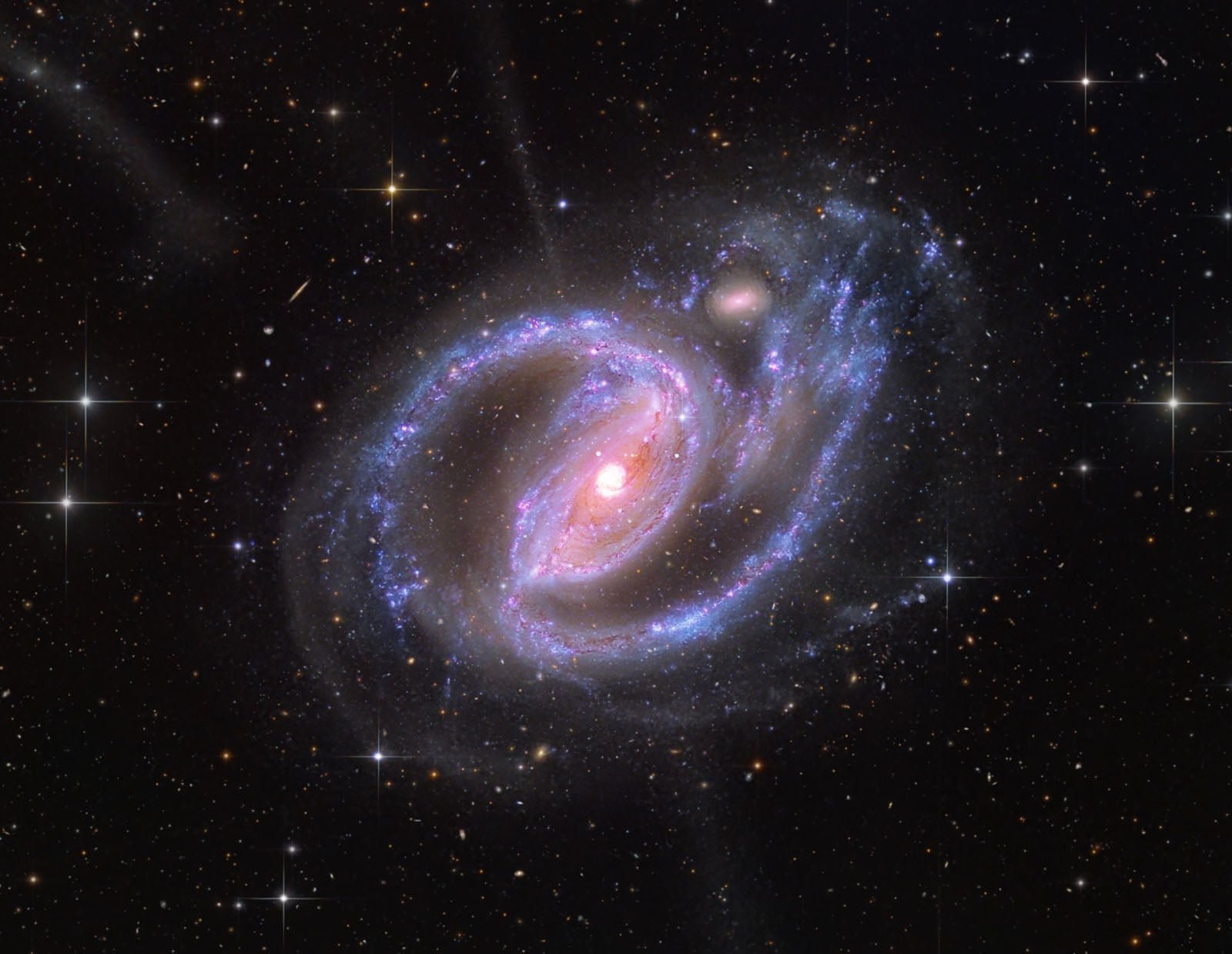
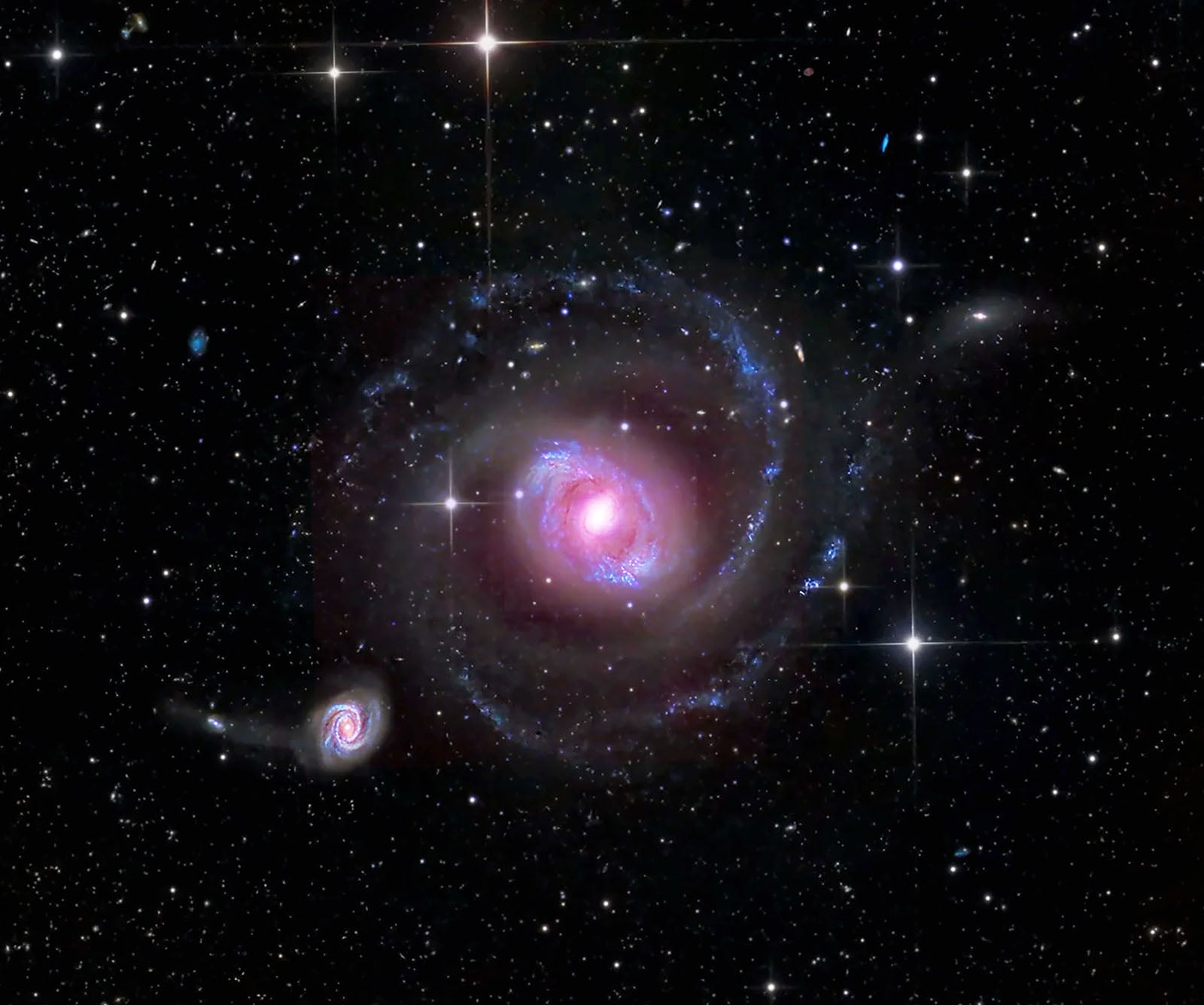
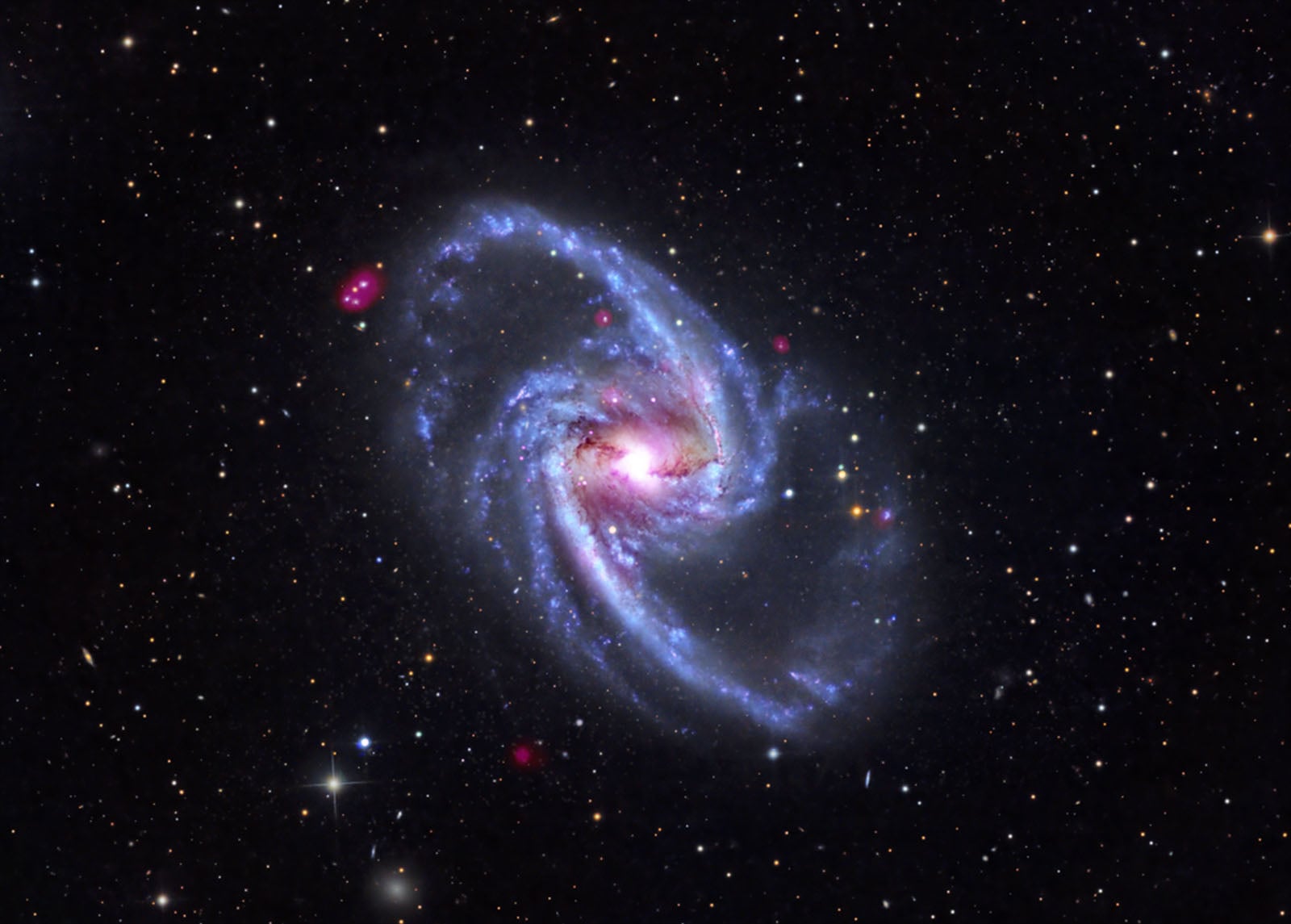
“NASA’s Chandra X-ray Observatory is one of the many telescopes that frequently teamed up with Swift to make important discoveries about the cosmos. Chandra and Swift have complementary abilities,” NASA’s Chandra X-ray Observatory explains. “While Swift can quickly capture rapidly-changing events in space in ultraviolet, X-ray, and gamma-ray light, Chandra is able to gather more detailed data with its sharp X-ray vision. When combined, these two telescopes helped provide a more complete picture of events and objects in space than either could alone.”
Goodnight, Swift.
Image creditsNASA. X-ray: NASA/CXC/SAO; UV: NASA/Penn State Univ./Swift; Optical: Mark Hanson; Image Processing: NASA/CXC/SAO/L. Frattare.
Affiliate Disclosure PetaPixel articles may include affiliate links; we may earn a commission if you buy through one.