The Best Photos From NASA’s Voyager 1 Spacecraft, Which Is Now 1 Light-Day From Earth
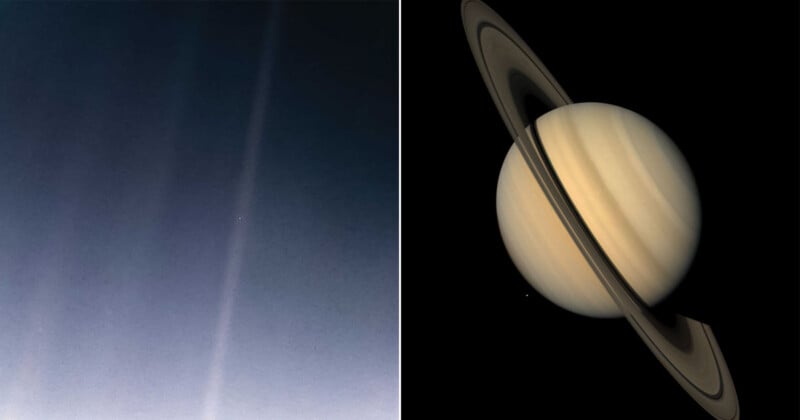
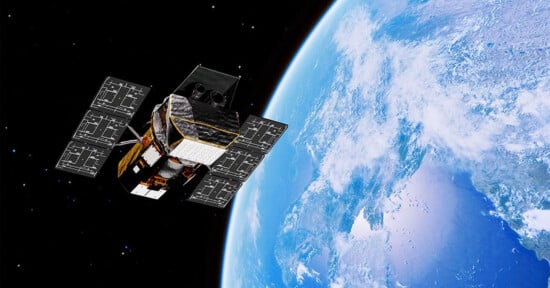
NASA’s Voyager 1 spacecraft, which launched on September 5, 1977, is officially one light-day away from Earth.
Now about 16 billion miles (around 26 billion kilometers) from Earth, Voyager 1 is the first human-made object to reach this distance. While space enthusiasts are very familiar with the concept of a light-year, a “light-day” is far less commonly used. However, that doesn’t make it any less impressive.
To put Voyager 1’s accomplishment into perspective, if someone flashed a light on Earth right now, it would take an entire day to reach the spacecraft. By comparison, light needs just over 130 milliseconds to circle the globe and about 500 seconds to travel from the Sun—which sits nearly 93 million miles (about 150 million kilometers) away.
Voyager 1 is at a truly mind-boggling distance from Earth. As NASA puts it, “Nothing in the universe travels faster than light. Moving through space about 186,000 miles every second, it crosses enormous distances in a given time period, whether it’s a second, a day, or a year.”
NASA also shared other interesting light-distances. The Moon is 1.3 light-seconds away, even though it took Artemis II astronauts about three days to get there. Neptune, the most distant planet in the Solar System (sorry, Pluto), is about four light-hours and 10 light-minutes away.
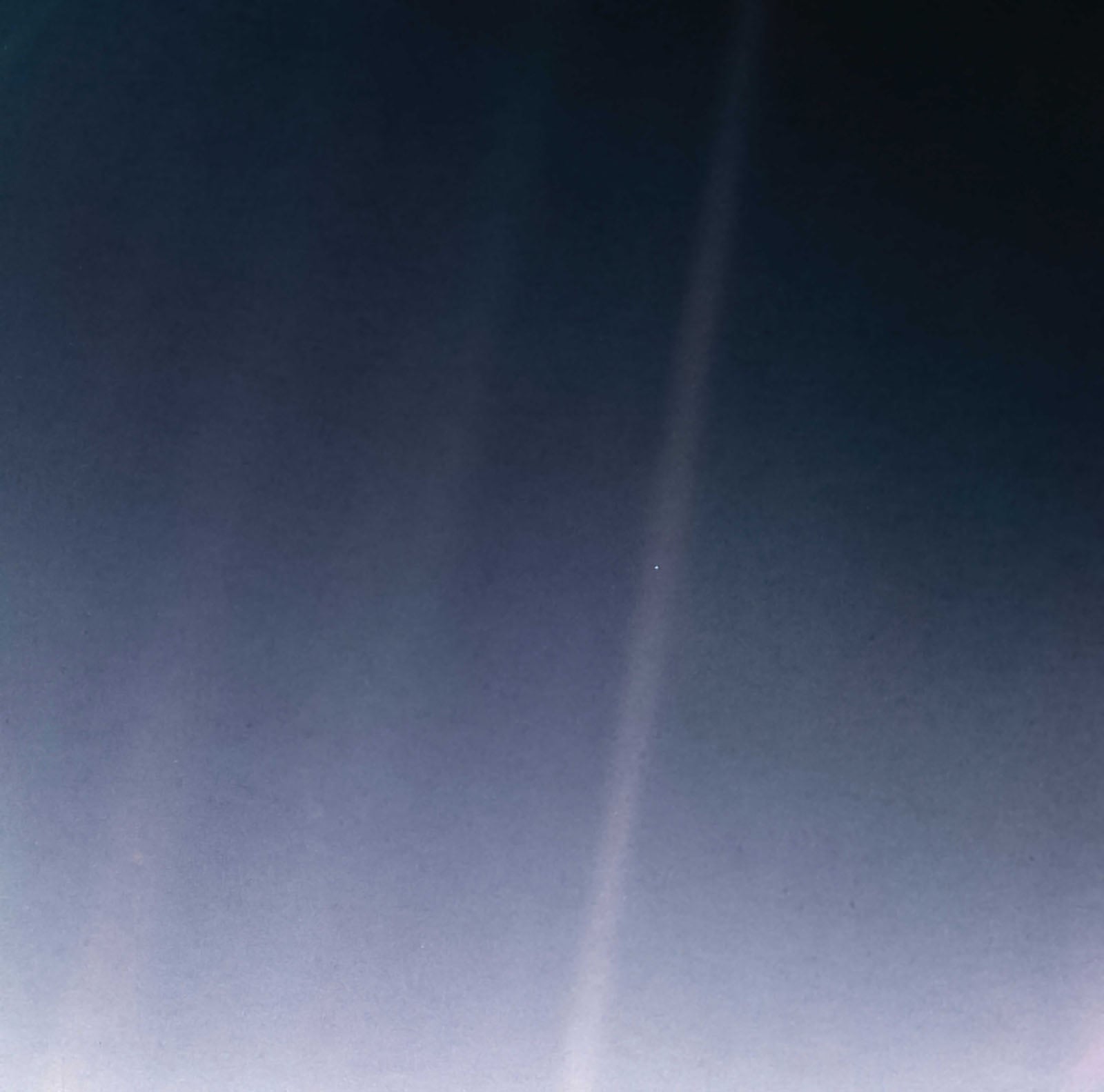
Voyager 1 will continue traveling toward AC +79 3888, a star also known as Gliese 445. This obscure star lies more than 17 light-years away, and Voyager 1 is projected to pass within 1.7 light-years of it in a staggering 40,000 years—despite the spacecraft’s cruising speed of nearly 38,000 miles per hour (61,000 kilometers per hour).
As for Voyager 1’s sibling spacecraft, Voyager 2, it will reach one light-day from Earth in November 2035. Despite its name and current position behind Voyager 1, Voyager 2 actually launched a couple of weeks earlier. However, Voyager 1 took a faster path through the Solar System. Voyager 2 will never catch up.
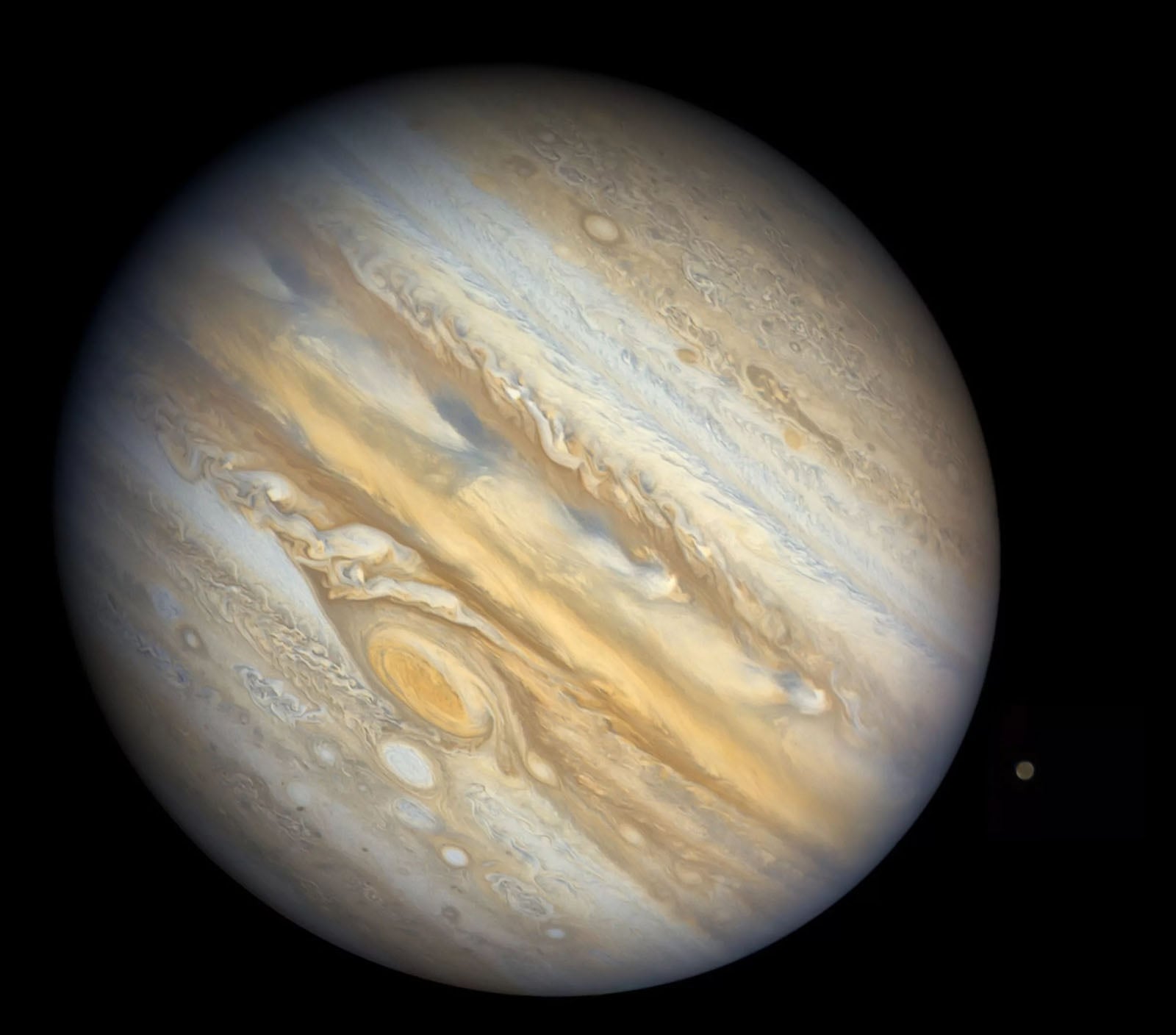
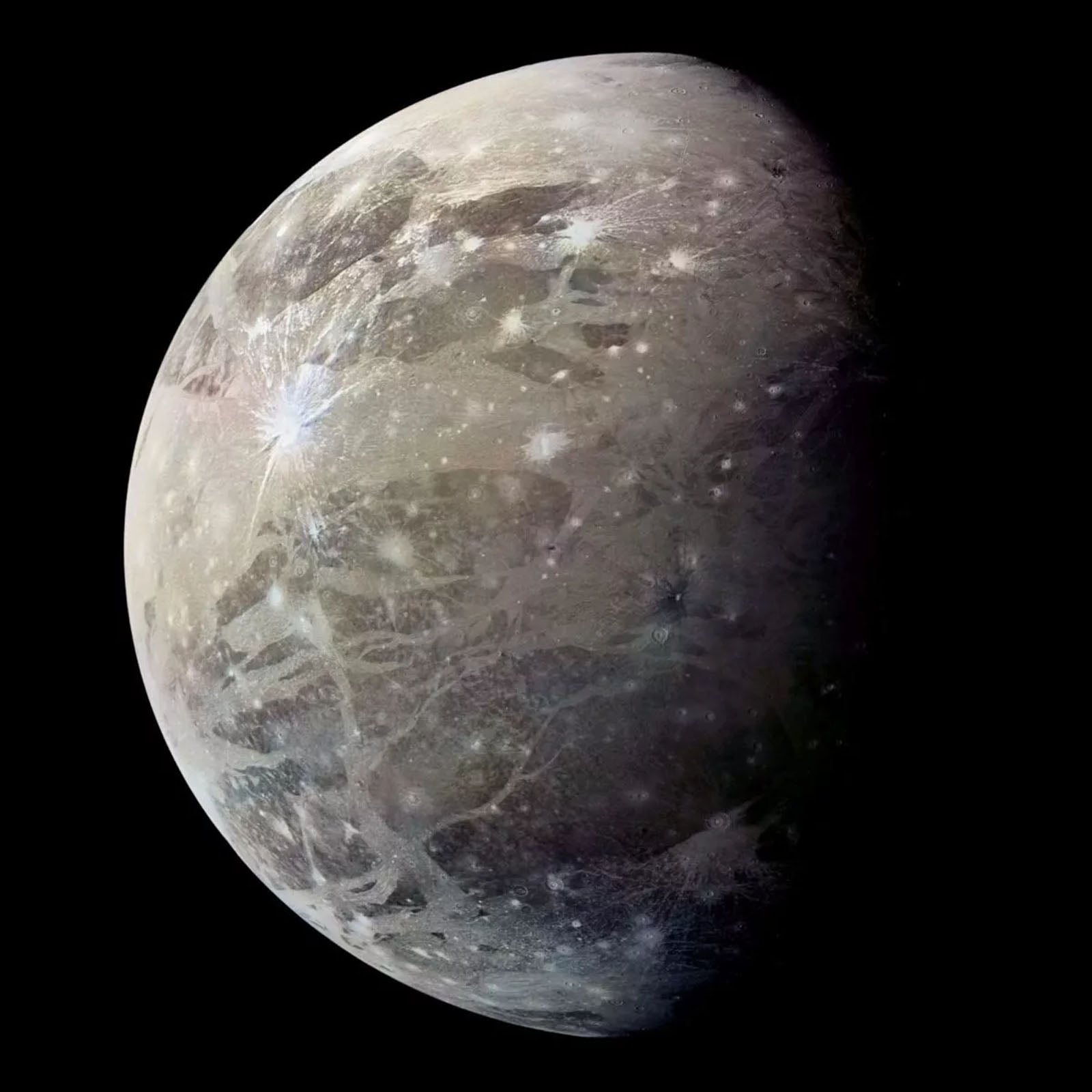
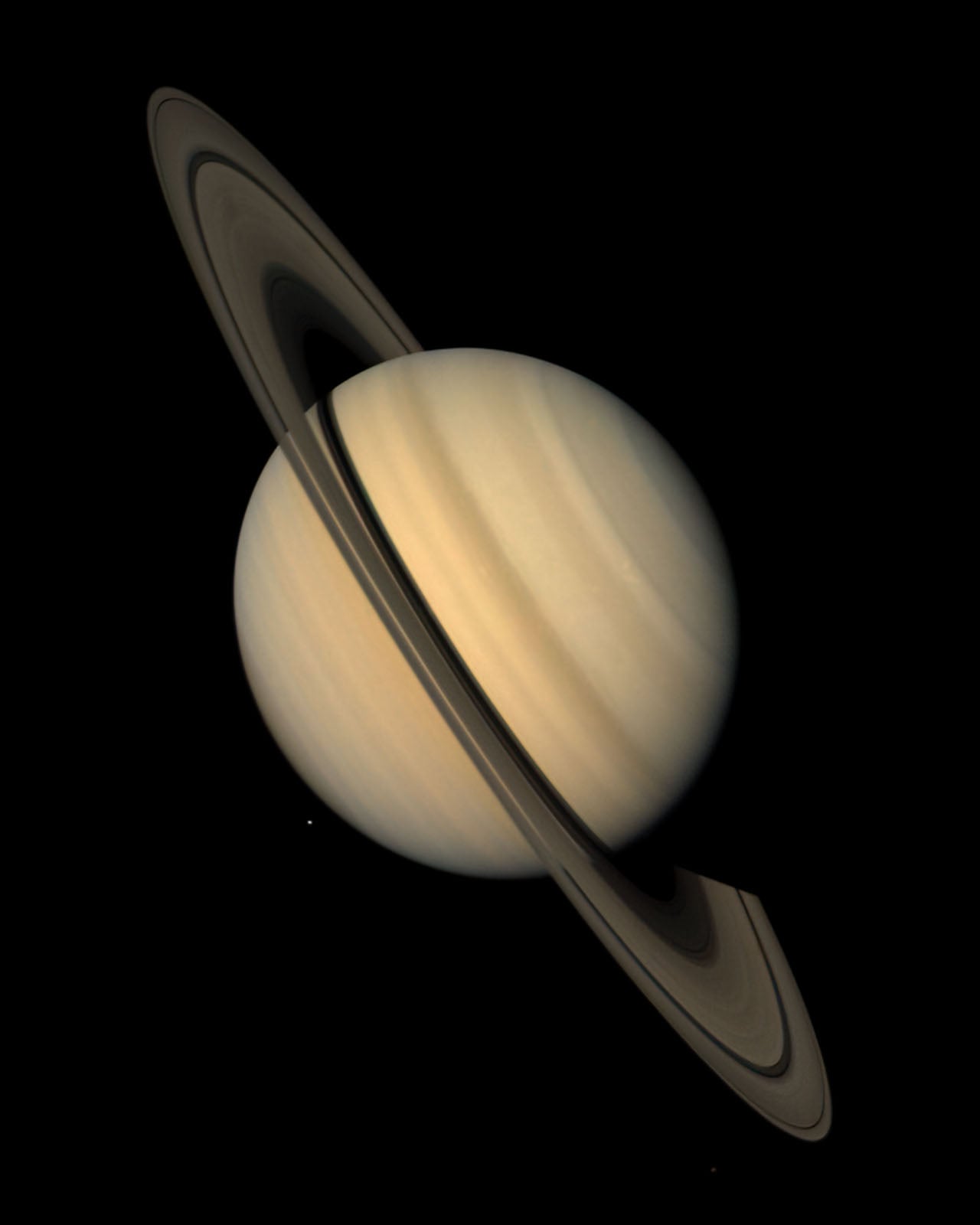
It’s unclear just how far Voyager 1 will ultimately travel. Theoretically, it will never stop as long as the universe exists. While interstellar dust could slow the spacecraft or potentially even grind it down to nothing, Voyager 1 would have to hit a lot of dust just to cut its speed in half. Something human beings made, touched with their own hands, and launched into space will travel out into the cosmos forever. Humanity will never truly know what happens to Voyager 1, though, as communications are expected to be lost in about 10 years.
Image creditsNASA
Affiliate Disclosure PetaPixel articles may include affiliate links; we may earn a commission if you buy through one.