
Using AI Slop to Sell Cameras Will Never Make Sense to Me
It’s Saturday, and instead of enjoying the nice weather, I’m drawn to my computer to write the equivalent of a deep sigh. Two companies decided to publish generative AI slop this weekend designed to sell cameras, and I will never understand it.
Update 8/24: Ricoh GR Europe has deleted all of the images in its blog post, but kept the text, presumably because it’s more difficult to prove it wasn’t made by a human. The company has still not responded to PetaPixel’s request for comment. Deleting the images seems like a confirmation of what was assumed: they were generated by AI.
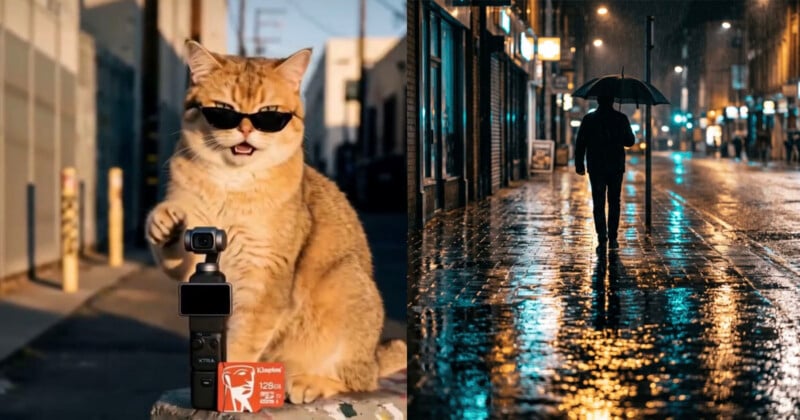
We’ll start with the exceptionally obvious one: Xtra. The company published an AI-generated video to Instagram today that uses animals to try and sell its Muse gimbal camera. The Muse is, effectively, the DJI Osmo Pocket 3 wrapped in different branding, and you might be wondering why the company is trying to sell what is now quite outdated technology, considering the Muse 2 and the Pocket 4 both exist. Well, maybe the latter actually exists, because Xtra is currently in a fight with the FCC over whether or not its gimbal camera is actually original or just the Pocket 4 in a trench coat.
Regardless, it’s a pretty vapid commercial that really undercuts the entire reason someone would even want to buy something like the Muse: to make something with it in, you know, reality.
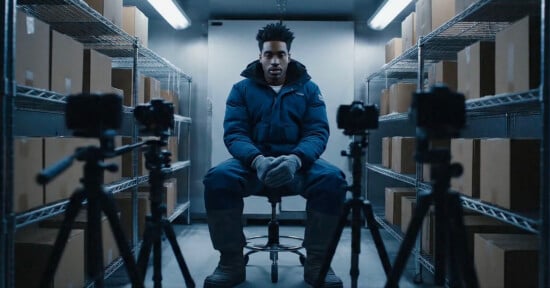
I wish I could say this was unexpected, but it is sadly not. During the lead-up to the launch of the Muse 2 Pro (which, as mentioned, has been indefinitely delayed), Xtra provided a press packet with “sample videos” presumably captured on the camera system, and a large number of them are very clearly made with AI. This was, of course, not disclosed, but all you have to do to see it is use your eyes. Below are a few examples.
These videos were included in a batch folder that had actual, real footage captured on the Muse 2 Pro, which is so confusing since the company clearly had real footage (more than 20 other clips), but felt like it had to beef up its sample gallery with slop in order to make it more compelling.
It just doesn’t make sense to me. Just show the real thing, put it in the hands of a real person, and use that. It’s not even that hard or, frankly, that expensive. The one excuse I can think of is that in Asia, the sentiment around generative AI use isn’t as negative as it is in the West. Remember, DJI did this last month. It’s a lot more common there and especially in China, they aren’t as immediately repulsed by seeing its use as folks in the United States, Canada, or even Europe are.
That is what makes this next example even more confusing. Ricoh GR Europe published a blog post about night photography (thank you Giulio Sciorio for bringing it to my attention) that appears to be fully AI-generated. While this sort of thing is extremely difficult to prove, the text features all the hallmarks of AI generated copy, there is no byline (which is suspicious because who doesn’t want credit for their work), and the images were flagged as “likely AI generated” with more than 95% confidence by four separate AI image detectors (DeepAi.org, SightEngine, ZeroGPT, and WasItAI). They also have no photo credits, which, same as with the text, seems like something a real person would want credit for.

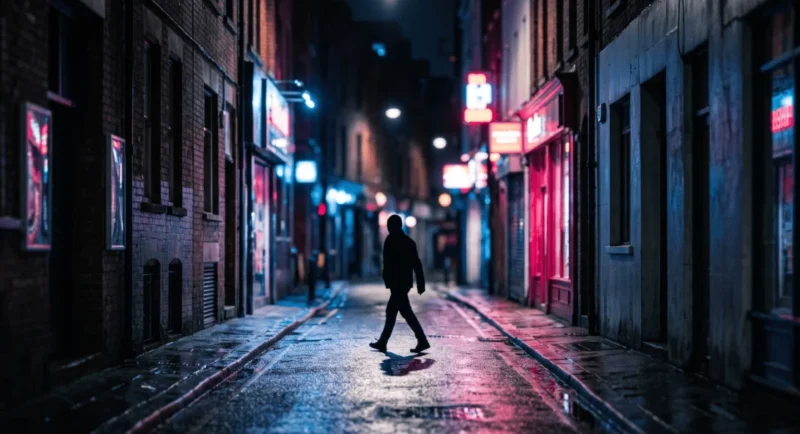
Again, these are not foolproof ways to determine if something is real or AI-generated, but it certainly appears like Ricoh GR Europe chose to use AI here instead of a real person.
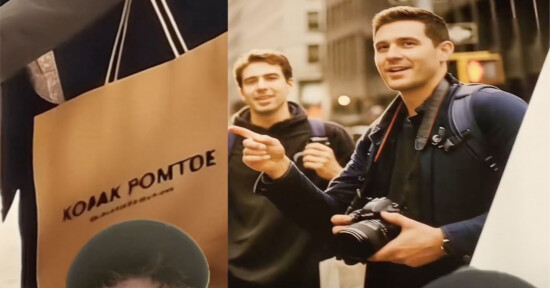
Oh, and that’s without mentioning that the thumbnail for this article features a man holding up the Ricoh GR to his eye. You know, the camera that doesn’t have a viewfinder?
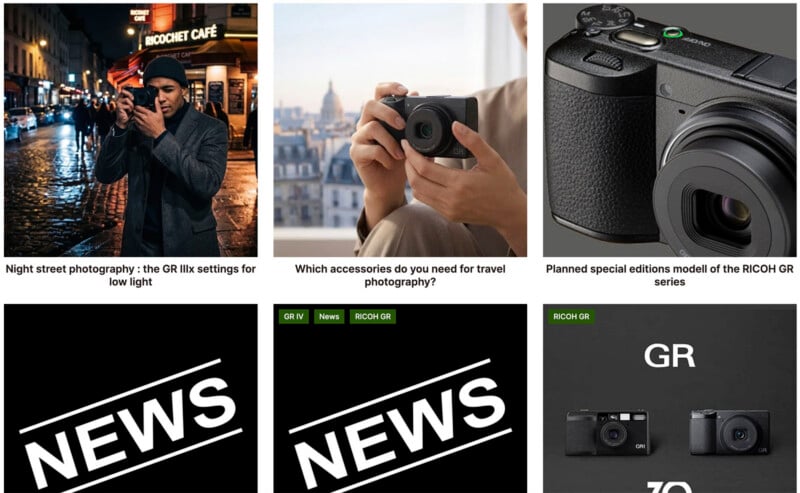
I emailed our contacts at Ricoh for comment, but seeing as it’s a Saturday afternoon, I don’t expect to hear back until Monday, and even then, it’s not the same division that published that story. If Ricoh GR Europe can prove it wasn’t AI, I’d be happy to issue a retraction and write an apology. At the very least, the fact it’s a question at all means that the marketing team there didn’t do their due diligence to make sure that what they were posting couldn’t be confused with AI, if it is in fact not slop.
Taking a step back, I just don’t get it. I don’t understand why a company selling a product that is, at its very core, tied to being creative would think that making fake, AI-generated, visual slop is going to entice someone to buy that product. People who buy cameras want to see what they can do with those cameras, right? A dog lamenting its inability to use a phone and a vapid guide about night photography filled with fake street photos isn’t actually selling these products, at least not to me.
Update 8/23: Added another AI example from the Ricoh GR Europe article.
Affiliate Disclosure PetaPixel articles may include affiliate links; we may earn a commission if you buy through one.