This lens is certainly good enough as a "first" dedicated super-telephoto lens for wildlife photography.

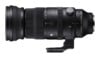
This lens is certainly good enough as a "first" dedicated super-telephoto lens for wildlife photography.
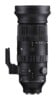
The Sigma 60-600mm f/4.5-6.3 DG DN Sport lens boasts one of the most versatile focal ranges on the market and effortlessly produces beautiful wildlife shots. The images are sharp, contrasty and true to life, but for us, the weight is a dealbreaker.
If your most important criteria are price and flexibility for wildlife and action photography, we think this is the best option to go for — particularly if this is your first dedicated wildlife lens.
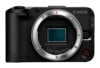
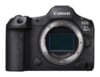
Here’s how it works. Although the EOS R50 V’s design is rather bare bones, delve deeper and there’s plenty of meat on the menu here for more adventurous image makers, with the consistent Canon quality to match our digital desires.
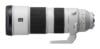
If you're looking for a quality lens at the very top of its game, with superior light-gathering and revolutionary technology, then this is the lens for you.
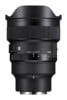
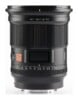
The Viltrox AF 16mm f/1.8 FE is a fantastic lens for landscape and astrophotography. Image quality is impressive, both wide open and stopped down for a larger depth-of-field, while the build quality and price are exceptional.
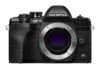
A small, beginner-friendly camera that can accommodate 'grab-and-go' users while offering creative potential to help grow your skills and experience.
It's a serious upgrade, but could be overkill for more casual photographers.
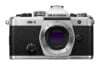
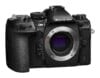
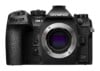
Blending analog era levers, switches and dials with the cutting-edge digital technology found in the flagship OM System OM-1 II, the latest OM-3 is a best-of-both-worlds option for those seeking contemporary convenience yet plenty of hands-on manual control.
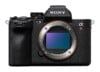
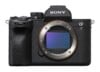
The Sony A7R V is intuitive and a pleasure to use.
It was very impressive when it was first released, although, with newer advancements in tech over the recent years, some of the newer models trump it.
It has impressive dedicated astro features to eliminate one of the biggest problems astrophotographers contend with, accurate and reliable autofocus with good subject detection modes and blisteringly fast burst rates.
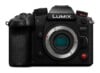
The Panasonic Lumix GH7 is arguably the best Panasonic MFT camera available, with features and functionality that make it a great choice for photographers and videographers alike.
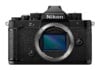
As a full-frame mirrorless camera with all these specs and performance tucked away inside a stylish and immaculately designed exterior, we'd happily recommend the Zf to friends, family and photographers who love the retro feel.
A modern reinvention of a legendary model, the OM System OM-1 is the best Micro Four Thirds camera ever made — and one of the best cameras, period.
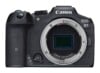
For my money, this is the best all-around APS-C mirrorless camera on the market right now – and, indeed, the best all-around APS-C camera on the market, period.
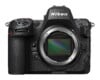
With all the power and performance of the flagship Z9, but in a smaller and cheaper body, the Nikon Z8 is a market-leading mirrorless camera.
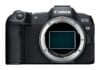
We'd recommend the Canon EOS R8 as a brilliant camera for those wanting to upgrade from their old DSLR camera (crop-sensor or full-frame) if they also want to upgrade their lenses and camera gear with time.
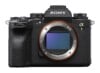
If you're a professional photographer or videographer wanting the absolute best of the best in your camera bag, and have the budget to accommodate that, then you cannot go wrong with the Sony A1, and it's a camera you'll have for years to come.
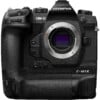
With industry-best image stabilization, a focal length-doubling crop factor, and Pro Capture that never misses a shot, the Olympus OM-D E-M1X is a wildlife wonder.
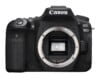
[T]he Canon EOS 90D is pretty much a no-brainer.
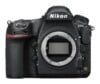
If you need both speed and resolution in a DSLR, the D850 is an absolute monster. Its 45.7MP stills are rich and detailed, giving you phenomenal image quality.
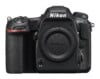
The Nikon D500 is in many ways an APS-C D850: a rapid-fire, pro-caliber imaging machine that extends the focal length of your lenses.