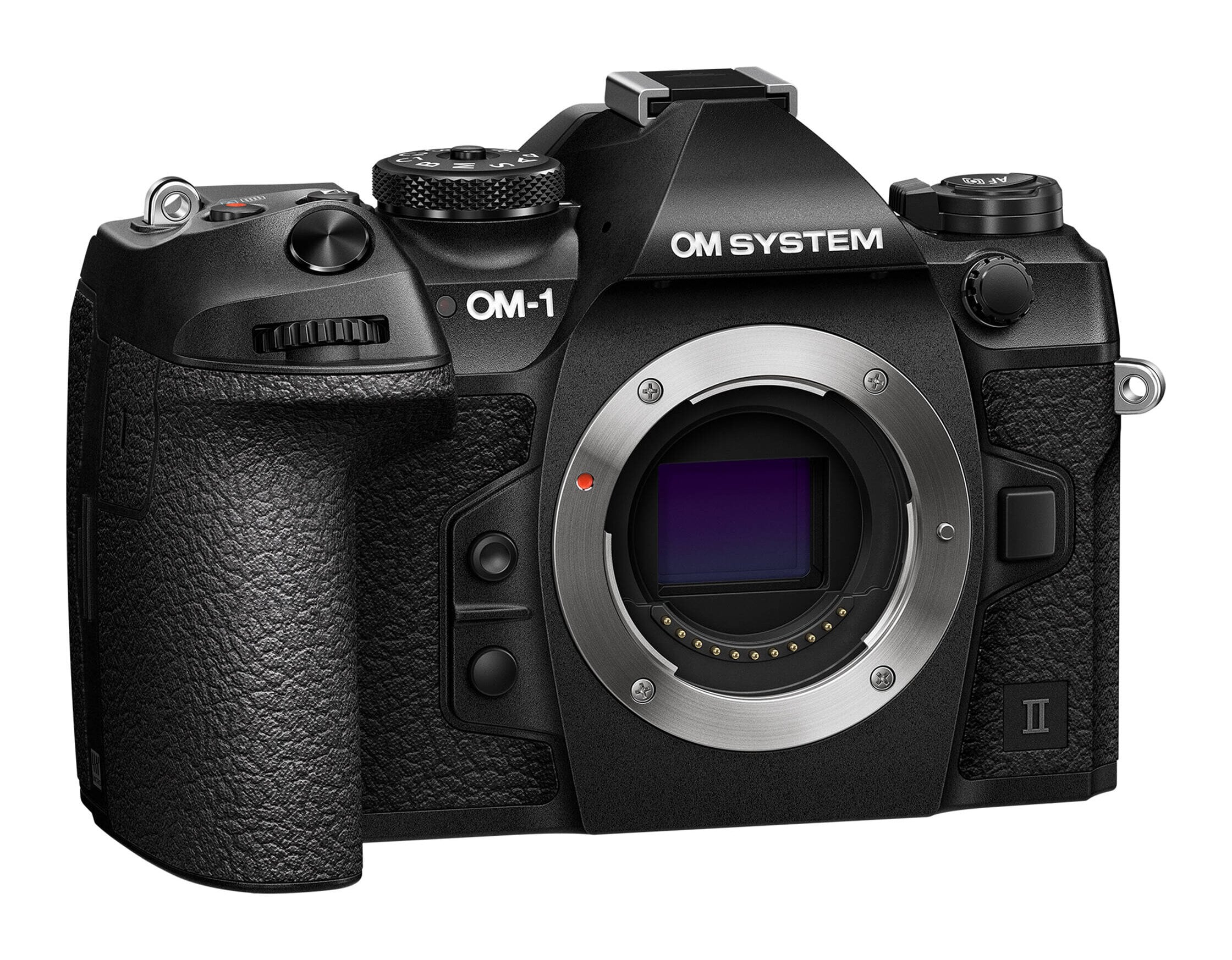
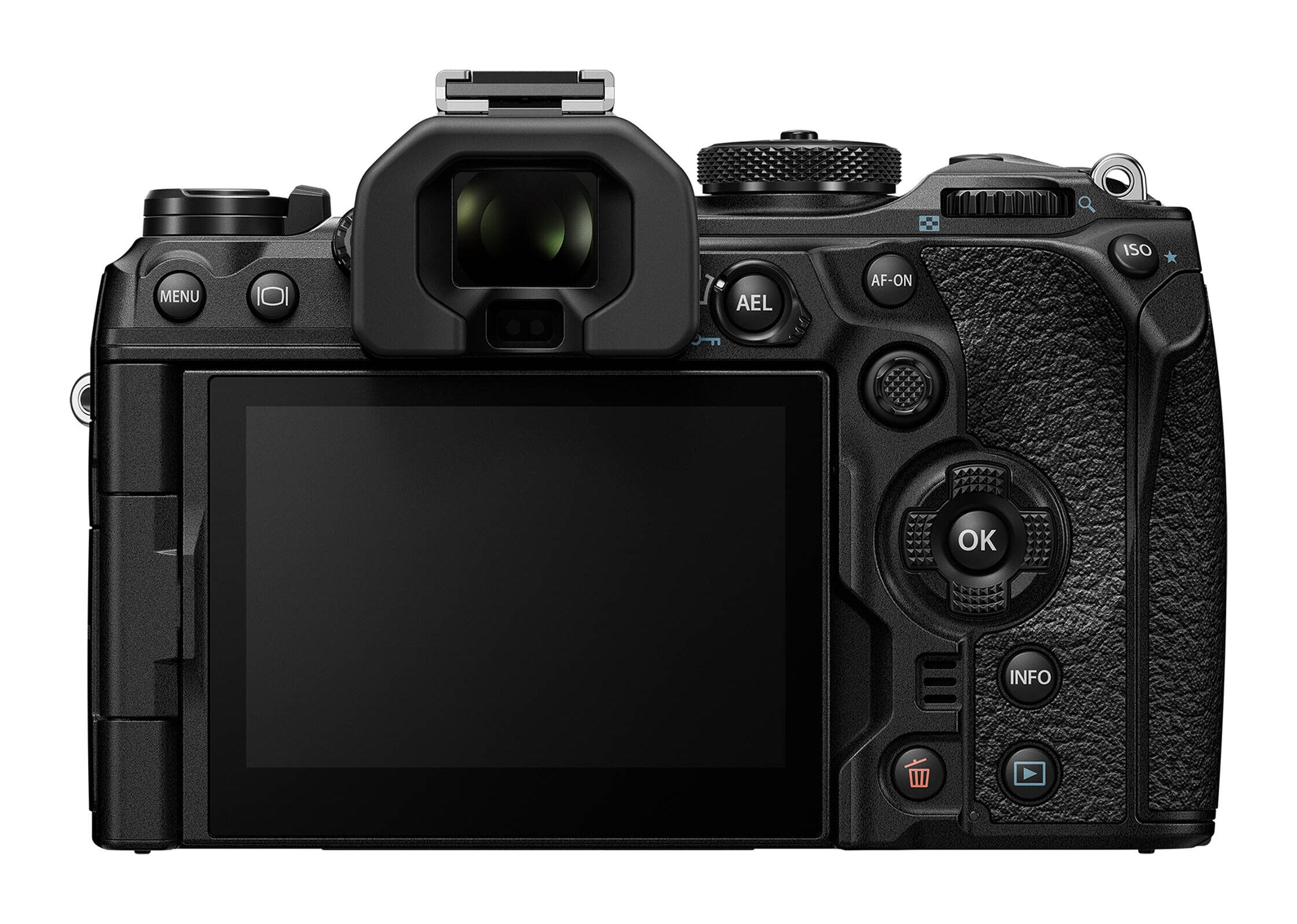
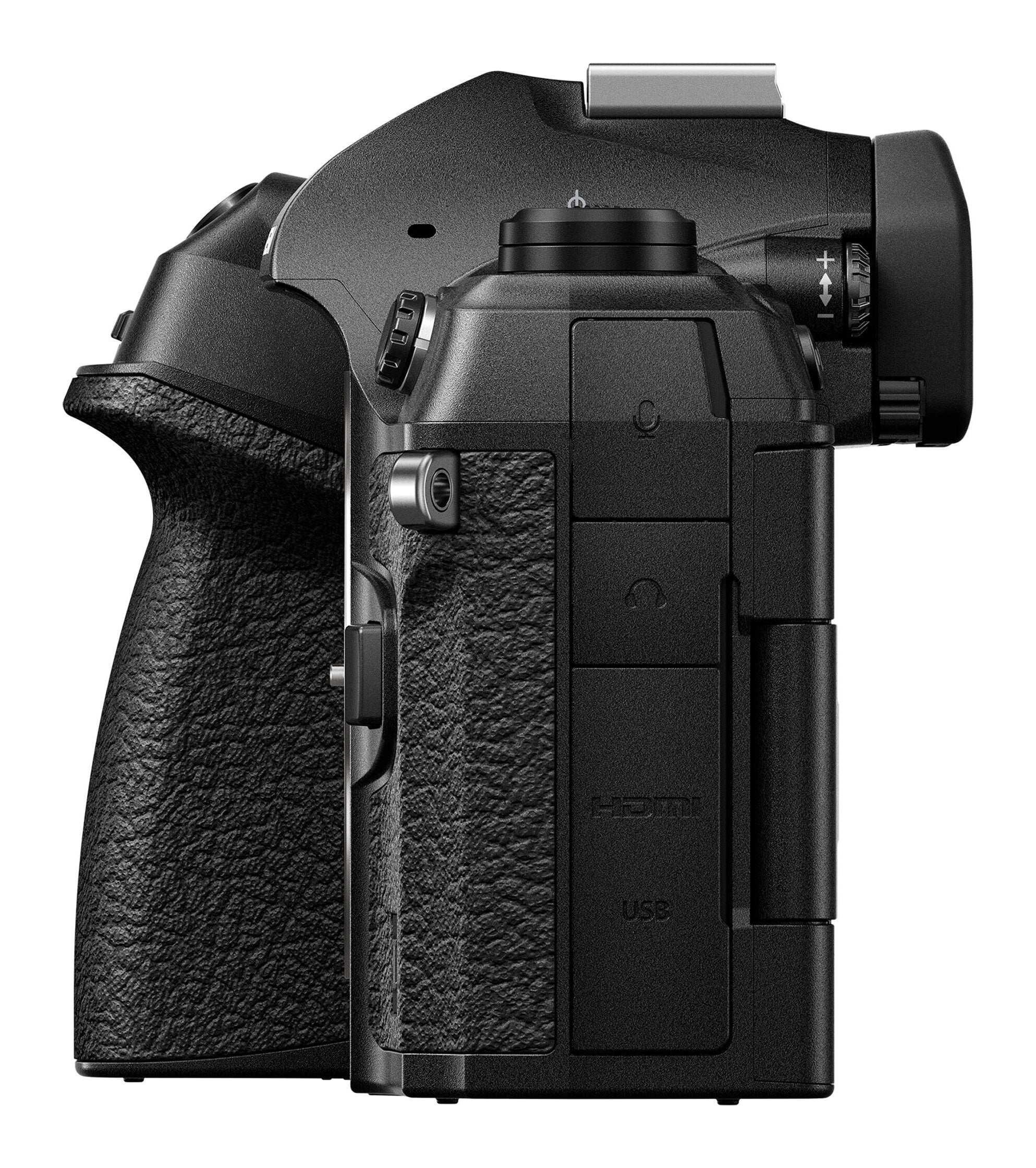
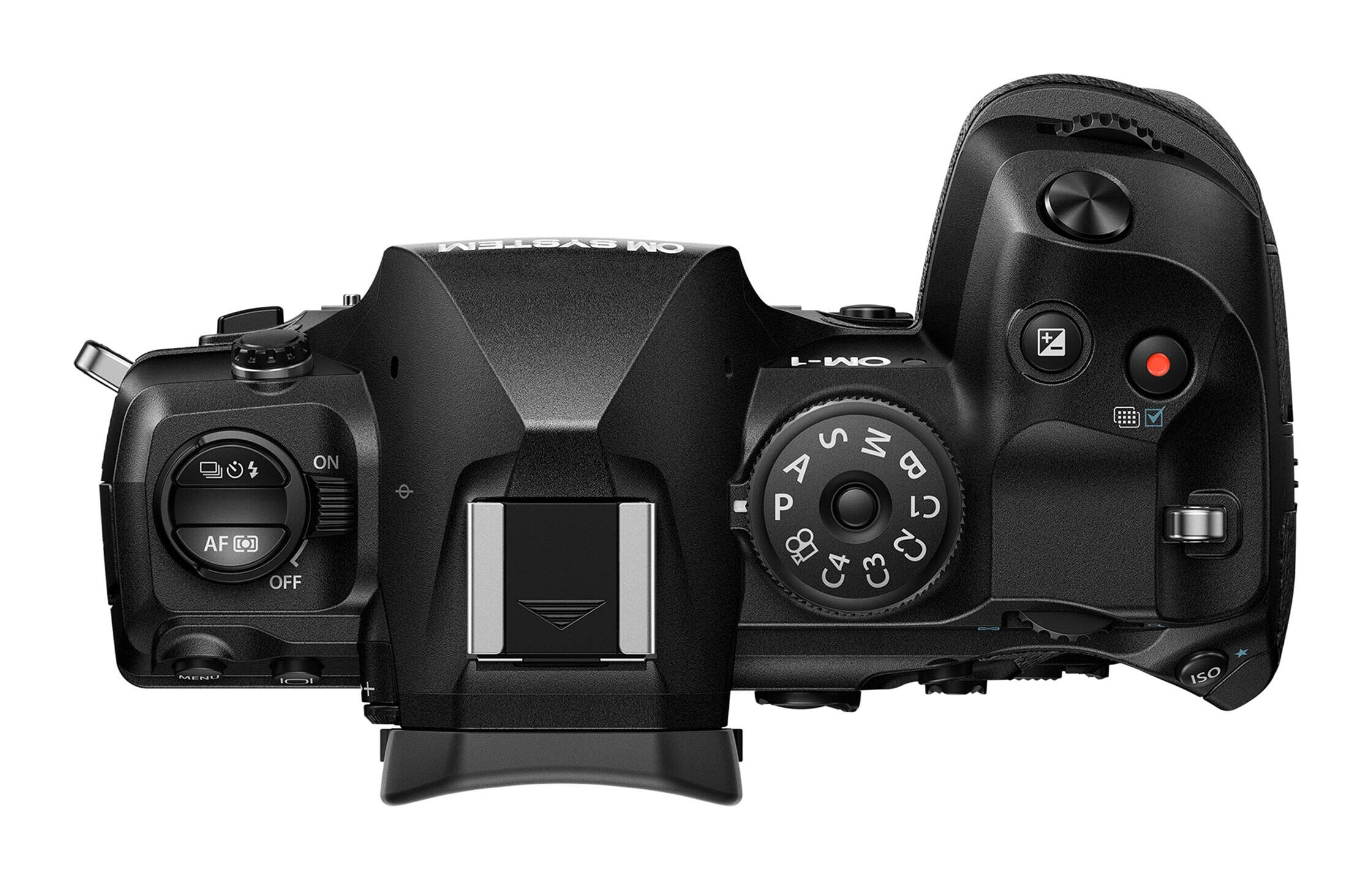
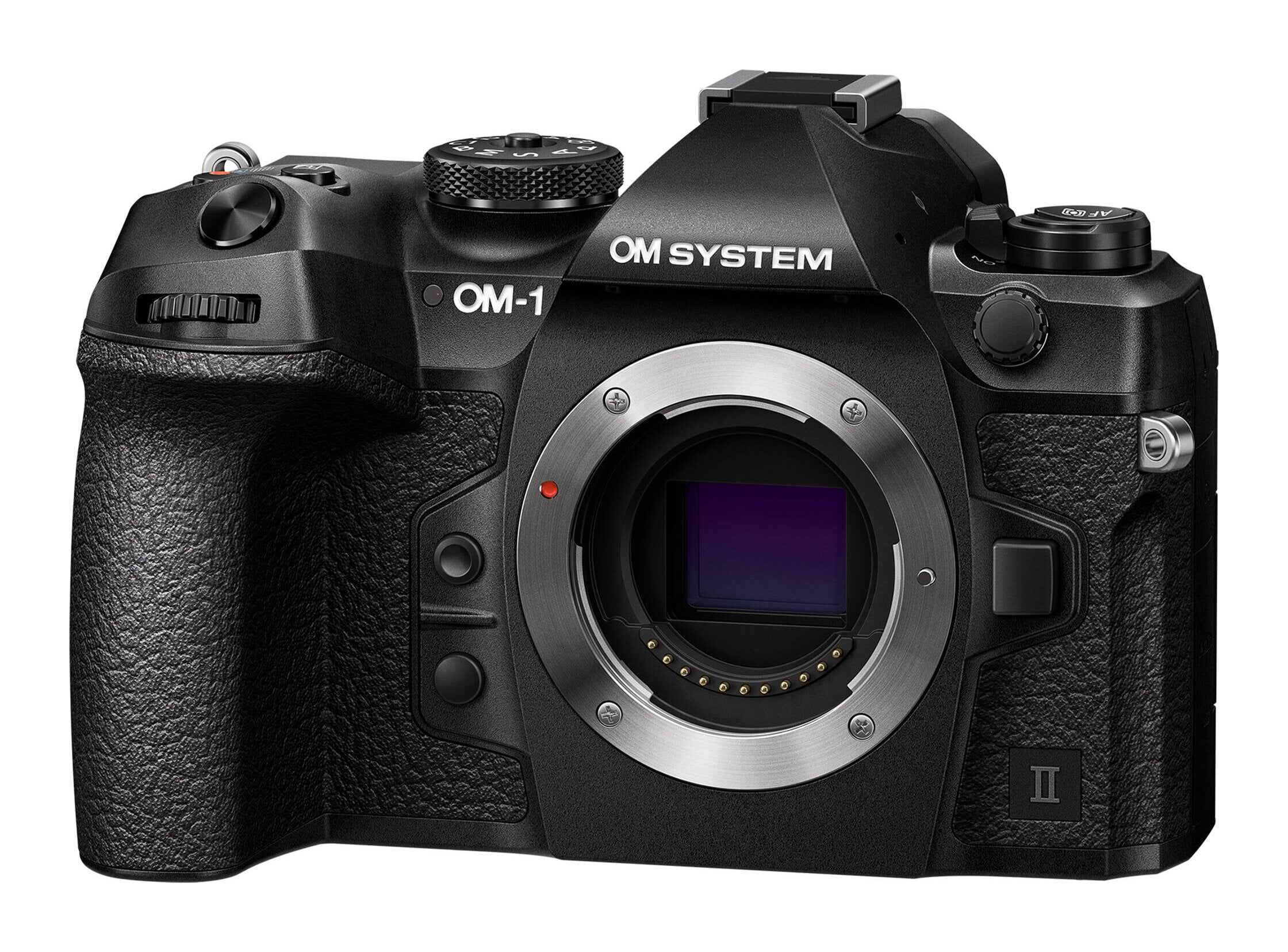
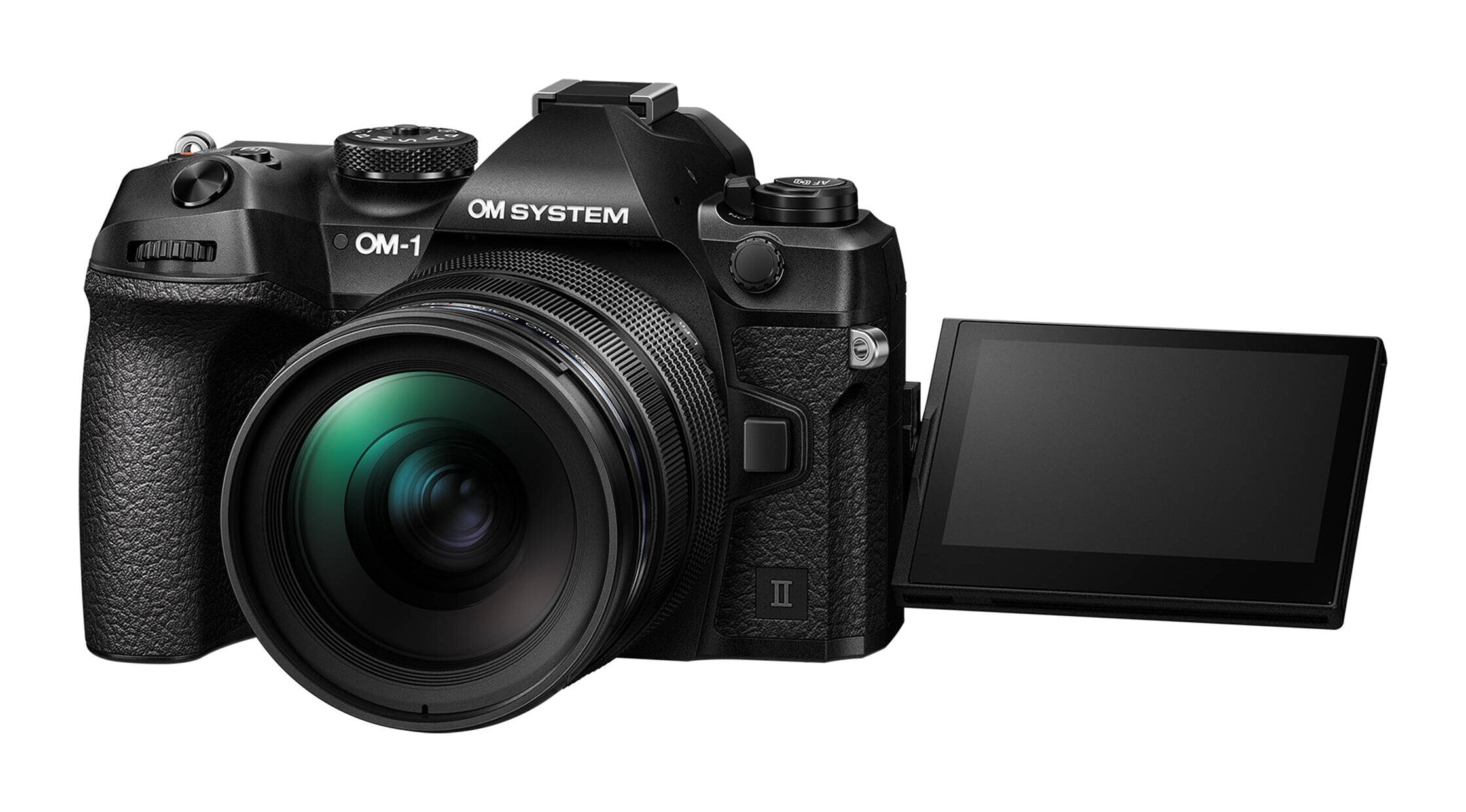
OM System OM-1 Mark II
Announced February 23, 2024
PixelMeter The PixelMeter is our 1–100 aggregate of reviewer scores from trusted publications and creators. Weighted by source tier — not a raw average, and not PetaPixel’s own review.
Reviewer Consensus
Strong
The OM System OM-1 Mark II is a refined, highly capable Micro Four Thirds camera that excels in durability, portability, and computational photography features. While it offers meaningful improvements in autofocus, buffer capacity, and stabilization, it remains an evolutionary update rather than a revolutionary one.
Weighted from 23 reviewer scores
Pros
- Rugged, weather-sealed, and compact build quality
- Fast burst shooting and expanded buffer capacity
- Industry-leading in-body image stabilization
- Advanced computational photography tools including Live ND and Graduated ND
- High-performance autofocus with AI subject detection
Cons
- Limited resolution and low-light performance compared to larger sensors
- Lacks advanced video features like ProRes or higher frame rates
- Hardware limitations including SD card slots and interface quirks
- Evolutionary update with few significant changes over the original model
- Increased price point
- Launch price $2,399.99 (USD)
- Sensor 20.4MP Micro Four Thirds Stacked BSI CMOS
- Video 4K 59.94p
- Stabilization In-body IS, 8.5 stops (CIPA)
- Burst 120 fps electronic 10 fps mechanical
What the Reviewers Say
All 23 expert reviews, weighted into the PixelMeter score.
Is this product missing a reputable review? Share a link to a review article or YouTube video for consideration.
- PetaPixel 7/10
The changes are good, but overall it feels more like quality-of-life improvements rather than serious upgrades even though the better AF performance is a welcome addition.
-
The OM System OM-1 Mark II is a subtle evolution of the OM-1, which is already an impressive high-speed camera. This Mark II is even better – and graduated Live ND is a unique feature!
-
[T]he OM Systems OM-1 Mark II is an impressive evolution of the Olympus camera system, with upgrades in autofocus, digital filters, and image stabilization that make it a standout choice for photographers and videographers.
-
Compact, light, but fast and tough, the OM-1 Mark II is an excellent all-rounder. Given its tough exterior, weather resistance and svelte form factor, it could be the ideal outdoors camera, from wildlife to landscape to hiking and beyond.
-
The OM-1 Mark II ups the ante in delivering plenty of bang for our buck in a body that, while chunky and weighty when compared with alternatives from the same manufacturer, really comes into its own for portability.
-
In my opinion, this is the ultimate outdoor camera: it's astonishingly weather-proofed, its compactness is unparalleled, it negates the need for both ND filters and grads, it matches full frame sensors for ISO noise and actually beats them for dynamic range, the improved [...]
-
The OM System OM-1 II is a fantastic camera with some incredible features and functionality, notably impressive image stabilization and the Live Graduated ND filter feature.
-
The OM System OM-1 Mark II is one of — if not the — the best wildlife cameras you can buy today.
- Photo Review 9.0/10
The OM-1 Mark II camera is a delight to use and its improved functionality will certainly be beneficial for many photographers.
-
The OM-1 Mark II is definitely an evolution rather than a revolution, and OM System has spent a lot of time improving the most important areas that made the original OM-1 such a big hit.
- Pocket-lint 8/10
The OM System OM-1 Mark II is one of the most capable cameras I've used, but I've seen other $2,400 cameras produce better photographs. The OM-1 Mark II's features make it one of the best Micro Four Thirds bodies available.
- SlashGear 9/10
The OM System OM-1 Mark II is a great camera that's easy to recommend.
-
If you’re looking for a bulletproof camera that’s compact, lightweight, easy to use, and offers good photo and video capabilities all wrapped into one, the OM System OM-1 Mark II is certainly worth a look!
-
No camera is perfect for every photographer in the world, but OM System has directly addressed some of the criticisms on the original OM-1 with the brand new Mark II. As a result, it becomes the most complete photo-centric Micro Four Thirds camera to date.
-
This is the most surprising camera I've used so far this year.
-
[T]his has been a really fun camera to use and ultimately I think that's all that matters.
-
There's nothing like the OM-1 Mark II for hand-held computational photography, other than the almost identical original OM-1.
-
It has impressive dedicated astro features to eliminate one of the biggest problems astrophotographers contend with, accurate and reliable autofocus with good subject detection modes and blisteringly fast burst rates.
-
The OM System OM-1 Mark II camera doesn't mark a revolutionary departure from its predecessor.
-
I think at the moment this is really the best micro four thirds camera that you can buy for wildlife photography.
-
It is one of these things: if you are in the niche for this camera, you are going to love it.
-
[T]he camera performed really well.
-
The OM System OM-1 Mark II, this is a camera for those who understand the benefits of that crop size sensor or already heavily invested in it.