The Best Mirrorless Cameras in 2026

Given all the choices when it comes to a new camera, it can be quite an ordeal to research and decide on just one. While it mostly depends on what you need as a photographer. If you’ve been leaning more towards picking up a mirrorless camera, then you’re in the right place and we’re here to help.
Mirrorless cameras have been popular in recent years for their compact size, superb performance, and growing lens selection. The style is quickly replacing DSLRs as the technology in mirrorless is rapidly outpacing that of DSLRs, which have all but stagnated. They’re often the best choice for most people, so we generally recommend looking at mirrorless cameras when you’re deciding on your next camera.When it comes to any digital camera, mirrorless included, there are entry-level and pro options, and you can go for a crop sensor (often called by its more official name of APS-C), Full-Frame (more akin to classic 35mm film size), or even medium format (much larger sensor). All these sensor types have pros and cons, so weigh your options carefully. Whether you’re opting for a mirrorless camera for the first time or looking to upgrade your existing one, below are our suggestions for the best ones you can get your hands on this year.
What We’re Looking For
The main draw of mirrorless cameras lies in having the latest technology and high-resolution sensors in a more compact and lightweight package compared to most DSLRs. Fast burst mode capabilities, reliable connectivity, excellent video recording, image stabilization, and decent low-light shooting capabilities are some of the most in-demand features for photographers of all levels. Of course, being interchangeable lens cameras, they should also have a good selection of native lenses available in popular focal lengths.
While smaller and more lightweight, the latest mirrorless cameras don’t always come cheap, so below are our picks you can reference to help you make the right decision the first time.
At a Glance
The Best Overall Mirrorless Camera: Sony a1 II
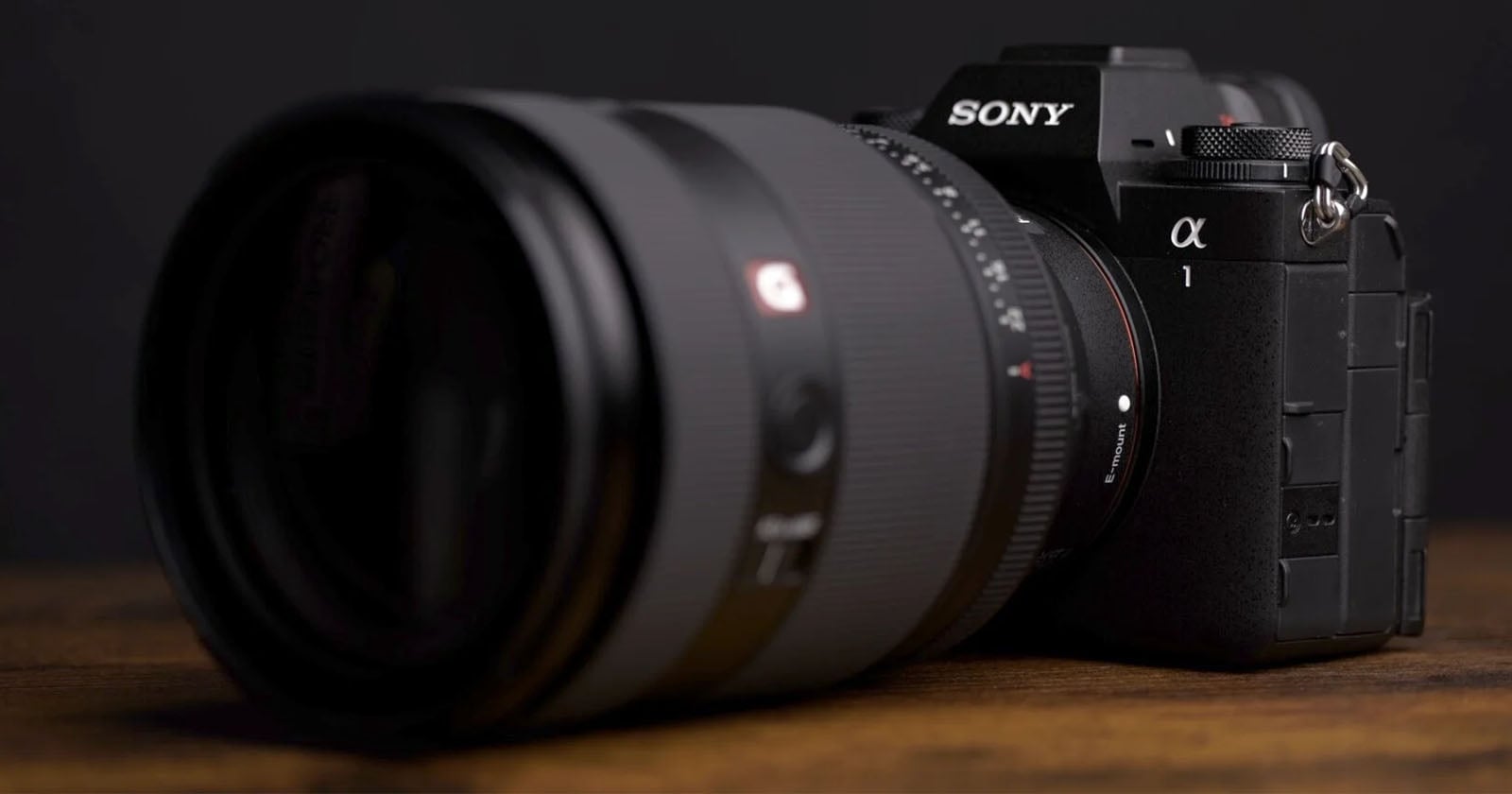
Taking the spot previously held by its predecessor, the Sony a1 II is an exceptionally powerful and capable full-frame camera. Granted, for $7,000, it should be. As soon as we first tried the Sony a1 II, it was immediately clear that it’s an incredible camera.
Its 50.1-megapixel sensor delivers plenty of resolution for nearly every photographer, and its refined body design makes it more pleasant to use in the field. While not a revolutionary upgrade over the original a1, the new a1 II is better in every way and incorporates many of the excellent usability and performance upgrades that Sony introduced in 2024’s a9 III. Image quality is still great, autofocus is somehow even better, there is now pre-capture shooting, and the a1 II feels better to use. It even has excellent video features, including 8Kp30 and 4Kp60 4:2:2 10-bit full-width recording.
The Sony a1 II is not only the most versatile camera in Sony’s lineup, but it’s the best overall mirrorless camera in 2025. The only real knock against it is its price, which at a tariff-induced $7,000 is very expensive. That isn’t stopping pros from flocking to the a1 II, though, and it certainly doesn’t keep it from being the best full-frame mirrorless camera on the market.
Read more: Sony a1 II Review: Expensive Excellence
The Best Mirrorless Camera For Wildlife and Action: Canon EOS R5 II

Although the Sony a1 II is certainly an exceptional camera for wildlife and action, its price puts it out of range for many. In contrast, the Canon EOS R5 II offers many of the same great qualities of the a1 II, including high resolution, excellent AI-powered autofocus, and speed.
The Canon EOS R5 II is Canon’s most capable do-it-all camera thanks to its excellent 45-megapixel stacked full-frame sensor, highly capable Dual Pixel Intelligence AF system, new processor, and full-resolution continuous shooting at up to 30 frames per second.
As we wrote when the R5 II was announced, the R5 II is Canon’s best choice for wildlife photography, and all the reasons it excels there also make it a great camera for all action.
The R5 II’s autofocus and speed are particularly strong points, and the camera’s pre-burst mode helps photographers nail the shot, even when the action arrives at an unexpected time. Further, the R5 II’s eye-control AF, provided it works for your particular eye, helps photographers track action with more precision.
Read more: Canon EOS R5 II Review: Canon’s Most Capable Do-It-All Camera
The Best Mirrorless Camera For Professionals: Canon EOS R5 II
Supplanting the Sony a7R V on this list, which is still a great camera, by the way, the same qualities that make the Canon R5 II so great for wildlife and action also make it well-suited to broader professional applications.
The camera has the resolution and image quality to work well for portraits, weddings, and studio work, while also offering plenty of video performance for hybrid creators. As we wrote in our Canon R5 II Review, this is Canon’s best hybrid camera, which is an important trait for modern professionals.
The original R5 was already a very good video camera, albeit one with a bit of an overheating problem. The R5 II builds upon its predecessor’s strengths while addressing its weaknesses. The R5 II’s 8Kp60 RAW video is impressive, the camera has an improved thermal design, and the new stacked sensor reduces the original R5’s rolling shutter problems.
“The R5 Mark II is easy to love and will be a versatile camera for many different and demanding kinds of photography,” PetaPixel concludes of the R5 II. “There is more to photography than the specs on paper and the R5 Mark II is a joy to use in the field.”
Read more: Canon EOS R5 II Review: Canon’s Most Capable Do-It-All Camera
The Best Mid-Range Mirrorless Camera: Nikon Z6 III
A highly anticipated and much-appreciated newcomer to Nikon’s full-frame mirrorless series is the $2,500 Nikon Z6 III. Featuring a partially stacked sensor, this camera inherits a suite of advanced capabilities typically found in higher-end models, yet it is offered at a more accessible mid-range price point. Brimming with Nikon’s state-of-the-art technology, the Z6 III is an excellent choice for those who seek premium full-frame resolution combined with speed and precision in eye-detection autofocus for people, animals, and vehicles.
To enhance the performance of the Z6 III, Nikon opted not to use the older 24-megapixel sensor. Instead, they introduced a new, partially stacked chip that offers up to 20 frames per second (FPS) in RAW with autofocus enabled and can deliver up to 120 JPEGs per second. It achieves all this with minimal rolling shutter effect. While it may not quite reach the performance levels of the Nikon Z8 or Z9, it provides significant improvements without the accompanying high cost.
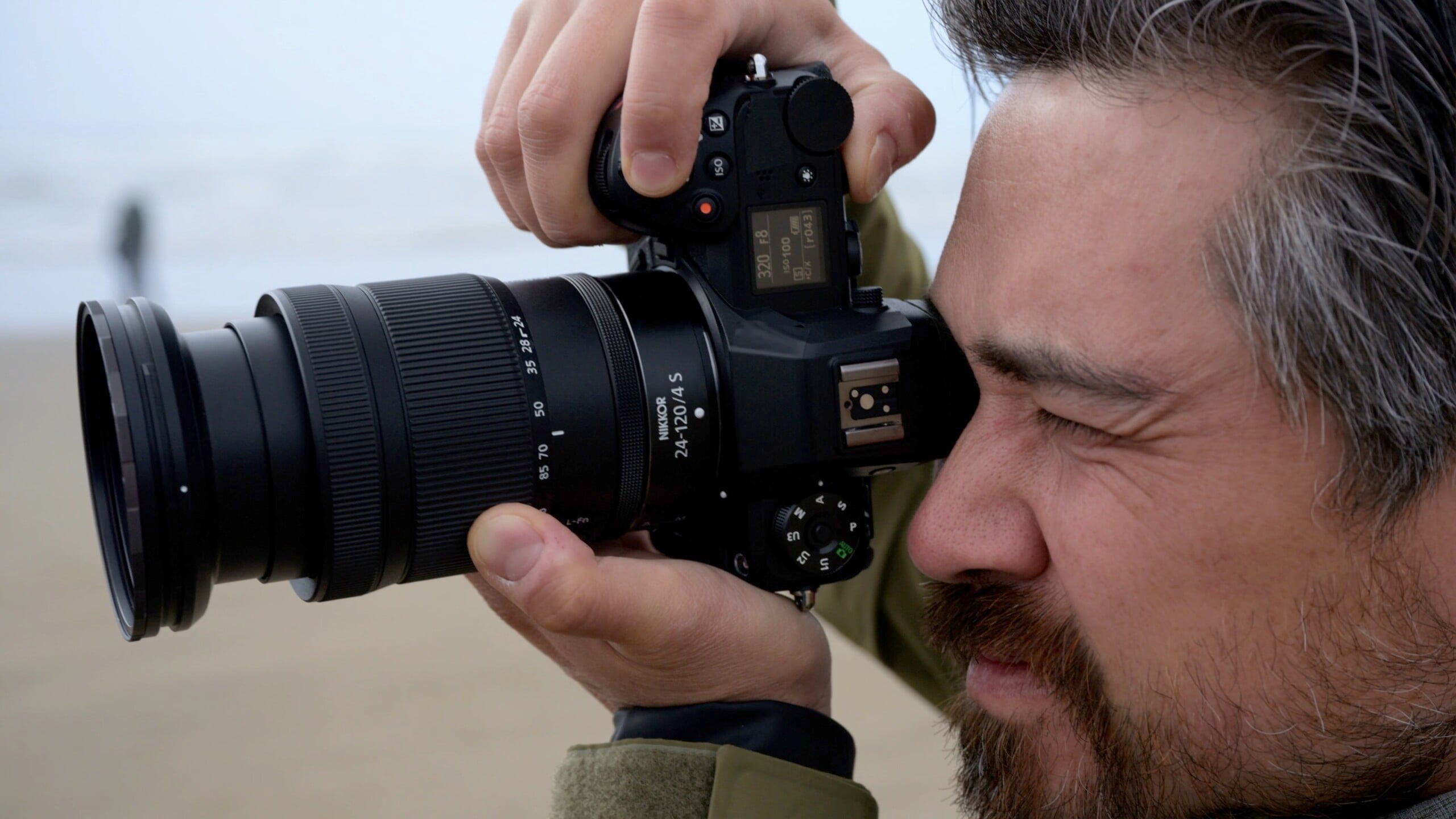
The camera body is robust and weather-sealed to the same extent as the Nikon Z8, yet it is slightly lighter, weighing in at 25.5 ounces (725 grams). It features numerous customizable buttons and a deep, comfortable grip. The camera body design is thoughtfully arranged, and crucially, no essential features have been omitted or compromised despite its lower price compared to the Z8 or Z9.
The Z6 III is equipped with an IBIS unit that delivers up to eight stops of stabilization. This system adjusts the sensor for off-center subjects in your images, ensuring sharp shots regardless of where your subject is located within the frame. Wherever the autofocus point is locked, the camera adjusts accordingly, proving to be an effective solution for capturing crisp, clear images.
Priced at $2,700 — $2,200 right now thanks to promotional pricing — the Nikon Z6 III represents a substantial upgrade at a reasonable cost, earning respect for its comprehensive capabilities. It stands as the spiritual successor to the D750 — a camera that was versatile enough for most situations and garnered respect from photographers regardless of their brand allegiance. The Z6 III is poised to fulfill this role for Nikon once more, marking a victory for both the company and its users. In every respect, it is clear that the Nikon Z6 III will continue to earn its place in the hearts of photographers, reaffirming Nikon’s commitment to innovation and quality.
Read more: Nikon Z6 III Review: Nikon’s Best Camera This Side of the Z8
The Best Beginner Mirrorless Camera: Nikon Z50 II
The Nikon Z50 II shows that entry-level cameras don’t have to be underpowered. The $1,000 camera has a tried-and-true 20.9-megapixel APS-C (DX-format) image sensor, an EXPEED 7 processor, and seriously impressive AI-powered autofocus.
Although the Z50 II is held back, at least in part, by Nikon’s relative lack of great APS-C Nikkor Z glass, the camera’s compact, well-designed body and excellent imaging performance mean that newer photographers or those on a relatively tight budget don’t have to compromise where it matters most.
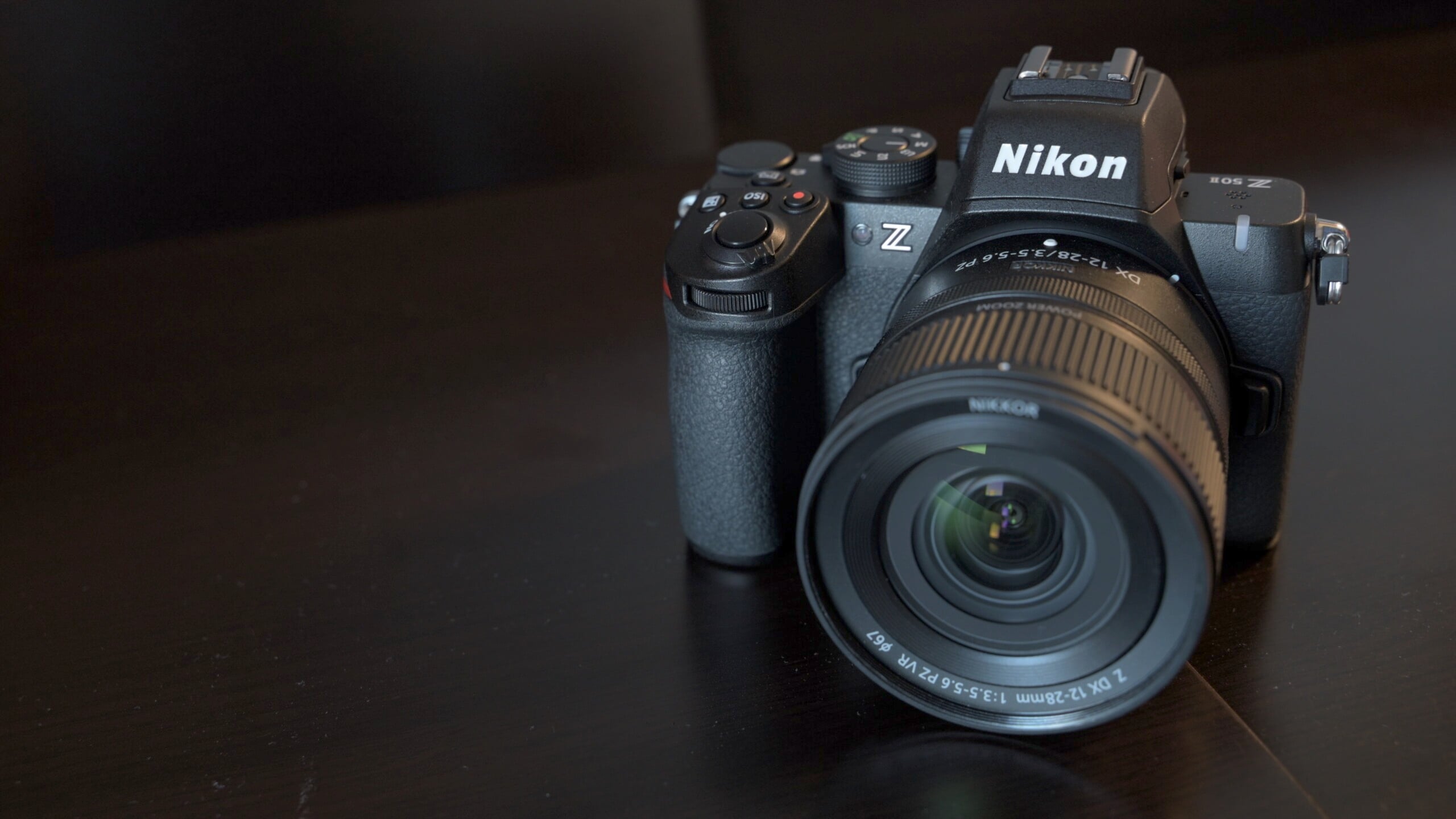
There is plenty to love about the Nikon Z50 II, not the least of which is that it’s Nikon’s best-ever APS-C camera for hybrid shooters.
Read more: Nikon Z50 II Hands-On: A Robust and Capable Entry-Level Camera
For those who want a beginner-friendly full-frame mirrorless camera under $2,000, there’s another candidate from Nikon worth considering: the new Nikon Z5 II. It’s a fantastic camera that goes way beyond entry-level, offering a compelling blend of performance and features at $1,695.95.
The Best Hybrid Mirrorless Camera: Canon EOS R5 II
There’s a good reason why the Canon EOS R5 II is on this list three times: it’s just really darn good at basically everything.
The $4,300 Canon EOS R5 Mark II emerges as the ultimate choice for professional photographers or anyone seeking exceptional equipment for a diverse array of photography endeavors. Boasting impressive specifications such as a stacked 45-megapixel Dual Pixel CMOS sensor, the ability to capture 8K video along with various filming modes, and a continuous shooting speed of up to 12 frames per second with a mechanical shutter and 40 frames per second with an electronic shutter, this camera stands out as one of the most capable options available. Additionally, it offers weather sealing on par with the EOS 5D Mark IV, a high-resolution viewfinder, a fully articulating rear screen, and up to 8 stops of image stabilization when paired with compatible lenses.
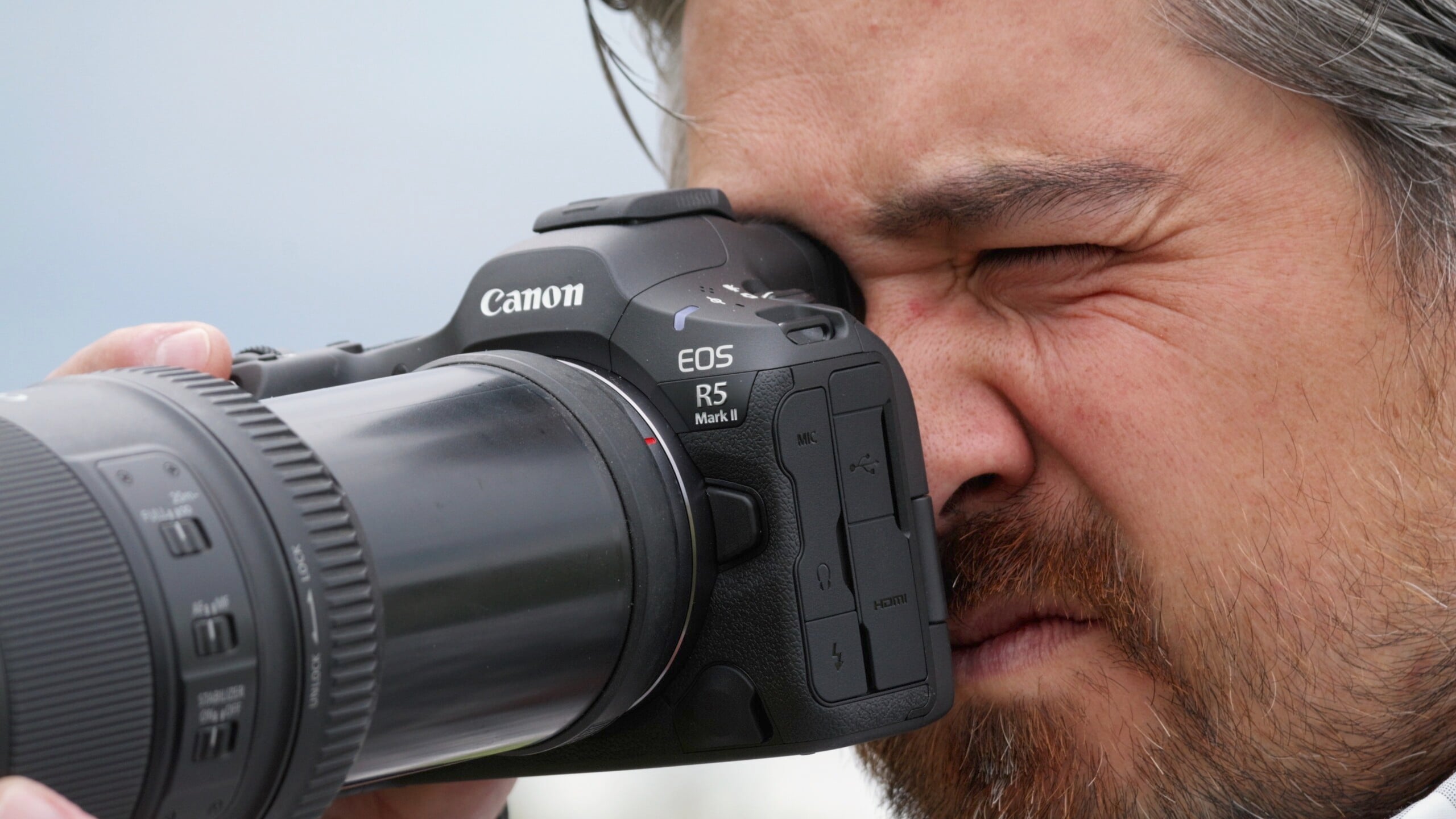
One of the standout features of this model is its 100% coverage Dual Pixel II AF system. While some photographers might argue that Sony’s autofocus is superior, Canon’s system is certainly no underdog. The highly acclaimed autofocus system covers the entire frame and incorporates reliable eye detection, eye-control, and subject tracking, making it easy to capture perfectly focused images of both humans and animals.
As a camera designed to handle a true hybrid workflow, the EOS R5 Mark II is exceptionally hard to surpass; it is an all-encompassing package that caters to a wide range of photographers. Canon has made significant advancements in dynamic range, and as a result, the image quality of the R5 Mark II is top-tier. When compared to other cameras that offer high resolution and video capabilities within this price bracket, the Canon EOS R5 Mark II manages to maintain a slight edge over its competition.
Read more: Canon EOS R5 II Review: Canon’s Most Capable Do-It-All Camera
The Best Video-Focused Mirrorless Camera: Panasonic S1 II
As Panasonic shifts its primary focus from Micro Four Thirds to its full-frame Lumix S L-Mount camera system, so too does our recommendation for the best video-focused mirrorless camera move from the Panasonic GH7 to the new Panasonic Lumix S1 II.
Many of the cameras on this list have outstanding video capabilities, like many models released in the last couple of years. However, if you plan to get a mirrorless camera primarily for video use, the S1 II is a fantastic option.
The S1 II sports a rugged, comfortable SLR-inspired body with an excellent EVF and great rear display. It has all the ports and features a professional videographer could want, too.
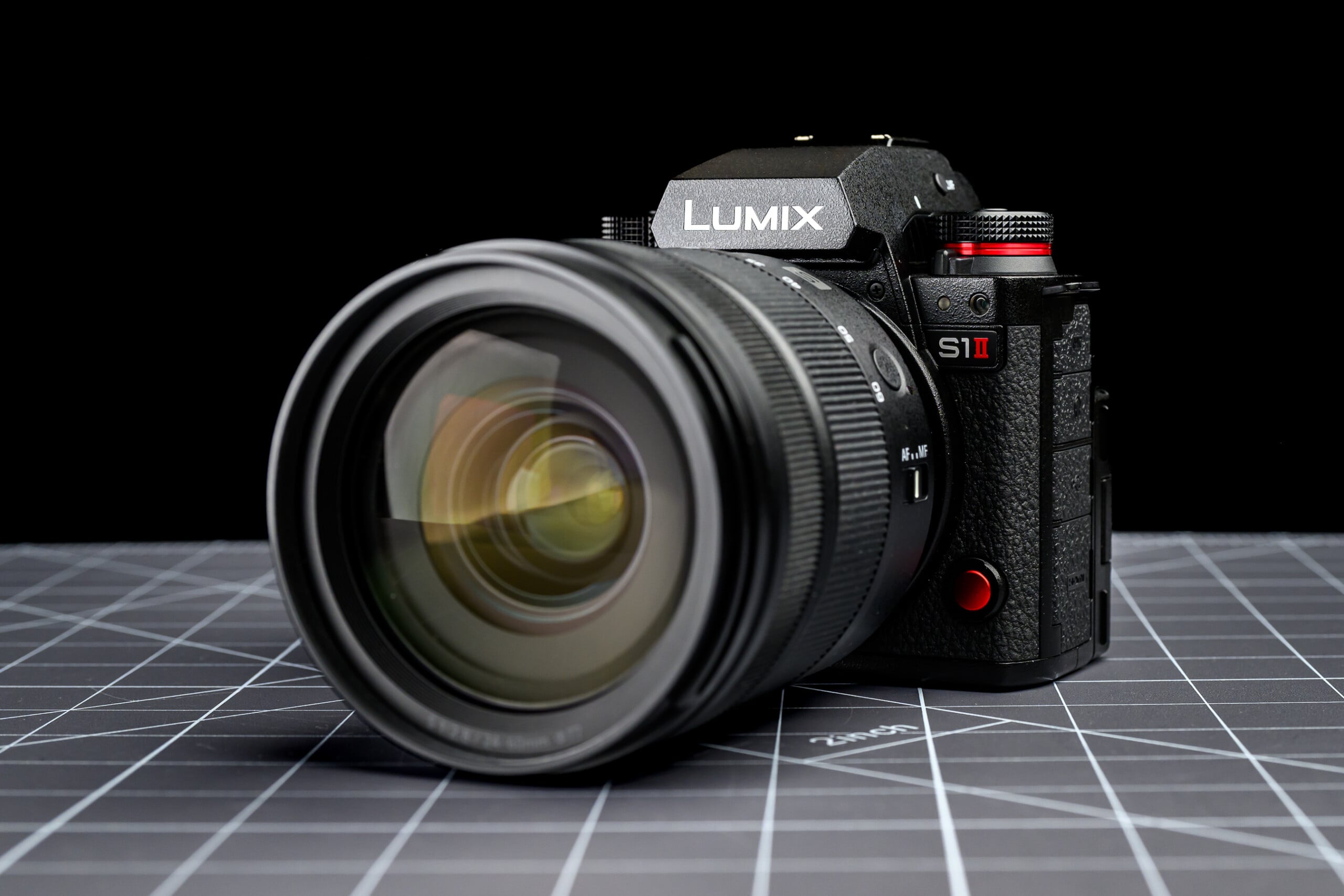
As for its actual performance, the good news continues. The 24-megapixel partially stacked sensor delivers exceptional image quality, especially when using the mechanical shutter, and the video performance is among the very best in the industry. While the 4Kp120 and 6K oversampled recording modes are great, Open Gate is where the S1 II shines.
Since its launch, the Panasonic Lumix S1 II has become PetaPixel‘s go-to camera for recording much of our YouTube videos, and that’s high praise considering all the cameras that we test.
Read more: Panasonic Lumix S1 II Review: Pricey, Powerful, and Video-Centric
Those who don’t necessarily care about the absolute best video features or having an EVF have another option to consider that we very nearly picked for this category, the Nikon ZR.
It’s about $1,000 less than the Lumix S1 II and has taken the industry by storm since its arrival.
The Best Medium Format Mirrorless Camera: Fujifilm GFX 100S II
Medium format mirrorless cameras have been steadily gaining the preference of professional photographers who require the ultimate image quality with the most accurate color reproduction. While medium format sensors sacrifice autofocus and shooting performance speeds, they are well known for having the best possible image quality in a modern digital camera. If your goal is to make incredible studio portraits or beautiful high-resolution landscape images, medium format might be for you.
Freshly introduced, the $5,000 Fujifilm GFX 100S II is already making rounds as the medium format camera to beat.
The GFX 100S II boasts impressive features like a 102-megapixel BSI-CMOS sensor, improved image stabilization at up to 6EV, 4K 30p video capabilities, up to 7.0 fps continuous shooting, and improved autofocus performance— all in a relatively small and compact body. If you’re a fan of Fujifilm’s Film Simulation, you might also enjoy the additional “Nostalgic Neg” mode, which is inspired by the look of Stephen Shore’s iconic color photography.
Lately, it feels like Fujifilm’s biggest competition in the medium format space is itself, and that’s certainly the case here with the 50S II, and 100 II all coming in as solid options (although the 100S II is our pick as the best of the bunch). While there are options from Hasselblad, including the excellent X2D II 100C, feature-for-feature, the Fujifilm is superior right now, even if sync speeds favor Hasselblad. For now, most photographers are going to find the Fujifilm GFX 100S II to check the most boxes.
Read more: Hands-On with the Fujifilm GFX 100S II: Medium Format for the Masses
The Best Crop-Sensor Mirrorless Camera: Fujifilm X-H2
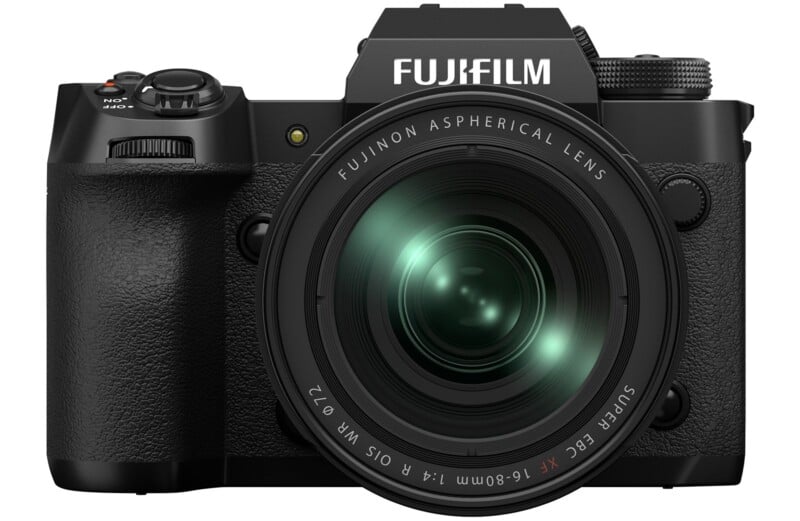
When updating this article in October 2025, we thought there must be a better crop-sensor mirrorless camera by now, given that the X-H2 arrived back in 2022. But alas, no, this is still the best option. Fujifilm has released some good cameras since, but the X-H2 remains uniquely capable in the APS-C landscape.
Crop sensor cameras are powerful tools for many photographers, including professionals. A bigger sensor doesn’t always mean that a camera is better. It’s long been the case that using an APS-C sensor meant giving up a bit of megapixels and resolution, all else equal, but the Fujifilm X-H2 — and X-T5, which uses the same sensor — change that.
The X-H2 uses a 40.2-megapixel APS-C sensor, the highest-megapixel APS-C sensor on the market, to provide more resolution than many full-frame cameras. The new sensor also enables 8K 30p Apple ProRes internal recording, which no other APS-C camera offers.
The X-H2 doesn’t compromise in terms of speed, either. It can shoot at up to 15 frames per second, which is quite speedy but not as swift as its lower-res sibling, the X-H2S, which has a stacked sensor that can shoot up to 40 fps.
In many ways, Fujifilm’s pair of flagship cameras are very similar. The X-H2 and X-H2S share the same body design, which is robust and SLR-style, and each uses the same 5.76M-dot EVF, multi-angle LCD screen, AI-powered hybrid autofocus system, and newly designed in-body image stabilization system that promises up to seven stops of compensation. Each camera also works with Frame.io Camera to Cloud (C2C) integration, a groundbreaking workflow improvement that enables photographers and videographers to work more efficiently.
Overall, the Fujifilm X-H2 is the “Best Crop-Sensor Mirrorless Camera” because of its class-leading resolution, robust video features, and professional-quality design and features.
The Best Fixed Lens Mirrorless Camera: Fujifilm X100VI
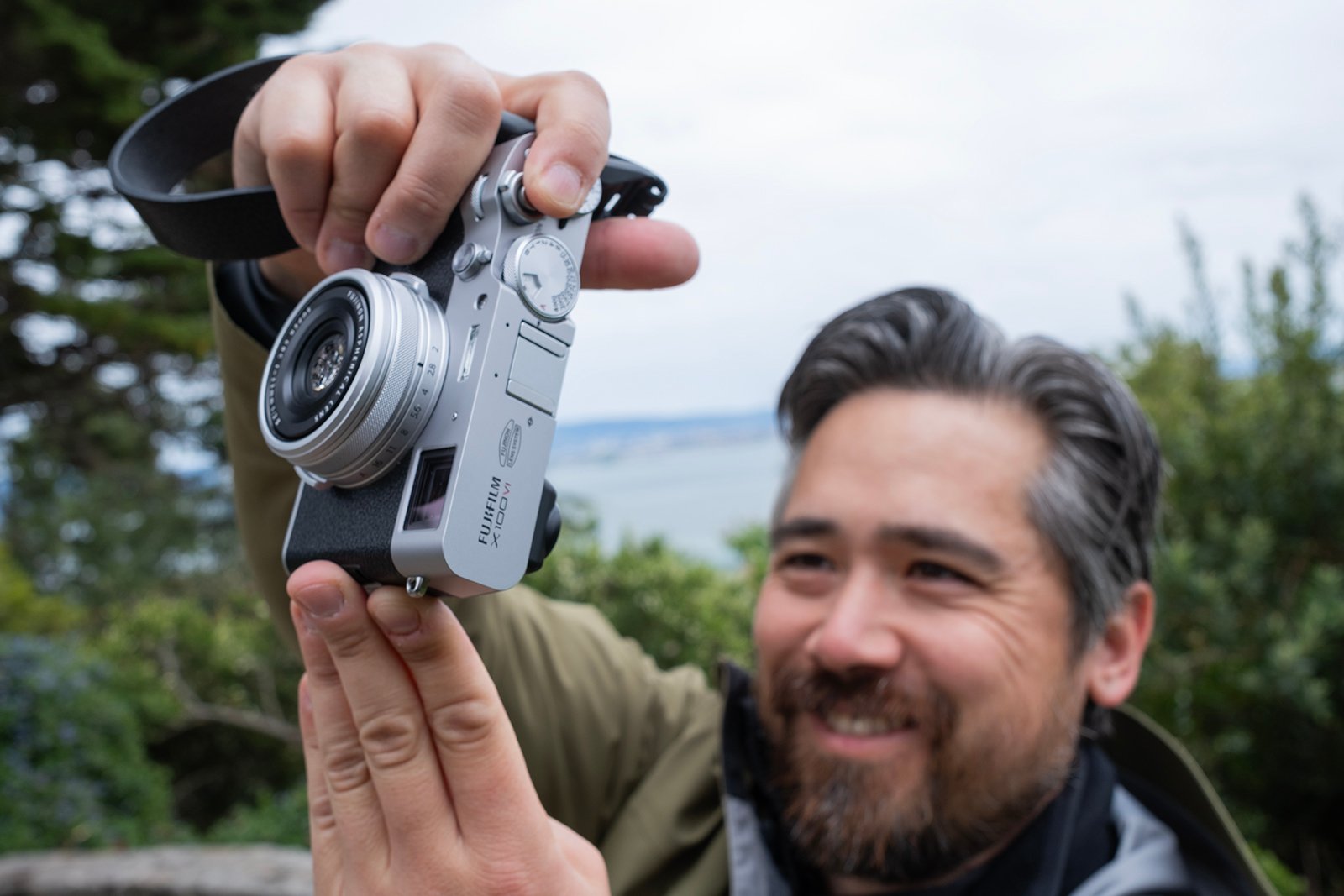
The Fujifilm X100VI had a very tough act to follow, and somehow, even against unprecedented levels of hype, Fujifilm’s latest premium fixed-lens compact managed to not only meet expectations but exceed them.
Nearly two years after its launch, the X100VI remains difficult to find in stock. It combines Fujifilm’s best 40-megapixel image sensor, a reliable 35mm equivalent f/2.8 prime, and Fujifilm’s beloved Film Simulations to great effect.
The camera is as capable as it is stylish, and it’s really stylish. Ultimately, perhaps as important as anything else, the X100VI is just a lot of fun to use.
“The Fujifilm X100VI is an absolute joy of a camera that you’ll find yourself coming back to time and time again,” we concluded in our review.
Read more: Fujifilm X100VI Review: Joy Masquerading as a Camera
The new Ricoh GR IV, which arrived with nearly as much hype as the X100VI, is a really solid alternative, by the way. Photographers who love compact fixed-lens cameras are utterly and completely spoiled in 2025.