
Inside the Only Polaroid Factory in the World That Serves as an Antidote to the Digital Age
Polaroid is an icon. But the instant photography brand so nearly disappeared entirely in the late 2000s when the original company announced it would stop making film.
The last remaining instant-film factory in Enschede, Netherlands, was scheduled to be shut down until a group of enthusiasts stepped in, calling themselves The Impossible Project.
Fast-forward 15 years, and the Impossible Project went from underdogs with the mammoth task of trying to recreate instant film to being fully in charge of Polaroid after it was purchased by the group in 2017.
Today, the emblematic factory in Enschede is still operated by the people from the Impossible Project, as well as a few old hands from the original Polaroid era.
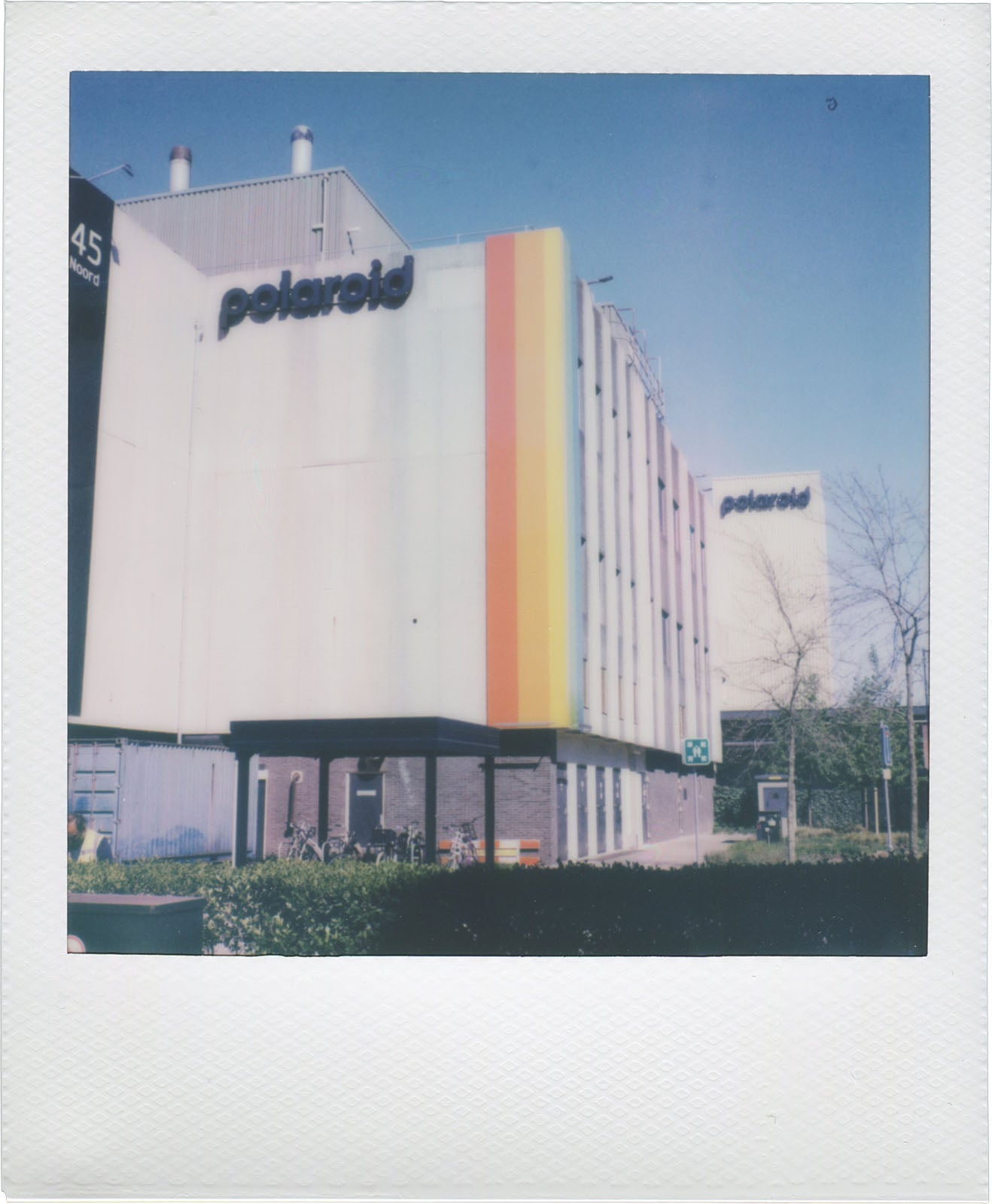
Ben Fraternale from the photography YouTube channel In an Instant recently toured the factory that’s located close to the German border. He was shown around by the head of film manufacturing Andrew Billen, a Welshman with a wry sense of humor.
“I think this will always be an artisan [operation],” says Billen. “I can’t imagine it [AI] ever being powerful enough to replace it; make 8×10. But you never know.”
Billen says that he’s not anti-digital but suggests that analog technology, such as Polaroid, is an antidote to today’s connected world.
“Somewhere in all of this is an analog lifestyle and to slow down and enjoy the moment,” he says. “How are you going to find that blend? How is Polaroid going to be involved in this? Because ultimately we make a product that’s not remotely from these times. But I think they can coexist.”
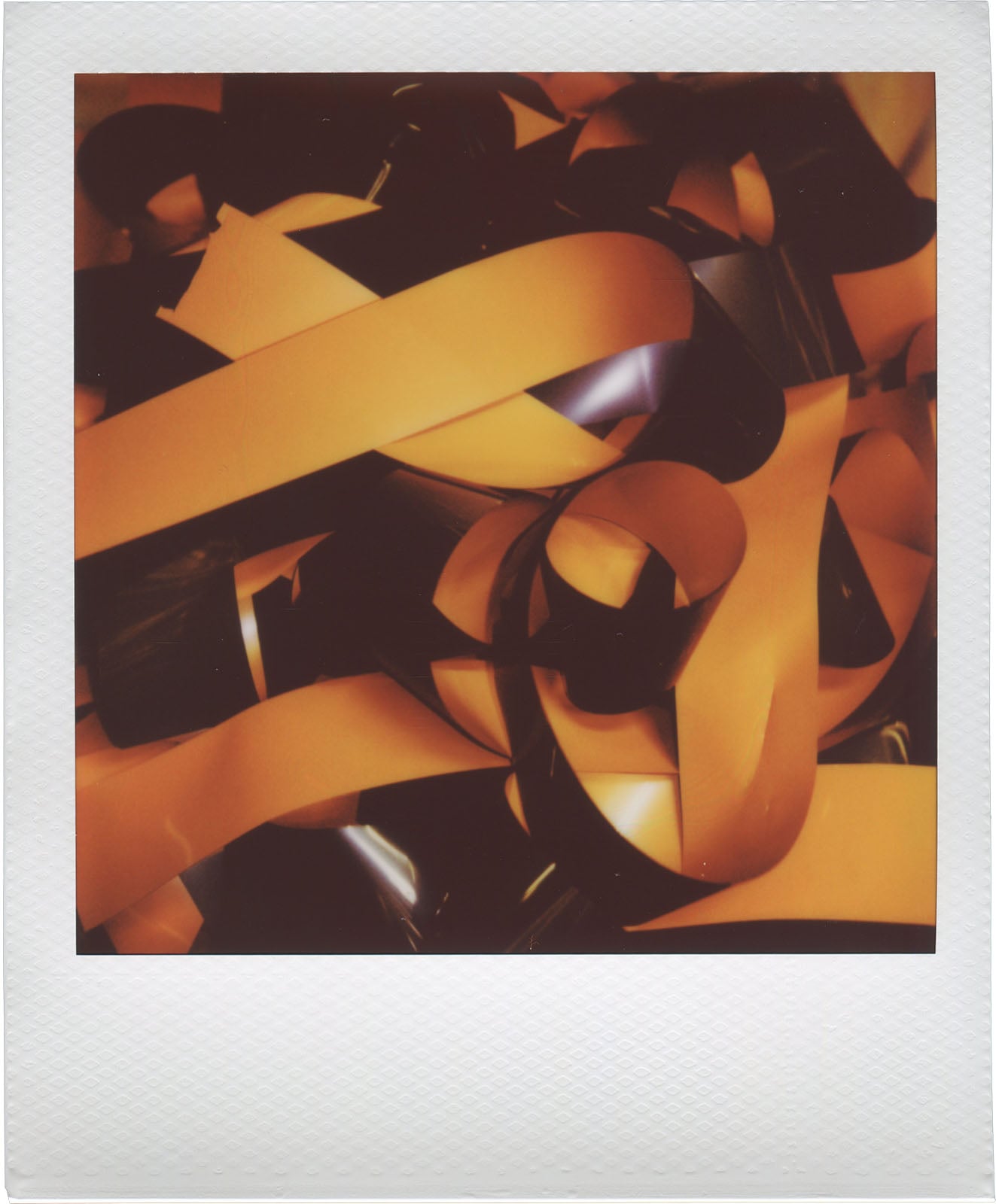
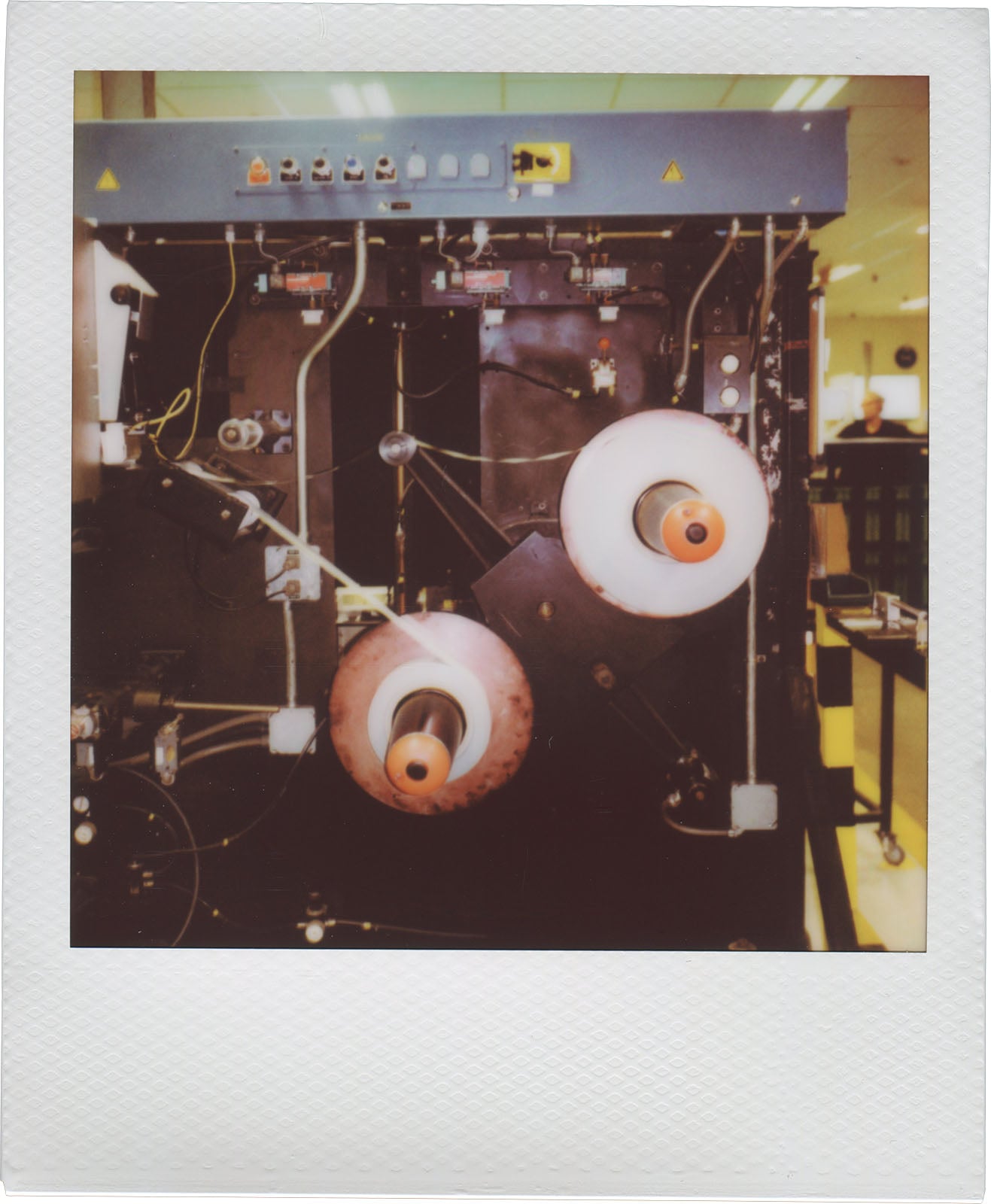
Billen takes Fraternale into the area where the Polaroid paste is made, which instantly develops the image between the positive and negative layers. Billen calls it the “blue goop.”
“We have batch-to-batch variation,” explains Billen. “The reason being is we coat the material in our factory in Mondheim, [Germany], you coat the positive and the negative. But every one of these batches is always different, and it always was this way, even in the old days.”
Billen explains that what makes it difficult is trying to predict how the chemicals will age. The blue paste is used to “match” the individual positive and the negative layers so that the blue paste is never exactly the same.
“As well as we try and do this, there is always a variability,” Billen says. “There’s a variability even within a pack of film. The consumer might not be able to see it, but we can. But we’re working hard to keep it consistent because some batches are better than others.”
Billen says the variability in the film is down to how sensitive the raw materials are. Temperature and humidity all play a part, and the coating that goes on the film is microns thick, so it’s almost impossible to reproduce it exactly on every batch. “The key is to try to minimize it,” adds Billen.
Image creditsPhotographs by Ben Fraternale / In an Instant
Affiliate Disclosure PetaPixel articles may include affiliate links; we may earn a commission if you buy through one.