Giving Your Photography a New Perspective

Although photography is the art of capturing light and shadow, it also portrays depth in a 2D image. Understanding how depth works is key to making photos feel more engaging.
Perspective
The word “perspective” comes from the Latin “perspicere,” meaning “to see through” or “to perceive clearly.” In everyday use, it can refer to a particular point of view or seeing something in proper proportion, as in “Let’s put this in perspective.”
Some might insist that perspective encompasses only the camera’s physical viewpoint. Indeed, that is the foremost meaning of the word. In that sense, perspective is our primary tool for conveying depth in a photo.
However, we can also refer to an illusory perspective. That’s where the impression of the scene’s depth is affected by factors within the image, such as focal length, lighting, and color.
Both kinds of perspective, true and illusory, affect a photograph’s feel. So, perspective is not just about the mechanics of making an image. It also affects the response a photograph elicits through the relationships among its different elements.
In a photograph, we can either increase or reduce the sense of both true and illusory perspective to achieve our desired result. In other words, we can adjust the illusion of three-dimensional depth in a two-dimensional image.

Depth and The Three-Dimensional Illusion
Photography faces a basic challenge. It attempts to show a three-dimensional reality on a two-dimensional surface. Perspective is one of the photographer’s main tools for creating the illusion of depth.
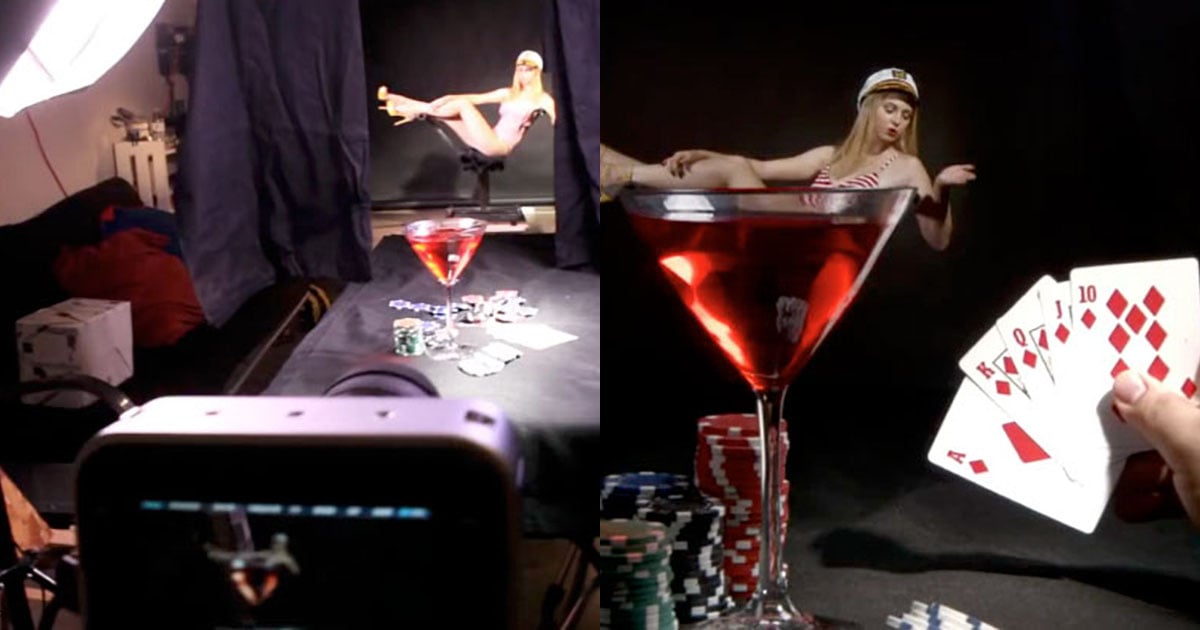
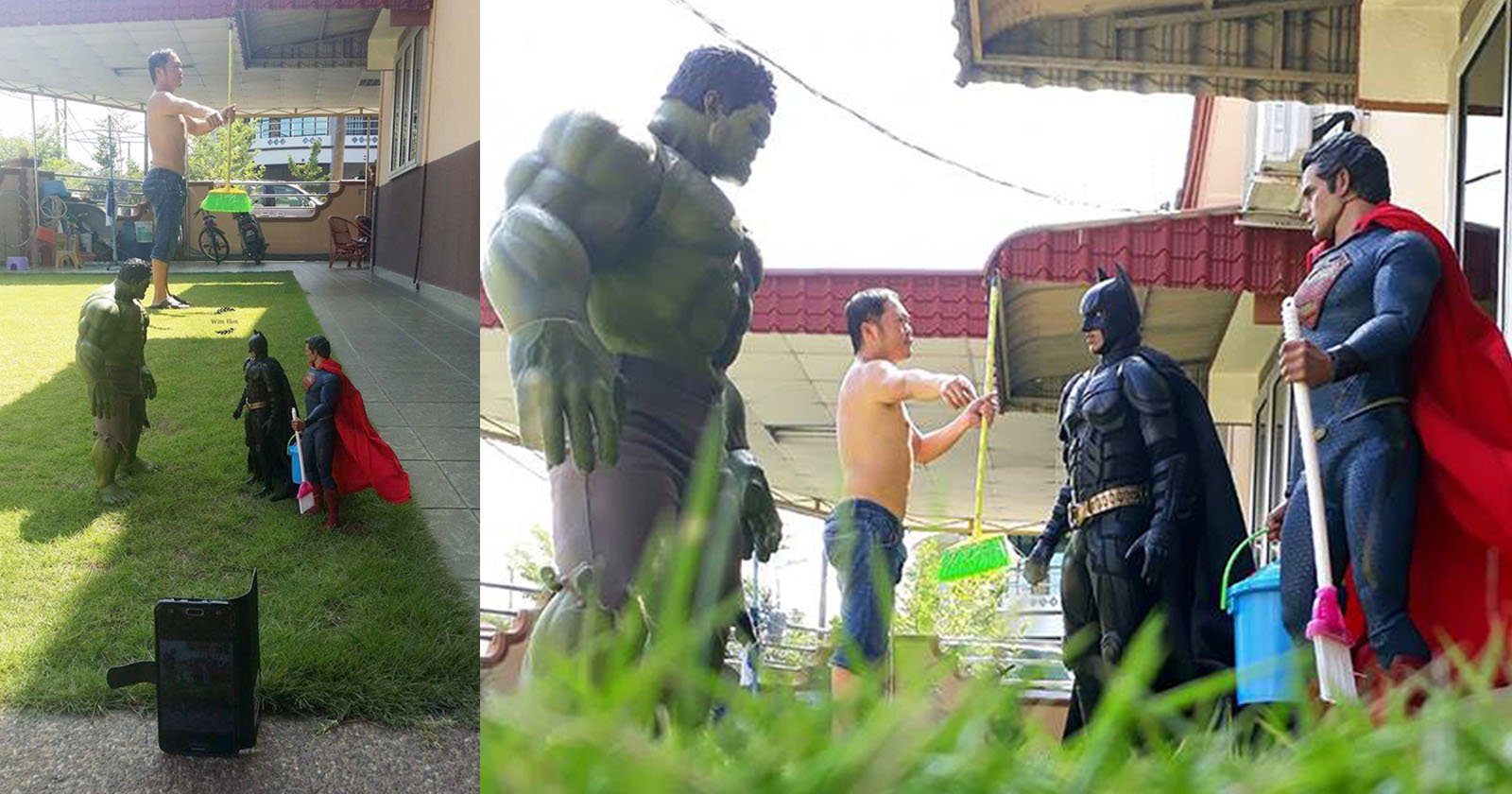
Leading lines create a sense of journey by guiding the viewer’s eye through the composition. They help us establish spatial relationships. Overlapping elements provide another depth cue. Objects that partially obscure others clearly establish their relative positions in space. Of course, one must also consider how the occlusion of two objects affects the image, sometimes with humorous results. Recognizable, similar objects at different distances can also increase the sense of depth.
A photographer has to consider how these relationships and the placement of each element in the frame elicit a sense of three-dimensional space.
Consequently, the concept of foreground, middle ground, and background can become essential in creating compositions. By consciously placing interesting elements at different distances from the camera, photographers create layered images. As long as the frame does not become too cluttered, a layered image can provide multiple points of visual interest and, therefore, the illusion of depth.

The Physical Dimensions of True Perspective
True perspective is how objects appear relative to the camera’s position. In other words, it is the spatial relationship between objects. The principles of geometry govern this relationship.
The geometric changes come from the camera’s positioning. Its proximity to objects, its height, and the angle at which it is pointing all influence perspective.
For example, shooting at a low, upward angle can give subjects a sense of power and grandeur. The resulting converging verticals can make even the most modest structures appear monumental. Politicians are often photographed from below to emphasize their power.
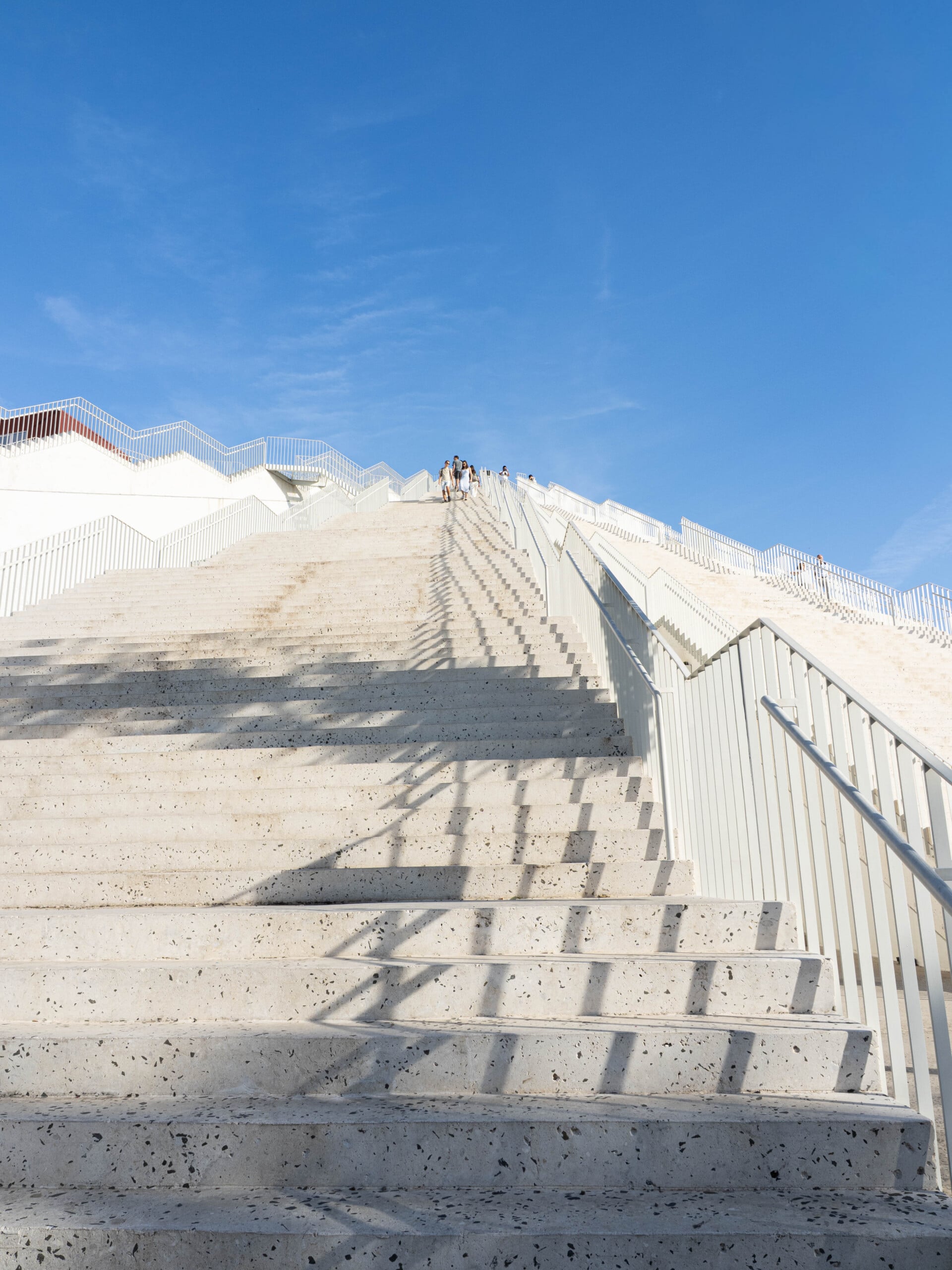
From low down, the angle at which parallel lines seem to converge is obtuse, and the horizon seems much closer than it would if I raised the camera.
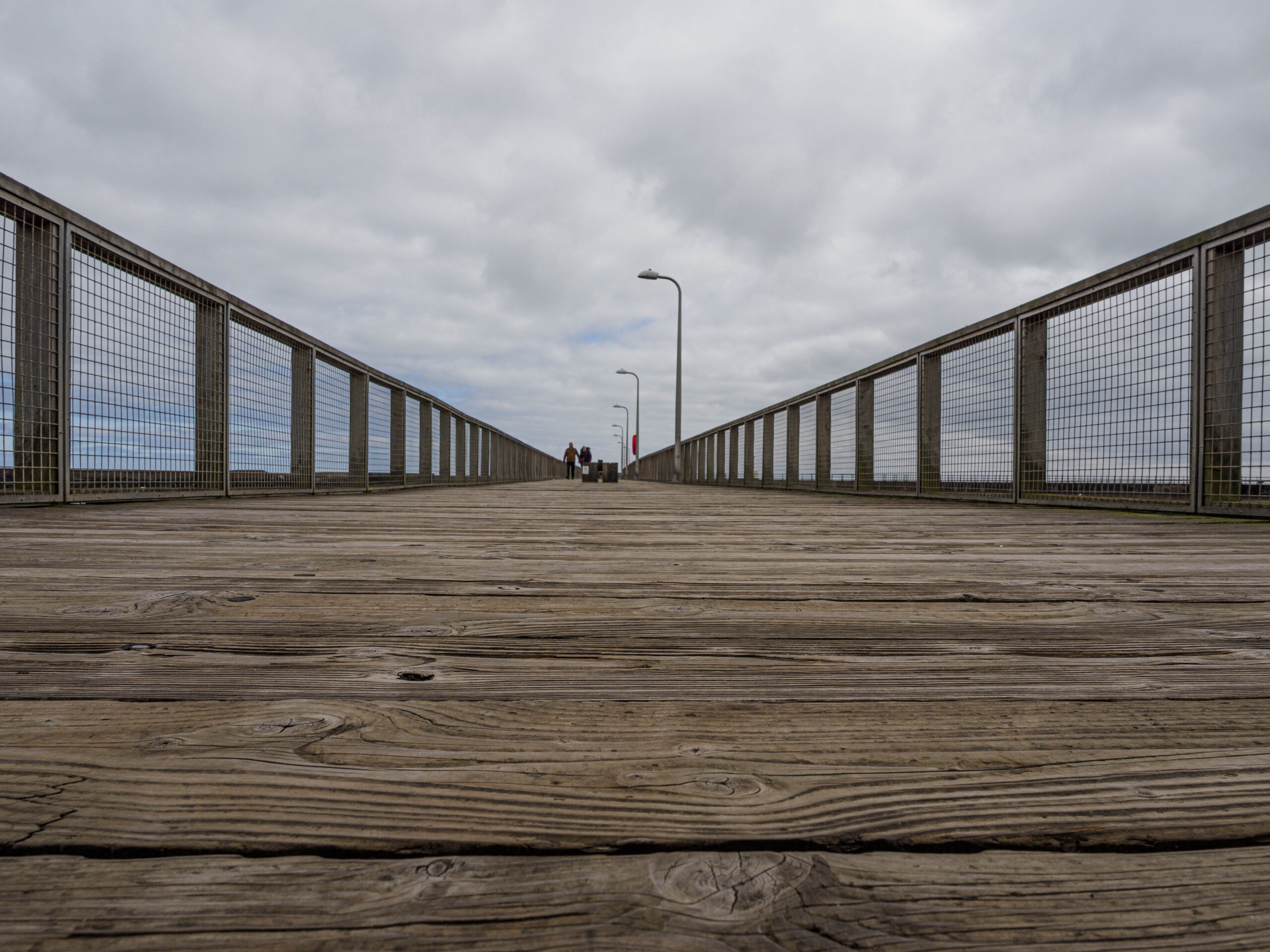
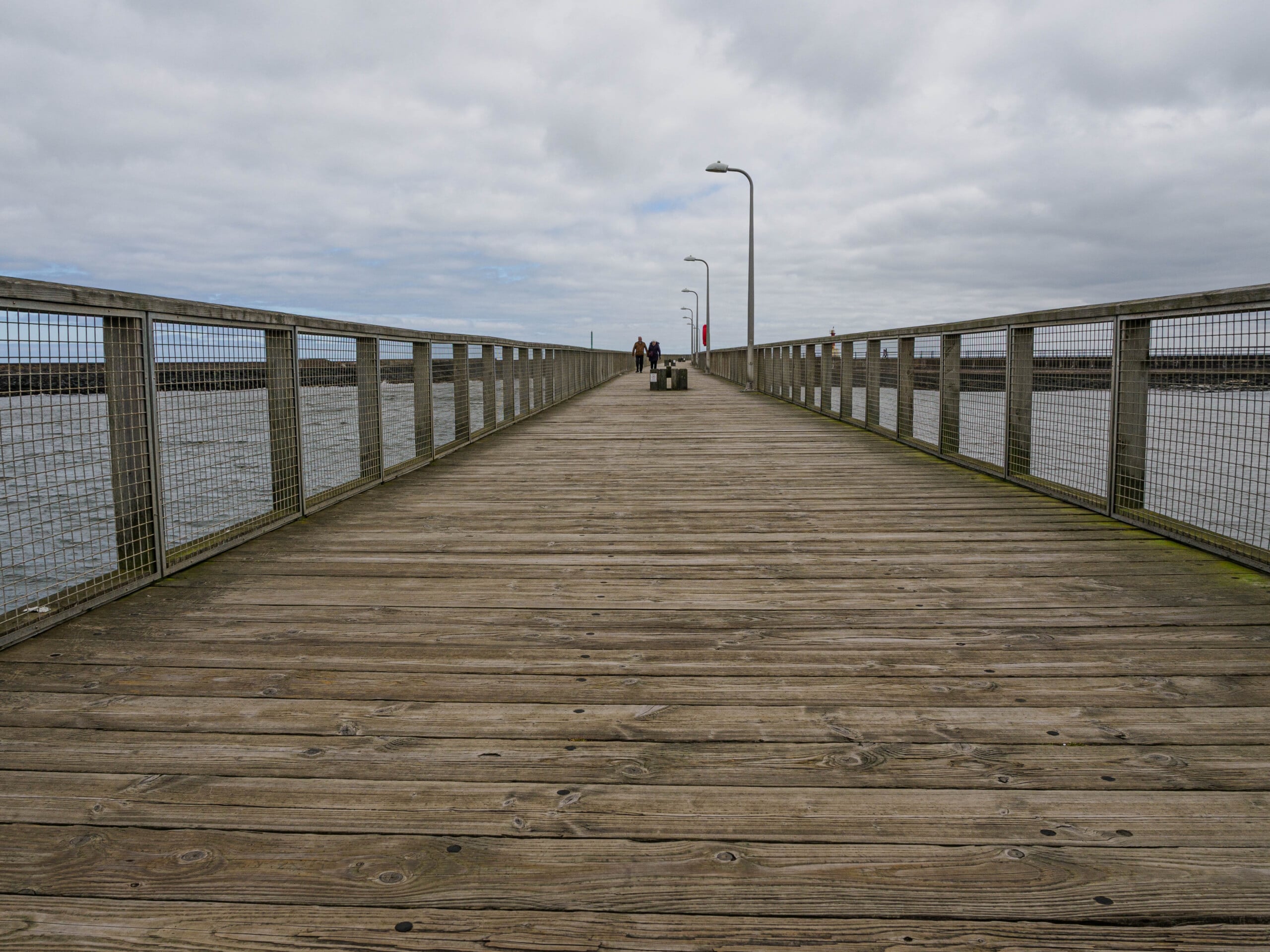
High-angled cameras and those looking down create feelings of vulnerability. But they also make the horizon more distant. Parallel lines that disappear to a vanishing point converge at a more acute angle. When a drone looks straight down from above, it loses the vanishing point altogether, and parallel lines no longer converge.
Focal Length and Illusory Perspective
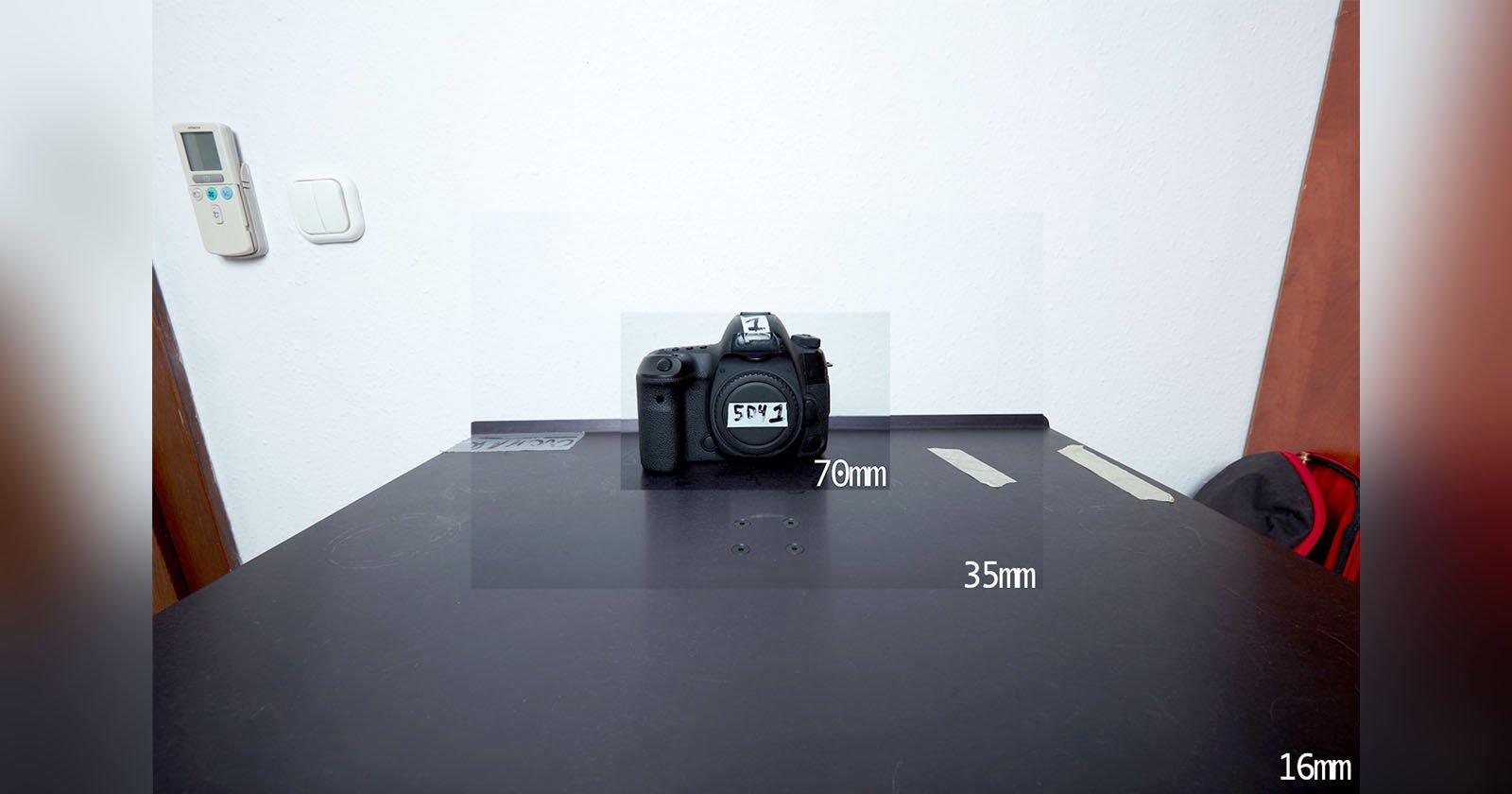
Focal length does not, on its own, alter perspective. True perspective is determined solely by the camera’s position. However, focal length influences perspective indirectly because photographers adjust their position based on the lens they are using. A closer camera position creates a deeper perspective, while a more distant position creates a flatter one.

But there’s more to it than the camera’s physical position.
The choice of focal length appears to alter perspective in another way. If you fit a wide-angle lens to the camera and walk closer to the subject, it will fill more of the frame. At the same time, that wide lens makes background objects appear much smaller and distant. It seems to be adding depth to the photo. In reality, the distance between the foreground and the background is the same, but we have created the illusion that the background is farther away. That’s one reason foreground interest works well in landscape photography.
An illusory perspective is where our brains interpret depth in a photograph based on the elements within it.
As we have seen, a wide-angle lens strengthens the illusion of depth. It does that by separating the foreground from the background. I am sure you have seen online close-up photos of cute calves, kittens, and puppies with huge noses. The wide-angle lens’s proximity to the animal’s nose causes that effect, exaggerating the nose’s size relative to the back of its face. (It’s not a good look when used on humans.)
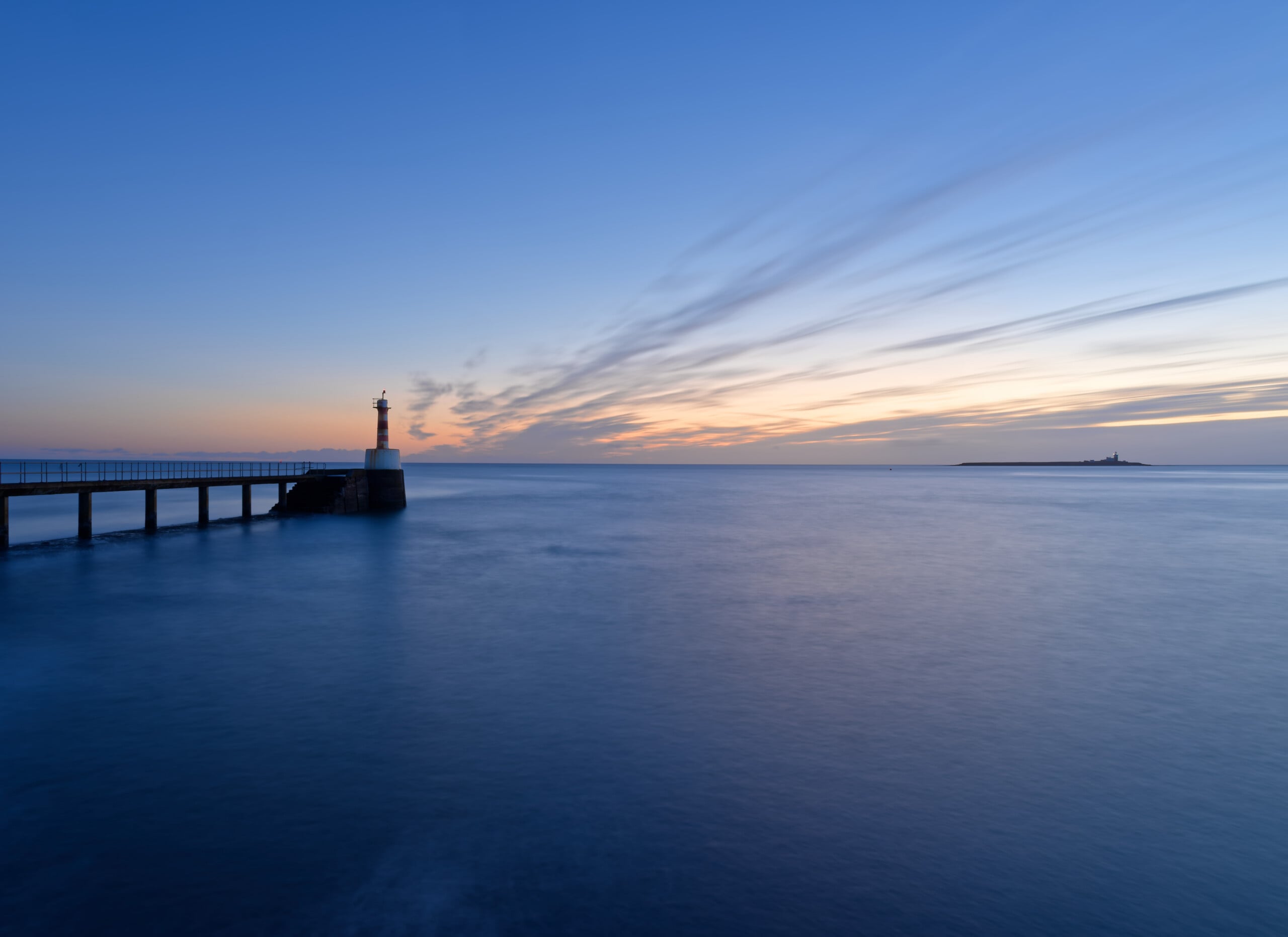
Alternatively, if you use a long telephoto lens to photograph a subject, the background will appear much closer. Subjects can even look like cardboard cutouts because of the long lens’s flattening-out effect.

Therefore, telephoto lenses seem to weaken the illusion of depth by compressing the scene and flattening the apparent distance between foreground and background elements. That compression can emphasize patterns and textures that might otherwise become lost in a wider view. Alternatively, it can add context by making the background object seem closer to the subject.
Understanding those lens characteristics gives photographers another way to influence the viewer’s sense of space and scale in the picture.
Other Ways of Increasing Illusory Perspective
Other elements can change the feeling of depth in a photo, too. For example, distant objects appear hazier and less saturated due to atmospheric interference, as does reducing color saturation in the background and increasing it in the foreground. Additionally, our brains perceive brighter objects as closer to us. Also, if we place warm (red, orange, yellow) colored objects against a cool (green, blue, violet) background, our brains will interpret the image as having greater depth.
Direct light also strengthens illusory perspective. Similarly, strong tonal contrasts, a shallow depth of field, and converging lines will be present.
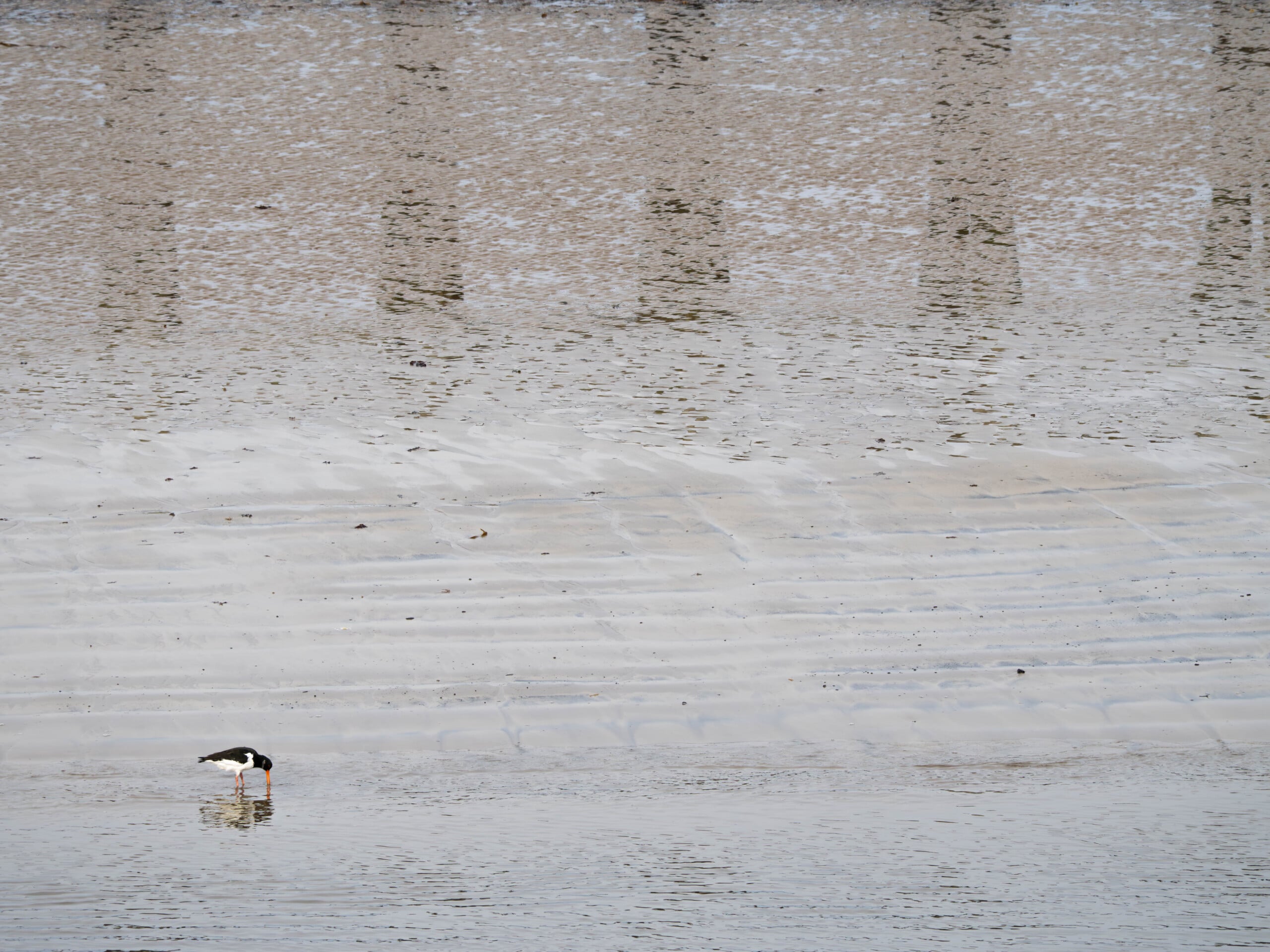
The opposite of all those cues that strengthen the illusion of depth is, of course, true for a weakening perspective.
Although we may think of a strong perspective as good and a weak one as bad, in photography, that is not necessarily the case. We can use several of those tools together to boost the effect we want, whether that is a photo with lots of depth or one with very little.
Emotional and Psychological Perspectives
As well as a branch of physics, photography is an art. Because of that, photography’s power is far more than just documentation. It allows emotional expression and psychological exploration.
A photograph conveys feelings, moods, and psychological states. For instance, while a close-up portrait can reveal intimate details of human emotion, a vast landscape might evoke feelings of solitude, freedom, or even insignificance because of its sublime grandeur. Therefore, weakening or strengthening the perspective is paramount to creating the story we want to tell.

Conclusion
Perspective in photography extends beyond geometry and optical physics. It involves the nature of shapes, colors, and tones that influence every aspect of the photograph.
Understanding perspective, both true and illusory, helps us move beyond simple record-making and toward expression. The tools I mentioned above that alter the viewer’s perspective help guide attention, evoking ideas and feelings.